Birds are social animals, and some birds are naturally inclined to interact with humans. Some birds attract attention and gain favor and rewards by mimicking human language or behavior. Furthermore, birds obtain food and a sense of security from humans, so they may choose to be close to humans, communicate with them, or even seek their companionship. Of course, not all birds enjoy interacting with humans; this depends on various factors such as the bird's species, personality, and living environment. Do you know which birds are particularly affectionate? This article presents ten of the most affectionate birds: Myna, Budgerigar, Thrush, Myna, Red-billed Blue Magpie, Jay, Magpie, Cormorant, Leiothrix, and Canary. Let's take a look.
1. Myna (Acridotheres cristatellus)

The common myna is widespread in southern my country, serving as both an important beneficial bird for agriculture and forestry and a popular cage bird. It can mimic the calls of other birds and simple human speech, and is widely kept as a pet in China. Mynas are relatively large, measuring approximately 28 to 38 centimeters in length, with mostly black plumage and a typically dark brown or black beak. They are intelligent, lively, playful, and individualistic pet birds. They possess a strong performing ability, adeptly mimicking human language, animal sounds, and various sound effects. Furthermore, mynas have a strong adventurous spirit and enjoy actively researching and learning new skills. In the wild, they are usually found in pairs or flocks, exhibiting strong sociality. Due to their beautiful appearance and lively, endearing personality, the black myna is also widely kept as a pet bird.
2. Budgerigar (Melopsittacus undulatus)
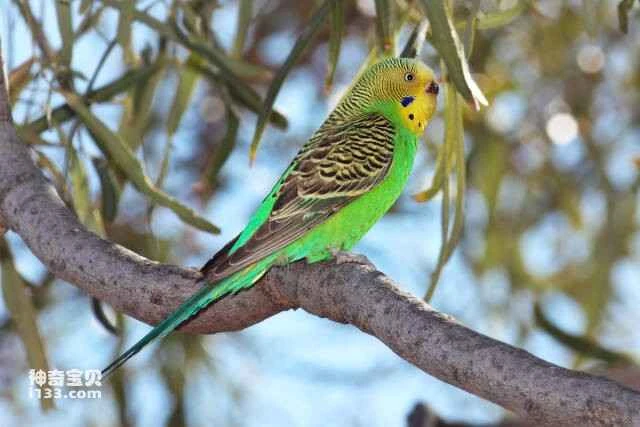
Budgerigars, also known as budgerigars, are small parrots, typically about 18 cm long and weighing around 30 grams. They have white, yellow, and green feathers with black spots or stripes, resembling a tiger's fur, hence their name. Native to Australia, budgerigars primarily inhabit grasslands, scrublands, deserts, and open farmland. They are very intelligent, active, and affectionate pets, suitable for families. Budgerigars can mimic human speech and sounds, especially with training. Due to their lively nature and ease of training, they are one of the most popular pet birds in China.
3. Eyebrow drawing (Garrulax canorus)
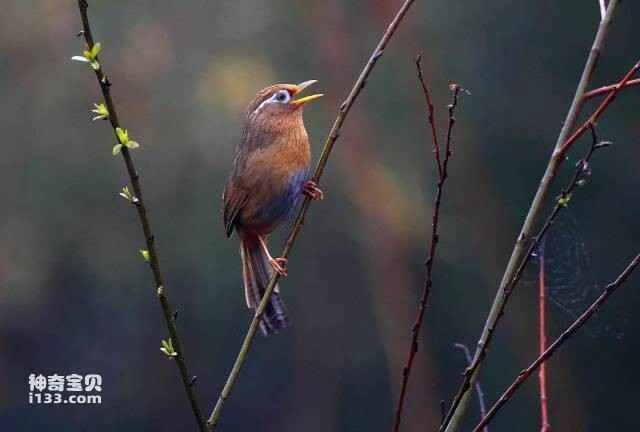
The Chinese Hwamei (or Chinese Thrush) is a bird endemic to China and the city bird of Guangzhou. It exhibits distinct sexual dimorphism, with males and females displaying significantly different plumage. The male has a greyish-brown head, back, and tail; yellow rump and sides; white throat and chest; and black around the eyes. The female is predominantly greyish-brown with slight yellow spots on her rump and sides. Mainly distributed in China, the Hwamei is not only an important beneficial bird for agriculture and forestry but also renowned for its melodious and pleasant song, capable of mimicking other birds' calls, earning it the title of "King of Babblers" both domestically and internationally. They are adept at mimicking human voices, especially the male, which emits a melodious song to attract females. The Hwamei is a very active and playful bird and a popular pet.
4. Gracula religiosa
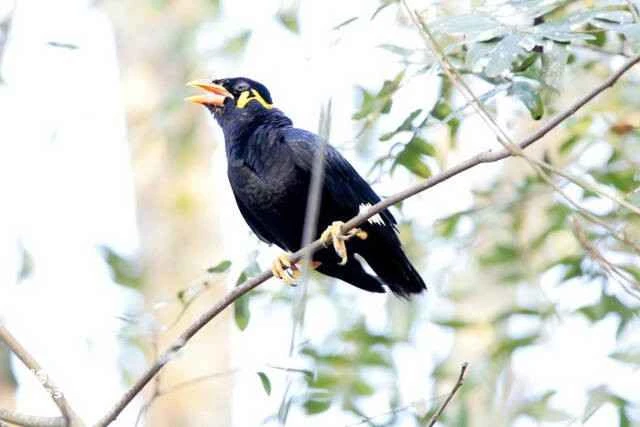
Mynas belong to the family Mynaidae in the order Passeriformes. They are mainly distributed in China, Africa, Southeast Asia, and Australia. Mynas are relatively small, averaging 10-15 cm in length and weighing about 10 grams. Different species of mynas have varying plumage colors, but are usually grey or brown, with some species having distinctive features such as a black crown or back, white eyebrows or throat. Mynas are highly social, often appearing in pairs or flocks. They typically perch on branches or in bushes and fly lightly and nimbly. Mynas are birds adept at mimicking human speech and other sounds, especially the African Grey Myna, which is one of the longest-domesticated and most popular pet mynas. African Grey Mynas have a high level of intelligence; they can learn hundreds of words and phrases and understand their meaning and respond accordingly. In addition, mynas are very intelligent and lively pets and are easily tamed, making them very popular.
5. Red-billed Blue Magpie (Cyanopica cyanus)
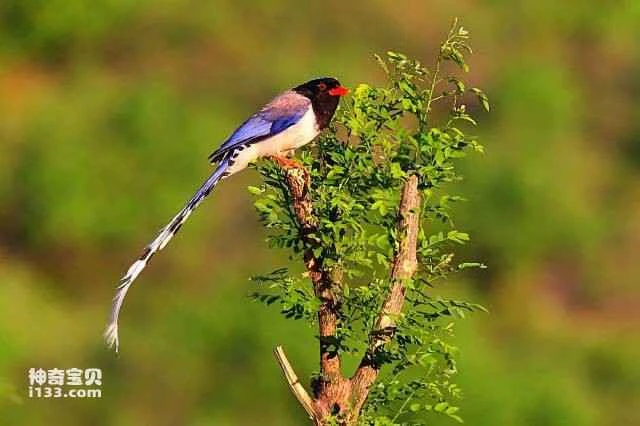
The Red-billed Blue Magpie is a bird endemic to China, distributed in central and southwestern China. It is a large crow, typically inhabiting forests, thickets, and open areas in mountainous regions. The Red-billed Blue Magpie is about 30 cm long and weighs about 100 grams. Its plumage has a light blue sheen, with darker wings and tails with black stripes. Its beak and feet are bright red, one of the reasons for its name. The Red-billed Blue Magpie is known as the "Bluebird of Happiness" because it can produce a variety of noisy calls and whistles and is adept at mimicking the sounds of other birds. It is a beautiful bird and an important ornamental bird, often exhibited in zoos. It is beneficial to the population by consuming large amounts of pests. The Red-billed Blue Magpie is listed as a Class II protected animal in China. Due to ecological destruction and overhunting, its population has declined significantly, necessitating protection.
6. Jay (Garrulus glandarius)
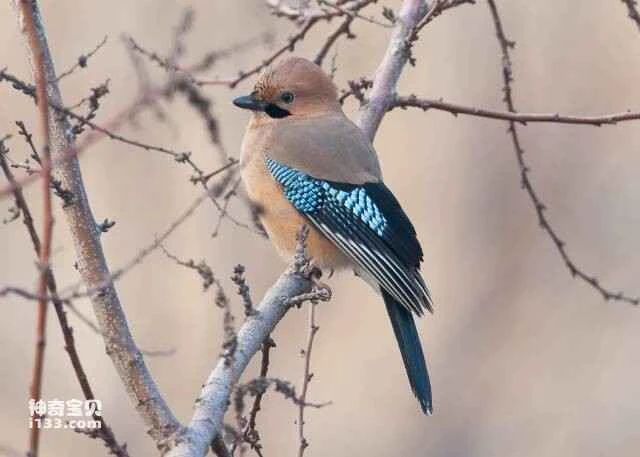
The jay is a common bird found in Asia and North America, belonging to the Corvidae family. Jagrels are relatively small, about 30 centimeters in length, with long, sharp wings. Their feathers are mostly black or dark gray, and their beaks are strong and slightly downward-curved. Jagrels primarily feed on insects, fruits, seeds, and small vertebrates, and will also prey on the eggs and chicks of other small birds. In urban and rural areas, jagrels are frequently fed by people, thus establishing a close relationship with humans. Due to their intelligent and lively nature and beautiful appearance, jagrels are considered a mystical symbol of wisdom in many cultures and are popular ornamental birds.
7. Magpie (Pica pica)
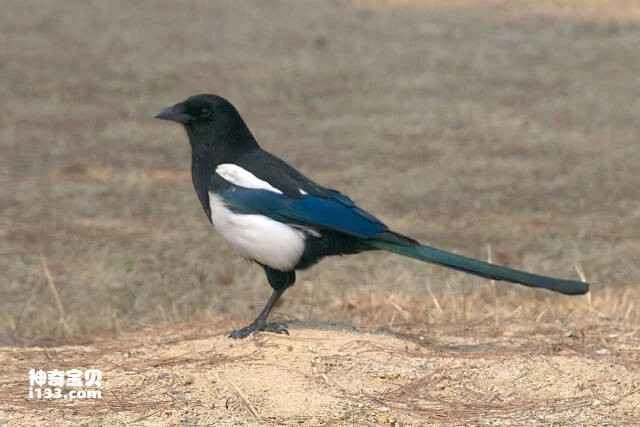
The magpie is a common medium-sized bird belonging to the family Magpieidae in the order Passeriformes. They are widely distributed, found almost worldwide, and comprise many species and subspecies. Magpies are about 40-60 cm long, with mostly black or dark gray plumage, a light gray head and neck, and strong beaks and legs. In flight, their wings display striking white stripes, making them very beautiful. Magpies are popular birds, often nesting in large trees near houses and frequenting residential areas. They are omnivorous, feeding mainly on insects, small invertebrates, fruits, seeds, and grains. They also prey on the eggs and chicks of small birds. Like jays, magpies are frequently observed and fed. In Chinese culture, the magpie is considered a symbol of good fortune, and there is an ancient custom of painting magpies to bring good luck. Therefore, they frequently appear in traditional literature, paintings, and poems.
8. Cormorant (Phalacrocorax carbo)
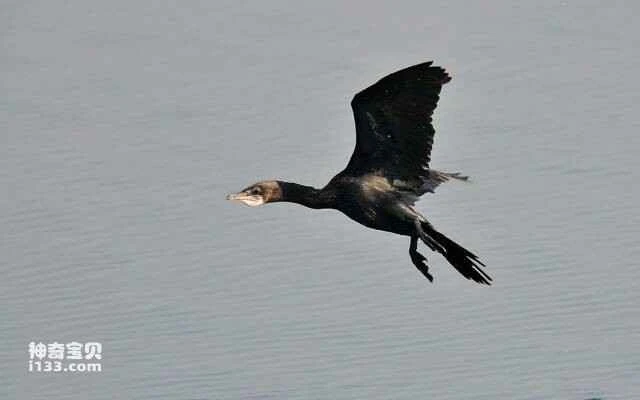
Cormorants are waterbirds belonging to the Cormorantidae family. They are mainly distributed in coastal areas of Asia, Europe, and North America. They are not particularly afraid of humans and typically live in freshwater or saltwater environments. Cormorants are about 60-90 cm long with a wingspan of 1.2-1.5 meters. Their plumage is black or brown, with a white breast. Cormorants have a very unique hunting method: they dive into the water and use their flexible necks and specially constructed throat pouches to catch aquatic animals such as fish and crustaceans, then carry them back to their nests to feed their young. The history of using cormorants as fishing tools dates back to ancient China, and in Japan and Southeast Asian countries, people still use trained cormorants for fishing. Due to their unique appearance and hunting methods, cormorants have also become popular ornamental birds. However, with increasing urbanization and water pollution, cormorant habitats are facing increasing threats, and some species are even endangered.
9. Leiothrix
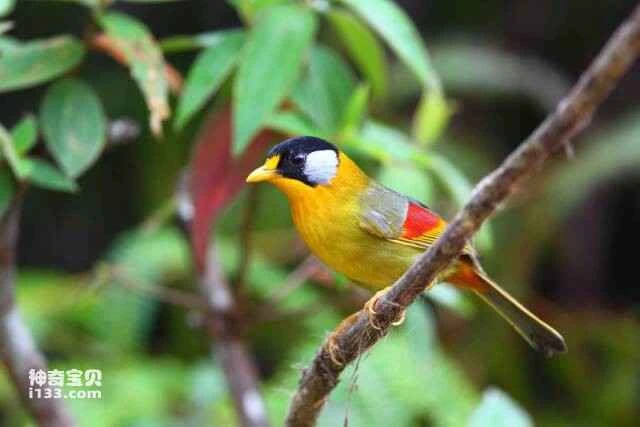
The genus *Leotopus* contains two species: the Silver-eared Leiothrix and the Red-billed Leiothrix, both distributed in China, inhabiting the Yangtze River basin and vast areas south of the Yangtze River. The two species are similar in appearance. The Red-billed Leiothrix is beloved for its magnificent plumage, lively movements, graceful posture, and melodious song. However, its song is relatively monotonous compared to other songbirds in the subfamily Hwameiinae, and it is not adept at mimicking, so bird keepers primarily value its plumage. The Leiothrix is renowned for its beautiful appearance and melodious song. Male Leiothrixes attract females with their high-pitched, melodious songs during the mating season, hence its name "Love-Yearning Bird." Its song is quite unique, sometimes sounding like human humming or the sound of a violin. Due to its beauty and song, the Leiothrix is frequently kept as an ornamental bird.
10. Canary (Serinus canaria)
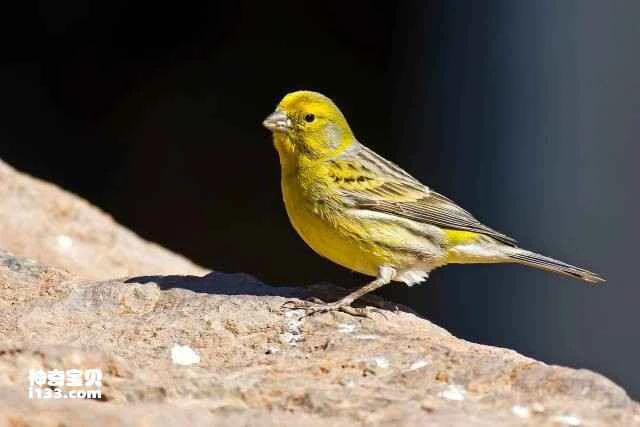
The canary, also known as the honeybee, is a grain-eating bird belonging to the Passeriformes family. Native to the islands of the Canary Islands, Madinat, and Esulides off the northwest coast of Africa, it is a prized cage bird prized for its beautiful plumage and song. There are 24 species, and it is considered one of the most desirable cage birds both domestically and internationally. Young birds can mimic the songs of larks and thrushes and possess a natural talent for performance, able to perform tricks such as "catching objects" and "wearing masks" after training. Besides being kept as pets, canaries are widely appreciated for their beautiful songs. Their melodious songs, and some species even mimic human speech, make them a popular choice for pet birds.
Some birds are naturally inclined to interact with humans; for example, some parrot species will approach humans in the wild, making them popular pets. If birds are separated from their parents or companions at a very young age, they may perceive humans as family or companions, thus exhibiting affectionate behavior. Some birds can attract their owners' attention by mimicking human language or behavior, often receiving a positive response, which makes them more inclined to interact with humans. Other birds may choose to form bonds with humans to obtain food and a sense of security. In areas inhabited by humans, birds often find easily accessible food and seek out safe places to live. It's important to note that not all birds enjoy interacting with humans. A bird's personality, species, and living environment, among other factors, all influence their attitude towards humans.