In biology, hermaphroditism, as the antonym of dioecy, represents a unique form of sexuality. Some animals exhibit both hermaphroditism and dioecy, and this phenomenon is mostly related to genetic mutations, showcasing the complexity of the biological world. Below are some examples of animals with hermaphroditic characteristics, such as earthworms, eels, clownfish, wrigglings, corals, parasitic wasps, and snails. These species represent a small part of biodiversity and highlight the wonders of nature.
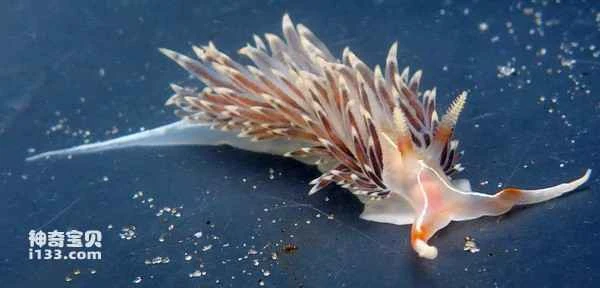
1. Earthworms (sexual reproduction/hermaphroditic)
In nature, there are many animals that do not distinguish between males and females, with earthworms being a common example. Earthworms are widely distributed throughout the world and possess hermaphroditic characteristics, meaning they have both male and female reproductive organs. While many hermaphroditic animals can reproduce parthenogenetically, earthworms cannot. This is because the female and male reproductive organs of earthworms are relatively far apart, necessitating this separation for reproduction.
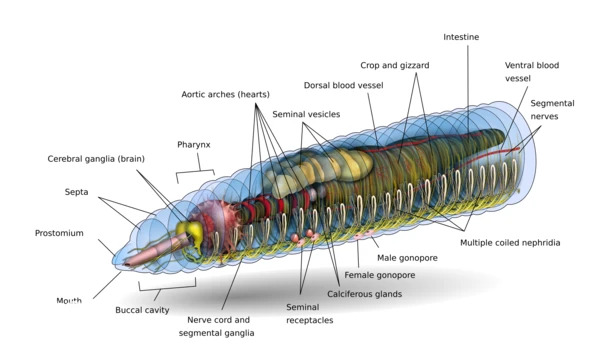
Earthworms typically reproduce in groups. They first lie flat together and then bind themselves tightly together by releasing a sticky substance. During this process, the 15th segment of the earthworm begins to lay eggs, while the 9th and 10th segments absorb and fertilize these eggs. The fertilized eggs are then stored in the earthworm's back, and after two to three weeks, they hatch into young earthworms.
2. Eel (sex change)
In the animal kingdom, there are many species that can change sex at will, with the swamp eel being a notable example. Normally, once an animal determines its sex, it remains that sex for life, or, like earthworms, possesses two sets of reproductive organs. However, the swamp eel exhibits a unique sexual characteristic: it possesses the ability to "change sex."
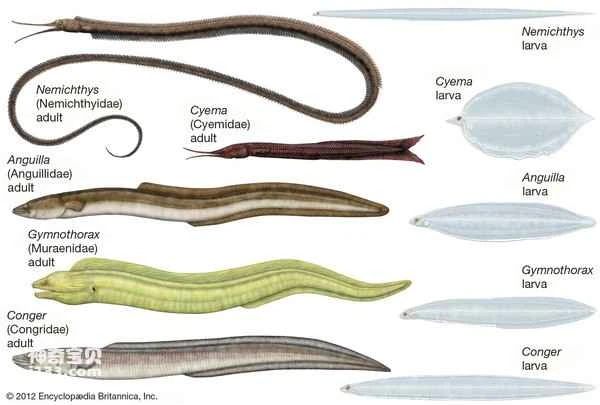
All eels are born female, and as they grow and develop, they eventually reach their first sexual maturity. At this time, all eels are female. After their first successful reproduction, they undergo a second sexual maturity, at which point they change sex from female to male. Therefore, eels can play both the roles of mother and father throughout their life cycle, demonstrating a unique and fascinating biological characteristic that amazes people with the diversity and adaptability of the animal world.
3. Clownfish (males can change into females, but females cannot change into males)
Among the world's many hermaphroditic animals, clownfish are a striking and impressive species. Although all clownfish are born male, this does not mean they are destined for parthenogenesis. In fact, they are rare organisms that can transform from male to female, while females cannot transform into males.
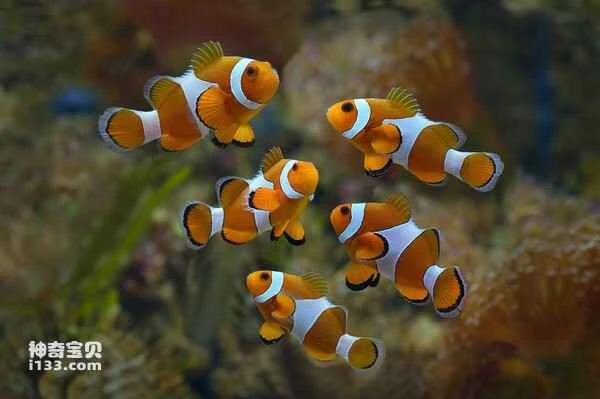
Each clownfish population has a dominant female and several adult males. During their juvenile stage, male clownfish are hermaphroditic. If the dominant female dies, one of the adult males will undergo hormonal changes and transform into the new female in the group. This new female will then lead the group of males in reproductive activities. However, once this female dies, the leader among the females will proactively change sex to become the new female, continuing to dominate and reproduce the species.
4. Wrigley fish (will change sex when there are no male fish around to breed with)
Wranglers are also capable of sex change, but unlike clownfish, they employ the opposite strategy. All individuals in a wrasse group are born female, and their sex remains unchanged in the presence of males. However, things change once the males in the group disappear or die.
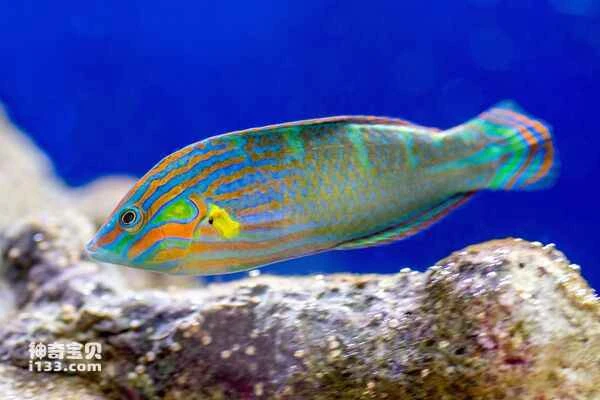
When the most dominant female wrasse begins vying for dominance, she quickly displays masculine characteristics and engages in fierce battles for leadership. The victorious female undergoes a series of physical and behavioral changes. Her ovaries gradually degenerate, her testes begin to form, and her brain adjusts its behavioral patterns. In this way, the former female wrasse transforms into a male, maintaining the balance and reproduction of the group.
5. Corals (capable of both sexual and asexual reproduction)
A large number of hermaphroditic organisms exist in the ocean, with corals being a prime example. Whether hermaphroditic or anisotropic, corals are capable of expanding their colonies through both sexual and asexual reproduction. Sexual reproduction is extremely important for corals because it helps them establish new territories. Although coral eggs can be dispersed over long distances with the help of seawater, the actual probability of successful fertilization is extremely low, only a tiny fraction, about one in a million.
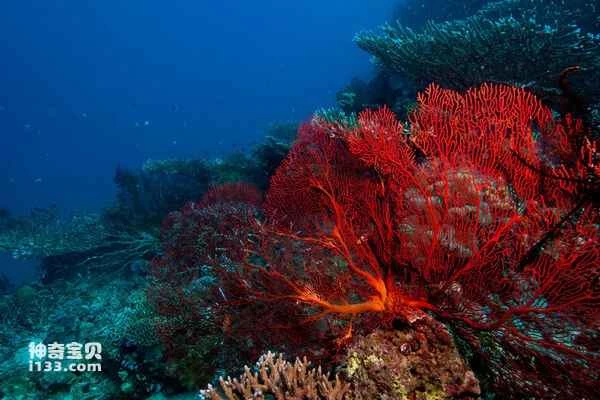
Compared to sexual reproduction, asexual reproduction is the primary means by which coral polyps sustain colony growth. This method ensures that coral polyps form interconnected groups, thereby promoting the continuous expansion of the coral colony.
6. Parasitic wasps (mixed chromosomes of male and female wasps)
Parasitic wasps are a special type of hermaphroditic animal, unique in that they possess a mixture of male and female chromosomes. Their behavior clearly demonstrates that their most crucial sex organ is their "brain." For example, in normal male and female parasitic wasps, after reproduction, the female selects to lay her eggs inside the host larvae. However, some parasitic wasps possess a male brain and a female body, forming what is known as a "hemispheric" organism.
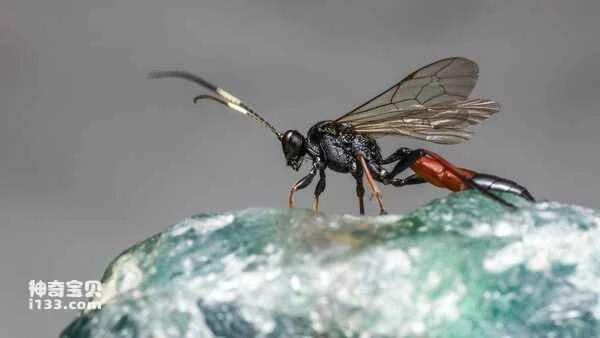
In this situation, their reproductive behavior becomes complex: they may sting the female wasp and attempt to reproduce with the host larvae. Sometimes, they will flutter around the female wasp without actually reproducing; or they may suddenly stop at the beginning of the reproduction process, as if they have suddenly remembered an important appointment.
7. Snails (can reproduce parthenogenetically)
Snails exhibit diverse sexual forms in the biological world, with some individuals being hermaphroditic. Gilling snails show dioecious characteristics, while lung snails are hermaphroditic. Furthermore, gilling snails breathe using gills, while lung snails rely on lungs for respiration. Currently, most known snails belong to the lung snail family, resulting in a relatively smaller number of gilling snail species.
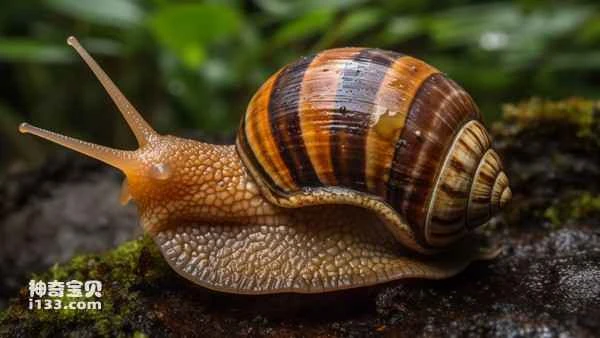
Hermaphroditic snails not only possess this unique sexual structure, but they can also engage in cross-fertilization. These snails have a dual reproductive system, capable of producing both eggs and sperm. Under certain special conditions, they can even reproduce through self-fertilization.
8. Turritopsis dohrnii (immortality/infinite lifespan)
Sexless animals are organisms that do not have a sex, and they are even rarer than transsexual animals. These organisms lack male and female reproductive organs, so their reproduction often involves division or budding. In the animal kingdom, there is indeed a sexless organism: the Turritopsis dohrnii jellyfish, which has the ability to "rejuvenate."
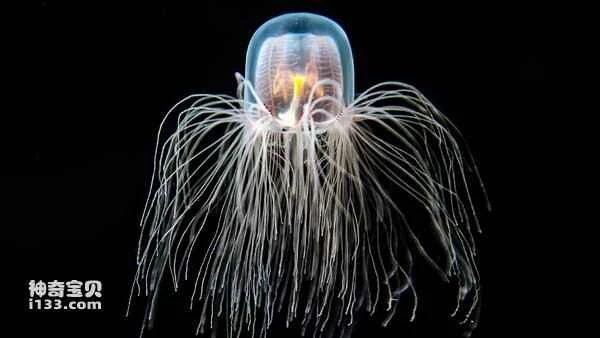
Most animals undergo an aging process after reproduction, but the Turritopsis dohrnii is unique in that it reverts to an immature polyp larval stage after reproducing. This jellyfish reproduces through fission rather than through traditional sexual reproduction.
9. Blue-spotted grouper (sex change)
Groupers are also hermaphroditic fish, similar to wrasses, and exhibit sex-changing characteristics. These fish are female at first sexual maturity and then transform into males the following year. The blue-striped grouper, which lives off the coasts of Florida and Brazil, is particularly notable in this regard, as it can undergo sex-changing multiple times a day.
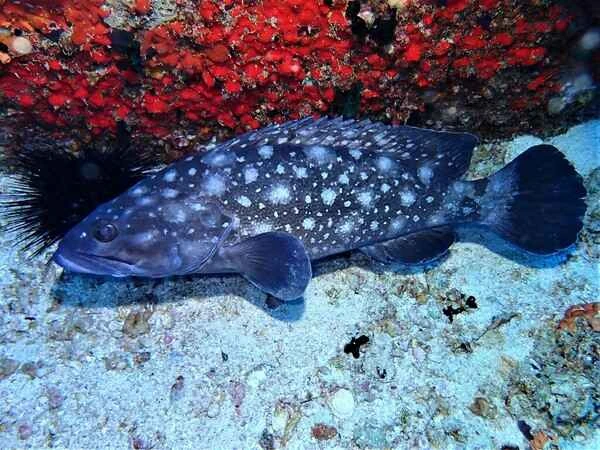
At dusk, male and female blue-striped groupers undergo sex reversal, possibly repeatedly within a short period. When two fish mate and lay eggs, one acts as the female and the other as the male. After mating, they switch sexes again to continue reproducing. This phenomenon is also known as sex reversal, hermaphroditism, and cross-fertilization.
10. Double-banded goldfish (sex determined by size)
The double-banded goldfish, also known as the bluehead goldfish, is a striking example of sex-changing animals. The males are brightly colored, while the females are relatively plain. However, these plain-colored females prefer to mate with the largest and most brightly colored males, selecting the best partners for reproduction. Therefore, during the peak breeding season, the largest males have the greatest advantage in procreation.
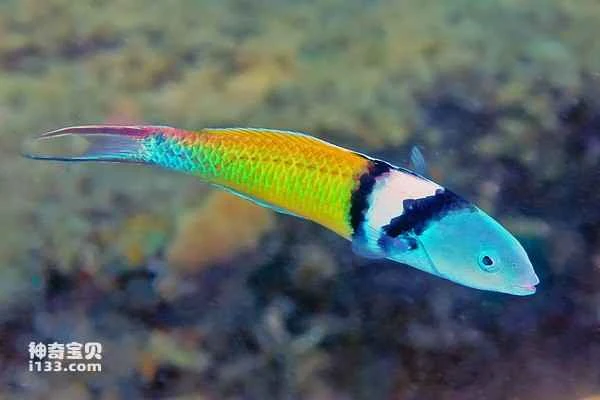
When the double-banded goldfish are very young, they usually behave as females and participate in the reproductive process by laying eggs. However, as they gradually grow larger, once they reach a certain size, they will transform from females to males and begin to assume the male reproductive role.
Interestingly, if the largest male double-banded goldfish on the reef is removed, the larger female fish will undergo a sex change within a few days, transforming into a brightly colored male and taking the place of the previous male.
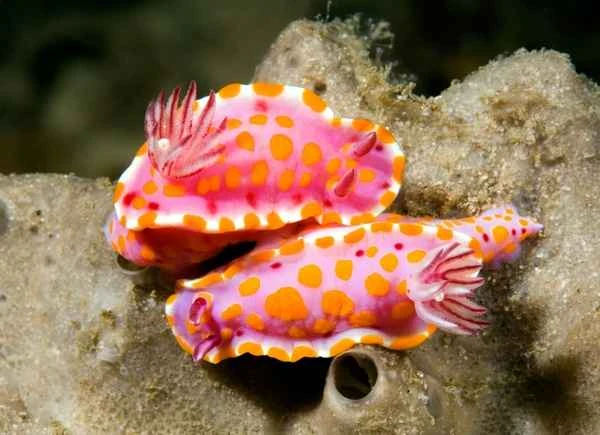
Other hermaphroditic animals:
Red snapper, clams, European flat oysters, spoon maggots, barnacles, cleaner fish, cotton pad worms, liver leeches, sea bass, ship maggots, squid, dried worms, black snapper, North American red snapper, etc...
In our list of hermaphroditic animals, we primarily based it on the animals' characteristics and popularity, combined with relevant online rankings and lists. Please note that this list is for entertainment purposes only, and any corrections are welcome in the comments!