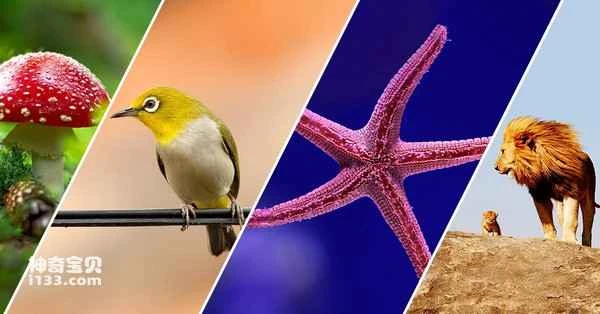
Asexual reproduction is a relatively common phenomenon in the biological world, involving various forms such as fission, budding, spore reproduction, and vegetative reproduction. Although rarer in animals, there are some representative species capable of asexual reproduction. The following is a list of these animals for your reference.
1. Aphids (flexibly switch between sexual and asexual reproduction)
Which animals can reproduce asexually? The most common is probably aphids. These herbivorous pests reproduce at an astonishing rate, especially in summer. In fields, the number of soybean aphids can double every week because each adult can produce nine offspring per day.
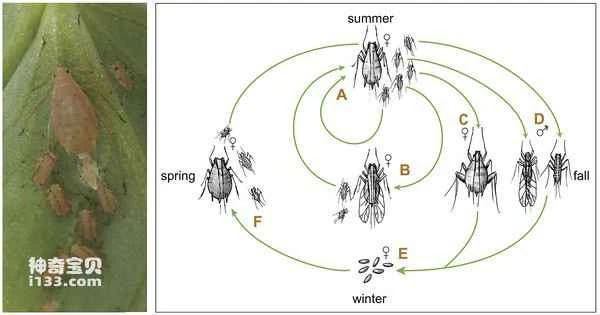
Aphids are well-known for their asexual reproduction; both large and small species can reproduce through a process called parthenogenesis. In this phenomenon, aphid embryos can even begin to develop from unfertilized gamete states. However, at certain times of the year, especially in autumn in temperate regions, they sometimes switch to sexual reproduction instead of asexual reproduction to maintain the genetic diversity of their populations and preserve the natural diversity of their gene pool.
2. Honeybees (drones reproduce asexually)
As one of the representative animals of asexual reproduction, bees have a rather complex reproductive method. They are capable of both sexual and asexual reproduction, and can produce offspring regardless of the method used, but not every method can promote the reproduction of the entire bee colony.
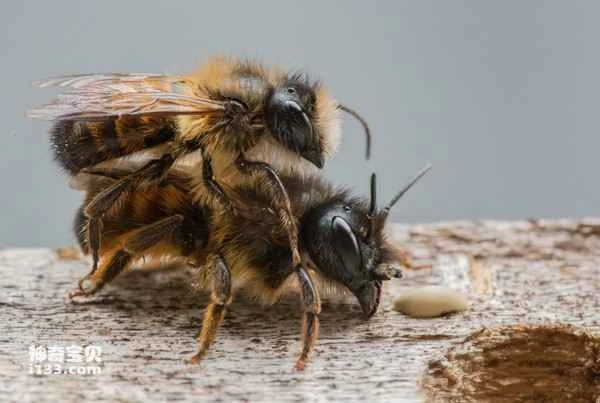
The reproductive process of bees involves the queen, worker bees, and drones. The queen and worker bees hatch from fertilized eggs, while drones develop from unfertilized egg cells and are therefore haploid. In a bee colony, the sole purpose of a drone is to mate with the queen, after which it dies shortly. Drones only receive support from worker bees when reproduction is required. Once the queen has mated and laid eggs, the drones' status in the colony diminishes; their presence is often directly related to the need for reproduction, and once that task is complete, their role ends.
3. Turritopsis dohrnii (an animal whose lifespan can be extended indefinitely)
The Turritopsis dohrnii jellyfish is one of the most fascinating examples of asexual reproduction, its unique characteristics leaving viewers in awe. As the only known organism capable of achieving indefinite lifespan, the Turritopsis dohrnii possesses incredible vitality. While most animals age after reproduction, when the Turritopsis dohrnii reaches sexual maturity, its primary task is to reproduce through fission. Subsequently, the mother jellyfish undergoes complete remodeling, reverting to the immature stage of a polyp larva, a process that can be repeated indefinitely.
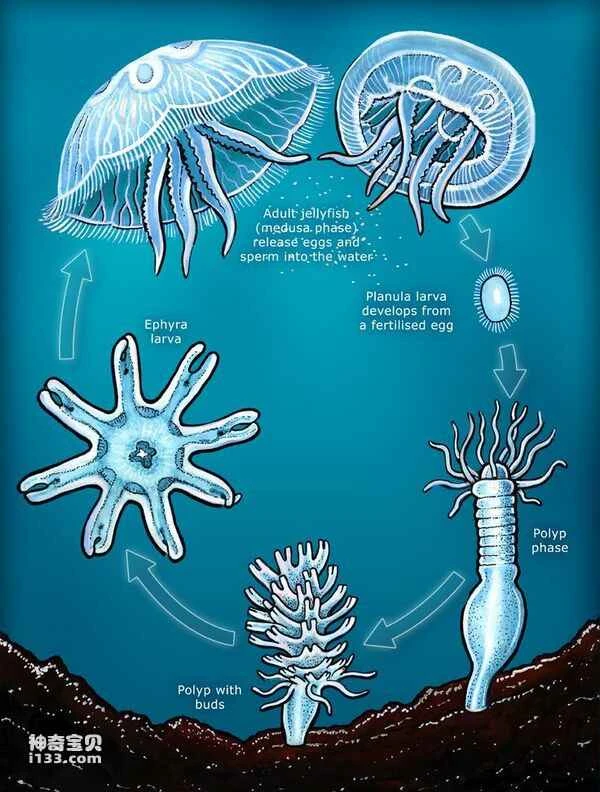
This seemingly limitless ability to rejuvenate makes the Turritopsis dohrnii a marvel of the biological world, a phenomenon that challenges our understanding of life and lifespan. For scientists, this anti-aging property has ignited their passion to explore ways to extend human lifespan. Scientists are working diligently to study how this organism prevents and inhibits aging, hoping to apply this understanding to slowing down the aging process in humans and opening up new possibilities for finding ways to extend lifespan.
4. Salamanders (occasionally steal chromosomes from males)
Among asexually reproducing animals, salamanders exhibit a unique reproductive method, considered one of the earliest known examples of parthenogenesis among vertebrates. Long ago, scientists discovered that in other salamander species, sperm merely stimulates the female to lay eggs during mating without affecting the offspring's genetic information. Newborn salamander offspring replicate through parthenogenesis, ensuring that the entire offspring consist solely of female individuals.
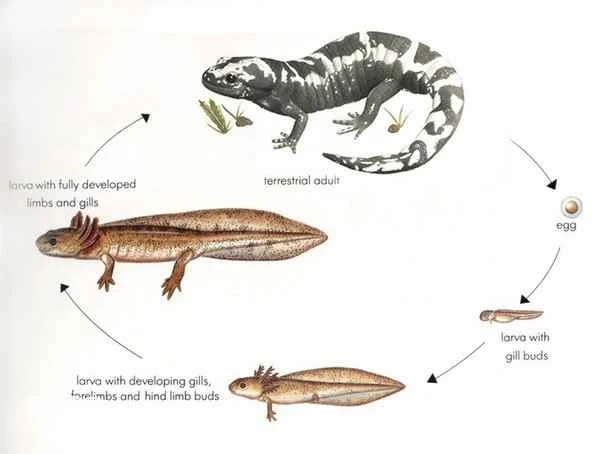
However, as research progressed, scientists unexpectedly discovered that while they mostly replicate themselves like other all-female animals, in extremely rare cases, they can acquire chromosomes from male newts of the same species. This phenomenon is astonishing, especially since newts do not retain genes from other axolotls in their lineage indefinitely, usually discarding these genes only after a few generations.
5. Komodo dragon (can flexibly switch between sexual and asexual reproduction)
Some animals possess the ability to reproduce both asexually and sexually, and the Komodo dragon is a striking example. This species is considered the largest living lizard in the world, possessing enormous, sharp teeth that give it a majestic appearance. Typically, male Komodo dragons engage in fierce and aggressive fighting during the mating season, with some males even staying with the female for several days after mating to ensure she doesn't mate with other males. It's worth noting that in situations of male scarcity or other special circumstances, this species can also reproduce asexually.
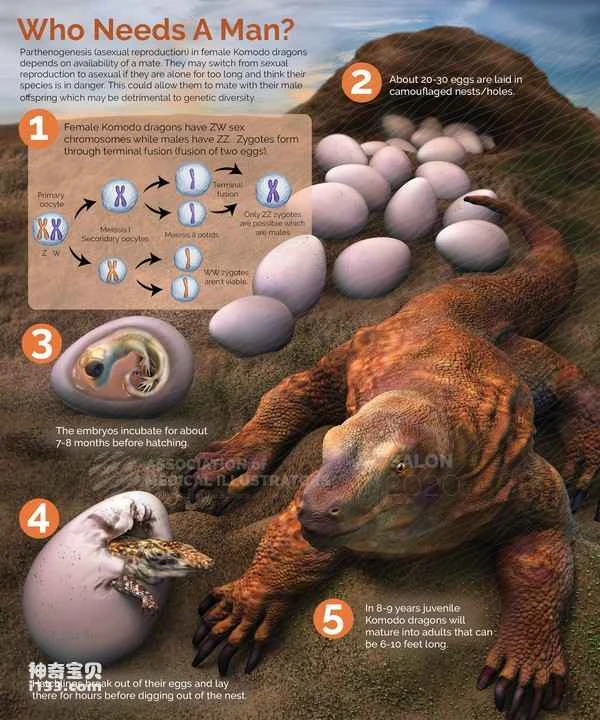
In May 2006, a remarkable event occurred at Chester County Zoo in the UK, where a solitary female Komodo dragon named Flora exhibited parthenogenesis. This ability to reproduce without mating provides an unexpected reproductive mechanism for the Komodo dragon, a species listed as "vulnerable," and could contribute to effective conservation strategies for the species.
6. Sharks (can flexibly switch between sexual and asexual reproduction)
Sharks, as highly evolved fish in the ocean, exhibit unique characteristics in their lifestyle and physical structure, especially their unique reproductive mechanism. It can be said that sharks are distinctive in the animal kingdom, possessing a reproductive method that is highly adaptable to environmental changes.
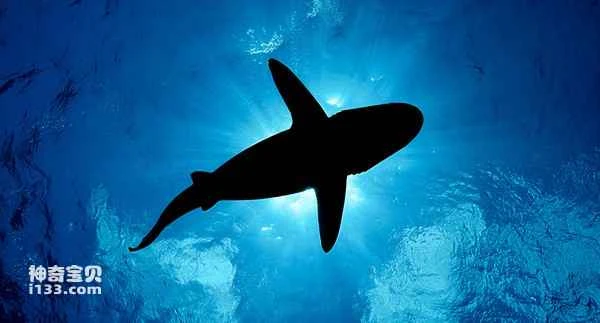
Sharks typically reproduce sexually, demonstrating their highly evolved state. However, in special circumstances, such as when only one female shark is present, this female possesses the ability to reproduce parthenogenetically, allowing her to reproduce independently. This unique reproductive method provides sharks with a degree of survival advantage when facing specific environmental challenges.
In addition to sexual reproduction and parthenogenesis, sharks can also reproduce by laying eggs and giving birth to live young.
7. Whiptail lizard (no males)
Whiptail lizards are found throughout the desert grasslands of the southwestern United States, Mexico, and South America, with approximately 50 known species. They have elongated bodies, especially their tails, which are sometimes even longer than their bodies. These lizards have longitudinal stripes that extend from their heads to their tails, adding to their distinctive appearance.
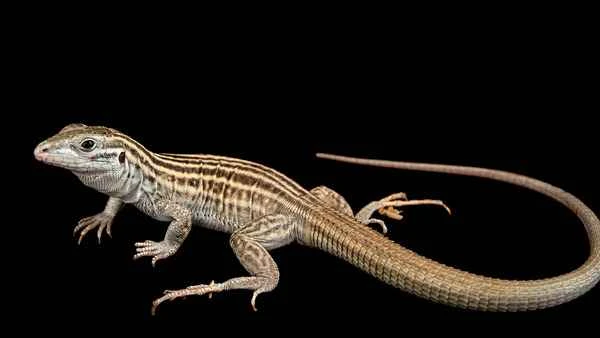
There is significant internal variation among different species of whiptail lizards; even the same individual can exhibit different body color and markings at different stages of growth. Remarkably, they are capable of asexual reproduction, yet still manage to pass on DNA variations from generation to generation. This unique reproductive pattern endows them with the ability to continuously change and transmit traits.
Because whiptail lizards are predominantly female, the species is jokingly referred to as the "land of women" in the animal kingdom.
8. Marbled crayfish (self-replicating)
Around 1995, two small crayfish were introduced from Florida to an aquarium in Germany. Through accidental mating, they created the marbled crayfish, a unique species that is triploid and entirely female. Marbled crayfish belong to the order Decapoda in the class Crustacea and are the only species capable of asexual reproduction. They originate from a cloning process using unfertilized eggs, resulting in a population consisting solely of females.
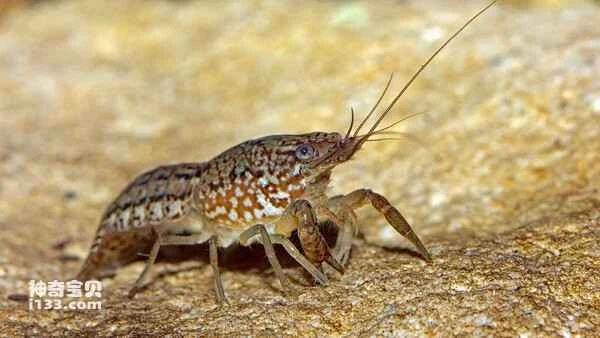
These creatures exhibit remarkable survival abilities, feeding on a wide variety of foods, including but not limited to algae, leaves, fish eggs, snails, small fish, and rice. They adapt to various aquatic environments, such as ponds, streams, lakes, rice paddies, and shallows. Marbled crayfish reproduce rapidly through parthenogenesis, leading to their rapid proliferation and devastation across Eurasia.
9. Turkeys (can be flexibly switched between sexual and asexual reproduction)
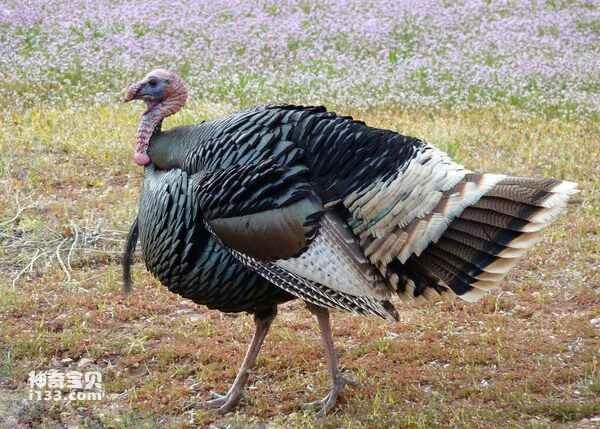
In nature, the sex of birds, amphibians, and fish is primarily determined by the sex chromosomes carried in their eggs. Under certain circumstances, these species can reproduce parthenogenetically, but the hatching and survival rates of their offspring are usually very low. However, turkeys exhibit a relatively strong ability to reproduce parthenogenetically; in the absence of males, the unfertilized eggs produced by females also have a certain hatching potential. Moreover, the offspring hatched from these unfertilized eggs are usually weak and almost exclusively male turkeys.
10. Amazon mullet (reproduces asexually, 280,000 years old)
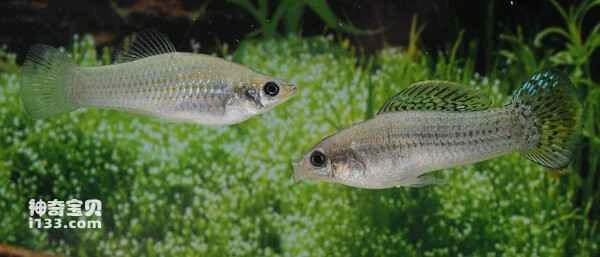
The Amazon mullet is a freshwater fish native to Mexico and Texas, and all of these fish are female. While asexual reproduction generally leads to gene loss and puts species at risk of extinction, the Amazon mullet is an exception. A recent study in 2018 examined the Amazon mullet's genome and, after comparing it with two similar species, found that these fish not only survived but have continued to live for over 280,000 years.
Researchers concluded that although Amazon mullet are female only, their genomes exhibit high diversity and show no signs of widespread genomic decay.
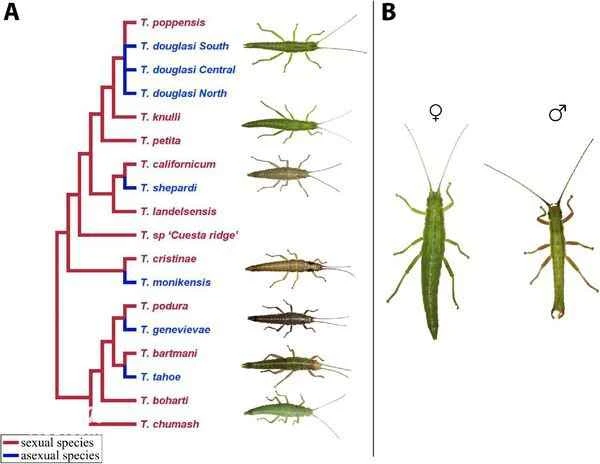
Other animals that can reproduce asexually:
Hathead shark, California condor, stick insect, Bramini blind snake, tardigrade, American crocodile, Amazon killifish, paramecium, hydra, water flea, anaconda, wasp, spotted shark, ant, silkworm, leaf moth, stick insect, whitefly, scale insect, thrips, etc...
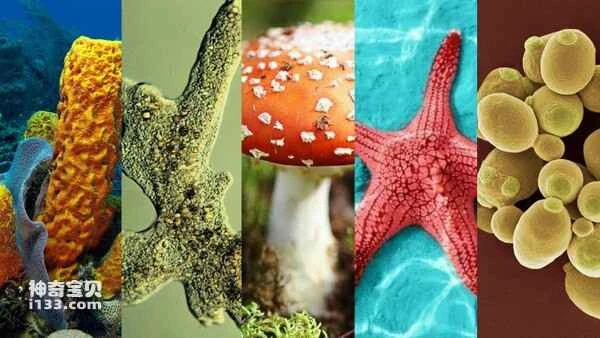
This list of animals capable of asexual reproduction is compiled primarily based on their reproductive methods and popularity, combined with relevant online rankings and lists. Please note that this list is for entertainment purposes only, and any corrections are welcome in the comments!