Recent news reports of a surge in poison toad populations in Florida, USA, due to continuous heavy rainfall and their spread into urban ecosystems, have drawn significant public attention. Poison toads not only pose a threat to pets such as dogs but can also harm wildlife closely related to human life and even pose a risk of poisoning to humans. Coincidentally, this phenomenon coincides with the toads' breeding season.
Similar situations are not unique to Florida—in Spain , the appearance of poisonous toads has also raised concerns; in Mexico , some poisonous toads have even attracted attention due to the hallucinogenic effects of their toxins. Because some species are extremely poisonous, understanding their species and characteristics is crucial to avoiding accidental contact and protecting the safety of humans and pets.
This article will provide you with a comprehensive introduction to the types, distribution, toxicity characteristics, and common misconceptions of poisonous toads , and will list several common representative species to help you correctly distinguish between poisonous and non-poisonous toads.
I. Examples of Common Poisonous Toad Species
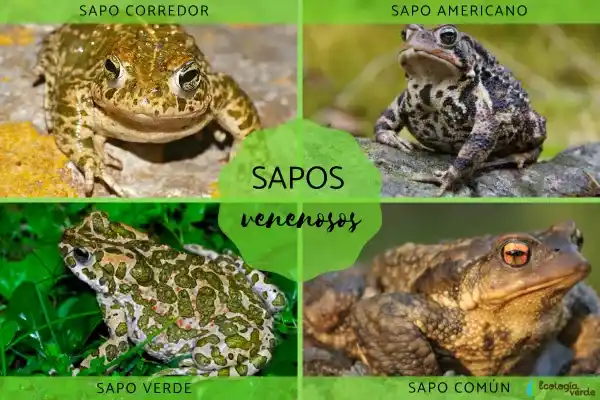
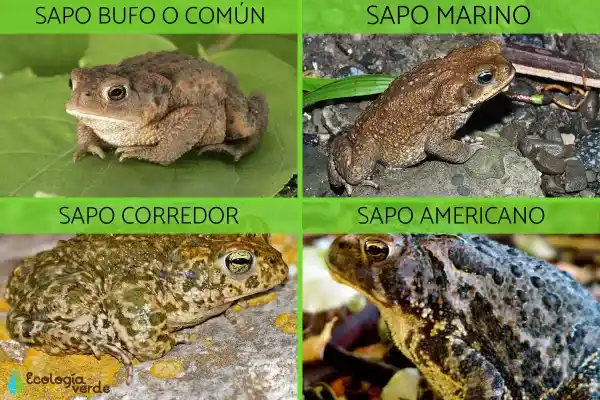
There are many species of poisonous toads worldwide, which can be classified into different categories based on their activity time (diurnal or nocturnal), habitat (terrestrial, aquatic, arboreal), and potency. You may have heard of the European common toad (Bufo bufo) and the **running toad (Epidalea calamita)**, but there are many other representative poisonous toads belonging to the family Bufonidae:
Common toad/European toad ( Bufo bufo )
Giant tropical toad/cane toad/cane toad ( Rhinella marina )
Running toad ( Epidala calamita )
American toad ( Anaxyrus americanus )
Asian common toad ( Duttaphrynus melanostictus )
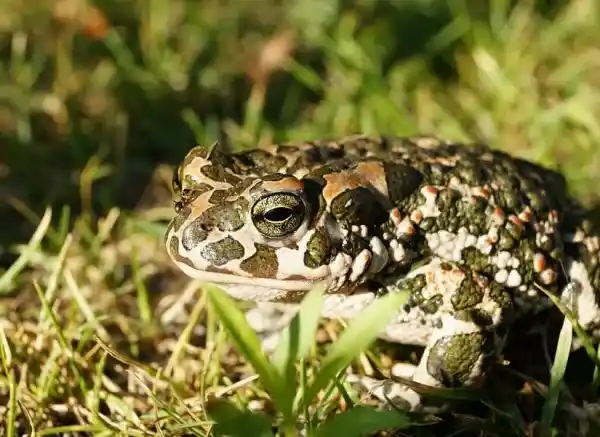
Green toad ( Bufo viridis )
The bull toad/Kuru toad ( Bufo paracnemis or Rhinella schneideri )
Sonora desert toad ( Incilius alvarius )
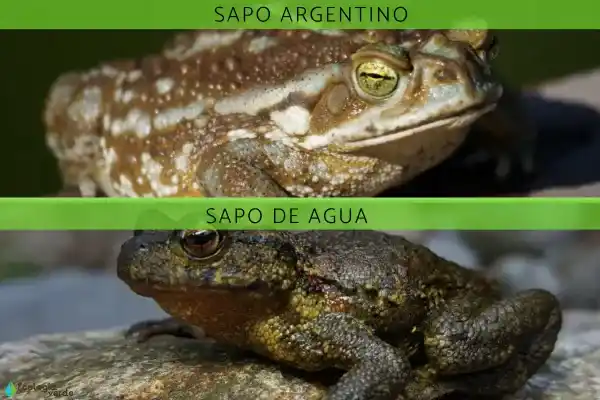
Argentine toad ( Bufo arenarum )
Water toad ( Bufo stejnegeri )
Note : Not all toad toxins are fatal to humans, but their skin secretions are often highly toxic to pets, especially dogs.

II. Are all toads poisonous?
Strictly speaking, all toads can secrete toxins through their skin , which is an important means for them to defend themselves against predators. However, the potency of these toxins varies greatly.
Highly toxic toads : Their toxins can cause severe or even fatal poisoning in humans, pets, and wild animals.
Low-toxicity or harmless toads : Although there are trace amounts of toxins in their skin secretions, they are not enough to cause significant harm to humans or pets, such as the obstetric toad ( Alytes obstetricans ) .
Therefore, it is crucial to correctly identify species and avoid categorizing all toads as highly dangerous.
III. Main characteristics of poisonous toads
The venom of poisonous toads is not transmitted through bites or injections into their prey; instead, they rely on toxic substances secreted by special glands in their skin for defense. Their toxicity characteristics include:
Location of poison glands
The venom glands are mainly distributed on the skin of both sides of the head (behind the ears) and both sides of the back.
Most importantly, the parotid gland (parotoid gland) is located behind the ear ; the most venomous toads usually have well-developed parotid glands.
Venom form
It is generally a white or milky white viscous liquid.
It has a strong stimulating effect on natural enemies, which can cause pain, vomiting, or even fatal reactions.
Toxicity Seasonality
Poisoning incidents are more frequent in spring and summer (after the toads finish hibernating), especially when they are active at night, making it easier for humans and pets to accidentally come into contact with them.
Symptoms of poisoning
Contact with the venom may cause symptoms such as burning skin, redness and swelling, salivation, vomiting, difficulty breathing, muscle paralysis, and cardiac arrest.
If a pet bites a poisonous toad, its mouth should be rinsed immediately and the pet should be taken to a veterinary hospital.
IV. The world's most poisonous toad
Strictly speaking, the claim of "the world's most poisonous toad" is inaccurate, because the species generally considered the most poisonous is the golden poison frog ( Phyllobates terribilis ) , which belongs to the family Dendrobatidae, not the family Toadidae.
Golden poison frogs live in the tropical rainforests of Central and South America. They are brightly colored (yellow, green, blue, and even pink) to warn predators of their powerful neurotoxins.
If we only consider toads, the giant tropical toad and Sonora desert toad mentioned above are among the most venomous.
V. Misconceptions about "Toad spitting poison"
There is a folk belief that being spat on by a toad can cause poisoning, but this is completely false .
Toad toxins are found in skin secretions, not saliva.
There is a risk of poisoning only if there is direct contact with skin secretions (such as scratching with your hands or being bitten by a pet).
References
Bruna, Christian (2000) Poisonous animals: Poisonous terrestrial vertebrates harmful to humans in Spain. Journal of Entomological Hazards.
Moyano, MR et al. (2009) Acute canine bufo toxin (Bufo bufo). Electronic Veterinary Journal (Malaga, Spain). Vol. 10 (Issue 4), pp. 1-5.
Valledor de Lozoya, A. (1994) Animal Poisoning: World's Poisonous and Stinging Animals. Diaz de Santos, SA.