A wide variety of ecosystems exist worldwide. They differ due to variations in climate, biological composition, and geographical conditions, such as tundra, temperate forests, deserts, savannas, and grasslands.
This article will focus on grassland ecosystems , introducing their definition, classification, typical animals, and climate and vegetation characteristics to help you gain a comprehensive understanding of this unique biological community.
What is a grassland ecosystem?
Grasslands are terrestrial biomes dominated by herbaceous plants, possessing unique climatic, vegetation, and faunal characteristics. They are widely distributed throughout the world, including:
Southern Africa
South America (such as Argentina)
North America (Great Plains region)
Australia
Central Eurasia
Grasslands receive relatively little rainfall but are rich in biodiversity. Their climate exhibits both temperature variations similar to that of forests and arid characteristics shared with deserts.
Types of grasslands
1. Tropical grassland
Distribution areas : Africa, Australia, etc.
Climate characteristics : Only two seasons – a short rainy season (abundant rainfall) and a long dry season (very little rainfall).
Typical animals :
Africa: Lions, cheetahs, zebras, giraffes, wildebeests, etc.
Australia: Kangaroos, emus, wombats, etc.
2. Temperate grasslands
Distribution areas : Asia, Argentina, North American Great Plains.
Climate characteristics : hot summers and cold winters; annual precipitation between 25 and 75 mm.
Typical animals :
Saiga antelope (one of the world's rarest antelopes)
groundhog
Various rodents
Large herbivores such as antelopes and bison
Grassland animals (list and information of representative species)
The grasslands have fostered a rich community of animals, including wild predators, large herbivores, and domesticated livestock:
Fox : A small to medium-sized predator with a broad head and relatively large ears.
Steppe owls (barn owls, etc.) : Nocturnal birds of prey that feed on small birds, rodents, and insects.
Ducks : They are commonly found in grassland wetlands and feed on larvae, worms, and aquatic insects.
Weasel (a type of weasel) : with a slender and agile body, it has an extremely strong hunting ability.
Deer : They are large animals, with males having long antlers, and are typical large herbivores on the grasslands.
Bison (North American bison, European bison, etc.) : The largest mammals on the American prairie, usually docile, but can become highly aggressive when threatened.
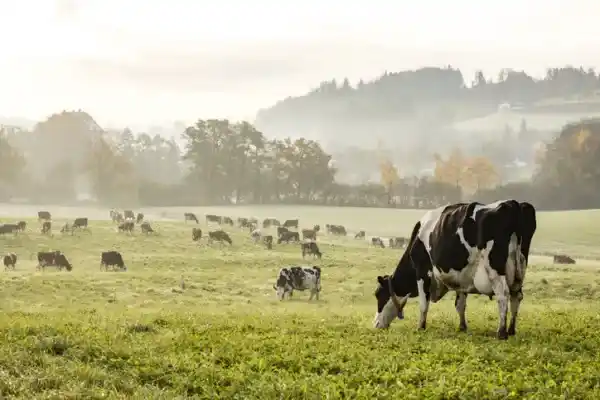
Cattle : As livestock, they are widely raised by humans and grazed in herds in grassland areas.
Goats : Common livestock in grasslands and mountains, highly adaptable, and can live in high-altitude areas.
Armadillos : They have a unique carapace that combines features of both mammals and reptiles.
Meerkats : Small mammals that live in groups and are agile and active.
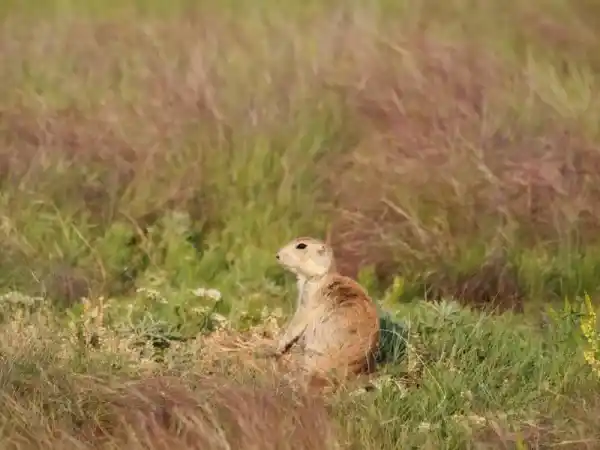
Prairie dogs : rodents found on the North American and Mexican prairie, living in gregarious burrowing systems.
Horses : Typical large herbivores of the grasslands, including both wild populations and domesticated horses.
Grassland climate and vegetation
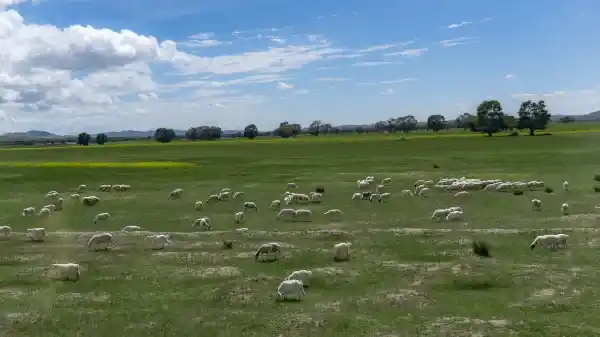
Climate characteristics : Semi-arid climate, with cold winters and hot summers, and precipitation varies greatly with the seasons.
Vegetation adaptability :
Dormant period : When there is insufficient rainfall, the growth of herbaceous plants stops.
Growing season : When the rainy season arrives, grasses and wildflowers grow rapidly.
Differences between North and South : Grassland vegetation is denser and species diversity is higher in the Southern Hemisphere.
Typical vegetation : reeds, sunflowers, clover, and various grasses.
Summarize
Grasslands, as a widely distributed and important ecosystem on Earth, possess rich flora and fauna communities. They not only support spectacular groups of wild animals, such as lions, zebras, bison, and prairie dogs, but also provide conditions for the development of human agriculture and animal husbandry.
However, grasslands are also very fragile and vulnerable to climate change, overgrazing, and human development . Protecting grassland ecology and animal diversity is not only crucial for maintaining natural balance but also for ensuring sustainable human development.