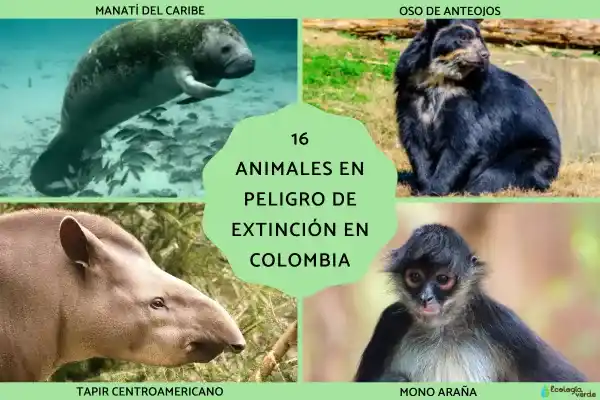
Colombia is renowned for its astonishing biodiversity, boasting approximately 10% of the world's species and being designated a "megadiverse" country. However, over 1,200 Colombian endemic species are endangered or vulnerable (and data is insufficient for others). The following section outlines 16 animals facing extinction in Colombia , providing basic characteristics, habits, and major threats to help readers understand the urgency of conservation efforts.
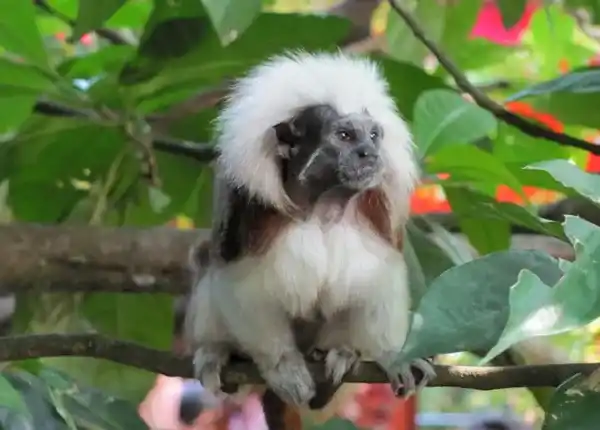
1. White-crowned tamarin ( Saguinus oedipus )
Overview : A small New World monkey weighing about 500 grams, found in the rainforests and forests of northwestern Colombia; diurnal.
Appearance : Its striking white crest feathers on its head make it highly recognizable.
Diet : Fruits, tender leaves, nectar, insects, lizards, etc.
Behavior : Strongly territorial, commonly found in groups of around 20 individuals; can communicate through approximately 40 different calls.
Threats : Habitat destruction and illegal pet trade ; listed as critically endangered species.
2. Sea turtles (group)
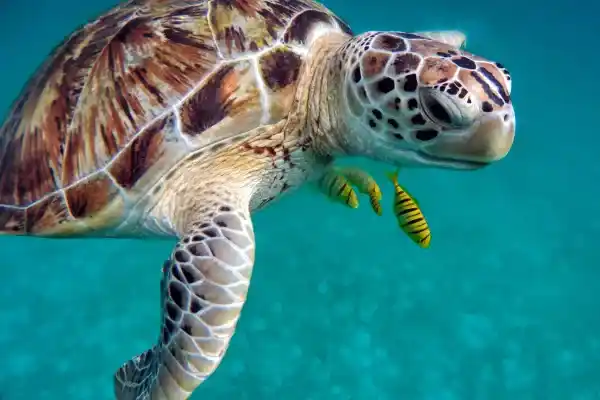
Six species of sea turtles can be found in the waters off Colombia: hawksbill sea turtle ( Eretmochelys imbricata ), green sea turtle ( Chelonia mydas ), leatherback sea turtle ( Dermochelys coriacea ), red sea turtle ( Caretta caretta ), olive ridley sea turtle ( Lepidochelys olivacea ), and black sea turtle ( Chelonia agassizii ).
Major threats include marine pollution, coastal development and destruction of spawning grounds , entanglement in ships and fishing nets, and consumption of turtle eggs . Hawksbill turtles face a particularly severe crisis in many areas.
Key conservation areas : conservation of spawning beaches, improved fishing gear (TEDs), combating smuggling, and public education.
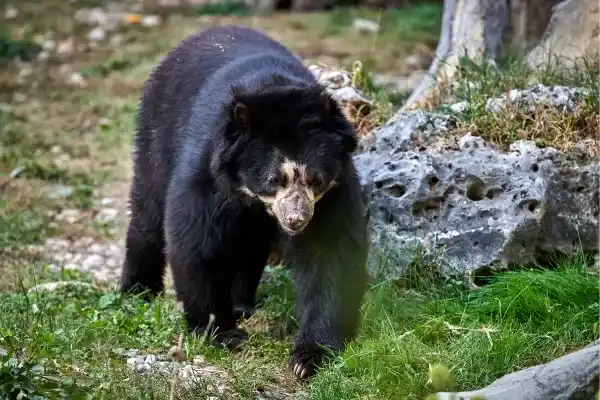
3. Spectacled Bear (Andean Bear) *Tremarctos ornatus*
Overview : The only bear species in South America, found in the Andean forests; recorded in Colombia, Venezuela, Ecuador, Peru, Bolivia, and other countries.
Ecology : Omnivorous with a preference for plant-based foods, often resting or storing food in trees; food supply is relatively stable, and they do not hibernate .
Activities : Mostly daytime or nighttime.
Current status : It is estimated that there are only about 8,000 individuals left in the wild, classifying them as vulnerable/threatened .
Threats : expansion of agricultural frontiers, habitat fragmentation, and human-bear conflict.
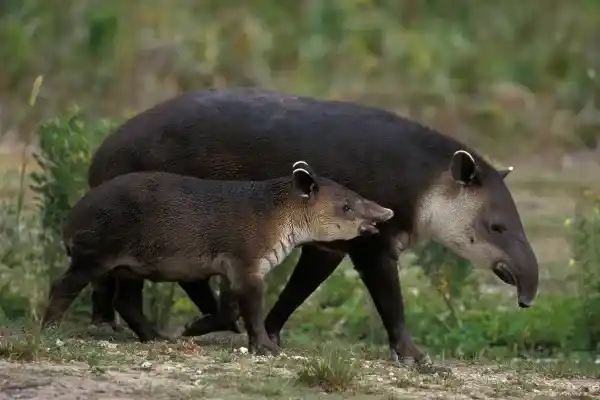
4. Central American Tapir (Taperibernii) Tapirus bairdii
Overview : One of the largest terrestrial mammals in the Neotropics, living in humid tropical rainforests; a good swimmer.
Appearance : The upper lip and nose are elongated into a short "nasal tube".
Behavior : Mostly solitary and territorial, they communicate using whistles and sniffers .
Threats : Deforestation and habitat loss are the primary threats; the species is still recorded in Los Cadiz National Park , Colombia.
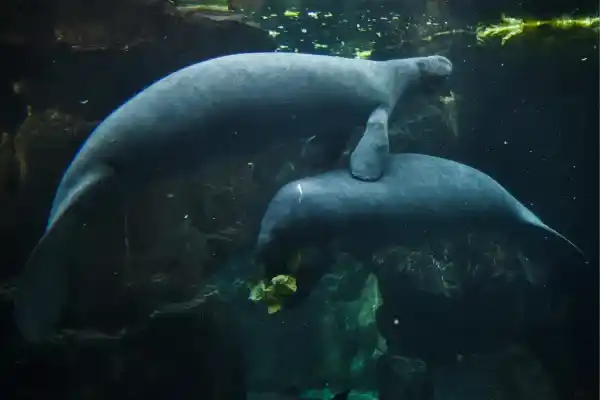
5. Caribbean manatee ( Trichechus manatus )
Overview : A large aquatic mammal that can reach up to 3 meters in length; found in the Orinoco River basin and parts of the Magdalena River .
Habits : Herbivorous, mostly solitary; mothers will hug their young to nurse, and there is also hugging behavior between individuals.
Trend : Despite slight improvement in recent years, it remains an extremely vulnerable and important native species.
Threats : Historical and present-day hunting , ship collisions, habitat degradation.
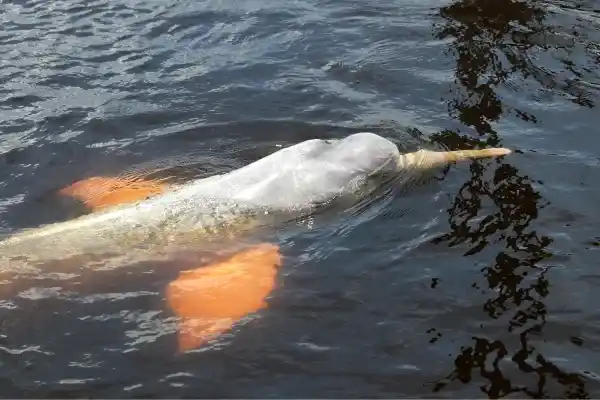
6. Pink River Pufferfish (Amazon River Pufferfish) Inia geoffrensis
Overview : One of only five species of freshwater dolphins in the world, often considered the " most intelligent " among them; its body color is pink, but can also be gray or brown.
Ecology : Inhabits the Amazon rainforest; due to the turbidity of the water, visual perception is impaired, but echolocation is highly developed; feeds on crabs, fish, and small turtles.
Data : Only 395 heads were recorded in a 1,600-kilometer stretch of the Putumayo River in 2017.
Threats : Water pollution , illegal fishing , and accidental capture.
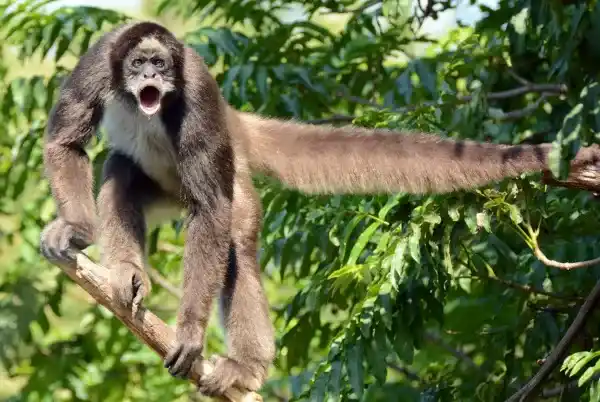
7. Spider monkey (Chococcus/Marimunda) Ateles hybridus
Overview : A New World monkey endemic to Colombia and Venezuela. In Colombia, it is found along the Magdalena River basin and in areas including César, Guajira, the Perija Mountains, Caldas, and Cundinamarca.
Diet : Mainly fruits, supplemented by tender leaves, flowers, and insects.
Social : Diurnal, groups can reach 20–30 individuals, but they usually forage and rest separately.
Current status : Listed as “Critically Endangered” since 2004 ; the main threats are habitat loss and hunting .
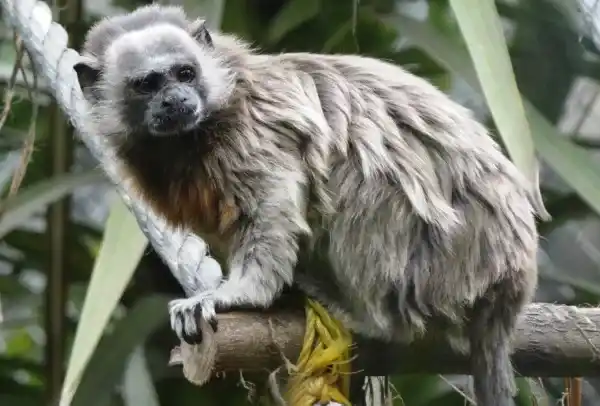
8. Grey Marmoset (Saguinus leucopus)
Overview : A common species of marmoset in northern Colombia, found in the forests along the Andes and Caribbean coast.
Behavior : Diurnal, arboreal, agile and swift , adept at leaping between trees; group size is usually 2–15 individuals; communication is mainly through vocal signals such as whistling sounds .
Diet : Primarily feeds on soft fruits, but also consumes small insects.
Threats : Habitat loss and illegal trade , leading to significant population decline.
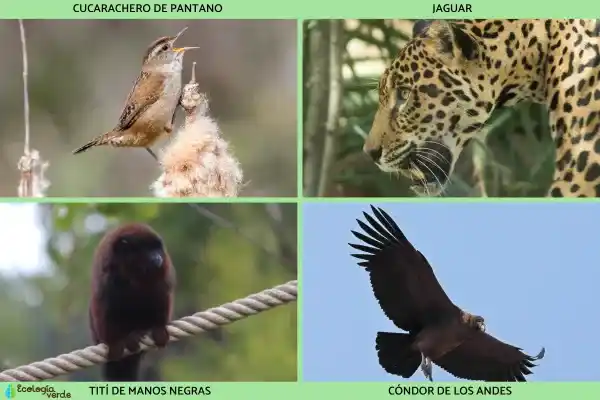
More animals in Colombia that are endangered or threatened
Marsh Wren ( Cistothorus apolinari)
Jaguar Panthera onca
Black Hand Marmoset (Calicebus medemi )
Andean condor Vultur gryphus
Puma concolor
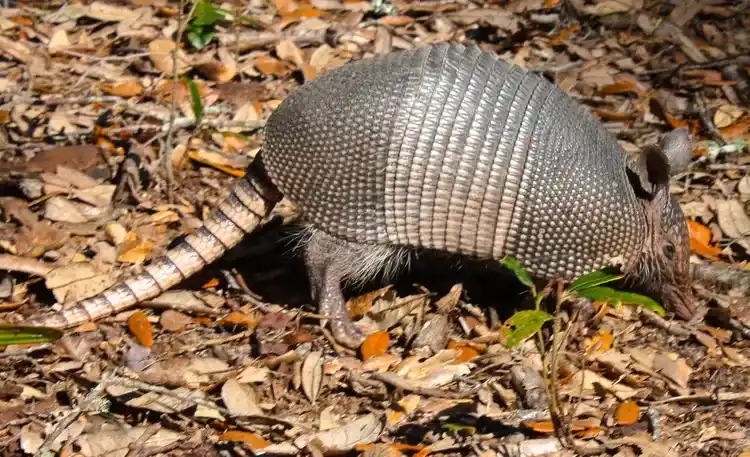
Armadillo (superfamily) Dasypodidae
Green iguana iguana
Red-footed tortoise ( Chelonoidis carbonaria )

Note: Differences in ranking may occur due to different regional lists and assessment years. The latest national/provincial red list and laws shall prevail.
How can we help endangered animals in Colombia?
Individual and community level
Pollution reduction and carbon reduction : Prioritize public transportation, reduce single-use products, and sort and recycle waste.
Respect protected areas : Comply with the regulations governing nature reserves and wildlife habitats, and avoid disturbing the breeding season.
Refuse illegal trade : Do not buy or keep wild animals or their products of unknown or illegal origin.
Report illegal activities : Report poaching, smuggling, online sales of wild animals, and other illegal activities promptly.
Preventing invasive alien species : Do not release alien species indiscriminately to avoid ecological risks.
Engage in action : Support local conservation organizations and community co-management projects as a volunteer/donor.
Science popularization : Share conservation concepts with family and friends, especially teenagers.
Policy and institutional level (initiative direction)
Habitat protection and restoration : improve protected area coverage and connectivity (ecological corridors), and restore degraded forests/wetlands/riverbanks.
Fishing and shipping regulations : Improve fishing gear and reduce accidental catches; implement speed-limited routes and "cephalopod-friendly" measures in key waters.
Enforcement and Monitoring : Strengthen anti-poaching patrols, pollution monitoring, and early warning of invasive species.
Community benefits : Promote ecotourism revenue sharing, conflict compensation and alternative livelihoods to foster coexistence between humans and animals.
Conclusion
The 16 species mentioned above are just the tip of the iceberg of Colombia's many threatened species. Protecting them is not only about maintaining ecosystem stability, but also about safeguarding humanity's shared natural heritage. Every act of rational consumption, every report of illegal trade, and every instance of scientific communication is a crucial step in ensuring these species "continue to exist."