Otters are a group of mammals belonging to the family Mustelidae (subfamily Otterinae). They possess a flexible body, short legs, and webbed feet, making them excellent swimmers. They are predatory animals and typically build nests. Otters are widely distributed, with different species found all over the world, adapted to their respective ecological environments. This article will provide you with a detailed introduction to the 12 main extant otter species, helping you gain a comprehensive understanding of this mysterious and adorable animal family.

1. European otter (Lutra lutra)
They measure 80-130 cm in length and primarily inhabit freshwater rivers and parts of the coast, but must rely on freshwater. Distributed across Eurasia and northern North Africa, they are the most widely distributed otter species.
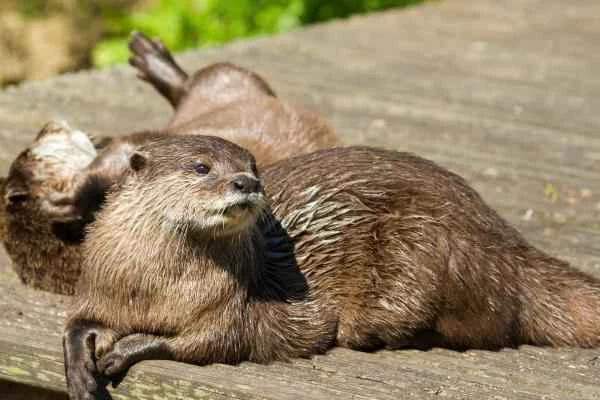
2. New World Otter (Lontra canadensis)
They are 60-100 cm long and inhabit densely vegetated rivers in North America. Their diet includes crabs, fish, and sometimes terrestrial mammals.

3. Giant otter (Pteronura brasiliensis)
Endemic to tropical South America, this species measures 1.5-1.7 meters in length and is the largest otter. It requires approximately 3 kilograms of fish daily. It is currently endangered.
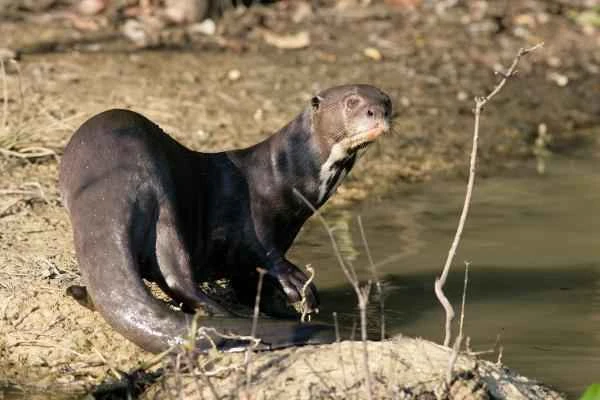
4. African otter (Aonyx capensis)
They are 100-165 cm long and are distributed in wetlands and dense forests in sub-Saharan Africa, mainly feeding on frogs, fish and crabs.
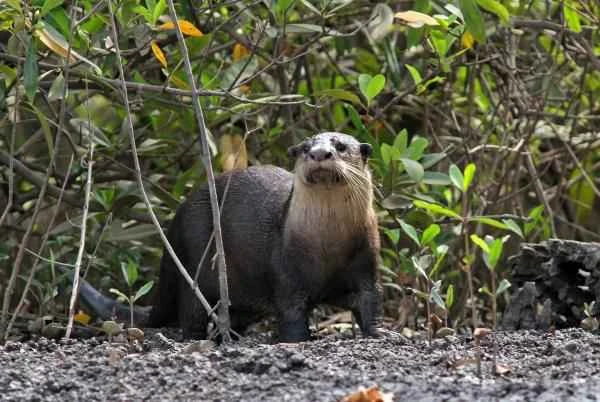
5. Small-clawed otter (Aonyx cinereus)
The smallest otter in Asia, found in India and Southeast Asia, measures 70-100 cm in length. Due to habitat pollution and deforestation, their numbers have drastically declined, and they are now on the verge of extinction.

6. Sea otter (Enhydra lutris)
Inhabiting the cold waters of the North Pacific, it possesses the densest fur among mammals and measures 1-1.5 meters in length. It feeds on fish and crustaceans and is one of the smallest marine mammals.
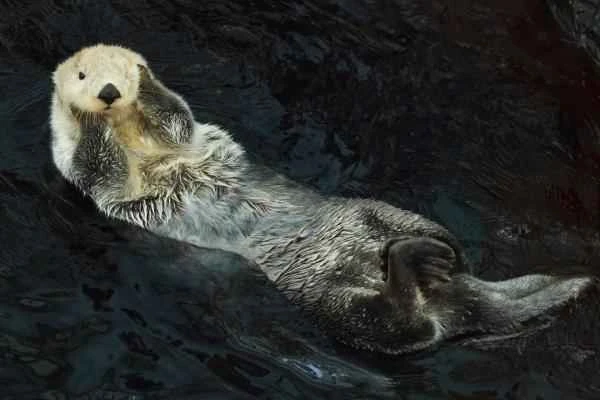
7. South American sea otter/sea cat (Lontra felina)
The only saltwater otter in South America, it lives on rocky coasts with frequent waves, occasionally venturing into the sea. Primarily terrestrial, it dives to hunt fish, crustaceans, and mollusks. Measuring 87-110 cm in length, its population is extremely small, and it faces threats from marine pollution and fishing nets.
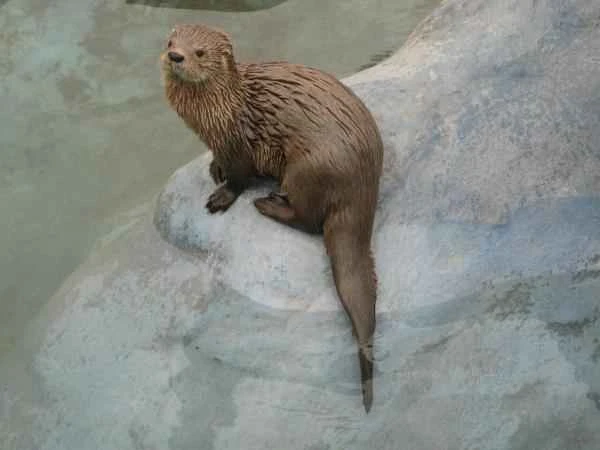
8. Spotted-necked otter (Hydrictis maculicollis)
It measures 55-76 cm in length, has white spots on its neck, and inhabits freshwater lakes in Africa. It is endangered due to habitat destruction and hunting for meat.
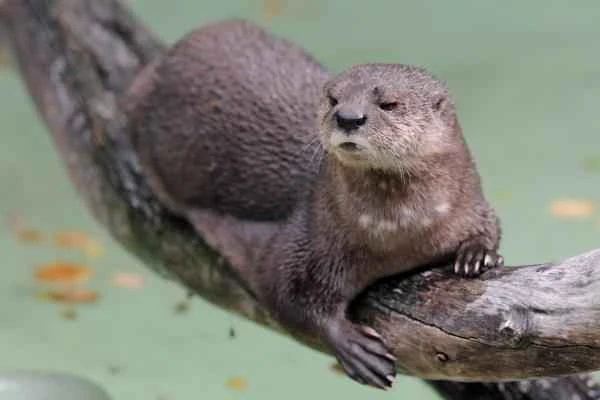
9. Neotropical Otter (Lontra longicaudis)
Its range extends from Mexico in Central America to Uruguay in South America, and it is adapted to a variety of freshwater environments, including rivers, swamps, forests, and grasslands. It has a broad diet, primarily preying on fish and crustaceans, but also eating small mammals, birds, and fruit. It faces the threat of habitat loss.

10. Southern River Otter (Lontra provocax)
They mainly live in freshwater areas of Chile and Argentina, but can also enter the ocean and saltwater lakes. They are 1-1.3 meters long, and their numbers have decreased drastically due to hunting for their skin.

11. Sumatran Otter (Lutra sumatrana)
Endemic to Southeast Asia, it was once thought to be extinct. Small groups still exist, but their habitat continues to shrink. It measures 80-130 cm in length, has a fur-covered nose, and resembles the European otter in appearance.

12. Smooth Otter (Lutrogale perspicillata)
Distributed in India and Southeast Asia, it has short, smooth fur, a flat tail, and a body length of about 1.3 meters. It is considered vulnerable due to pollution, habitat destruction, and hunting.

Conclusion
This article introduces 12 major otter species worldwide, each with unique habits and habitats. As vital members of the ecosystem, protecting otters is crucial for protecting biodiversity. If you enjoyed this article, you can also learn more about furry animals and fox species.