The Yucatan Peninsula is one of the most biodiverse regions in Mexico, encompassing the states of Yucatan, Campeche, Quintana Roo, and parts of northern Belize and Guatemala. Due to its unique geography, climate, and ecosystems, the region is home to a large number of endemic species—wildlife found only in this area. This article will take you on an in-depth exploration of six of the most representative Yucatan endemic animal species, discussing their habits, ecological roles, and conservation status.
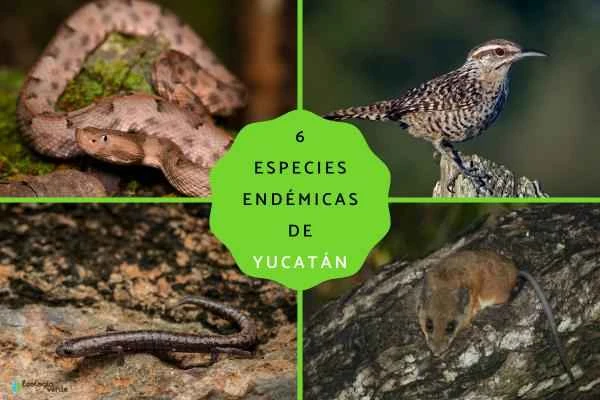
1. Yucatan hog-nosed viper (Porthidium yucatanicus)
This is a venomous snake belonging to the Viperidae family, and it is the smallest viper species in the entire Yucatan Peninsula. It is nocturnal and usually inhabits forest edges, dry scrubland, and rocky areas.
Key features and ecological value:
With its relatively short body length, it is well-suited to crawling among ground plants.
Preying on small mammals, lizards, and other snakes, they are important "biological controllers" in maintaining ecological balance.
Although listed as "Least Concern" by the International Union for Conservation of Nature (IUCN), it is classified as "Specially Protected Species" in Mexico's national list of protected species, as its habitat is being destroyed by human activities.
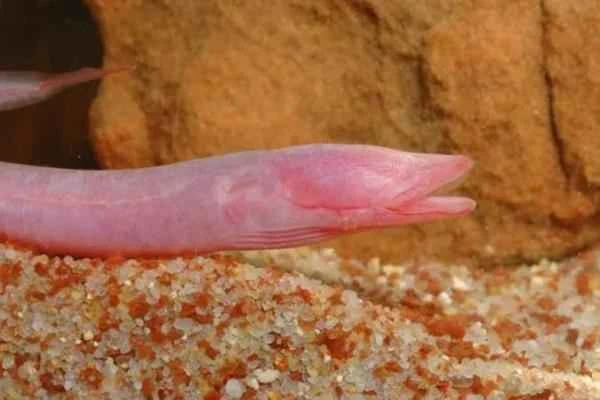
2. Yucatan hagfish (Ophisternon infernale)
This peculiar hagfish belongs to the Synbranchidae family and is a freshwater fish that inhabits the limestone cave water system and cenotes of the Yucatan region.
Key ecological information:
It resembles an eel in appearance, with no eyes at all or only traces remaining.
It can survive in low-oxygen environments by taking deep breaths.
They feed on organic detritus and benthic crustaceans.
Listed as “endangered” by the IUCN, it is a representative species of the Yucatan groundwater ecosystem.
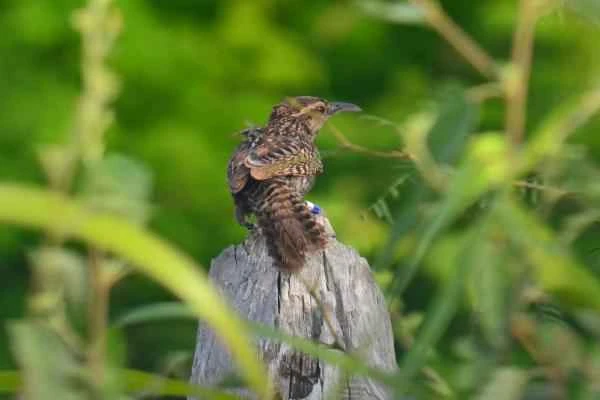
3. Yucatan Flycatcher (Campylorhynchus yucatanicus)
A small bird belonging to the Troglodytidae family, known for its paired singing. Males and females often sing simultaneously to assert their territory.
Distribution and protection status:
Its distribution is limited to the sand dune thickets and cactus forests along the northern coast of Yucatan.
They are gregarious but relatively rare, and are classified as "Near Threatened" by the IUCN and listed as an endangered species in Mexico.
Faced with the threat of habitat degradation, the government is currently advocating the restoration of native vegetation to ensure its survival.
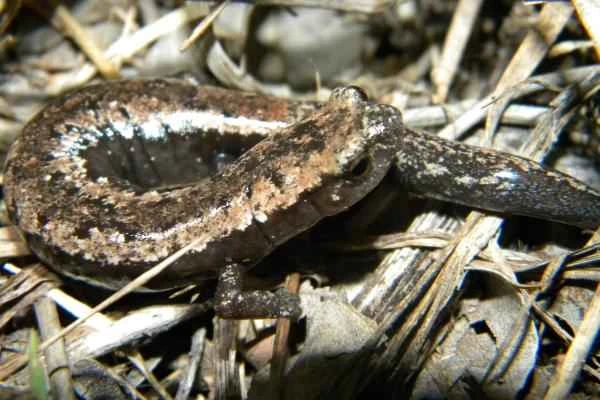
4. Yucatan tongue-shaped newt (Bolitoglossa yucatana)
This is a lungless newt belonging to the family Plethodontidae. It is small in size and has complete webbed membranes on its limbs, which adapts it to a dry environment.
Habitat and Adaptation:
They are commonly found in the humid forests of Yucatan, but can also survive on the edges of farmland, around caves and sinkholes.
It can hide among fallen leaves or bromeliads and is tolerant of moderate human disturbance.
It is listed as "Least Concern" by the IUCN, but Mexico classifies it as "Requires Special Protection".
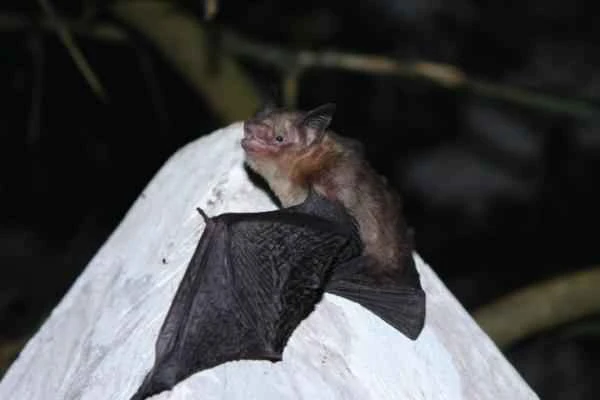
5. Yucatan Yellow Bat (Rhogeessa aeneus)
A small, widely distributed insectivorous bat belonging to the family Vespertilionidae.
Ecological role and living habits:
They inhabit evergreen or deciduous tropical forests.
With wide, short wings and high-frequency echolocation capabilities, it is adept at hunting insects within a range of 2–10 meters.
With its frequent activity and fast flight, it is a natural "mosquito killer".
Although there is no direct threat, habitat protection should still be a focus.
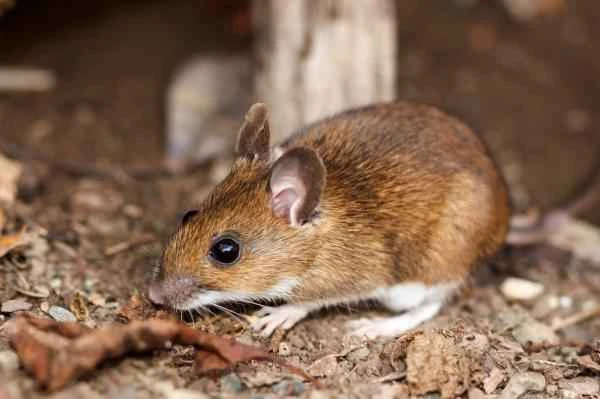
6. Yucatan mouse (Peromyscus yucatanicus)
This rodent belongs to the Cricetidae family and is a nocturnal rodent endemic to Yucatan.
Current living conditions and research value:
They are active in semi-deciduous forests and farmland shrublands, and prefer to be active at night.
They feed on fruits and seeds, but are also identified as potential carriers of certain diseases, such as Chagas disease and leishmaniasis.
Despite being rated "Least Concern" by the IUCN, its ecological monitoring and disease transmission research remain of great importance.
Conclusion: The ecological value of protecting the endemic animals of Yucatan
The biodiversity of Yucatan is not only reflected in the number of species, but also in the unique contributions of these endemic animals to the ecosystem. Whether they are predators that maintain the balance of the food chain or participants in pollination and seed dispersal, these organisms constitute an irreplaceable part of Yucatan's natural ecology.
If you would like to learn more about "Mexico's endemic animals" or "the Yucatan ecosystem," please continue to follow our website's "Wildlife Encyclopedia" section.
References
Dupuy Rada JM. 2020. Threats to biodiversity in the Yucatan Peninsula: Challenges and Research Needs. Mexican Society for Ecological Sciences. URL: https://scme.mx/amenazas-a-la-biodiversidad-de-la-peninsula-de-yucatan-retos-y-necesidades-de-investigacion/
Global Biodiversity Information Agency. Website: https://www.gbif.org/
Yucatan State Government. Website: https://www.yucatan.gob.mx/
eBird. Website: https://ebird.org/home
iNaturalist. Website: https://www.inaturalist.org/
Mexican official standard NOM-059-SEMARNAT-2010. Accessible at: https://www.gob.mx/cms/uploads/attachment/file/134778/35.-_NORMA_OFICIAL_MEXICANA_NOM-059-SEMARNAT-2010.pdf
Semarnat. 2015 Mexico Environmental Status Report. 2016. Summary of environmental statistics, key indicators, environmental performance, and green growth. Accessible at: https://apps1.semarnat.gob.mx:8443/dgeia/informe15/tema/pdf/Informe15_completo.pdf