Wolves are highly representative wild canids, mainly divided into two categories: gray wolves and red wolves. Gray wolves are diverse, with multiple subspecies, and are distributed worldwide. This article will take you on an in-depth journey through 16 major wolf species, including the gray wolf and its well-known subspecies, as well as basic information about the red wolf, helping you gain a comprehensive understanding of these apex predators.
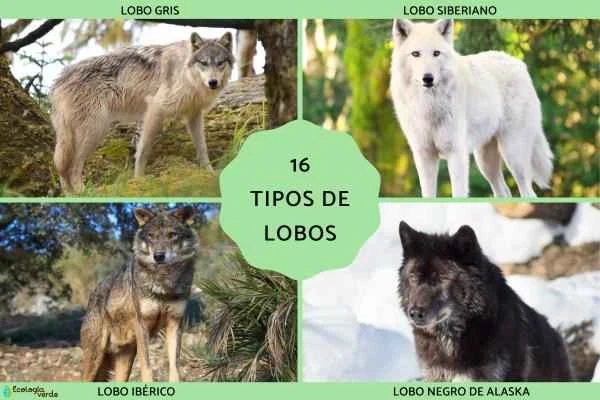
1. Gray Wolf (Canis lupus)
The gray wolf was once one of the most widely distributed mammals in the world, but is now extinct in western Europe, Mexico, Japan, and parts of the United States. Despite facing threats, gray wolves remain widely distributed in the Northern Hemisphere, with a stable overall population, and are not yet listed as a globally endangered species. Gray wolf packs are tightly structured and adapted to diverse ecological environments. They primarily prey on large wild ungulates such as elk, reindeer, deer, and wild boar, occasionally hunting livestock, as well as smaller animals and scavenging.
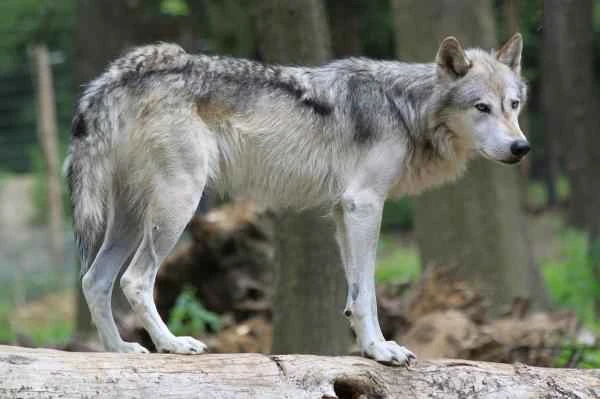
2. European Grey Wolf (Canis lupus lupus)
The European gray wolf is the most well-known and largest subspecies of gray wolf, widely distributed across Eurasia, encompassing forests, tundra, grasslands, and mountains. Its fur is coarse, with color varying depending on the region. It exhibits distinct sexual dimorphism, with females being smaller than males.
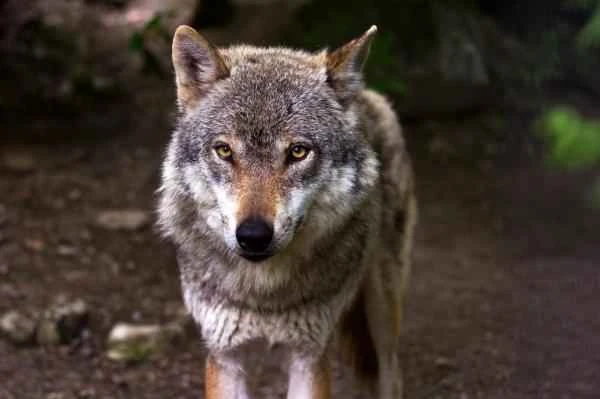
3. Arabian wolf (Canis lupus arabs)
Inhabiting desert and semi-desert regions of the Middle East, they are relatively small, measuring about 66 cm in length and weighing up to 20 kg. They are often found in pairs or small groups, have relatively long ears, partially fused toes, and do not exhibit typical wolf howling.
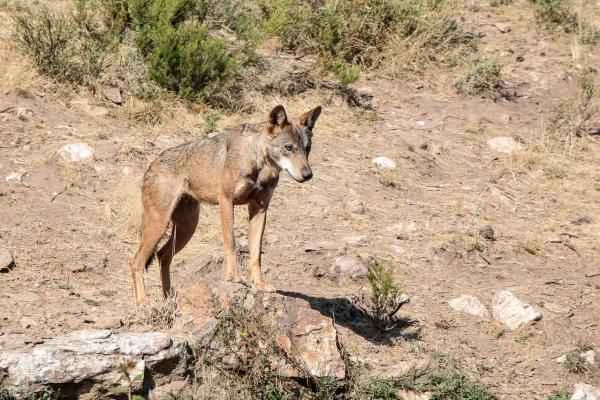
4. Siberian wolf (Canis lupus albus)
Distributed in the tundra and forests of northern Russia to Scandinavia, their long, dense, greyish-white or grey fur helps them withstand the cold. They migrate with reindeer, covering distances of 200-300 kilometers annually.
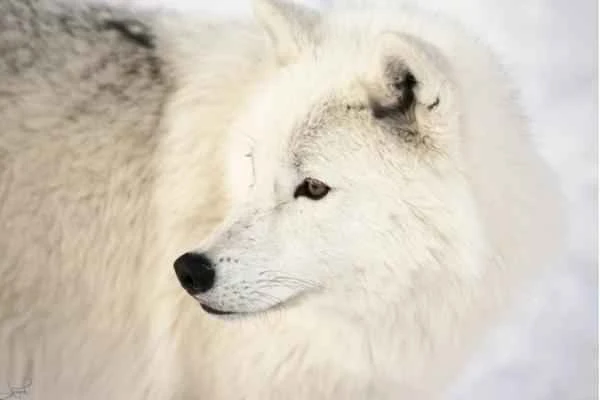
5. Arctic Wolf (Canis lupus arctos)
Found in the Canadian Arctic Archipelago and northern Greenland, it has light-colored fur and is adapted to extreme environments. Its main prey is caribou and musk ox, but it also hunts Arctic hares, snowcocks, gophers, and elk.
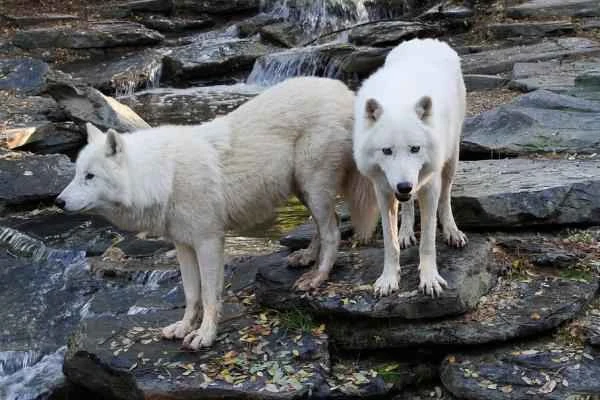
6. Mexican Wolf (Canis lupus baileyi)
A medium-sized gray wolf subspecies with brown fur, it is found in northern Mexico and the southwestern United States. Once endangered due to overhunting and habitat destruction, its population is gradually recovering through transnational conservation programs.
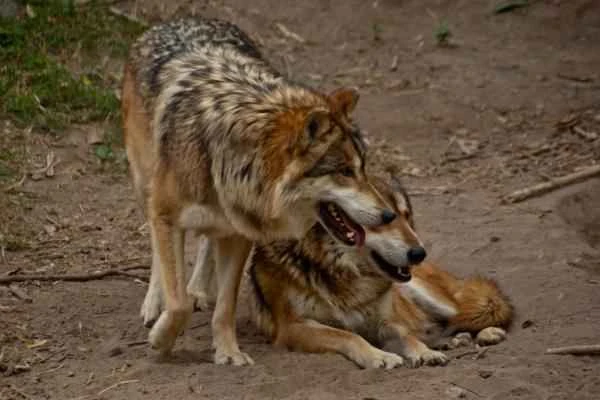
7. Indian wolf (Canis lupus pallipes)
Small in size, weighing about 25 kg, it is distributed in semi-arid regions from West Asia to India. Genetic studies suggest that it should probably be recognized as a separate species, *Canis indica*, having diverged from other wolves more than 400,000 years ago.
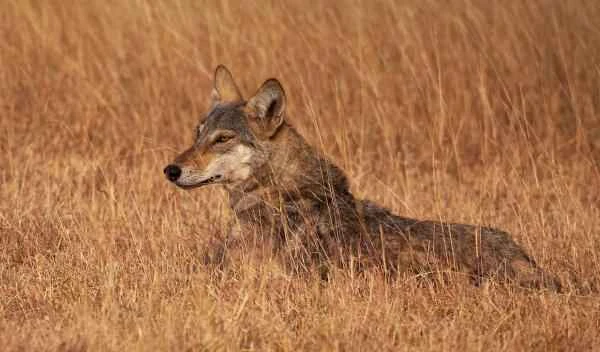
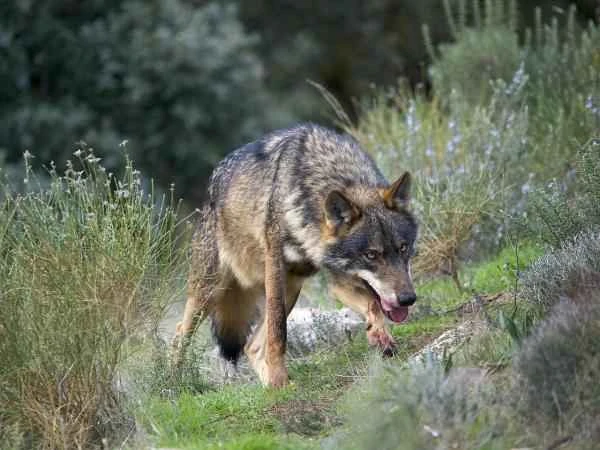
8. Iberian wolf (Canis lupus signatus)
Endemic to northwestern Spain, this species has a saddle-shaped dark patch on its back and black vertical stripes on its forelegs. Populations are relatively stable in the north but sparse in the south. It was officially listed as a protected species in Spain in 2021.
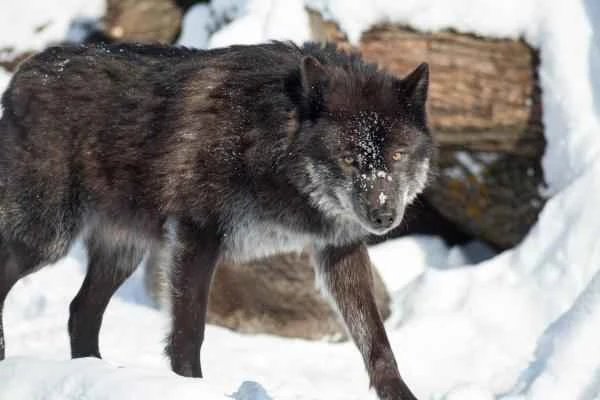
9. Alaskan Black Wolf (Canis lupus pambasileus)
Large in size, found in northwestern Canada and Alaska, with a darker coat, it is one of the largest wolf subspecies in North America. It is susceptible to canine distemper and rabies.
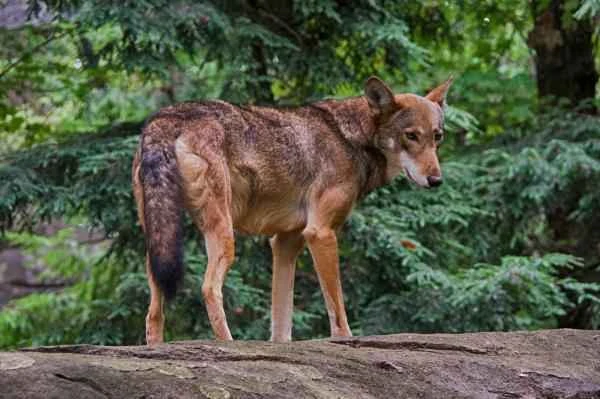
10. Red Wolf (Canis rufus)
Distributed in North Carolina and Tennessee, USA, it was reintroduced to the wild in 1987. It inhabits farmland and pine forest thickets, where food is abundant and human activity is minimal. Its origin remains controversial, possibly being a hybrid or a separate species.
11. Italian Wolf (Canis lupus italicus)
One of the subspecies of gray wolf, mainly distributed in Italy.
12. Mackenzie Wolf (Canis lupus occidentalis)
A subspecies of large North American wolf, mainly distributed in Canada and Alaska.
13. Vancouver Wolf (Canis lupus crassodon)
A subspecies endemic to the Vancouver area.
14. Greenland Wolf (Canis lupus orion)
A subspecies endemic to Greenland.
15. Baffin Island Wolf (Canis lupus manningi)
A subspecies endemic to Baffin Island, Canada.
16. Tibetan Wolf (Canis lupus chanco)
It is distributed in the Qinghai-Tibet Plateau and surrounding areas.
Conclusion
The above 16 wolf species and their subspecies demonstrate the diversity and remarkable adaptability of the wolf family. Understanding their distribution and ecological habits helps protect these top predators. For more information, please read our related articles on topics such as "The Difference Between Coyotes and Wolves".