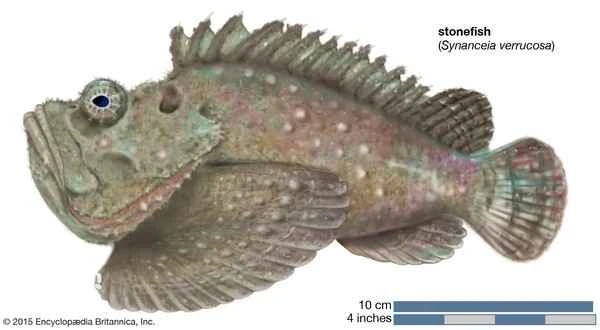
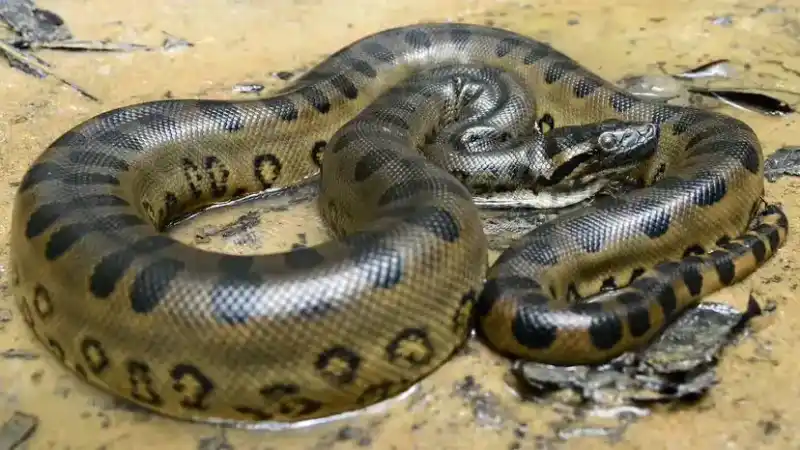
Ecuador's ecosystems are renowned for their biodiversity, particularly the Andes Mountains and the Galapagos Islands, making it one of the world's most iconic biodiversity hotspots. However, in recent years, human activities and environmental changes have severely threatened the survival of many animals, with some species now endangered or vulnerable .
This article will introduce you to 17 endangered animal species in Ecuador , including their characteristics, distribution, and the threats they face.
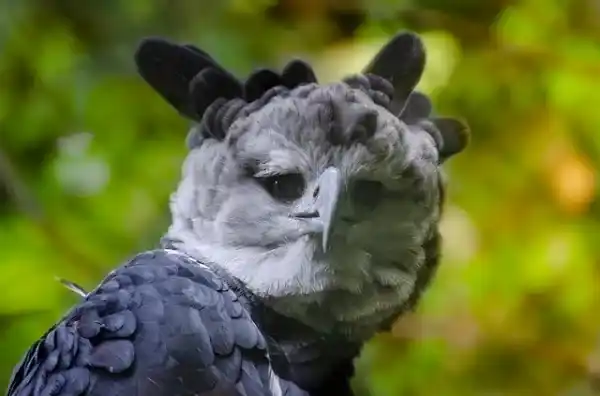
1. Andean Toucan ( Andigena laminirostris )
Physical characteristics : It is about 40 cm long, with smooth, velvety feathers, mainly gray with blue and brown mixed in, making it very attractive.
Distribution : Primarily found in the humid forests of the Andes Mountains at altitudes of 2,500–3,000 meters, as well as parts of Colombia.
Diet : Mainly fruits.
Threat : Rainforest destruction and deforestation are causing a significant reduction in habitat.
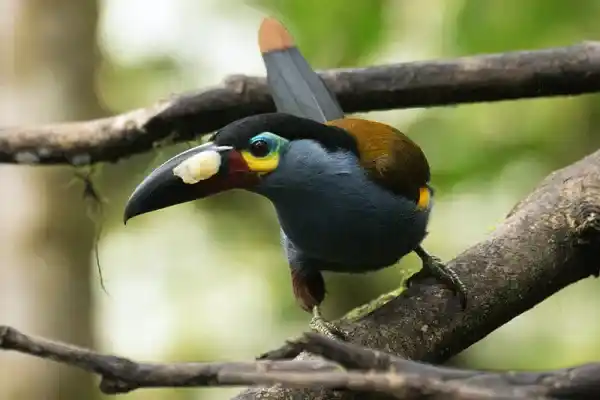
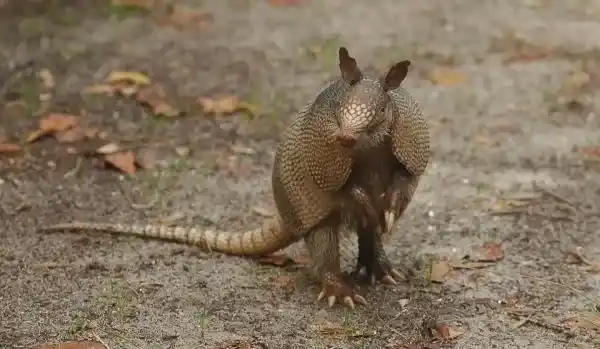
2. Giant Armadillo ( Priodontes maximus )
Size : 150–169 cm in length, weighing approximately 60 kg.
Characteristics : The body is covered with brown plates and has yellow markings on the sides; it has a well-developed sense of smell and long claws, which it uses to catch ants, termites and other insects.
Distribution : Moist forests of South America, including parts of Ecuador.
Threat : Hunted for meat and shell (used for decoration), and some individuals are captured and transported to zoos.
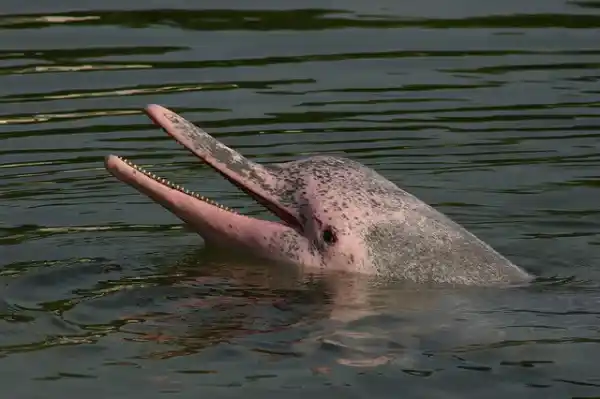
3. Amazon pink dolphin ( Inia geoffrensis )
Other names : Boto, Bufeo, Amazon River dolphin.
Appearance : Pink or light brown, some individuals are grayish-blue; body length can reach 3 meters and weight 200 kilograms.
Characteristics : It has a flexible head and poor vision, but relies on sonar (echolocation) to hunt fish, crabs, and small turtles.
Distribution : Amazon and Orinoco river basins.
Threats : entanglement in fishing nets, water pollution, and overfishing.
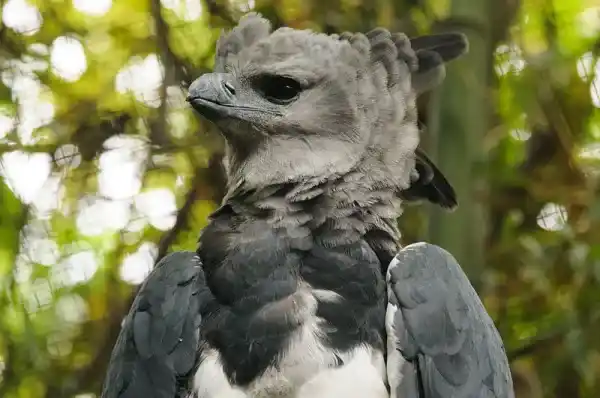
4. Harpia harpyja
Appearance : Wingspan up to 2 meters, weight 8–9 kg; feathers black and gray, head and neck light gray.
Distribution : Tropical rainforests of Central and South America.
Threats : Rainforestation and illegal hunting (as trophies or pets) have drastically reduced their numbers.
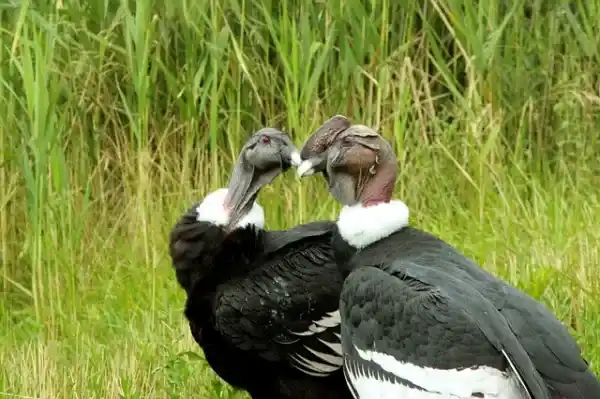
5. Andean condor ( Vultur gryphus )
Size : Wingspan over 3 meters, weight up to 15 kilograms.
Characteristics : Black feathers, with a white "collar" around the neck; males and females differ significantly in appearance.
Habits : Carrion birds, gliding high in the air using strong winds in mountainous and coastal areas.
Threats : Habitat loss, hunting by farmers and hunters.
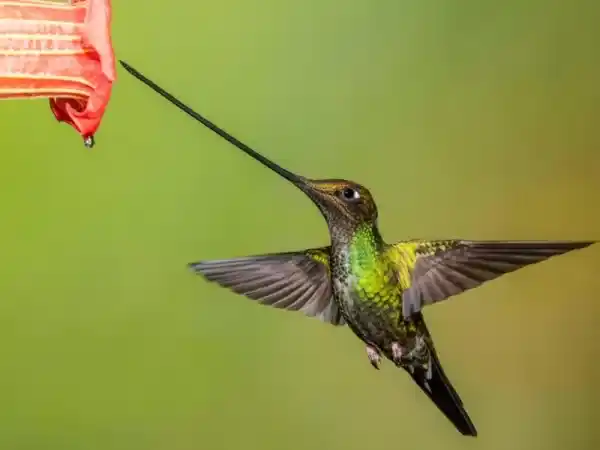
6. Sword-billed Hummingbird ( Ensifera ensifera )
Characteristics : The beak can be up to 10 centimeters long, even exceeding the body length; the tongue is extremely long and used to suck nectar.
Threats : Habitat destruction and climate change reduce its food sources.
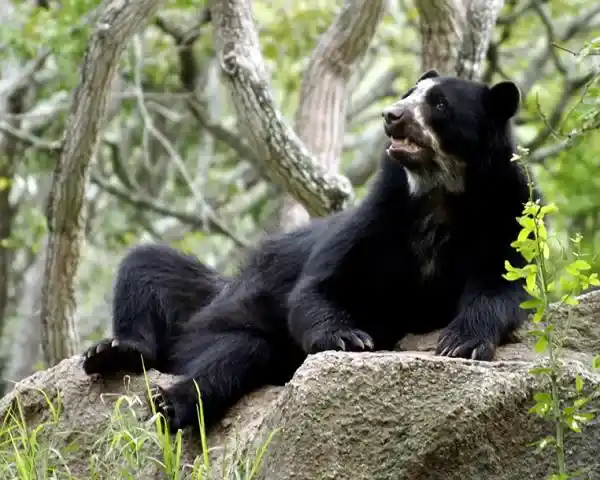
7. Spectacled Bear / Andean Bear ( Tremarctos ornatus )
Appearance : The coat is mottled, with beige markings on the chest and face, and "spectacle-like" rings around the eyes.
Size : Up to 2 meters long, it is one of the largest land carnivores in South America.
Threats : Deforestation and poaching (for fur and meat).
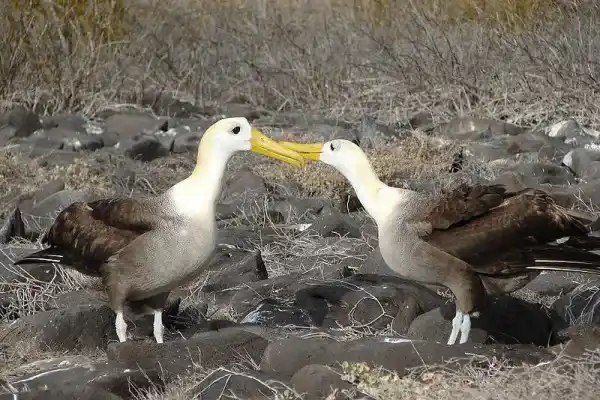
8. Galapagos Albatross ( Phoebastria irrorata )
Size : Wingspan 3.5 meters, weight 10 kilograms.
Distribution : Primarily breeds in the Galapagos Islands.
Threats : Accidental catching in fishing nets, marine pollution, climate change.
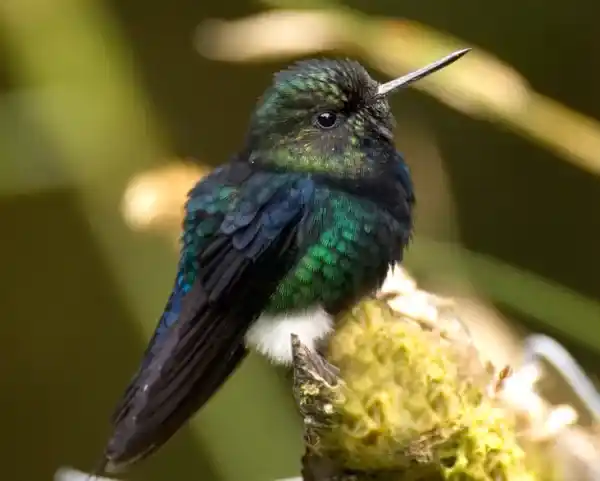
9. Black-breasted Short-tailed Hummingbird ( Eriocnemis nigrivestis )
Appearance : Body length 8–9 cm; males have a black chest and dark green feathers.
Habits : It feeds on nectar.
Threat : Habitat replacement for agriculture has led to extremely low population density.
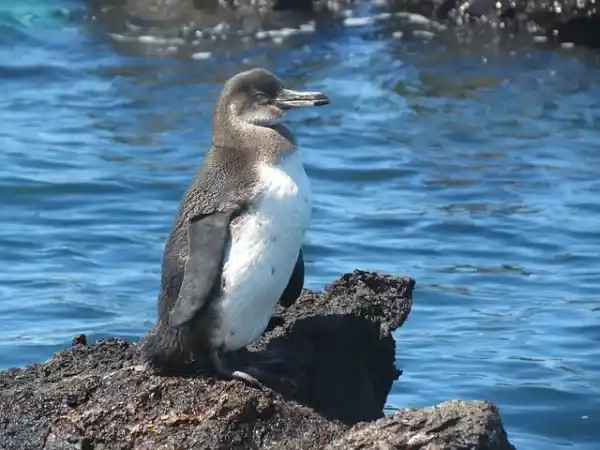
10. Galapagos penguin ( Spheniscus mendiculus )
Size : Only 20 centimeters tall and weighing 2.3 kilograms, it is one of the smallest penguins in the world.
Appearance : The head is black, with white rings from the eyes to the throat.
Threat : Global warming and natural disasters are causing habitat loss.
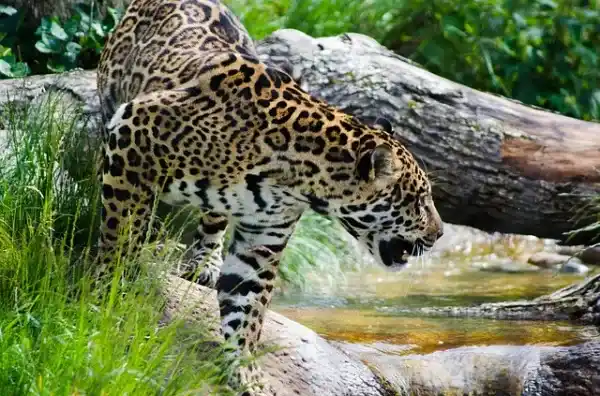
11. Jaguar ( Panthera onca )
Distribution : In western Ecuador, the population is critically endangered; in other countries, it still exists in relatively large numbers.
Threats : Poaching (fur, bones), deforestation, and farmland expansion.
Other endangered animals
In addition to the species mentioned above, Ecuador has many other animals that are endangered or vulnerable:
Green-winged Macaw ( Ara militaris )
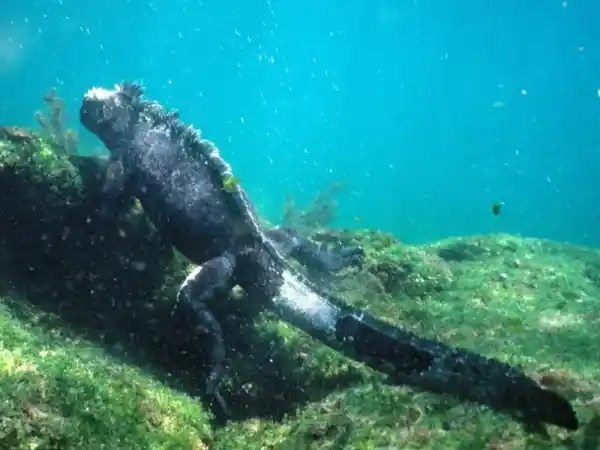
Galapagos marine iguana ( Amblyrhynchus cristatus )
Amazonian tapir ( Tapirus terrestris )
Red-tailed monkey/ Cebus
Spider monkey ( Ateles )
Andean long-nosed raccoon ( Nasuella meridensis )
How can we help Ecuador's endangered animals?
Avoid introducing invasive alien species to prevent damage to the local ecosystem.
Strengthen protection measures and establish more nature reserves.
Refuse to buy illegal wildlife products and crack down on illegal trade at its source.
Report poaching and illegal trade to enhance law enforcement and public oversight.
Join environmental organizations and support volunteer activities or conservation projects.
Summarize
Ecuador, a treasure trove of global biodiversity, is facing an ecological crisis. Protecting these endangered animals is not only a responsibility to nature but also a crucial step in safeguarding humanity's future. Only through proactive action can we prevent these precious species from disappearing forever.