In the morning, science popularization staff at the Xishuangbanna Tropical Botanical Garden noticed the grass swaying in the center of the pond in front of the museum. Approaching the pond, they found a large bamboo rat hiding in the grass, its small eyes wide with fear, looking around nervously. It was soaking wet and shivering. The staff quickly found a net and rescued it. It took considerable effort to scoop it into the net. Inside, the bamboo rat made hissing sounds, sometimes grinding its teeth, and occasionally baring its sharp, large incisors, which seemed intimidating. The staff then released it back into the wild. The plump bamboo rat slowly and leisurely disappeared into the rainforest.

Bamboo rat that accidentally fell into the pond
Upon observation, this is a wild adult female bamboo rat, weighing about 3 kilograms. Judging from the condition of the bamboo rat, it may have fallen into the pond last night.
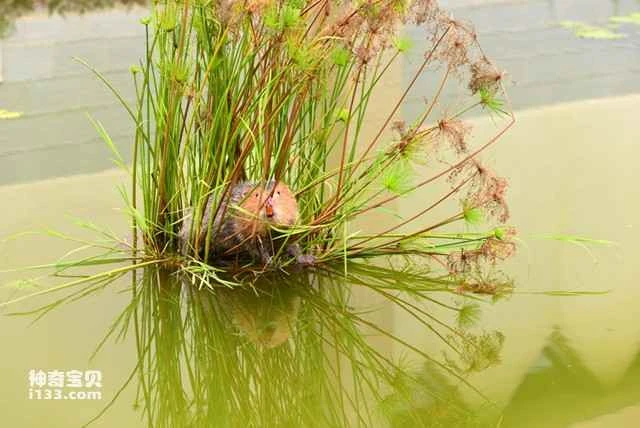
The panicked bamboo rats hid in the water plants.
In recent years, science popularization workers have rescued birds such as peacocks, grey-bellied peacocks, and swallows from this pool.
Bamboo rats, also known as bamboo ferrets, bamboo root rats, and winter-haired rats, belong to the genus *Bambusa* in the order Rodentia. They are named for their primary food source: bamboo, and are highly prized in the wild. There are a total of 3 genera and 6 species worldwide, with 1 genus and 3 species found in China. Bamboo rats inhabit tropical and subtropical forests, thickets, and bamboo groves in East Africa and southern Asia. The current wild bamboo rat population in China is relatively small, with only about 3 individuals per square kilometer.
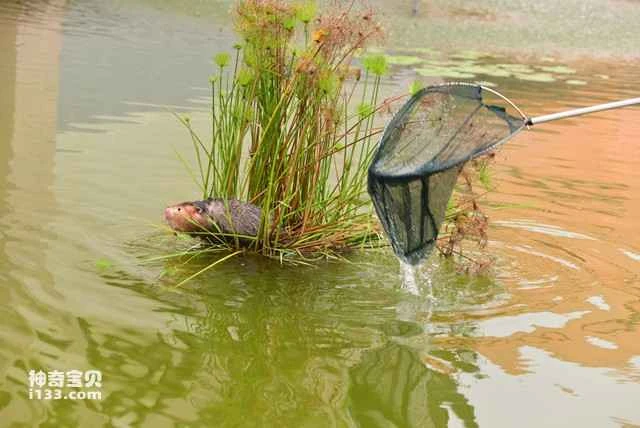
Bamboo rat catching
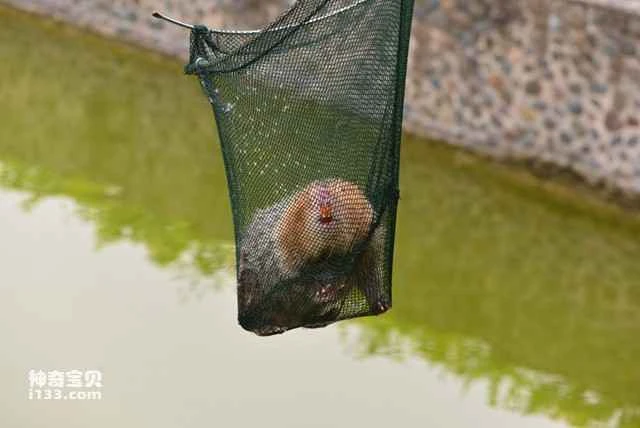
The ferocious bamboo rat was pulled out of the pond.
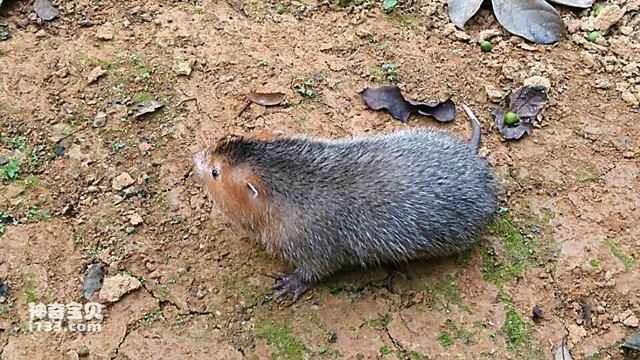
Release into nature