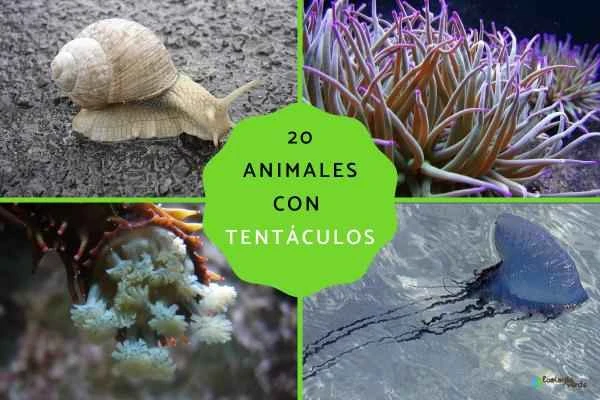
Tentacles are unique structures that some animals have evolved to help them survive and adapt to different environments. Even animals without limbs, or species living in unfavorable environments, can use tentacles to perform functions such as predation, defense, movement, or sensing their surroundings. This article will introduce 20 animals with tentacles, covering both venomous and non-venomous tentacles, and explain in detail the functions and classifications of tentacles. It is worth mentioning that tentacles are not only found in aquatic animals, but also in some terrestrial animals.
What are tentacles?
Tentacles are long, flexible appendages that serve as additional tools to help animals hunt, defend themselves, move, and even generate water currents. Some animals also use tentacles as sensory organs for their sense of smell and taste.
The main characteristics of the tentacles include:
High sensitivity
powerful muscle strength and flexibility
This muscle-hydraulic system, driven by water pressure and without skeletal support, achieves movement through contraction and relaxation.
Tentacles are commonly found in limbless animals, helping them adapt to their environment. Below, we will specifically introduce which animals possess tentacles.
20 animals with tentacles and their characteristics
1. Jellyfish (subphylum Medusa)
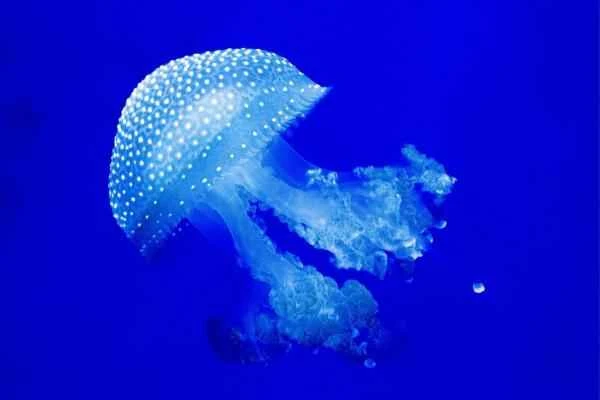
Jellyfish possess multiple tentacles suspended beneath their bell-shaped bodies. The surface of these tentacles is covered with nematocysts (stinging cells), which contain venomous stingers used to capture and paralyze prey, making them typical venomous tentacle animals. The venom of some jellyfish is fatal to humans.
2. Land snail ( Helix aspersa )
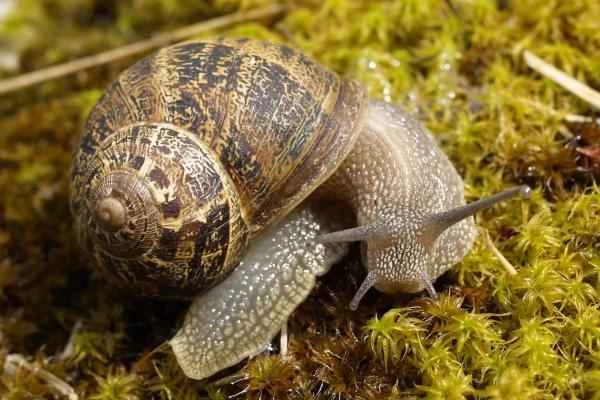
Land snails have four tentacles; two at the top have photoreceptors that function like eyes, while the other two are used for smell. When threatened, the tentacles can quickly retract to protect themselves.
3. Squid (Teuthida order)
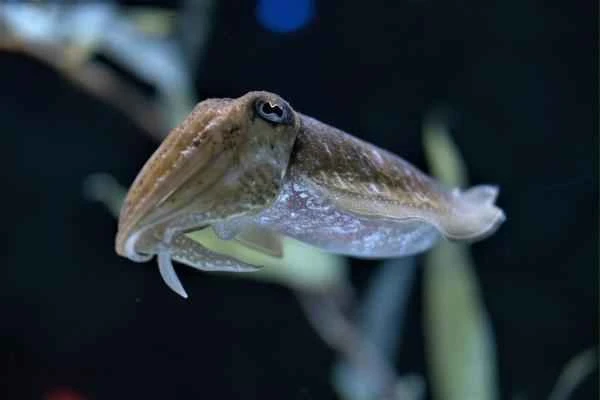
Squid have 10 arms: 8 arms and 2 tentacles. The tentacles have broad, flat ends with suckers, which they use to capture fish, other mollusks, and crustaceans. It's worth noting that octopus arms are not tentacles and do not have a dedicated predatory function.
4. Sea anemones (Actinaria order)
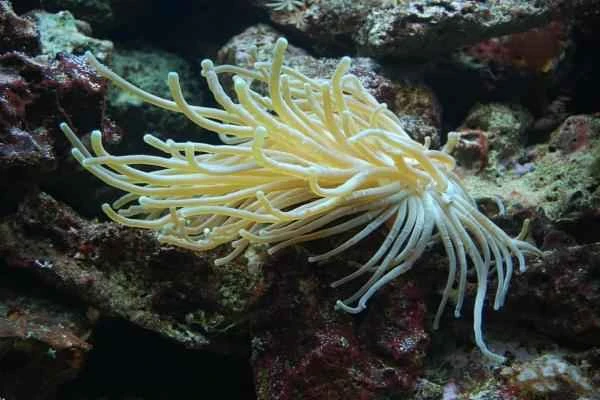
Sea anemones are close relatives of jellyfish, possessing venomous tentacles that anchor them to the seabed. The stinging cells on their tentacles rapidly release toxins upon sensing contact with prey, thus capturing it.
5. Caecilians (order Gymnophiona)
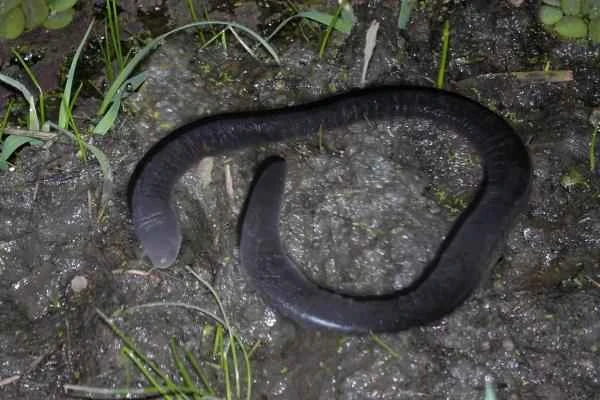
Caecilians are legless amphibians and the only amphibians with tentacles. They live underground, have degenerated eyesight, and their tentacles are located on the sides of their heads, between their nostrils and eyes, serving as their sense of smell and perception.
6. Sea cucumber (Holothuridea class)
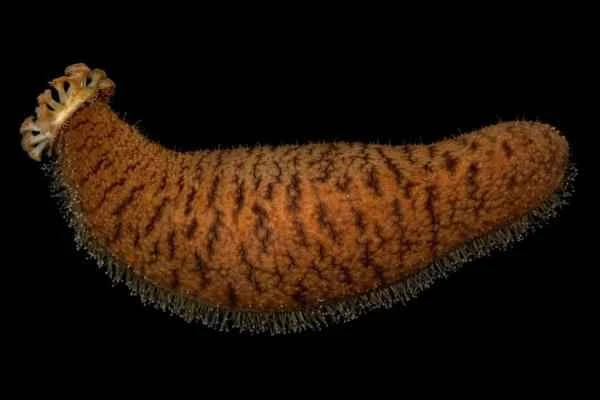
Sea cucumbers have petal-shaped tentacles surrounding their mouths, which are complex in shape and help them capture suspended objects and small particles on the seabed.
7. Portuguese warship jellyfish ( Physalia physalis )
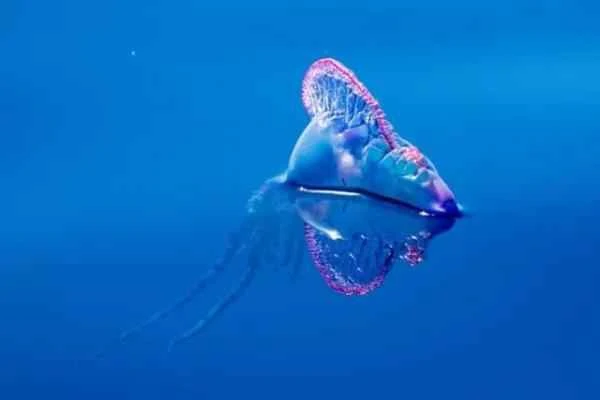
Commonly known as the Portuguese warship, this jellyfish-like creature is actually composed of multiple symbiotic colonies. It has tentacles that can reach up to 10 meters in length and carry highly venomous stinging cells, making it a notorious venomous tentacle animal in the ocean.
8. Tentacle snake ( Erpeton tentaculatum )
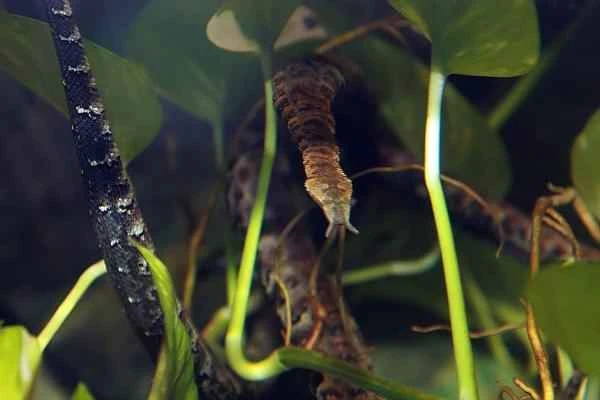
This is a rare water snake with tentacles. It has tentacles on both sides of its head, which allow it to sense water flow and, combined with its unique hunting posture, accurately capture its prey.
9. Star-nosed mole ( Condylura cristata )
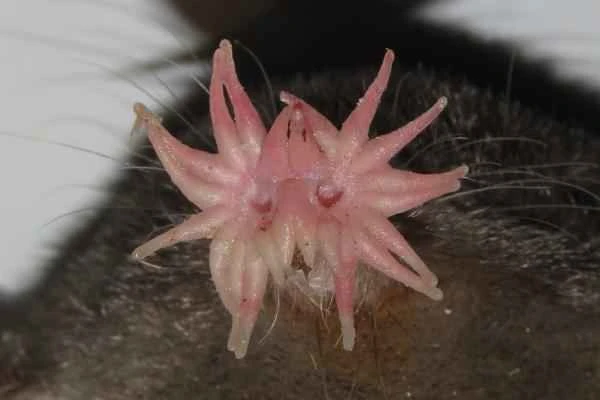
The star-nosed mole has no eyes, but has multiple flexible tentacles on its nose that allow it to quickly sense prey underground. Combined with its highly sensitive eimer organ, this enables it to react swiftly.
10. Bryophyta (Bryozoa)
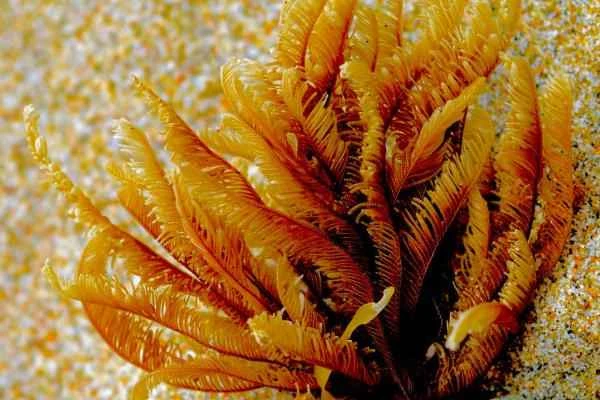
Bryophytes have crown-like tentacles (corona) on their bodies. They create water currents by waving their tentacles to capture plankton and also to aid in respiration.
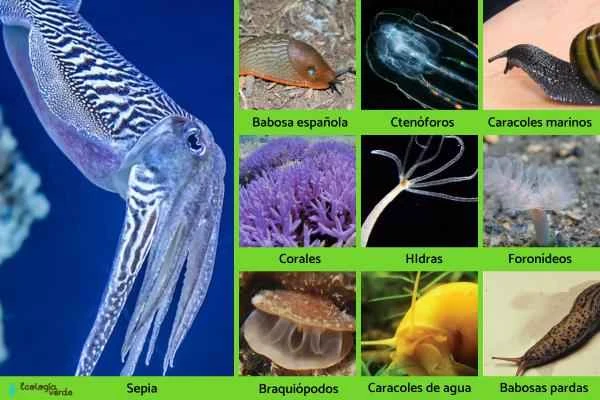
Other examples of animals with tentacles
Cuttlefish (Sepiida order)
Spanish slug ( Arion vulgaris )
Comb jellyfish (Ctenophora phylum)
Sea snails (Gastropoda)
Corals (Octagonozoa)
Hydra (genus Hydra )
Tube worms (Phoronida)
Brachiopoda (phylum)
Freshwater snails (Physidae family)
Brown slug ( Laevicaulis )
Summarize
Tentacles, as highly adaptable biological structures, are widely distributed in many invertebrates and a few vertebrates. From jellyfish in the deep ocean to cacophonous newts in underground burrows, tentacles provide them with advantages in predation, defense, and perception. This article aims to help you better understand the rich diversity of animals with tentacles.
References
Catania, KC, Leitch, DB, and Gauthier, D. (2010). Function of appendages in the tentacle snake (Erpeton tentaculatus). Journal of Experimental Biology, 213(3), 359-367.
Beatty, R., Beer, A., and Deeming, C. (2010). The Book of Nature. Dorling Kindersley, UK.