Elephants are currently the largest land animals on Earth, their robust limbs and large feet firmly supporting their massive bodies. However, some prehistoric elephants existed that were even larger. Do you know which elephant species are now extinct? This article will introduce you to ten extinct ancient elephant species, including the Nama elephant, the ancient Paleodon, the Steppe mammoth, the Baumé mammoth, the Deinotherium, the Paleodon rihi, and the Columbian mammoth. Let's explore together!
1. Nama elephant (weighing over 20 tons)
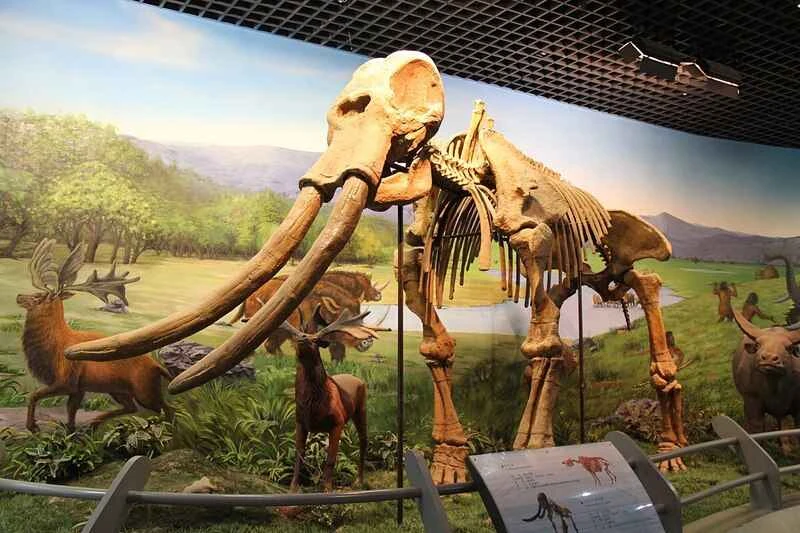
The Nama elephant was the largest of the prehistoric elephants and was once thought to be the largest land mammal. Around 200,000 years ago, they inhabited the Yangtze and Yellow River basins in China. Based on a femur fossil discovered in India in 1834, it is estimated that the Nama elephant may have been over 5 meters tall and weighed up to 20 tons, three to four times the size of modern elephants.
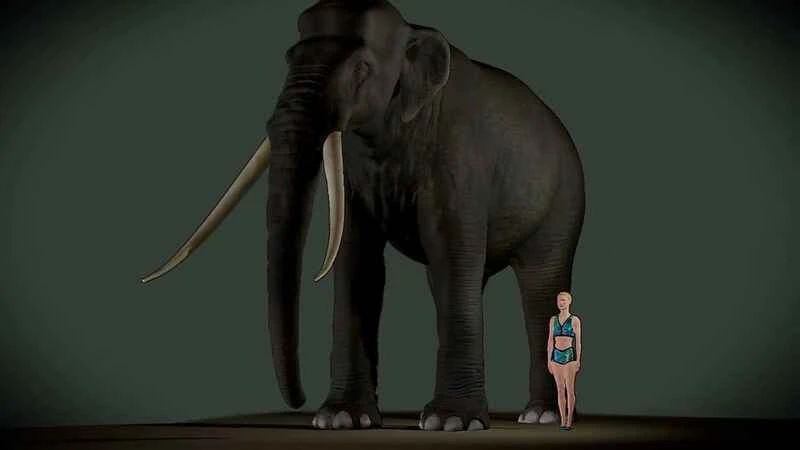
With tusks exceeding 3 meters in length, they were among the largest elephants and one of the largest recorded land mammals. The Nama elephant and other members of the Paleodon subgenus became extinct around the Late Pleistocene Quaternary extinction event, leaving no direct descendants and not being ancestors of Asian or African elephants.
2. Ancient Paleodon (shoulder height 4.2 meters, weight 15 tons)
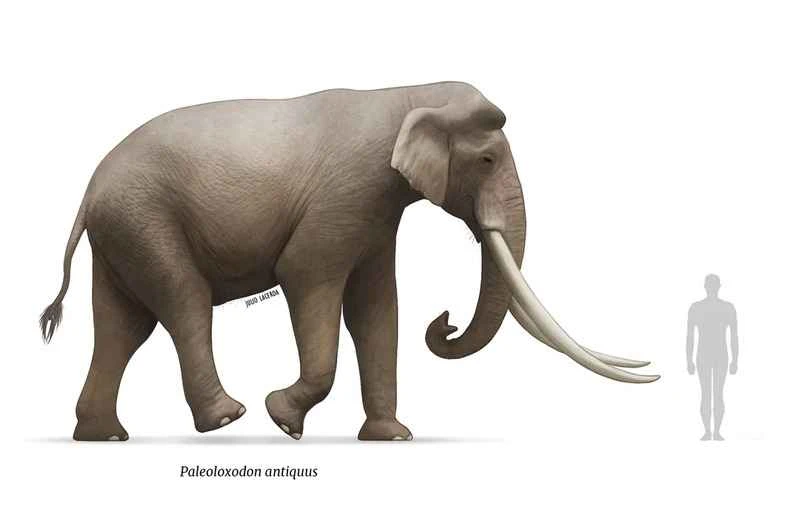
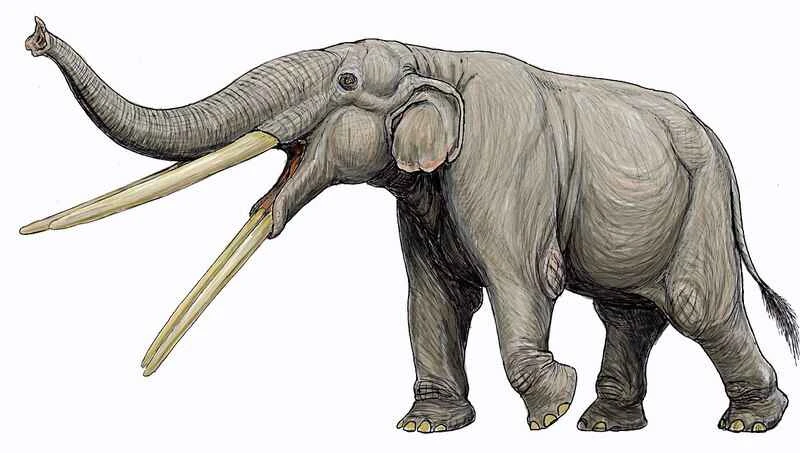
The ancient Paleodontidae is a species that evolved from Paleodontidae rubescens after migrating to Europe. Because they possessed a pair of long, relatively upright, downward-growing tusks, they are often called "straight-tusked elephants." Although not the tallest proboscis by shoulder height, its enormous body cavity made it the largest known proboscis animal, weighing up to 15 tons.
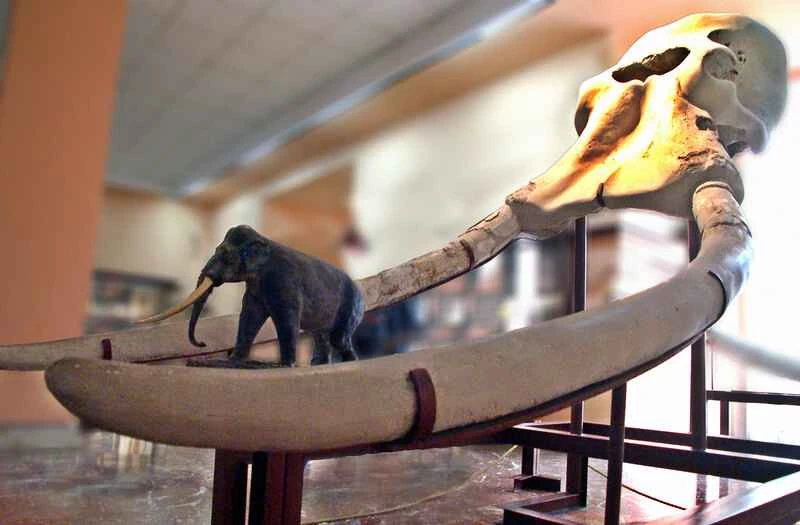
The ancient Paleodontidae primarily inhabited warm, sparsely populated steppe environments of Europe and had relatively little body hair. Its most distinctive feature was its well-developed frontal lobe, which provided additional attachment points for the neck and shoulder muscles to support its massive head.
3. Steppe mammoth (approximately 4.5 meters tall and weighing up to 14.3 tons)
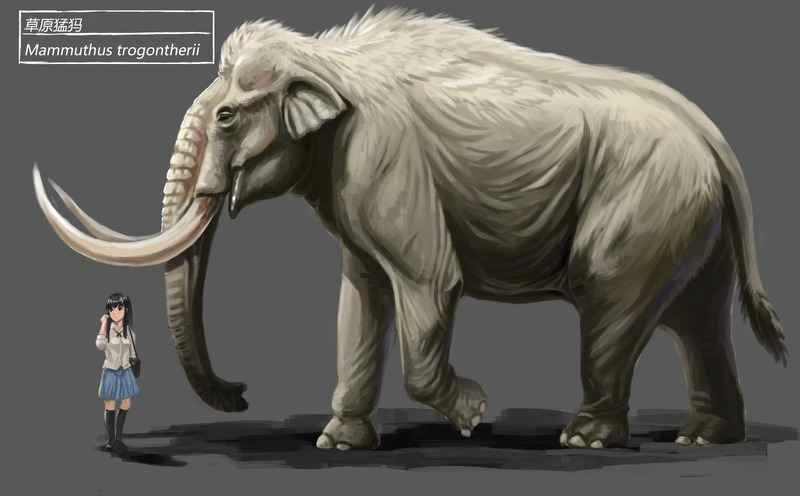
The steppe mammoth was an ancient mammal that lived in the cold northern environment and originated in China about 1.7 million years ago. This elephant was robust, with strong limbs, four toes on each foot, and an unusually large head.
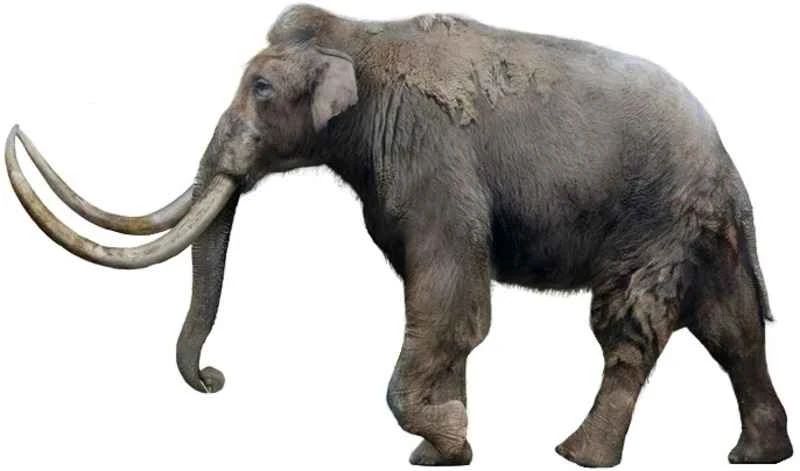
The largest steppe mammoths could reach about 4.5 meters in height, with tusks about 2.5 meters long, and weigh up to 41.3 tons, roughly three times the size of Asian elephants, making them the tallest known proboscis animals. Although their fur was sparse, or even almost nonexistent, they possessed a 9-centimeter-thick layer of fat to enhance their ability to withstand the cold.
4. Baum's mammoth (3.9-4.1 meters tall, weighing 14 tons)
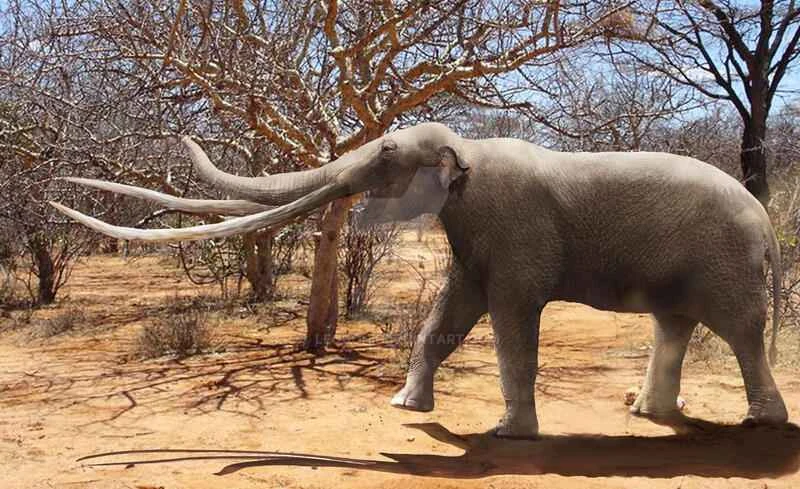
Mammoth baumé lived in Eurasia between 11 and 2.5 million years ago and is considered one of the largest candidates among the proboscis. Archaeological discoveries of relatively complete Mammoth baumé fossils indicate that they could weigh up to 14 tons and have a shoulder height of about 3.9 meters.
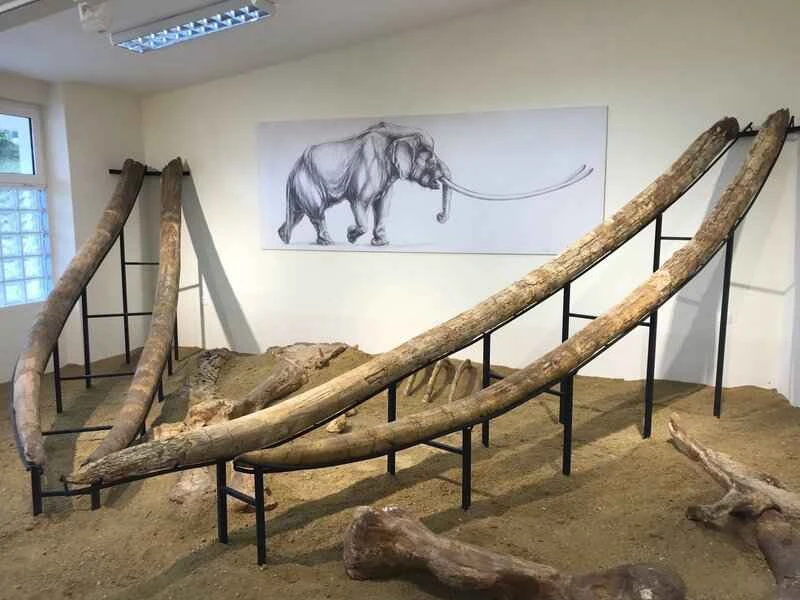
Their most striking feature is their pair of tusks, which are over 4 meters long. These are not only the longest tusks in history, but also arguably the longest teeth in the animal kingdom. Initially, this species was classified as belonging to the genus *Elephantus* within the family Shortjawed Elephantidae, but it was later reclassified into the genus *Elephantus* within the family Shortjawed Elephantidae, in the same category as the famous American mastodon.
5. Dreadnought (up to 8 meters long, 4 meters tall, and weighing up to 13 tons)
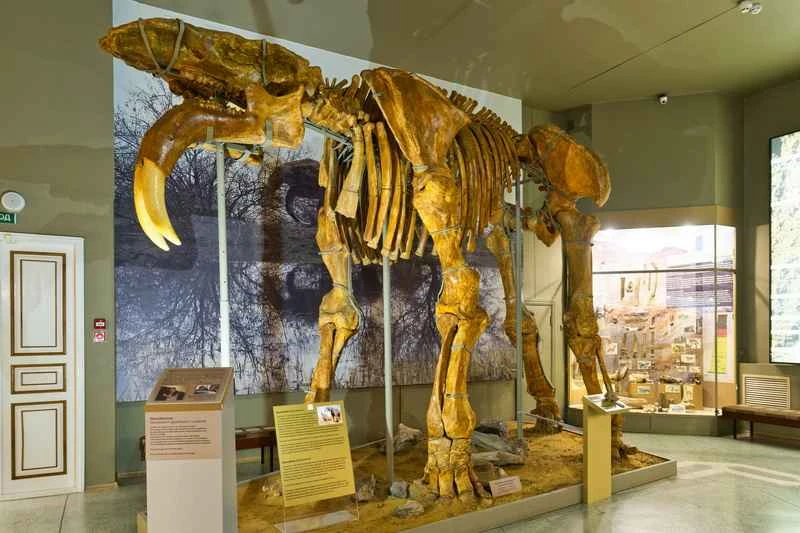
Among extinct elephant species, the Deinotherium is undoubtedly the most fearsome. This species lived from the mid-Miocene to the early Pleistocene. As early as the time of the Elephant ancestor, they began to evolve independently, diverging from other elephant species. The Deinotherium possessed a pair of distinctive downward-curving tusks on its lower jaw, primarily used for digging roots and peeling bark.
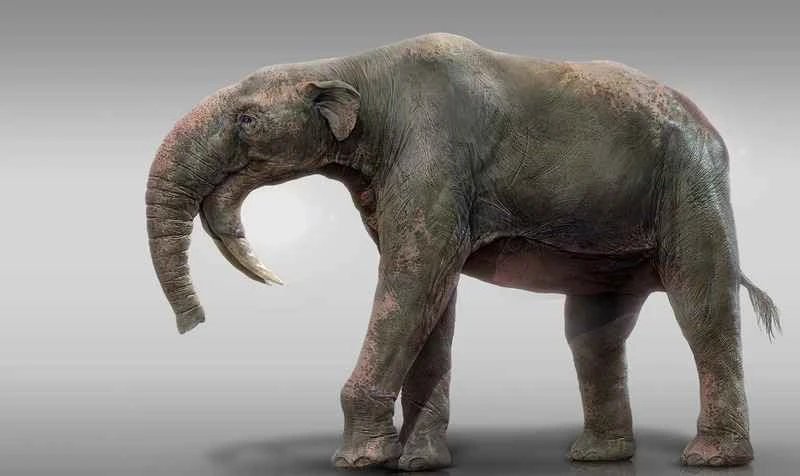
Some members of this group remain enormous, their massive size and distinctive tusks earning them the nickname "terrifying beasts." Adult deinotheres can reach 8 meters in length, 4.5 meters in shoulder height, and weigh up to 13 tons.
6. The Rhombus-tusked elephant (shoulder height 4.3 meters, weight 12.5 tons)
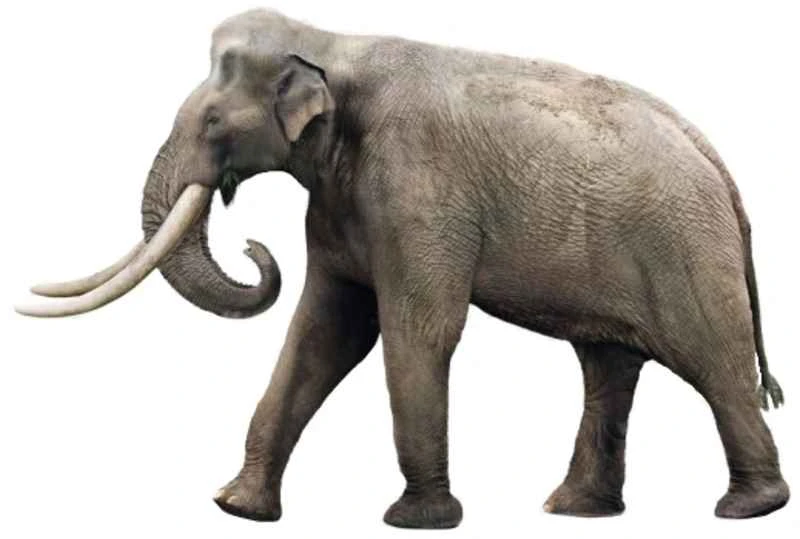
Paleodontidae, living in the early Pliocene, was a key figure in the evolution of the genus Paleodontidae and the largest land animal in Africa during the Cenozoic era. Its upper limit of size is estimated at a shoulder height of 4.3 meters, a body length exceeding 8 meters, and a weight reaching 12.5 tons, making it one of the largest species in the Proboscidea order. As the earliest member of the genus Paleodontidae, it is the most primitive species in the genus, and all later Paleodontidae species in Eurasia originated from it.
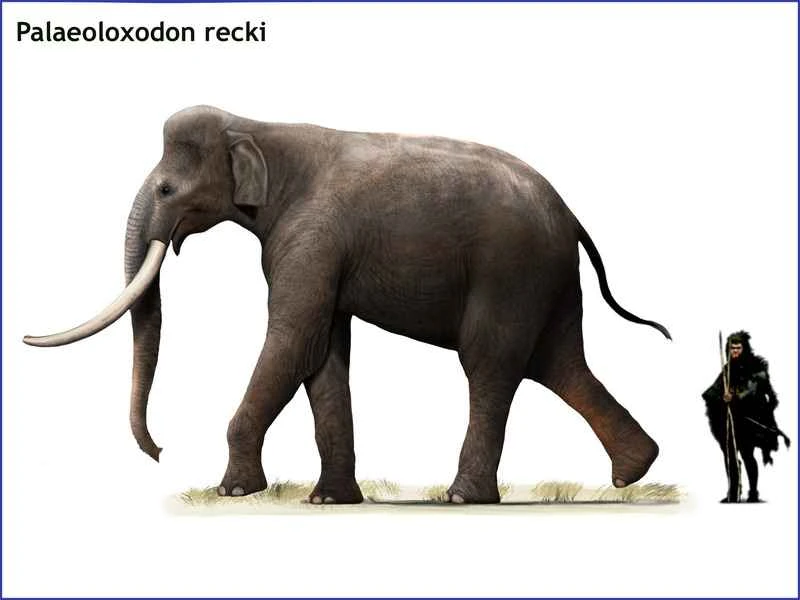
Historically, the Paleodon wrasse once dominated Africa. However, around 500,000 years ago, with the arrival of the Middle Pleistocene, the Earth entered the Quaternary Ice Age, and Africa gradually became arid. This made it difficult for this giant elephant to adapt to the increasingly harsh climate, and it eventually went extinct about 450,000 years ago.
7. Colombian mammoth (shoulder height 4.2 meters, weight 12.5 tons)
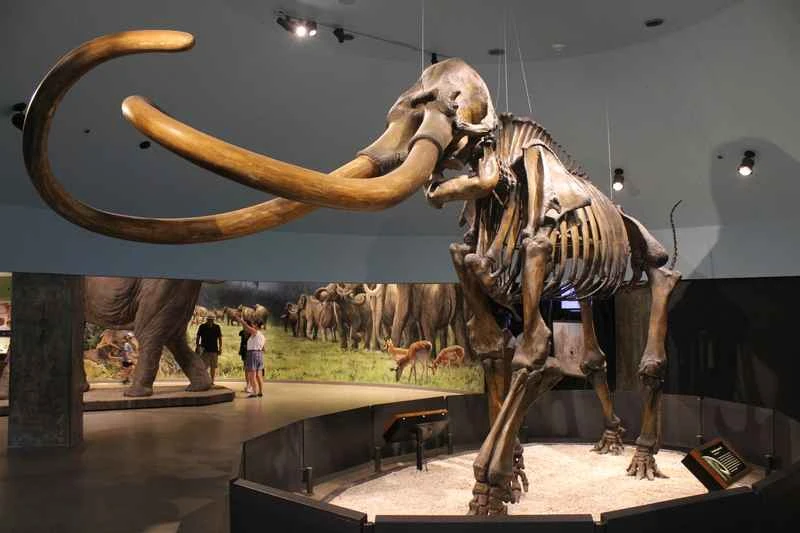
Among the ten extinct elephants, mammoths are renowned for their illustrious history, with the Columbian mammoth being the largest animal in the Americas during the Ice Age. They inhabited food-rich environments and, as adults, were virtually fearless of predators. The Columbian mammoth was enormous; males could reach a shoulder height of 4 to 4.3 meters and weigh over 10 tons, comparable in size to the steppe mammoths of Eurasia. The males' tusks were larger than the females', exhibiting a distinct spiral shape and reaching nearly 5 meters in length.
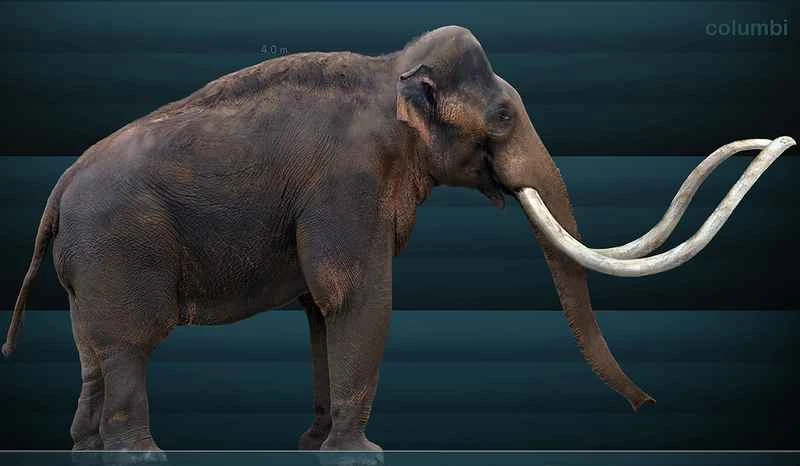
Unlike true mammoths, they had no hair. Although the Columbian mammoth is a representative animal of the Ice Age, they were actually quite sensitive to cold environments and mainly lived in the southern part of North America.
8. Yellow River Elephant (4 meters tall, nearly 8 meters long)
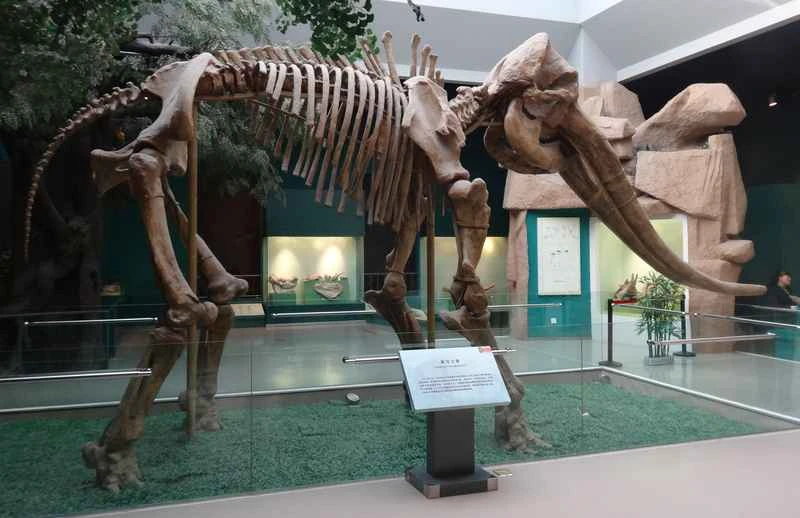
Among the ancient giant elephants, the most well-known is the "Yellow River Elephant," which is widely known through elementary school textbooks. Its scientific name is *Smilodon shigei*. This ancient elephant lived approximately 3 million years ago and was mainly distributed in the Yellow River basin region of Gansu, China.
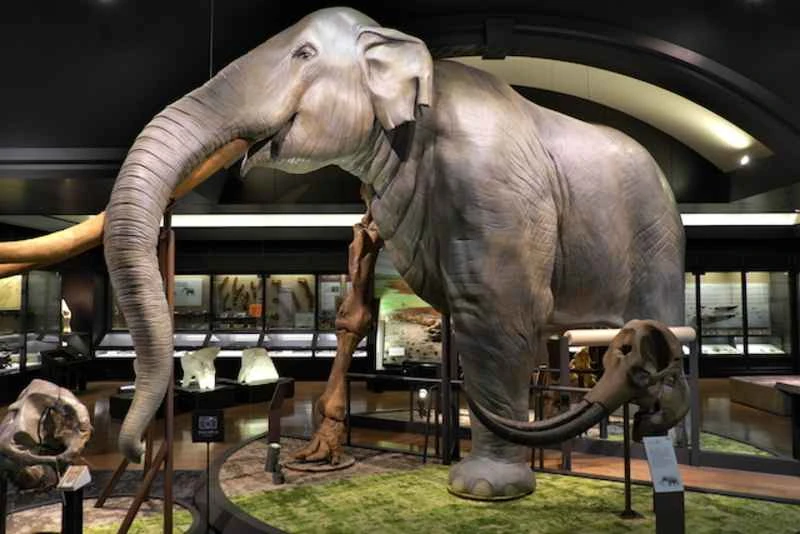
The Yellow River elephant can reach a height of 4 meters and a body length of nearly 8 meters, making it one of the largest species in the order Proboscidea. Its incisors are up to 3.03 meters long, and its tusks are about 2 meters long, resembling two long swords. Therefore, it is called the "Yellow River elephant" because it was unearthed in the Yellow River basin.
9. Sword-headed elephant (4 meters tall, weighing 11-12 tons)
Around 7 million years ago, Africa's climate had transformed into typical monsoon grasslands, where many plants grew exceptionally coarse. To adapt to these difficult-to-digest foods, proboscis gradually evolved into the elephant family, to which elephants belong. Their distinctive large molars, resembling millstones, were perfectly suited for processing hard plant materials. The earliest member of the elephant family was the sword-toothed elephant, which, although closely related to its later relatives, differed greatly in appearance from modern elephants, resembling more of a primitive tusked elephant, both possessing four tusks.
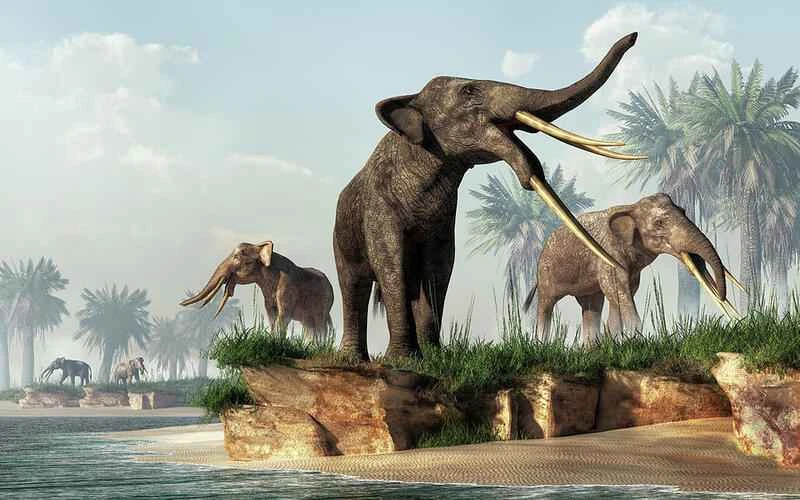
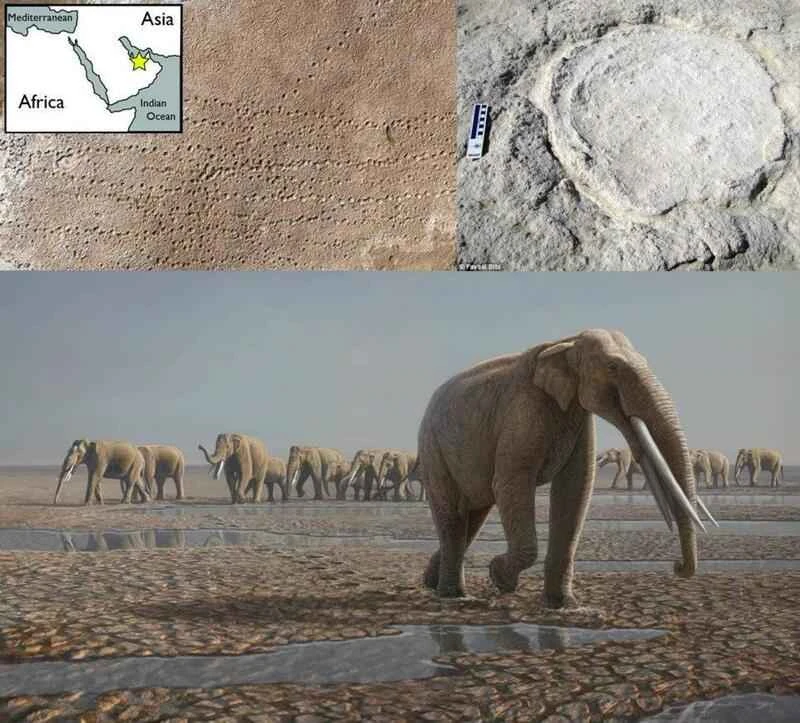
The desert tusked elephant could reach a shoulder height of 4 meters and weigh approximately 11 to 12 tons. Abundant fossils suggest they were likely the dominant species in the region. However, this species rapidly became extinct over 5 million years ago, and ultimately, only two functional tusks remained of the elephant family.
10. A real mammoth (3 meters tall and weighing about 6 tons)
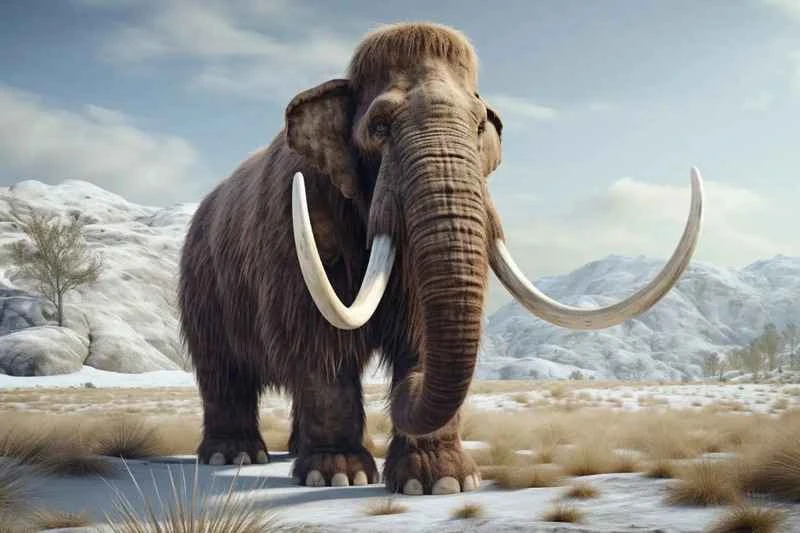
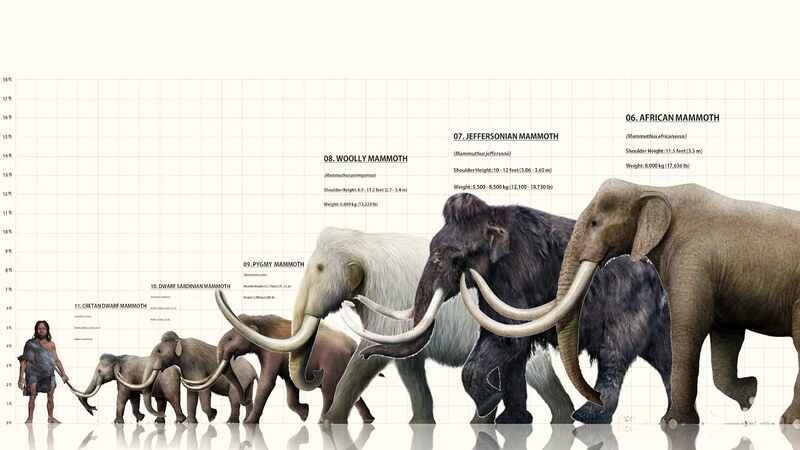
Which extinct elephant species are renowned worldwide? The mammoth, undoubtedly, is a star of the Ice Age films. People's impressions of this animal are mostly limited to its massive body, enormous tusks, and thick, long hair—these are also its most distinctive features. They were adapted to cold climates, with back hair reaching up to 50 centimeters in length. In addition, they had a layer of undercoat for insulation, and subcutaneous fat that could be up to 9 centimeters thick.
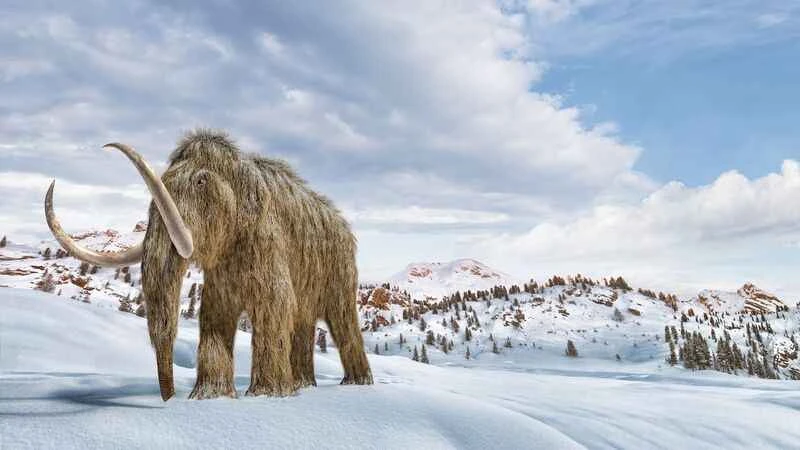
Mammoths had distinctive head features, including towering humps that could store large amounts of fat. They were enormous, weighing approximately 6 tons and reaching a height of 3 meters. Their tusks were curved and cunning, reaching up to 2 meters in length, and served as their primary defensive weapon.
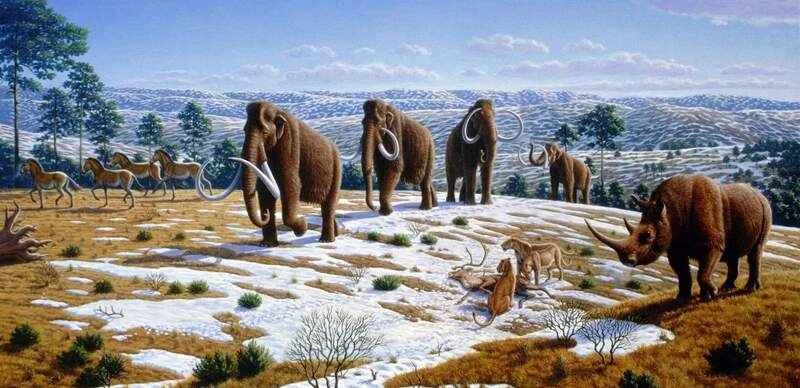
The list of the ten extinct ancient elephants is primarily based on their height, weight, and popularity, and also takes into account relevant internet rankings and lists. The data is current as of October 10, 2024. If you have any questions, please feel free to comment or offer criticism at the end.