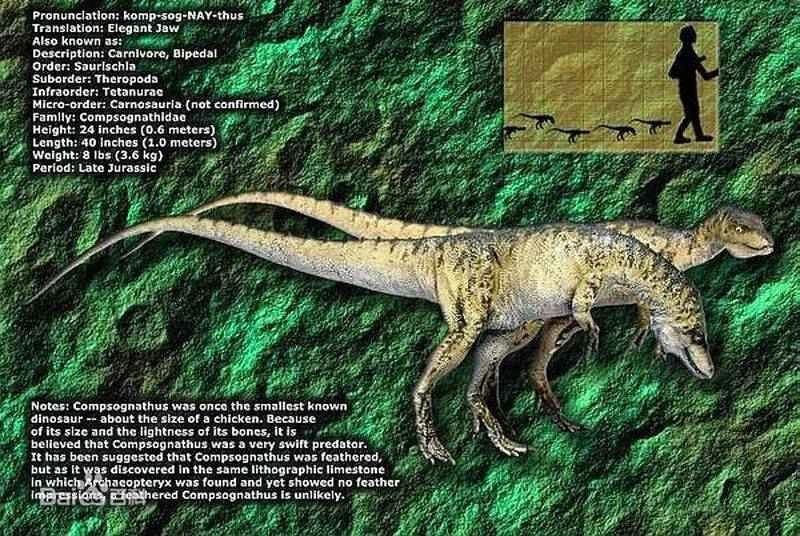
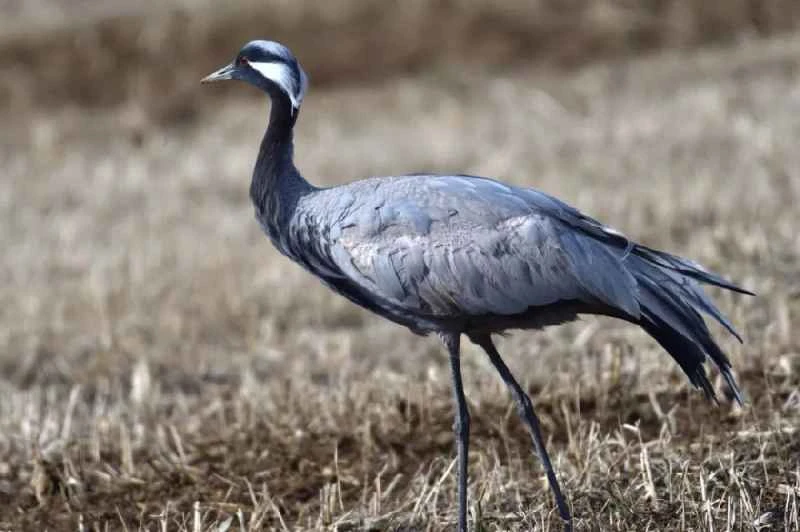
When we think of fish, we often imagine them swimming gracefully in the water, but some fascinating species have actually "jumped" out of the water and begun a more terrestrial life! These extraordinary fish have evolved legs, allowing them not only to move on land but also to find and eat buried food. Let's delve into the unique adaptations of these amazing creatures.
1. Mudfish: A master of both land and water.
Mudfish are stars among amphibious fish. Their pectoral fins have evolved into strong, leg-like appendages, allowing them to move easily across mudflats and beaches.
Unique features
Mudfish can survive for long periods outside the water, using their fins to "walk" on land. Their skin helps retain moisture, making them highly adapted to terrestrial life. Even more interestingly, they can find food through touch! Mudfish not only have taste cells in their mouths, but also receptors on their skin, enabling them to detect food sources buried in the mud.

2. Mexican Mermaids: Underwater Wonders
While Mexican newts aren't known for walking on land, they are still fascinating species to consider. These unique salamanders are often mistaken for fish because of their aquatic nature and external gills. They primarily inhabit lakes and canals, but their sensory adaptations help them find food in the muddy bottoms.
Foraging adaptation
Mexican mermaids use their sensitive skin and external gills to detect food in their surroundings. They can dig in the mud to find worms, small crustaceans, and insects, using their keen sense of smell and taste to identify food.
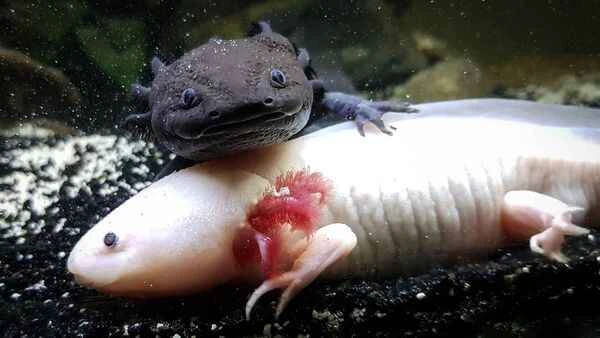
3. Eel: The agile hunter of the deep sea
Eels, especially European and American eels, may not have legs in the traditional sense, but their long bodies and fins allow them to move efficiently through mud and silt. They are excellent diggers, often searching for prey hidden beneath the surface.
Sensory skills
Eels have taste cells in their bodies, allowing them to "taste" their surroundings as they swim. This ability helps them locate buried prey, such as crustaceans and other small animals, making them effective hunters in murky waters.
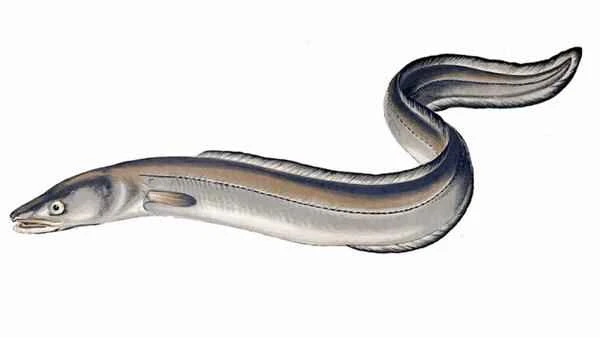
4. Toadfish: A master of the mud
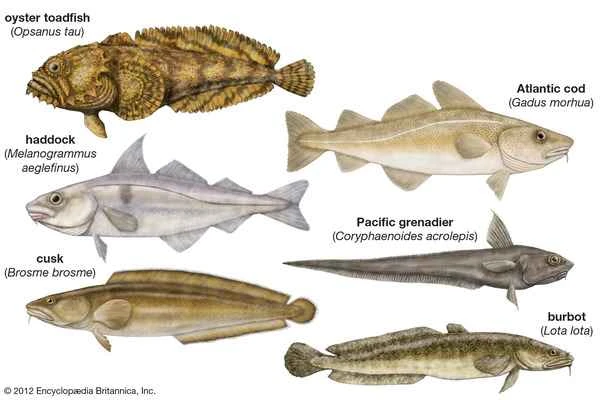
Another noteworthy example is the toadfish. Living in coastal areas, toadfish have adapted to shallow water and muddy environments. They are known for their vocalizations and unique body structure.
Foraging mechanism
Toadfish can use their flat heads and sensitive tentacles to find prey buried in the mud. They are equipped with taste receptors that help them detect food, making them efficient hunters in their habitat.
Conclusion: Natural adaptation
The evolution of legs or leg-like structures in fish demonstrates nature's astonishing adaptability. From mudfish walking on land to eels digging in the mud, these species have developed unique strategies for locating and tasting buried food. Their fascinating adaptations remind us of the diversity of life on Earth and the infinite possibilities of evolution.
So next time you think of fish, remember these amazing creatures that have successfully leaped onto land and into the mud, demonstrating the miracle and adaptability of life!