In the world of snakes, two unique and fascinating species often attract attention: the Barbados fine-lined snake (Tetracheilostoma carlae) and the Barami blind snake (Indotyphlops braminus). Both are among the smallest snakes in the world, but they belong to different families and possess distinct characteristics. This article will explore their similarities and differences through a detailed comparison.
Species Overview
Barbados Thread Snake
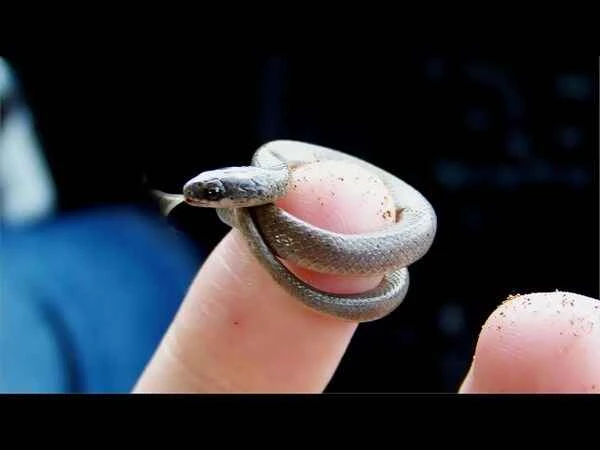
Scientific name: Tetracheilostoma carlae
Size: Typically reaches about 10 cm (4 inches) in length.
Habitat: Native to Barbados, it grows in humid forest and grassland areas.
Diet: Primarily feeds on small invertebrates, such as ants and larvae.
Reproduction: Oviparous, laying a small number of eggs.
Barami blind snake
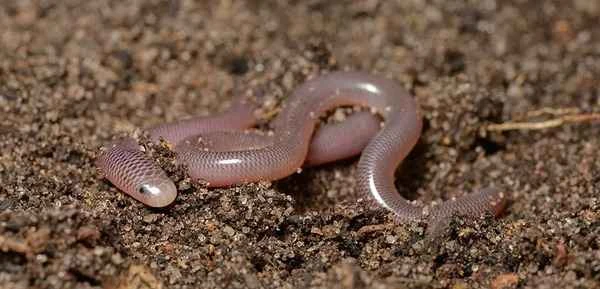
Scientific name: Indotyphlops braminus
Size: Typically grows to 20-30 cm (8-12 inches) long.
Habitat: Widely distributed in tropical and subtropical regions, including parts of Asia, Africa, and the Americas. Commonly found in gardens, loose soil, and under debris.
Diet: It feeds on small ants, termites, and other small invertebrates.
Reproduction: Oviparous, females can lay a large number of eggs.
Comparative analysis
To better understand the differences and similarities between these two snakes, the following comparison table is provided:
| feature | Barbados Thread Snake | Barami blind snake |
|---|---|---|
| Scientific classification | Tetracheilostoma carlae | Indotyphlops braminus |
| size | Reaching 10 centimeters (4 inches) | 20-30 cm (8-12 inches) |
| color | Dark brown or gray, lighter on the underside | It is usually brown or gray, with a uniform color. |
| Habitat | Barbados's humid forests and grasslands | Tropical and subtropical regions, gardens |
| diet | Small invertebrates, such as ants and larvae. | Small ants and termites |
| Reproduction strategy | Oviparous, laying a small number of eggs | Oviparous, laying a large number of eggs |
| feature | The world's smallest snake | Known for its burrowing lifestyle |
| Protection status | No danger | No danger |
Habitat and Distribution
Barbados Thread Snake
The Barbados fine-lined snake is a species unique to Barbados. It lives in damp environments and is typically found among fallen leaves and plant roots. Its small size allows it to maneuver in confined spaces inaccessible to larger predators.
Barami blind snake
The Barami blind snake has a wider distribution, found in various habitats in tropical and subtropical regions. It is often found in gardens and farmlands, burrowing into loose soil and debris. This adaptation allows it to thrive in both natural and man-made environments.
Behavior and Diet
Dietary habits
Both snakes primarily feed on small invertebrates, but their prey choices may differ slightly due to habitat differences. The Barbados thread snake tends to prey on ants and larvae, while the Barami blind snake focuses more on ants and termites. Their small size and burrowing habits make them effective hunters in their respective environments.
Reproduction
Both species are oviparous, typically laying their eggs in secluded locations to protect them from predators. However, the Barami blind snake usually lays more eggs at a time, while the Barbados thread snake lays fewer eggs but is more protective of them.
Protection status
The Barbados thread snake and the Barami blind snake are both currently listed as Least Concern by the International Union for Conservation of Nature (IUCN). However, habitat destruction and climate change pose potential threats to their populations. Protecting their habitats and raising awareness of their ecological roles are crucial to ensuring their survival.
In summary, while the Barbados thread snake and the Barami blind snake share some similarities, they are distinct species with unique adaptations and behaviors. The Barbados thread snake is the smallest snake in the world, inhabiting the specific environment of Barbados, while the Barami blind snake has a wider distribution and is slightly larger. Both play important roles as consumers of small invertebrates, contributing to the balance of their habitats.
Understanding these snakes not only highlights the diversity of reptile life but also underscores the importance of conservation efforts to protect these remarkable creatures.