Many people mistakenly believe that birds have low intelligence, simply viewing them as warm-blooded animals. In fact, many bird species in the world possess very high intelligence. Do you know which birds in the world have the highest level of intelligence? In this article, I will introduce you to the ten most intelligent bird species in the world: raven, African grey parrot, cockatoo, magpie, jay, falcon, eagle, woodpecker, and heron. Let's learn about them together!
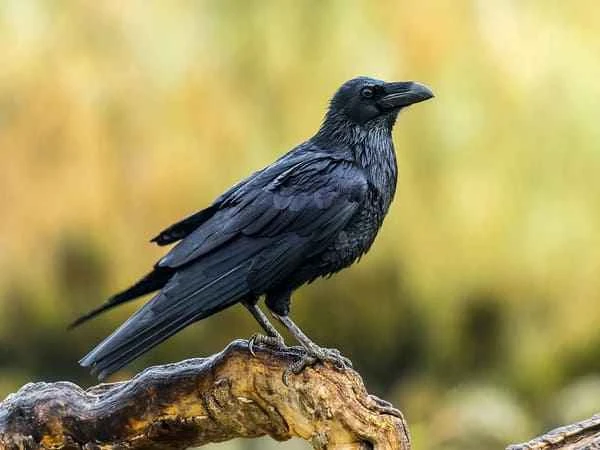
1. Raven
Scientists have confirmed that crows are among the most intelligent birds in the world, with ravens considered one of the most intelligent members of the crow family. Ravens possess relatively large brains compared to other birds. Like other corvids, they are renowned for their exceptional problem-solving abilities, providing evidence of high avian intelligence. Observations show that ravens also utilize other animals to assist in problem-solving, such as luring wolves and wild dogs to the location of animal carcasses. These canines help them tear open the carcass, making it easier for them to eat. Furthermore, ravens observe and memorize the locations where other ravens hide food, preparing to steal it later.
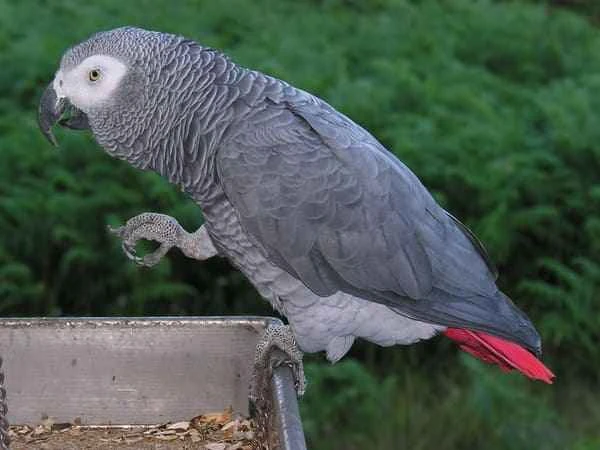
2. African Grey Parrot
African grey parrots are considered one of the most intelligent species of parrots, with an IQ equivalent to that of a 4- to 6-year-old human child. Furthermore, they are one of the few animals capable of communicating with humans, displaying exceptional eloquence. Recent experiments show that African grey parrots can not only learn number sequences but also associate human voices with facial features. Even more remarkably, a collaborative experiment by Dr. Erin Pepperberg and an African grey parrot named Alex demonstrated that it can learn over 100 words and distinguish objects, colors, textures, and shapes.
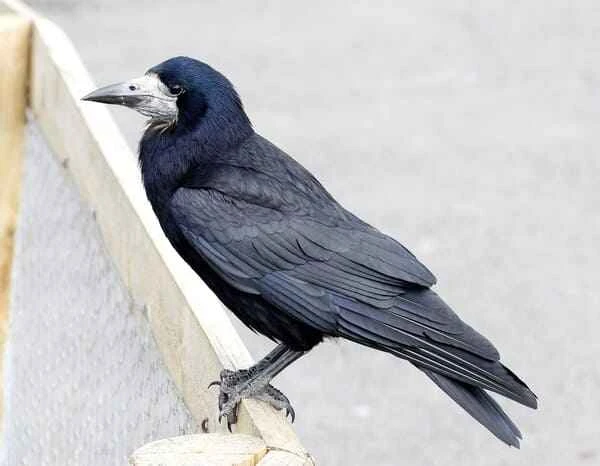
3. Bald-nosed crow
A study suggests that the raven crow is relatively intelligent among crows, exhibiting remarkable problem-solving abilities. Research from Cambridge University and Queen Mary College shows that when faced with a problem-solving task, the raven crow consistently chooses the right tools to tackle it. As one of the larger species among passerines, the raven crow possesses a considerable brain size. Science has proven a positive correlation between brain size and intelligence, and the raven crow is a prime example of this correlation.
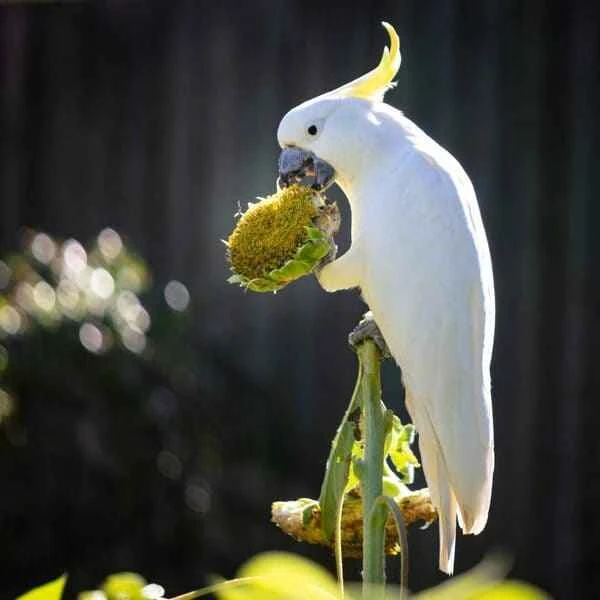
4. Sulphur-crested cockatoo
The Sulphur-crested Cockatoo is an extremely intelligent bird; intelligence tests show its IQ is equivalent to that of a four-year-old human child. Why is it called "this thing"? Because it not only possesses extraordinary intelligence but is also a master of destruction, and its temperament is similar to a husky, hence the nickname "the husky of the birds." Despite its exceptional intelligence, the Sulphur-crested Cockatoo's language ability is average. This species is listed in Appendix II of the Convention on International Trade in Endangered Species of Wild Fauna and Flora (CITES), making it a protected species, equivalent to a Class II protected animal in China, and therefore cannot be kept as a pet.
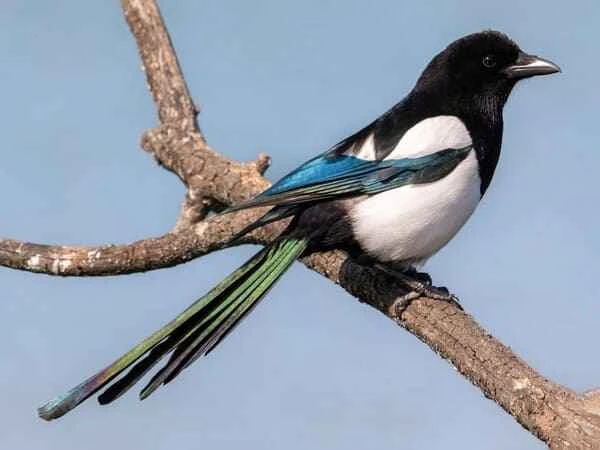
5. Magpie
Magpies are the only birds to pass the mirror test, a method used to assess the level of self-awareness in living beings. In addition, they excel at hide-and-seek, performing comparable to four- or five-year-old children. Magpies also demonstrate the ability to make and use tools and even mimic human language. These birds not only possess complex emotions and can express sadness, but they are also capable of playing games and cooperating as a group. Interestingly, when a member of a magpie colony dies, they even gather together to hold a funeral-like ceremony.
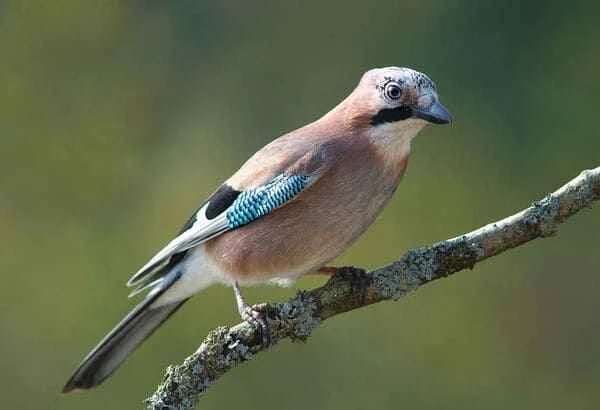
6. Jay
Jays exhibit considerable intelligence, knowing how to make a good impression on their mates by frequently presenting them with gifts that their partners desire most. Recent research has also revealed their ability to mimic familiar and human voices. Observations have shown that jays learn to imitate the calls of birds of prey to deter their daytime predators, owls. Jays are widely distributed in China and exist in several subspecies. Although the numbers of some subspecies have declined, the overall population of jays remains quite abundant, and they are a common bird in mountain forests.
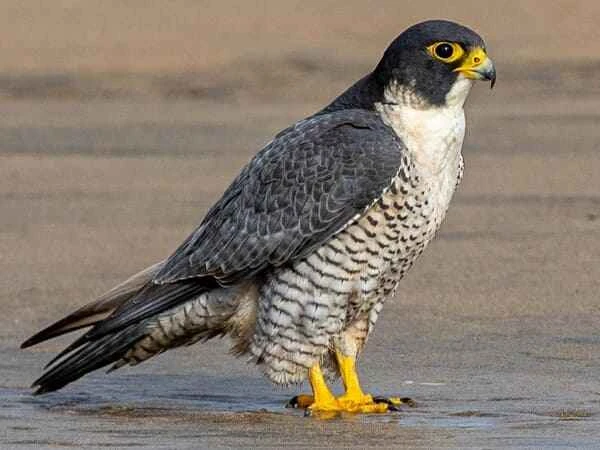
7. Falcon
Falcons are also among the most intelligent birds. In 1997, Dr. Louis Lefiebould of McGill University in Montreal, Canada, published the first study on bird intelligence curves, indicating that falcons are second only to crows in intelligence, ranking at the highest level in the bird intelligence hierarchy. Generally, "falcon" refers to a general term for some species of the genus *Acridoptera*. With human training, falcons exhibit exceptional hunting and obedience abilities, and are able to follow human commands.
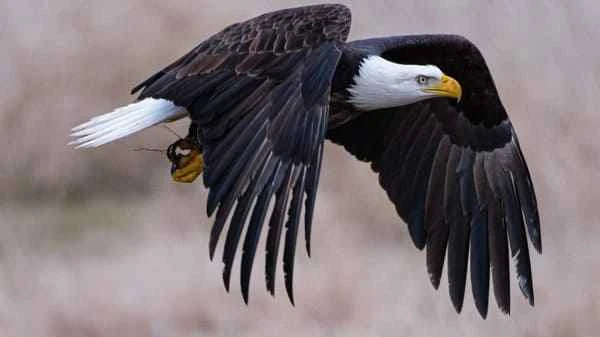
8. Eagle
According to the bird intelligence curve system first published in 1997 by Dr. Louis Lefiebould of McGill University in Montreal, Canada, eagles rank second in intelligence, after crows and falcons. Eagles, also known as kites, are small birds of prey; unlike other birds, females are often larger than males. In the animal kingdom, "eagle" is a general term for a family containing many different species. Eagles possess sharp eyesight, capable of observing distances of several kilometers or even further.
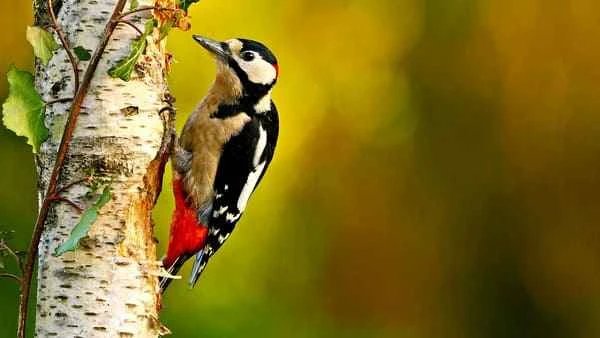
9. Woodpecker
Woodpeckers demonstrate high intelligence through their innovative foraging techniques. Unlike other birds that perch on branches, woodpeckers can climb upright tree trunks. They are known to primarily feed on insects hidden under the bark. They possess long, hard, and sharp beaks that allow them to tap tree trunks, producing a clear, ringing sound. This sound helps them pinpoint the hiding places of insects, a rare skill among birds.
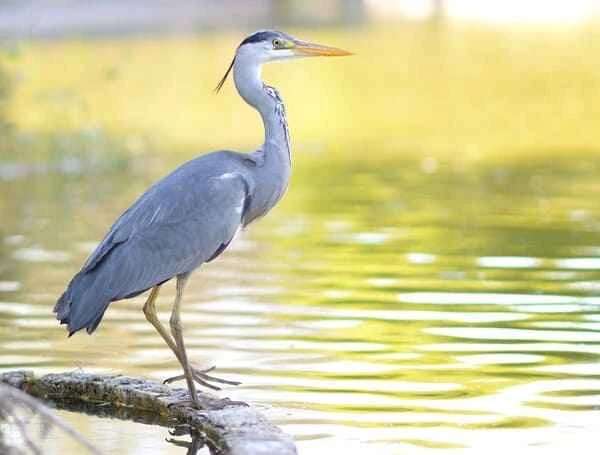
10. Grey Heron
On March 9, 2015, photographer Jonathan captured a stunning scene at the Sheppey Isle Nature Reserve in Kent, England. The photo shows a weasel attempting to attack a heron much larger than itself, repeatedly biting the heron's massive beak. Despite the heron's struggles to shake off the weasel, the weasel persisted. Ultimately, the heron led the weasel to a riverbank, drowned it, and then ate it. This incident demonstrates the heron's extraordinary intelligence and resilience.
The list of the top ten smartest birds is primarily based on Dr. Louis Lefibwe's first publication of the bird intelligence curve in 1997, along with data from related websites. The ranking is based on a comprehensive assessment of the birds' imitation abilities, learning abilities, intelligence levels, and problem-solving skills. This ranking is for reference only; any questions or corrections are welcome in the comments/criticisms at the end.