Tuna, a highly prized and nutritious premium fish, is caught in fishing in over 70 countries worldwide. So, which regions are most famous for their tuna? This article will introduce some well-known tuna producing areas, including Indonesia, Japan, China, the United States, South Korea, the Philippines, Ecuador, Spain, Mexico, and Vietnam. Through this article, you will learn about the world's top ten tuna producing regions and the characteristics of the tuna from these areas.
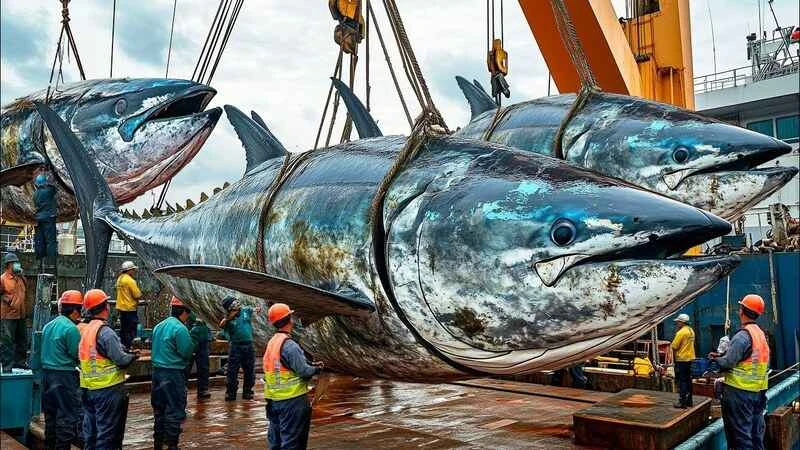
1. Indonesian tuna (annual production of 613,000 tons / accounting for 15% of the world's catch / the world's largest tuna producer)
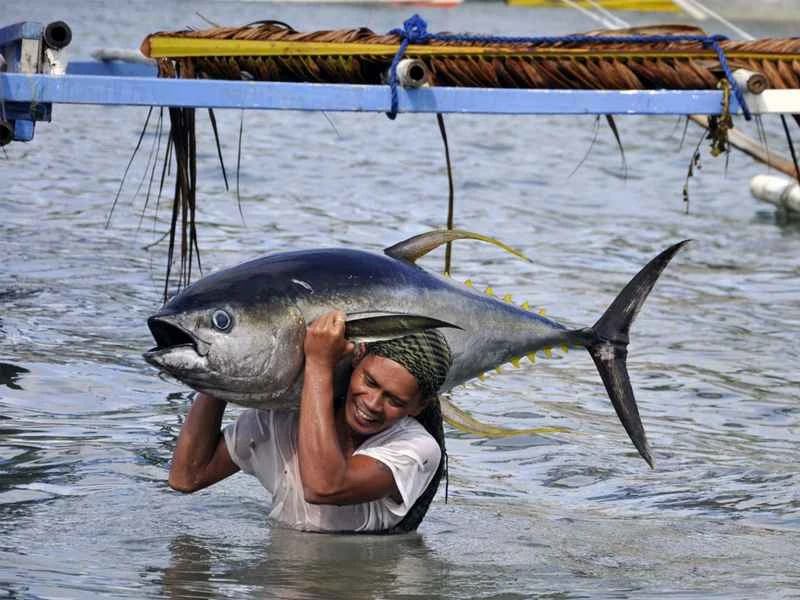
Indonesia is the world's largest producer of tuna. Known as the "Land of a Thousand Islands" due to its abundant fishery resources, it is one of the world's major sources of tuna. The Sulawesi and Maluku waters are the main tuna producing areas, especially the Banda Sea in southwestern Sulawesi, which is the world's largest tuna production region.
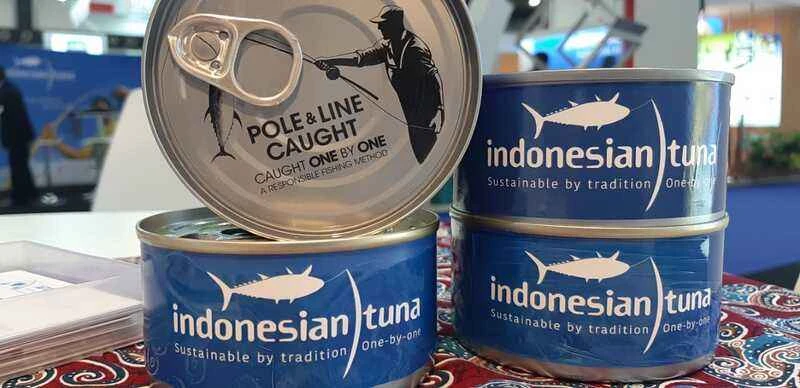
Indonesia's tuna production is mainly comprised of skipjack tuna and yellowfin tuna, accounting for 15% of the global tuna market, with an annual output of 613,000 tons. At the same time, Indonesia is also a major global producer and exporter of canned tuna.
2. Japanese tuna (annual production of 358,000 tons / consumption accounts for about 30% of the world's total / the world's largest tuna consumer)
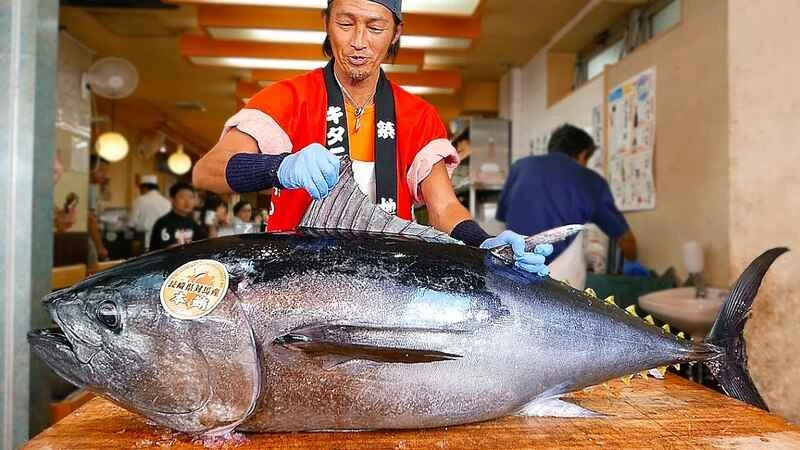
Japan is one of the world's most famous tuna producers and has long been a major country for bluefin tuna fishing and consumption. As one of the world's leading tuna consumer markets, Japan accounts for approximately 30% of global tuna consumption, ranking first in the world. Common tuna varieties include skipjack tuna, albacore tuna, and bluefin tuna, among which bluefin tuna commands a consistently high price due to its scarcity and superior quality.
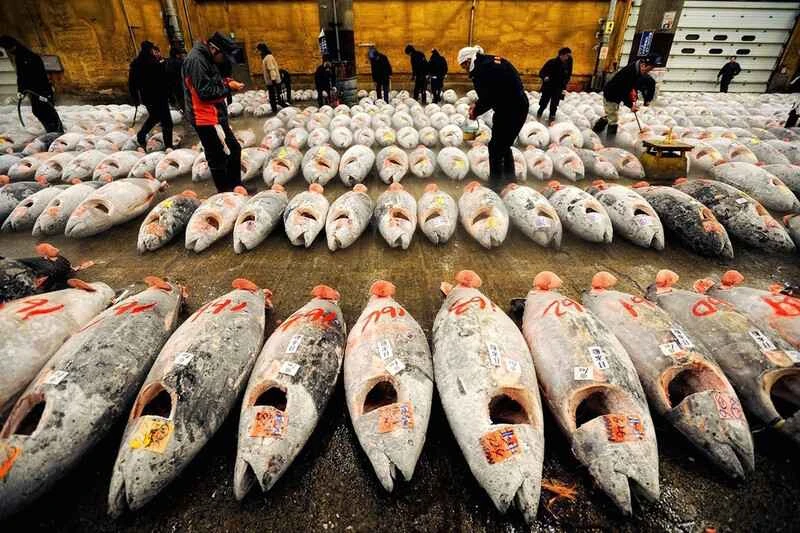
Japan has the world's largest catch of Pacific bluefin tuna, with major production areas including Nagasaki, Shimane, Aomori, Hokkaido, and Shizuoka prefectures. In addition, Japan has developed a bluefin tuna aquaculture industry, with farmed production reaching 21,460 tons in 2021.
3. Chinese tuna (annual production of over 300,000 tons / China's second largest distant-water fish catch)
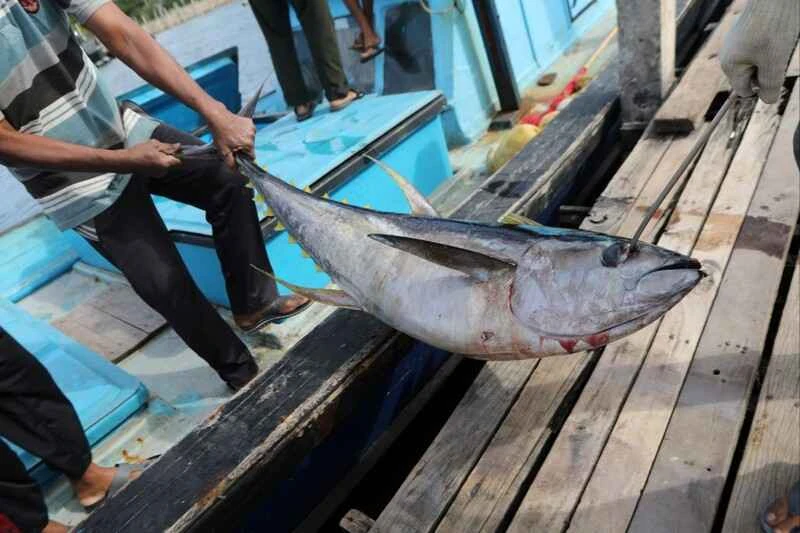
China is one of the world's top ten producers of high-quality tuna. Skipjack tuna accounts for the highest yield in tuna fishing, consistently accounting for over 60% of the total catch, ranking among the top in the world. Yellowfin tuna is the next largest producer, accounting for about 24%, while bigeye and albacore tuna account for 10% and 5% respectively. Bluefin tuna is relatively scarce.
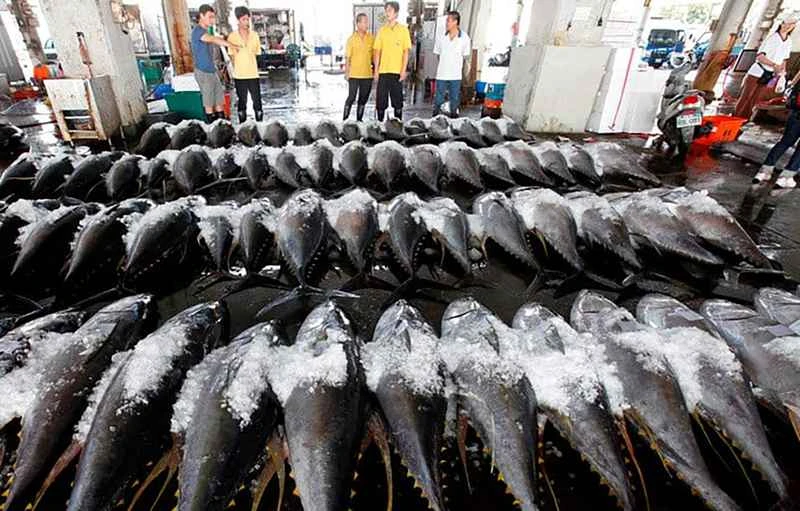
Tuna is China's second-largest distant-water fish catch. From 2020 to 2022, China's tuna catch was 327,400 tons, 322,300 tons, and 345,500 tons respectively, with a record high of 420,000 tons in 2019. As of the end of 2023, China's largest tuna processing base was located in Zhoushan, Zhejiang Province, while the largest tuna farming base was located in Yantai, Shandong Province.
4. U.S. tuna (annual production of approximately 309,000 tons)
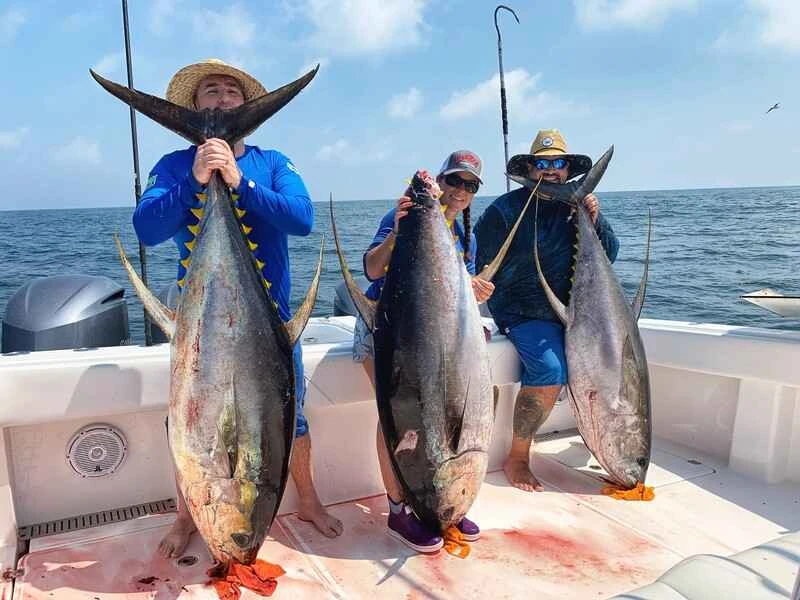
The United States is one of the world's leading fishing nations, possessing abundant marine and freshwater resources. It is also a major producer and consumer of tuna. High-quality tuna from the United States primarily comes from the Hawaiian fishing grounds and the waters off Southern California, where the ecological conditions and food resources provide an ideal environment for the growth of bluefin tuna.
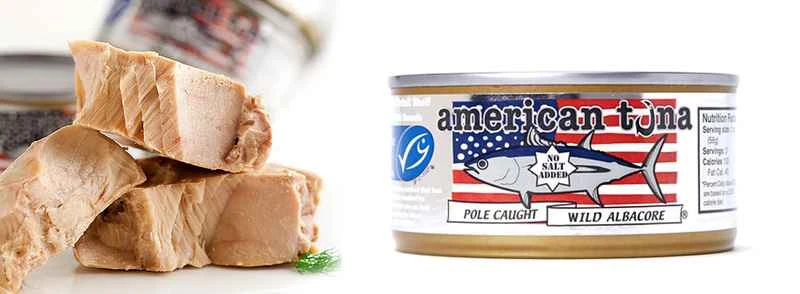
American fishermen use a variety of fishing methods, including purse seine and angler, and their annual tuna catch can reach 309,000 tons. The main tuna species in the United States include yellowfin tuna and albacore tuna, while canned tuna is one of the most well-known processed tuna products in the United States and around the world.
5. South Korean tuna (annual production of approximately 292,000 tons)
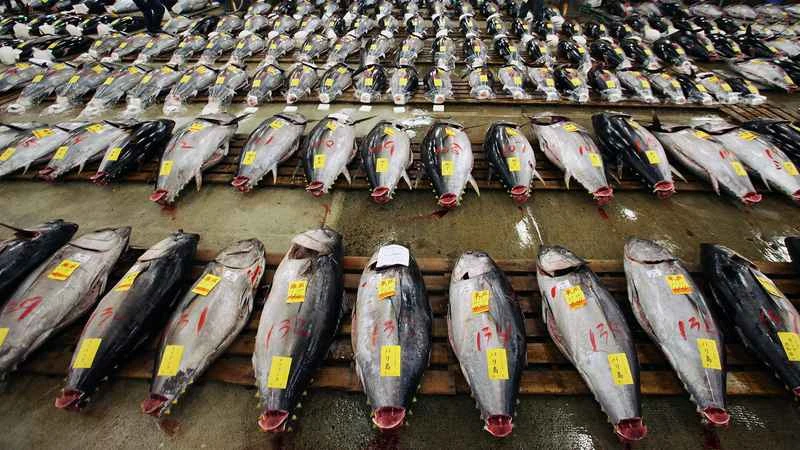
Tuna are widely distributed in the Pacific and Atlantic Oceans. South Korea is one of the world's leading tuna producers, producing approximately 292,000 tons of tuna annually. The main tuna species in South Korea include skipjack tuna, yellowfin tuna, and bigeye tuna, and fishing methods primarily employ purse seines and longline fishing.
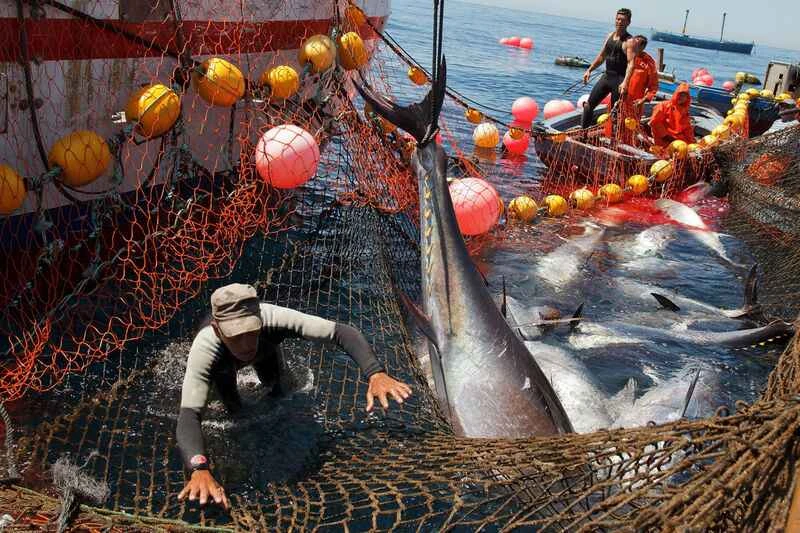
According to our understanding, over 90% of South Korea's tuna production comes from the Central and Western Pacific region, with annual production typically ranging from 216,000 to 281,000 tons, averaging 251,000 tons. South Korea is also a significant market for tuna consumption.
6. Philippine tuna (annual production of 287,000 tons / a major tuna processing country)
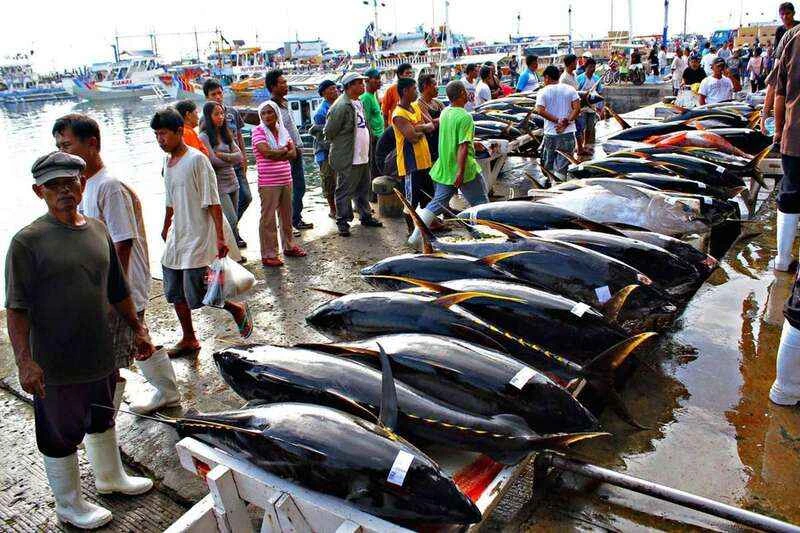
The Philippines boasts abundant fishery resources, with over 2,400 species of fish, among which tuna resources rank among the world's best. General Santos City on the southern island of Mindanao is known as the "Tuna Capital" and is one of the world's most important tuna production bases. At its peak, one in every two tuna caught globally came from General Santos City.
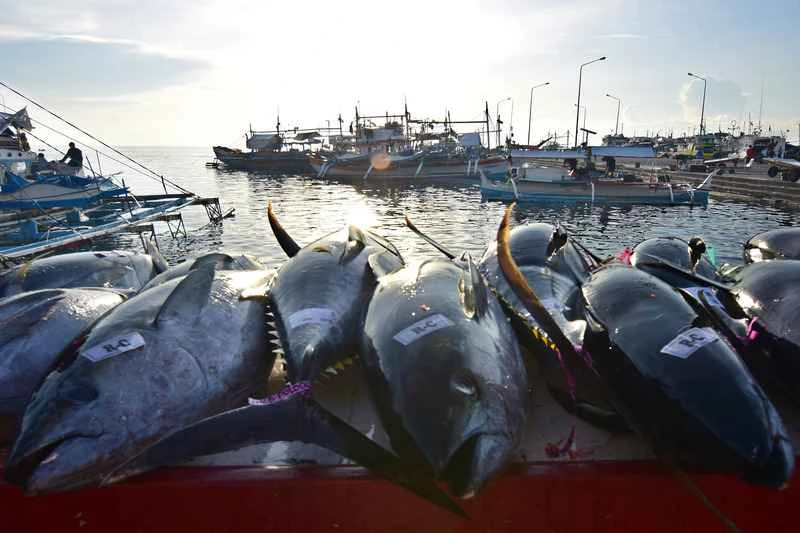
The Philippines produces 287,000 tons of tuna annually, ranking among the world's top ten tuna producers. Furthermore, the Philippines has actively developed its tuna processing industry, becoming a globally renowned major tuna producer and processor.
7. Ecuadorian tuna (up to 350,000 tons per year)
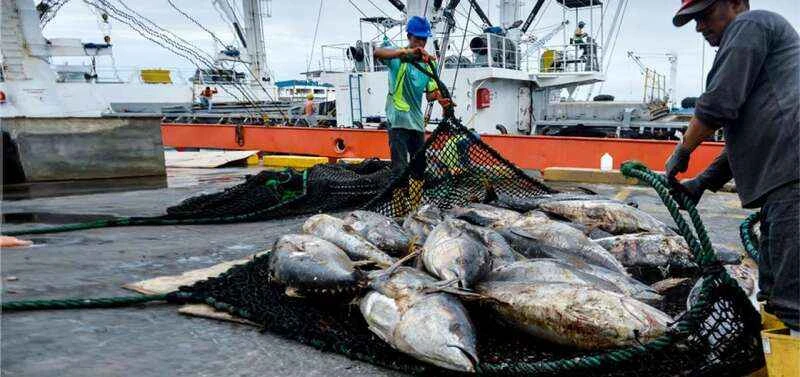
The Ecuadorian coast is one of the world's most important tuna producing regions, ranking among the world's top producers. Benefiting from its proximity to Peruvian fishing grounds, Ecuador is a global leader in both tuna catch and export. The main tuna species caught are yellowfin tuna and bigeye tuna. Tuna production reached 350,000 tons in 2016; 277,000 tons in 2019; and 257,000 tons in 2021.
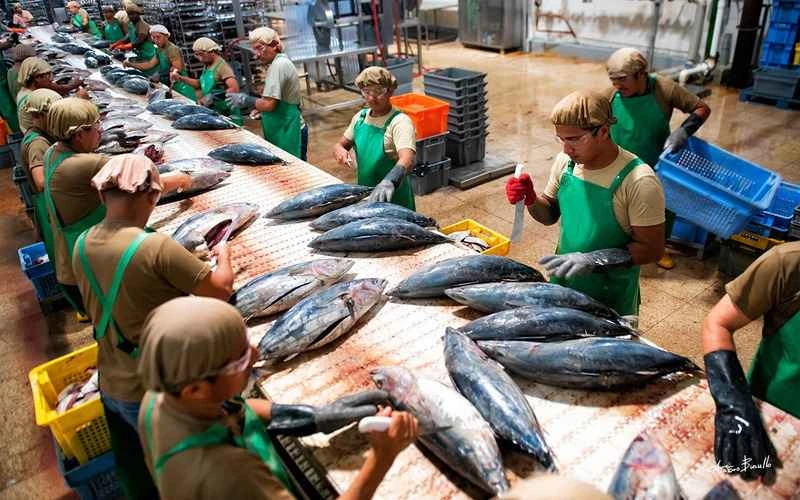
In addition, Ecuador is one of the world's major tuna processing centers and the largest producer of canned tuna in South America, mainly exporting to the United States market.
8. Spanish tuna (annual production of approximately 270,000 tons)
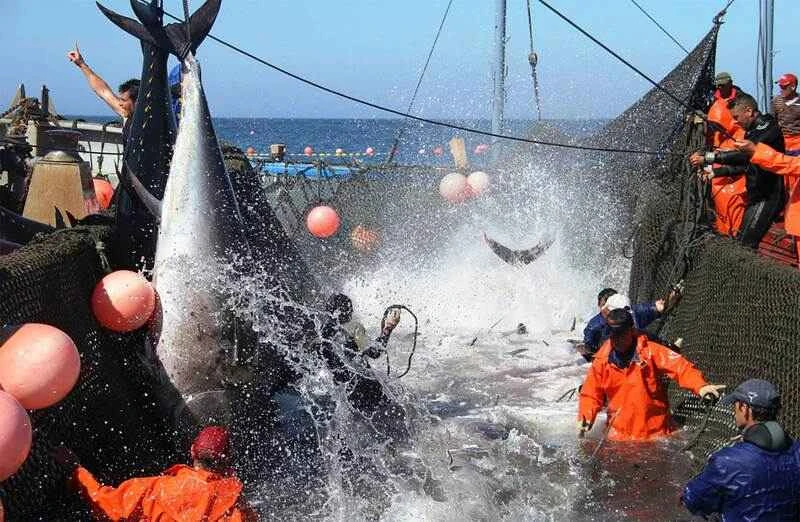
Spain is one of the world's leading tuna-producing regions, primarily catching skipjack tuna, albacore tuna, and bluefin tuna. Spain is most famous for its bluefin tuna fishing, especially in the Atlantic and Mediterranean regions, where it boasts abundant bluefin tuna resources. The Canary Islands, Balearic Islands, and Andalusia are important fishing areas.
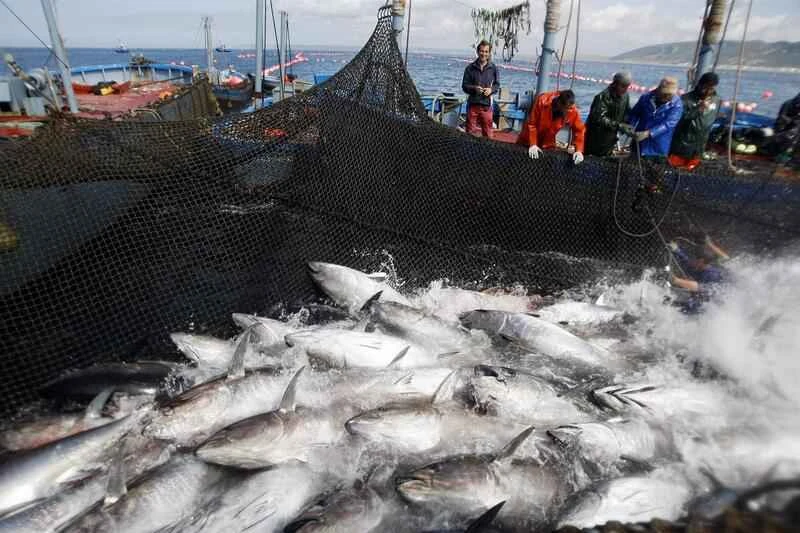
Furthermore, the Port of Santa Maria in Spain is home to the world's largest bluefin tuna farm. Spain is also a major tuna canning base in Europe, with an annual output of 374,000 tons, ranking second in the world after Thailand.
9. Mexican tuna (annual production of over 100,000 tons)
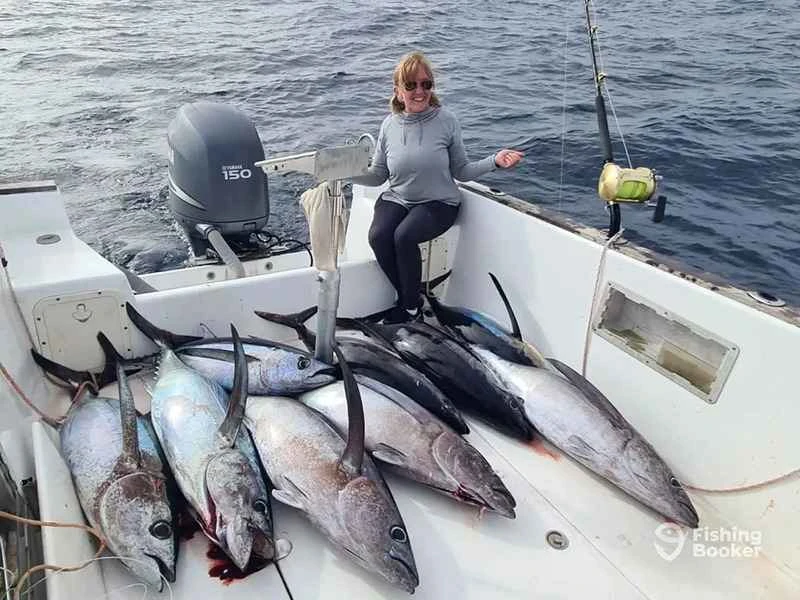
Mexico, located in southern North America, is one of the world's leading tuna-producing regions. With over 12,000 miles of coastline, it is one of the world's largest tuna producers, with an annual output exceeding 100,000 tons. Mexico's tuna primarily come from the Bahamas, Florida, and California, where the waters have suitable temperatures and salinity, providing an ideal environment for tuna growth.
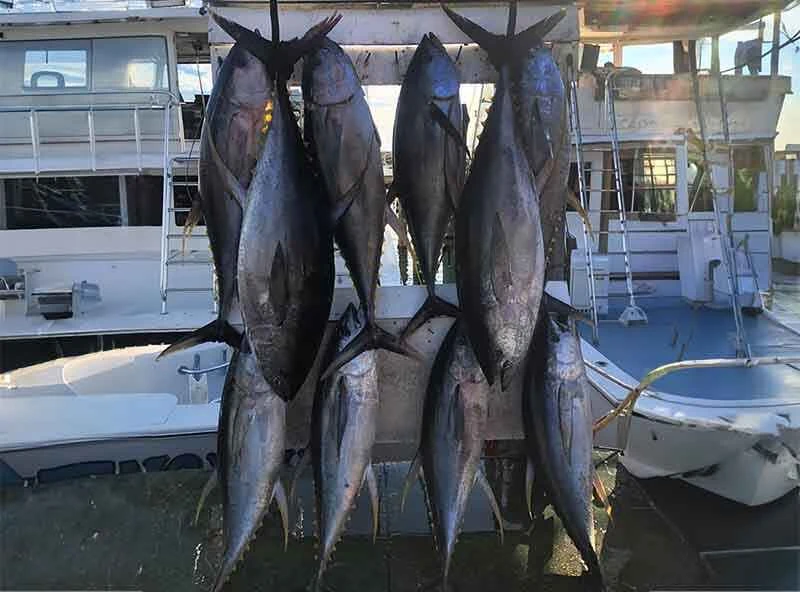
Mexico is one of the countries with the richest bluefin tuna resources in the world, and regions such as the Bajaca Peninsula and the Sonoran Peninsula are important habitats for bluefin tuna.
10. Vietnamese tuna (annual production of approximately 100,000 tons)
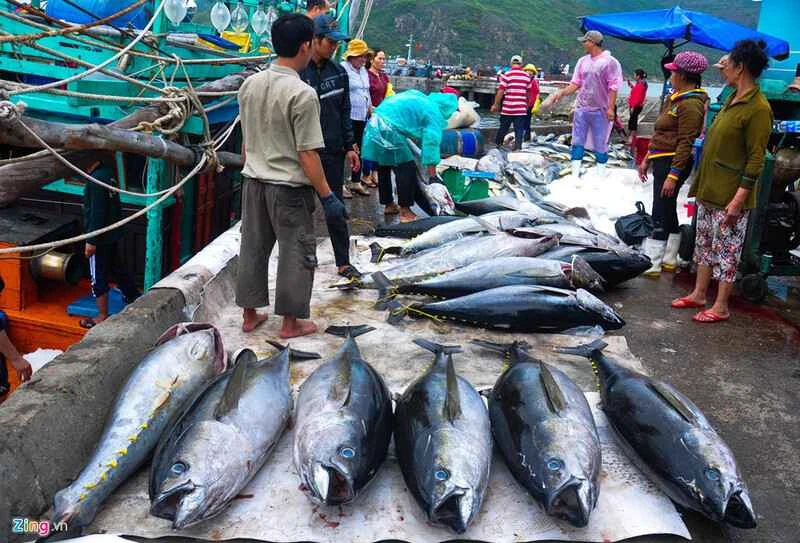
Vietnam is a major tuna producer in Southeast Asia, possessing abundant marine resources. With the continuous development of the marine fishing industry, Vietnam's tuna production has increased year by year, reaching 100,000 tons in 2020.
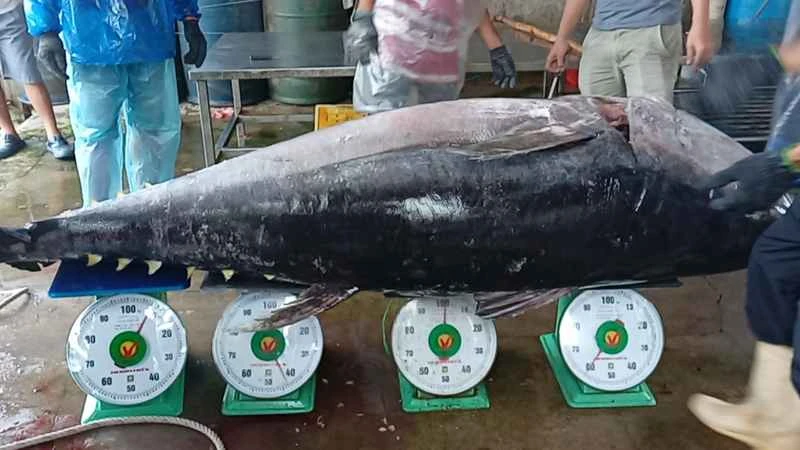
Vietnam's advantageous geographical location and abundant marine resources provide strong support for its tuna industry. Furthermore, the government actively promotes the development of the seafood processing industry through relevant policies. Vietnamese tuna is mainly exported to markets such as the United States and the European Union, and is highly popular among consumers.
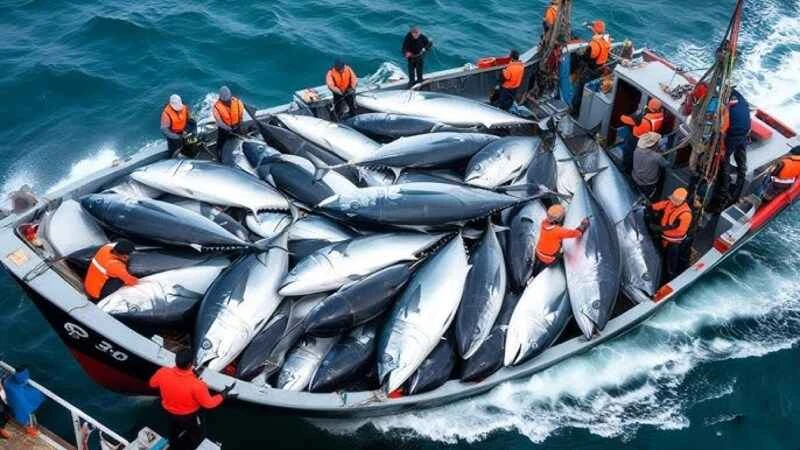
This list of the world's top ten tuna producing regions is primarily based on common, well-known, flavorful, and high-yield tuna-producing areas. Data is current as of February 2025. This list is for reference only and aims to help you understand which tuna are the most delicious and famous. If you have any questions, please feel free to comment/criticize at the end.