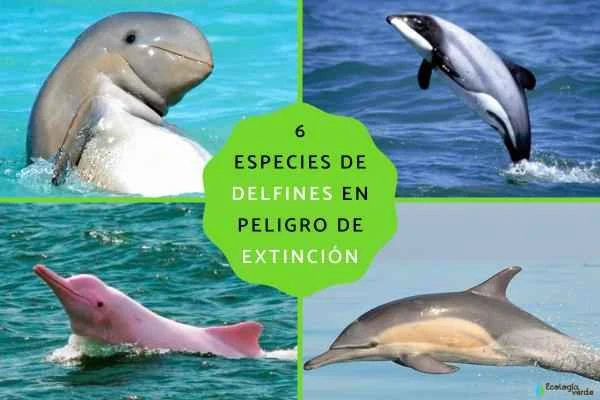
Dolphins are considered among the most intelligent and social animals on Earth, but human activities are increasingly threatening their survival. Of the 37 known dolphin species worldwide, many marine and freshwater species are already facing varying degrees of extinction risk.
This article will introduce six dolphin species facing extinction worldwide, including their distribution, the reasons for their endangerment, and the conservation measures we can take.
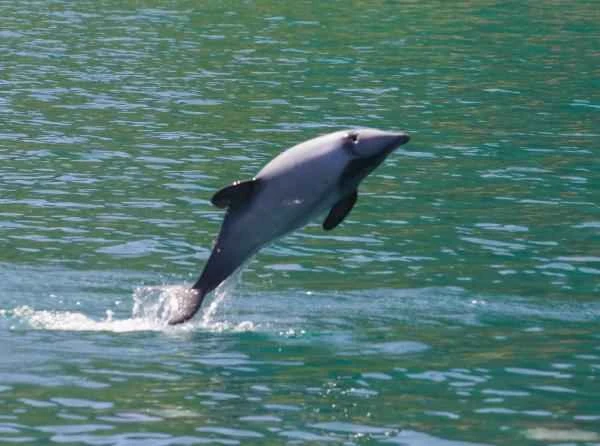
1. North Island Hector's Dolphin (Cephalorhynchus hectori maui)
The North Island Hector's dolphin is a subspecies endemic to the coast of New Zealand and one of the world's smallest-ranging cetaceans. Due to a dramatic shrinkage of its distribution over the past century, the current population is estimated at only about 55 individuals.
Reasons for endangerment:
Dead by accident in fishing nets during fishing
Habitat destruction by human activities
Current state of preservation:
Listed as "critically endangered" by the IUCN
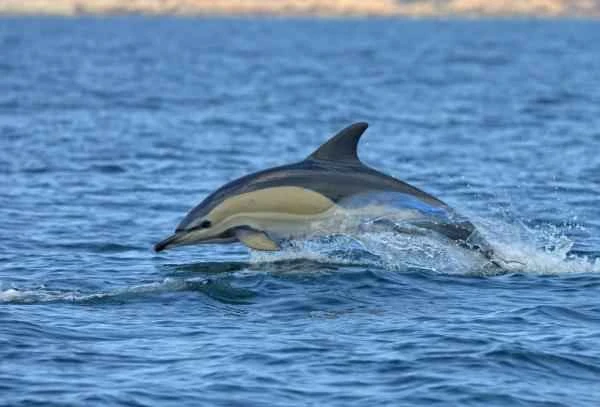
2. Common Corinth Gulf dolphin subspecies (Delphinus delphis, Gulf of Corinth)
This subspecies is found in the Gulf of Corinth, Greece, and is a closed population that has formed in a specific area.
Reasons for endangerment:
Overfishing leads to food shortage
Industrial pollution and noise interference from acoustic detection
Destructive fishing practices lead to habitat degradation
Current state of preservation:
Listed as "critically endangered" by the IUCN
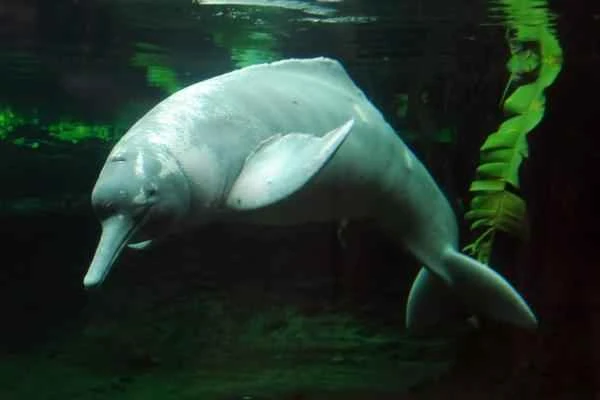
3. Amazon River dolphin (Inia geoffrensis)
The Amazon dolphin, also known as the "pink dolphin," lives in the Amazon and Orinoco river basins of six South American countries.
Reasons for endangerment:
Fishing net entangled
Dam construction alters hydrological conditions
Mercury and other heavy metal pollution
Used as bait for catching food fish
Current state of preservation:
Listed as "Endangered" by the IUCN
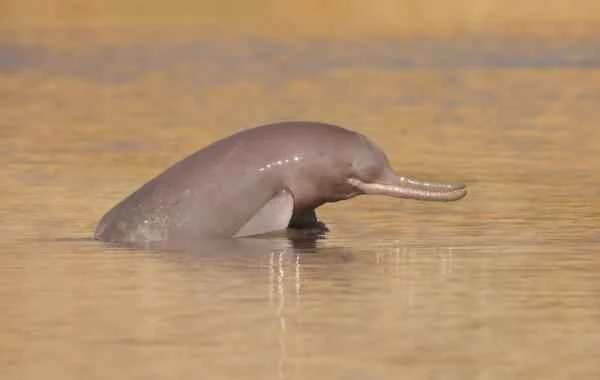
4. Indian river pufferfish (Platanista minor)
The Indus River dolphin is endemic to the Indus River in Pakistan, and is also found in small numbers in the Biyas River basin in India.
Reasons for endangerment:
Dam construction leads to population isolation and habitat loss
Historically, they were hunted in large numbers for their meat and fish oil.
Current state of preservation:
Hunting them is now prohibited, and they are listed as "endangered".
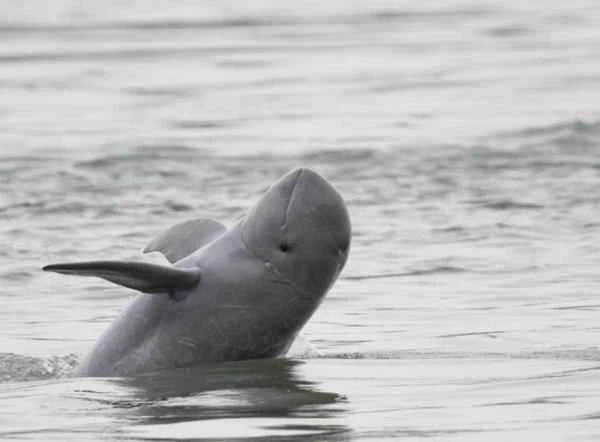
5. Irrawaddy dolphin (Orcaella brevirostris)
The Irrawaddy finless porpoise is widely distributed in shallow estuaries and freshwater areas of Southeast Asia.
Reasons for endangerment:
Fishing net entanglement has a high mortality rate
Increased water sedimentation and reduced habitat depth
Excessive shipping disrupts the ecosystem
Fish resources are decreasing
Current state of preservation:
Listed as "critically endangered" by the IUCN
6. La Plata dolphin/Francescan dolphin (Pontoporia blainvillei)
This is a type of coastal dolphin that lives along the coasts of Argentina, Brazil, and Uruguay, and sometimes ventures into river estuaries.
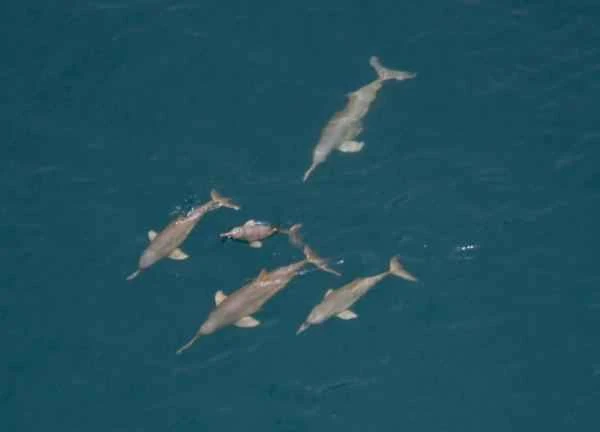
Reasons for endangerment:
Accidentally caught in fishing net
Ingesting plastic can cause digestive obstruction
Current state of preservation:
Although not yet listed as "endangered," the population is facing the risk of being "vulnerable."
How can we help endangered dolphins?
Protecting these beautiful and intelligent creatures requires multifaceted efforts:
1. Develop a protection plan
Based on population monitoring and threat assessment, targeted conservation strategies are designed. For example, the "South American Freshwater Dolphin Conservation Action Plan".
2. Promote the implementation of legislation
Support and oversee the government's efforts to promote the formulation and implementation of environmental laws such as those restricting fishing and prohibiting pollution.
3. Public environmental education
Raise public awareness of dolphin conservation through school courses, media campaigns, and other means.
4. Reduce plastic and chemical pollution
Reduce the use of single-use plastics and harmful chemicals in daily life to reduce marine pollution.
References
Kreb, D. (2005). Conservation management of small core areas: key to survival of a critically endangered population of Irrawaddy dolphins orcaella brevirostris in Indonesia. https://www.cambridge.org/core/services/aop-cambridge-core/content/view/48DBCD4E06C81EEA6C3FD55779382C58/S0030605305000426a.pdf/conservation-management-of-small-core-areas-key-to-survival-of-a-critically-endangered-population-of-irrawaddy-river-dolphins-orcaella-brevirostris-in-indonesia.pdf
The International Union for Conservation of Nature (IUCN) Red List. Website: https://www.iucnredlist.org/
Oremus, M., Hamner, RM, Stanley, M., Brown, P., Baker, CS, and Constantine, R. (2012). Distribution, group characteristics, and activity of the critically endangered Maui dolphin, *Cephalorhynchus hectori maui*. [Link: https://www.int-res.com/articles/esr2012/19/n019p001.pdf]
Zhang, X., Wang, D., Liu, R., Wei, Z., Hua, Y., Wang, Y., and Wang, L. (2003). Yangtze dolphin or baiji dolphin: Population status and conservation issues in the Yangtze River, China. URL: https://onlinelibrary.wiley.com/doi/pdf/10.1002/aqc.547?house_token=kqRgwytaxOkAAAAA:SS7tj0lMkOc1XHIjc3IuMX3onvnSr3G-OKEri_kIaMFvFUEyWow86mOKcpTqsQlX_1ogjG5t85Pcbg