Earth is a planet full of extreme environments, ranging from numbingly cold to scorching heat. With a few exceptions, humans primarily live in temperate regions, but a wide variety of other organisms also thrive in arid environments. These organisms are known as extremophiles. Here are some examples.

1. Emperor Penguin
Emperor penguins of Antarctica (Arctic animals; Arctic birds; penguins)
These hardy, flightless birds spend their mating season in Antarctica, where temperatures typically drop to −40°F (−40°C). Bee colonies survive this life-threatening cold by huddling together in large groups to share warmth and minimize individual exposure to the harsh weather. Every so often, penguins on the outer edge of the colony are brought to the center so that each member has a chance to warm up.

2. Wood Frog
When temperatures drop, forest frogs adapt by freezing themselves, maintaining this unique form of suspended animation until spring thaws. They survive freezing by accumulating glucose (a cryoprotectant) in their tissues.
3. Flat bark beetle
Like forest frogs, the flat bark beetle also produces special chemicals to protect itself from the winter cold. It reduces its body water content while accumulating tissue-protective proteins, enabling it to survive the onslaught of nature.

4. Camel
Arabian camel or dromedary camel and calf, Oman; mammal. Arabian camel.
Camels are known as the "ships of the desert" and can survive in temperatures as high as 120°F (49°C) and can survive for a week or longer without drinking water.
5. Sahara Desert Ants
The secret to this tiny insect's survival in desert environments where temperatures can exceed 140 °F (60 °C) is its long legs, which allow it to move quickly and keep its body afloat on the scorching sand.

6. Jumping mouse
Jerboas are small, long-tailed rodents with very long hind legs.
This desert rodent has a simple way of surviving in the heat: it sleeps in cool burrows during the day and comes out to find food when the weather is cool at night.
7. Pompeii worm
Deep in the ocean, far from the life-giving sun, a unique ecosystem has formed around extremely hot, mineral-rich hydrothermal vents near submarine volcanoes. Researchers have discovered a virtual zoo around the vents, including Pompeii worms that can survive temperatures as high as 175°F (79°C).
8. Tardigrades
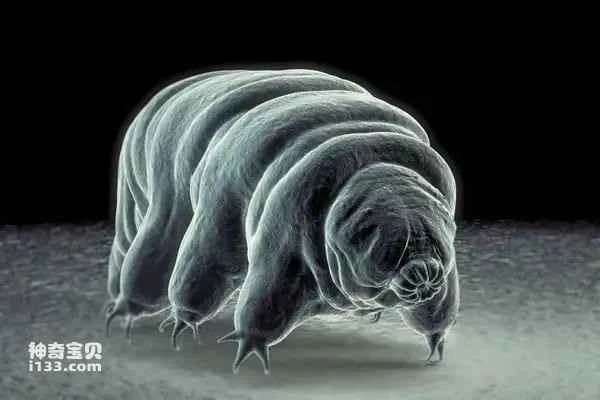
Tardigrades are also known as water bears. Scanning electron micrographs of invertebrates.
Scanning electron micrograph of a tardigrade or water bear. Tardigrades are invertebrates belonging to the phylum Tardigrade.
These amazing microorganisms have yet to find an environment in which they cannot survive. These peculiar eight-legged creatures, also known as tardigrades, have been found in deserts, glaciers, hot springs, and even on the highest mountain peaks in the world. Tardigrades may even exist on the moon, thanks to the emergency landing of the Israeli lunar probe, one of its payloads being tardigrades. In extremely harsh conditions, tardigrades survive by entering a state of dehydration called cryptobiosis. They can remain in this state for decades and can still resume active life upon contact with water.