In the fern forests and evergreen thickets along the riverbanks and lakes during the Late Triassic period, a Plateosaurus was leisurely strolling and feeding, unaware that a lurking disaster was brewing nearby—two carnivorous Lilianosaurus were quietly approaching.
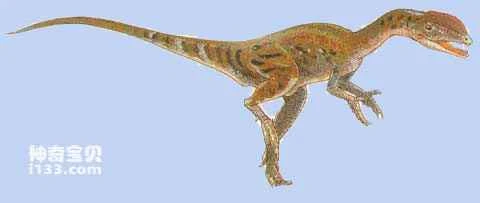
Lili Enlong
Lilianosaurus was nearly 2 meters long and weighed 100 to 140 kilograms, making it the largest carnivorous dinosaur to live at that time. It resembled the later-appearing Dilophosaurus—possessing a long neck and tail, but rather short forelimbs. Furthermore, Lilianosaurus exhibited many characteristics of early carnivorous dinosaurs, such as having five fingers on each hand. However, its fourth and fifth fingers were already degenerate and shrunk. In later carnivorous dinosaurs, the fourth and fifth fingers did not develop at all.
At this moment, the Plate Dragon, having feasted on leaves, leisurely walked into the swamp. After a hearty drink, it contentedly returned to the shore. Suddenly, the two Lilian Dragons leaped out from the hidden bushes. One of them snapped its jaws around the Plate Dragon's neck, while the other seized the opportunity to attack. After a struggle, the Plate Dragon collapsed into the shallow water, stained crimson with blood. Before long, the once-living Plate Dragon had become a delicious meal for the two Lilian Dragons.
The Lilianosaurus's attack method is similar to that of many modern predatory animals. They typically attack their prey in water because large herbivores move slowly in the water, making it difficult for them to escape predators.