The electric eel is a fascinating creature that lives in the murky waters of South America. Known for its astonishing ability to generate electricity, this fish is both amazing and unique. This article will explore everything about the electric eel, including its biology, habitat, behavior, and its fascinating role in genetic modification.

What is an electric eel?
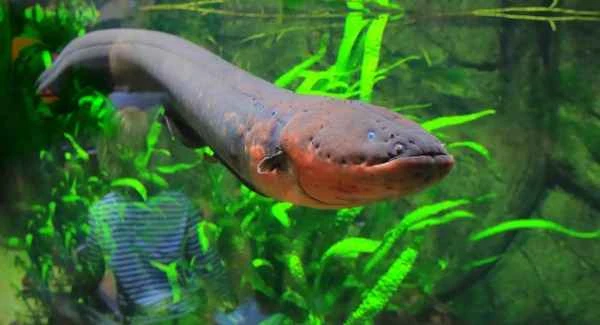
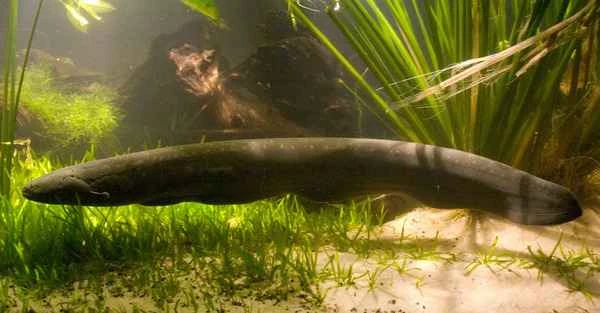
Despite being called an electric eel, the electric eel (Electrophorus electricus) is not actually a true eel; it belongs to the family Electrophoridae. This fascinating fish can grow up to 8 feet long and is mainly found in freshwater rivers and swamps in the Amazon and Orinoco basins. Their elongated bodies, dark on the upper part and lighter on the lower, blend effectively into their natural habitat.
How do electric eels generate electricity?
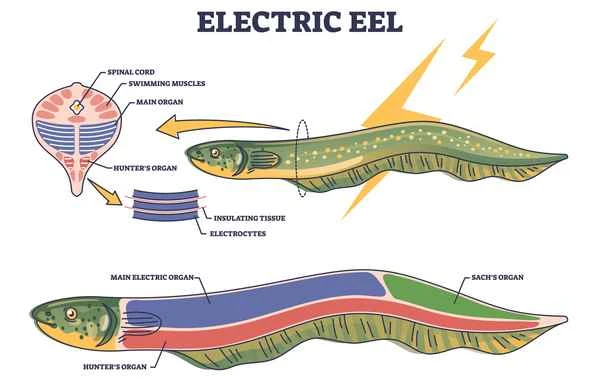
Electric eels are known for their ability to generate electric shocks, which they use for hunting, navigation, and self-defense. They possess specialized cells called electrode cells, which act like miniature batteries. When these cells are activated, they generate an electric current.
Types of electric shock
Electric eels can produce three main types of electric shocks:
Low-voltage electric shocks: Primarily used for navigation and communication, these pulses help electric eels sense their environment.
Medium voltage electric shock: used to paralyze smaller prey, making electric eels easier to catch.
High-voltage electric shocks: The most impressive ability, these shocks can reach up to 860 volts, enough to render larger animals unconscious, and are primarily used for defense against predators.
The electric shock is generated by the rapid, coordinated contraction of electrode cells, allowing the electric eel to control the intensity and duration of the shock.
Habitat and Behavior
Electric eels prefer to live in slow-moving waters such as rivers, lakes, and swamps. They favor areas with dense vegetation, which provides them with shelter and hunting grounds.
Activity Mode
Electric eels are primarily nocturnal, meaning they are more active at night. When hunting, they emit low-voltage pulses to locate prey, including fish, amphibians, and even small mammals. This electrosensory ability allows them to navigate effectively and find potential prey.
Reproduction
Electric eels have a unique reproductive process. During the breeding season, males attract females by generating a series of electrical signals. After the female lays thousands of eggs, the male fertilizes them. Notably, the male guards the eggs until they hatch, which is quite rare among fish.
Interesting facts about electric eels
Not a true eel: As mentioned earlier, electric eels belong to the family Scutiidae, not true eels.
Three known species: There are three species of electric eels, of which the common electric eel is the most well-known.
Breathing air: Electric eels are air-breathing fish, and they need to surface to breathe every few minutes, although they can hold their breath for about 15 minutes.
Highly adaptable: They can survive in low-oxygen environments thanks to their ability to breathe air.
Safety of electric eels
Although electric eels can generate powerful electric shocks, they are generally not aggressive towards humans. However, it is best to avoid contact with them in the wild, as their electric shocks can be dangerous, especially in waters with other electrical appliances.
The role of electric eels in genetic modification
Beyond their impressive electrical capabilities, recent research has revealed an unexpected role for electric eels in the genetic modification of nearby organisms. Researchers at Nagoya University discovered that electric eels can induce genetic changes in nearby fish through a process similar to electroporation—a technique that uses an electric field to create temporary pores in cell membranes, allowing DNA to enter target cells.
Research found
In the experiment, researchers exposed zebrafish larvae to a DNA solution containing luminescent markers. When the electric eels discharged electricity, approximately 5% of the larvae showed markers indicating successful gene transfer. This finding suggests that electric shocks from electric eels effectively promote the uptake of environmental DNA, revealing an unexpected aspect of their ecological impact.
Impact of discovery
This research challenges the notion that electroporation is limited to laboratory phenomena and opens up new avenues for studying genetic modification in natural environments. The electric eel's ability to act as a natural power source may lead to genetic recombination in surrounding organisms, thus expanding our understanding of genetic processes in nature.
Wider application
This discovery has significant implications for biotechnology and genetic engineering, and could lead to new technologies utilizing the principles of natural electroporation. Understanding these mechanisms could inspire further research into other electrically generating organisms, exploring their potential roles in influencing genetic changes.
The electric eel is an extraordinary creature, showcasing the wonders of nature. With its ability to generate up to 860 volts of electricity and unique survival adaptations, it remains one of the most captivating fish in the world. Furthermore, its unexpected role in genetic engineering adds further depth to its story.
As we continue to study electric eels and their interactions with other species, we may uncover entirely new insights into the complexity of life on Earth. This discovery not only highlights the importance of electric eels in nature but also inspires further exploration of the role of natural electricity in biological processes. Electric eels demonstrate the wonders of nature, revealing that even the most familiar organisms can hold secrets that challenge our understanding of biology and genetics.
Can electric eels kill people? A detailed introduction to this "high-pressure" fish.
Electric eels are peculiar creatures known for their powerful electric shocks, but just how dangerous are they? Can electric eels really pose a deadly threat to humans? This article will take you on a journey to understand the power of electric eels' electric shocks, their impact on humans, and how to safely encounter this electrically powerful animal in the wild.
What is an electric eel?
The electric eel ( Electrophorus electricus ) is not actually a true eel, but a type of knife fish, more closely related to catfish. They are native to South America, particularly the murky waters of the Amazon and Orinoco river basins. Electric eels can reach lengths of about 2.5 meters and weigh up to 20 kilograms.
How do electric eels generate electricity?
Electric eels possess specialized electrical organs filled with cells called "electric cells," which generate electricity. By releasing the energy from these cells, electric eels can generate voltages up to 600 volts —enough to power a large electrical appliance in an instant. This electricity is primarily used for navigation, communication, paralyzing prey, and self-defense.
Can an electric eel's electric shock kill a person?
While the electric shock from an electric eel is extremely painful and even dangerous, it is usually not fatal to healthy adults. However, in certain situations, this shock can lead to serious consequences, even death. Here are some risk factors:
Multiple electric shocks : Electric eels can discharge electricity repeatedly, which can quickly exhaust a person and even render them unable to swim, leading to drowning.
Heart or respiratory failure : The electric shock from an electric eel can disrupt heart rhythm or affect breathing. Although rare, such an electric shock can indeed be fatal, especially for people with heart disease.
Accidents and injuries : A strong electric shock may cause a person to lose control, especially in water, where they are more likely to hit rocks or sharp objects, resulting in external injuries.
Have electric eels ever killed people?
Although deaths caused by electric eels are extremely rare, there are indeed some documented fatalities . These deaths are mostly due to drowning caused by temporary paralysis from the electric shock or muscle fatigue. Because electric eels inhabit relatively remote areas, many incidents are difficult to verify, but experts believe that this risk does exist, although it is not common.
How to stay safe in the habitat of electric eels?
If you are swimming, fishing, or exploring in the rivers of South America, please be sure to pay attention to safety. The following tips can help you avoid potential dangers:
Avoid murky waters : Electric eels typically live in murky, slow-moving water, so try to avoid swimming or wading in areas where electric eels are known to be active.
Avoid water activities at night : Electric eels are more active at night, so try to avoid going into the water at night in areas where electric eels are known to be present.
Keep your distance : If you see an electric eel, keep a safe distance. Electric eels do not usually attack humans unless provoked, but they may do so in self-defense.
What should you do if you are unfortunately shocked by an electric eel?
If you are unfortunately shocked by an electric eel, you can take the following measures:
Stay calm : Panic can exacerbate the danger, especially in water. Take deep breaths and control your emotions.
Get to shore as soon as possible : The main danger after an electric shock is drowning, so swim to a safe location as quickly as possible.
Seek medical help : Electric shocks can have delayed effects on muscles, nerves, and the heart, so it's best to see a doctor for a check-up even if you feel normal.
Electric eels and human curiosity
Electric eels have long attracted scientists and animal enthusiasts due to their unique ability to generate electricity. In recent years, researchers have even used the electric energy of electric eels to explore the potential applications of bioelectricity, including in the medical and technological fields. Although electric eels pose a certain danger to humans, they generally avoid humans rather than actively attacking them.
So, can electric eels kill people? The short answer is yes, but it's extremely rare . An electric eel's shock can cause intense pain and discomfort, and may even be dangerous in deep water. Although the probability of death is low, it's still wise to exercise caution and respect these creatures in their habitat.
By understanding the behavior and characteristics of electric eels, we can appreciate the unique abilities of these peculiar animals while also ensuring our own safety. Whether you're an adventurer or simply someone filled with curiosity, learning about electric eels can help you avoid accidental electrocution!