In the animal kingdom, reptiles are among the most fearsome, as some are some of the deadliest creatures on Earth. In this article, we'll list the ten most remarkable characteristics of reptiles, including the world's largest reptile (saltwater crocodile), the world's smallest reptile (Yaragua gecko), the world's most primitive reptile (spotted tusk lizard), the world's fastest aquatic reptile (sea turtle), and the world's longest reptile (reticulated python). Let's take a closer look at these fascinating creatures.
1. The world's largest reptile (saltwater crocodile)
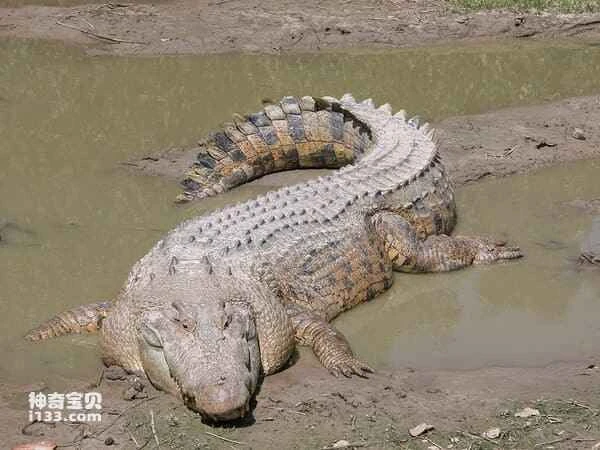
The saltwater crocodile, also known as the estuary crocodile, is a species of crocodile in the family Crocodilianidae. It is one of the largest known reptiles in the world. This crocodile gained notoriety during the Battle of Ramree Island at the end of World War II, earning it the nickname "man-eating crocodile." It occupies the top of the wetland food chain and is the largest of the 23 modern crocodile species. Notably, it is the only crocodile in the order Crocodilia without large scales on its neck and back, hence its nickname "naked-necked crocodile." Saltwater crocodiles feed on large fish, mud crabs, turtles, monitor lizards, and birds, and even prey on large animals such as wild deer, buffalo, and wild boar. The largest individuals can weigh up to 4200 pounds.
2. The world's smallest reptile (Yaragua gecko)
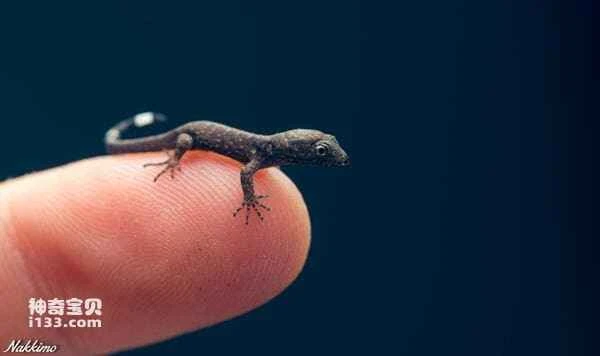
The Yaragua gecko, measuring only 1.6 centimeters in length, can easily curl up to the size of a coin, making it one of the smallest reptiles in the world. The Caribbean gecko, on the other hand, is a soft-skinned, insectivorous lizard with a short, plump body and suckers on its feet. Scientists believe the Yaragua gecko primarily feeds on small ants, spiders, and other tiny insects living in the soil, but it is also vulnerable to snakes, centipedes, and other larger lizards. This tiny lizard was discovered on the island of Beata, off the southernmost tip of the Dominican Republic.
3. The world's most primitive reptile (Spotted Wedge-toothed Lizard)
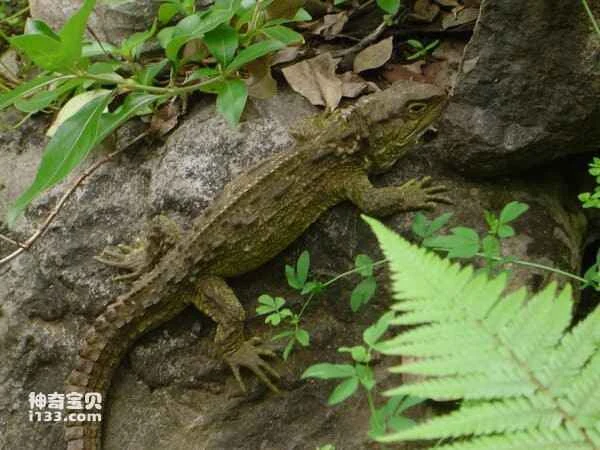
The spotted tusk lizard is one of the most primitive living reptiles, resembling ancient reptiles from 200 million years ago. It has well-developed limbs and scaly ridges on its neck and back. Adult females are about 0.4 meters long, and adult males are about 0.6 meters long, with gray or olive-green plumage and a weight of about 1 kilogram. Like fish and amphibians, the spotted tusk lizard is cold-blooded. Due to its aggressive nature, it typically lives alone in burrows, which serve not only as a refuge but also as a stronghold to defend against predators.
4. The world's fastest aquatic reptile (sea turtle)
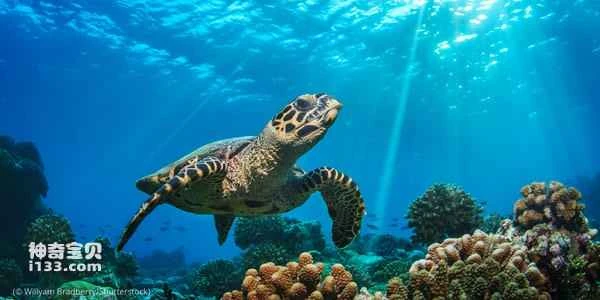
Sea turtles are among the fastest aquatic reptiles, capable of swimming at speeds up to 29 kilometers per hour. They can reach lengths of over 1 meter and have a lifespan of up to 150 years. They have a pair of prefrontal scales on their heads, and their limbs are paddle-like, with the forelimbs longer than the hind limbs and each having a claw on its inner side. Unlike some other terrestrial reptiles, sea turtles cannot retract their heads, necks, or limbs into their shells. When alive, their carapace is typically olive green or brownish-red with yellowish-white radiating stripes; their plastron is yellow, while their heads and limbs are brownish-red. Sea turtles have adapted to aquatic life, their limbs having evolved into flippers to aid in swimming. Generally, they only leave the water and come ashore during the breeding season.
5. The world's longest reptile (reticulated python)
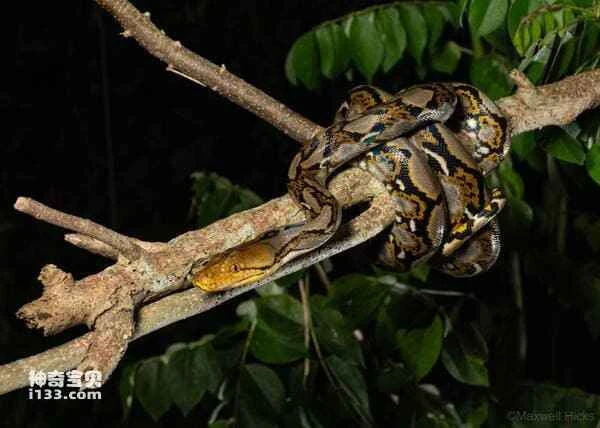
The reticulated python, known as the world's longest and most powerful constricting snake, is the longest living reptile. The largest recorded reticulated python was a 14.85-meter-long individual captured in Indonesia. This snake gets its name from its eyes extending to its mouth and its grayish-brown or yellowish-brown back covered with intricate diamond-shaped reticulated patterns of dark brown and yellow or light gray. Reticulated pythons are nocturnal, and juveniles are arboreal. They primarily inhabit tropical rainforests, woodlands, grasslands, and swamps, but can also swim. In some cases, they may even appear near villages and attack livestock.
6. The world's fastest land reptile (black mamba)
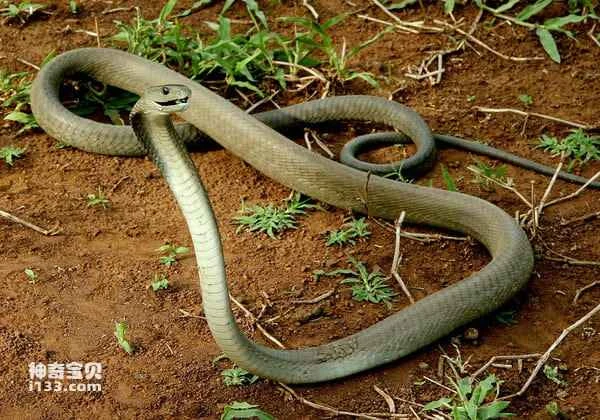
The black mamba is renowned for its exceptional speed, being one of the fastest land reptiles. It can reach speeds of 16-20 kilometers per hour over short distances, possessing astonishing lightning-fast speed. The black mamba has a slender body, typically exceeding 2 meters in length, with the longest recorded reaching 4.5 meters. Its head is rectangular, and its body color is generally grayish-brown, gradually lightening from the back to the belly. The inside of its mouth is black, clearly visible when it opens its mouth wide. Furthermore, when attacking, the black mamba can curl its upper jaw upwards, allowing its fangs to pierce nearly flat objects. The black mamba inhabits open scrubland and relatively arid grasslands, and is known for its extremely fast attack speed.
7. The slowest moving reptile in the world (Galapagos tortoise)
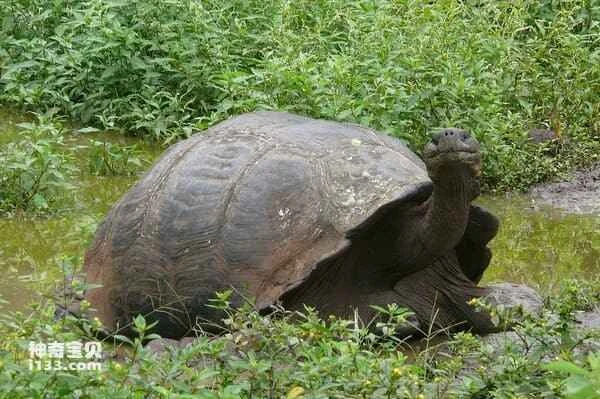
The Galapagos tortoise is known as one of the slowest-moving reptiles, with a walking speed of approximately 0.3 kilometers per hour. Physically, it possesses a large, heavy, bony, brown carapace, a crucial feature that provides rigid protection to the ribs within its skeletal structure. The pattern on the tortoise's shell resembles a shield, and although the outer layer wears down over time, it is impossible to determine the annual growth bands to pinpoint its age. The Galapagos tortoise is herbivorous, its diet consisting of cacti, grasses, leaves, moss, and berries.
8. The world's most venomous reptile (the taipan)
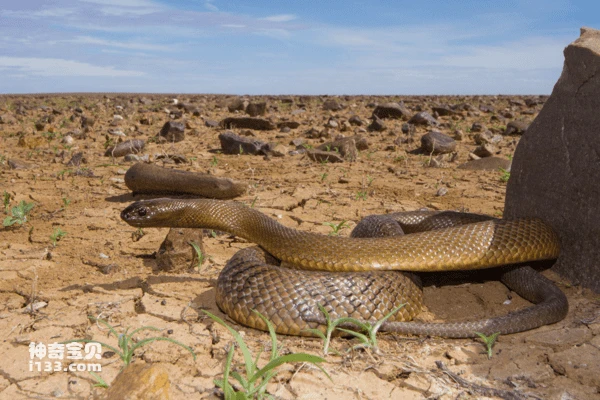
The inland taipan, also known as the scaly taipan, is renowned for its solitary nature; a single venom release is said to be enough to kill up to 200,000 mice. Compared to the common taipan, the scaly taipan is smaller, with adults typically only reaching about 2 meters in length. They have flattened, slightly pointed heads and relatively large eyes. The scaly taipan's scales are gray to yellowish-brown, sometimes edged with fine black edges. The body is usually brown or olive-green, the belly is yellowish-white, and the head is black or has black markings. Its fangs, ranging from 7.0 to 13.0 millimeters in length, are extremely venomous.
9. The world's smelliest reptile (musk turtle)
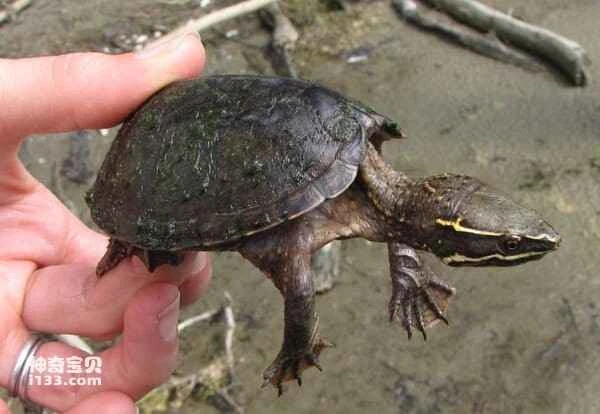
Musk turtles are known for their foul odor, making them one of the smelliest reptiles. When disturbed, they release a pungent liquid through their scent glands to deter potential predators; males, in particular, are more aggressive. These turtles have ridged carapaces with imbricate vertebral scutes that may be brown or orange with dark edging at the seams, and may have dark speckled or radiating stripes. Their plastrons are smaller, pink or yellow, with a barely noticeable hinge joint and a single gular scute. Musk turtles are typically omnivorous, their diet including a variety of plants, crustaceans, small fish, insects, and even animal carcasses.
10. The world's oldest reptile (alligator snapping turtle)
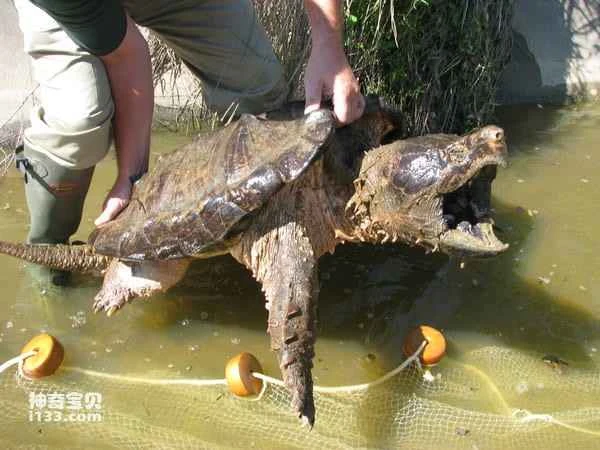
Alligator snapping turtles are among the oldest known reptiles and one of the largest freshwater turtles in the world, often referred to as the kings of freshwater animals. They can be divided into two main species, commonly known as the common snapping turtle and the small snapping turtle. In appearance, they closely resemble alligators, possessing characteristics of both turtles and crocodiles, hence their name. They have a relatively large head that cannot be fully retracted into their shell, a short and thick neck, brownish fleshy spines along their back, small eyes, a relatively small upper and lower jaw, a long and pointed snout, and a long, pointed tail with ridges on both sides. Alligator snapping turtles are carnivorous but also feed on carrion.
The list of the world's top ten reptiles is primarily based on the size, abilities, and other relevant information of each reptile, and also references other online rankings. This list is for reference only and aims to help you understand which reptiles hold the world's most impressive records. If you have any questions, please feel free to comment or offer corrections at the end.