When we think of creatures with numerous legs, we often think of millipedes. However, these creatures don't actually have a thousand legs, though the number is close, it's still astonishing. Below, I will introduce you to ten animals with the most legs in the world: millipedes, ground centipedes, golden-headed centipedes, house centipedes, stone centipedes, caterpillars, woodlice, crabs, lobsters, and various insects. These creatures stand out in nature with their unique leg features.
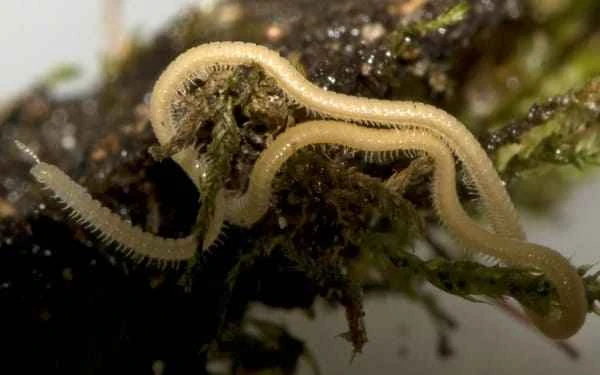
1. Millipedes (approximately 375 pairs)
Millipedes, also known as "thousand-legged worms," don't actually have thousands of legs. However, a species called *Illacme plenipes* has been recorded with as many as 750 legs, quite close to a thousand. Compared to the average number of legs for a typical millipede, this species has an average of over 600 legs, twice the average. Interestingly, despite having more legs than any other animal on Earth, these millipedes are incredibly tiny. Females are only slightly over 2.54 centimeters long, while males are even smaller, and they have correspondingly fewer legs.
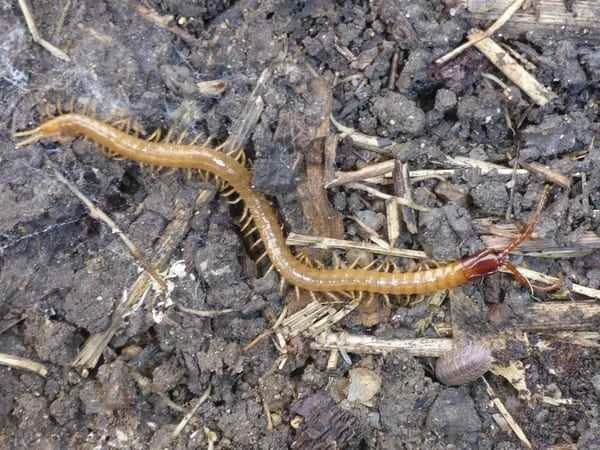
2. Ground centipedes (31-181 pairs)
The ground centipede is a widely distributed centipede endemic to China, exhibiting diverse physical characteristics, primarily characterized by its slender body. It is particularly common in southern China, with the largest known individuals exceeding 35 centimeters in length. They generally have low venom content, prefer damp environments, and feed on small insects. Their distinctive features include a relatively wide head and a thinner tail. Despite its name, it is not a typical centipede but belongs to the order Scolopendra, endemic to my country. This centipede is a natural predator of silverfish and possesses 31 to 181 pairs of legs.
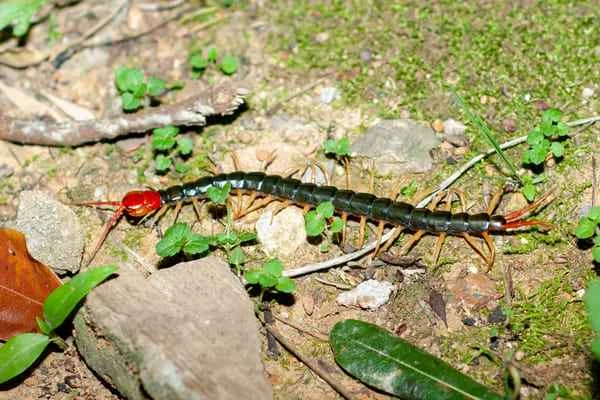
3. Golden-headed centipedes (21 pairs)
The golden-headed centipede is a common medicinal centipede, widely farmed due to its suitability for artificial breeding, high reproduction rate, and strong disease resistance. Generally, these centipedes range in length from 8 to 25 centimeters, with a pair of antennae on their heads and 21 pairs of legs and 21 body segments. Golden-headed centipedes prefer damp, dark environments and have an extremely wide distribution, found on almost all five continents except Antarctica and the Arctic. They feed on various insects, snakes, frogs, and other prey.
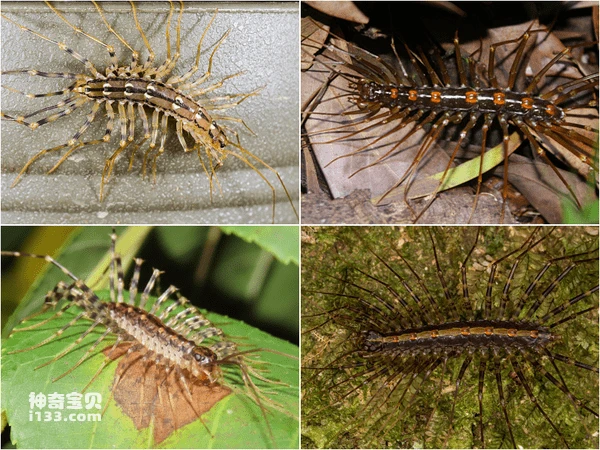
4. Centipedes (15 pairs)
The house centipede (scientific name: *Salvia spp.*) is a common small insect closely related to centipedes. It prefers to inhabit damp environments both inside and outside homes. Generally, it measures between 1.5 and 5 centimeters in length, with a body divided into fifteen segments and an average of about 15 pairs of legs, the last pair being particularly long and prone to detachment. The centipede's spiracles are located in the center of its back, and it possesses relatively long antennae and quite large venomous mandibles. This species has a slow metabolism, slow growth rate, and low reproductive capacity, but a very long lifespan. There are several subspecies of house centipedes; the common Chinese house centipede, also known as the flower house centipede, is distributed in the southern provinces and feeds on small insects.
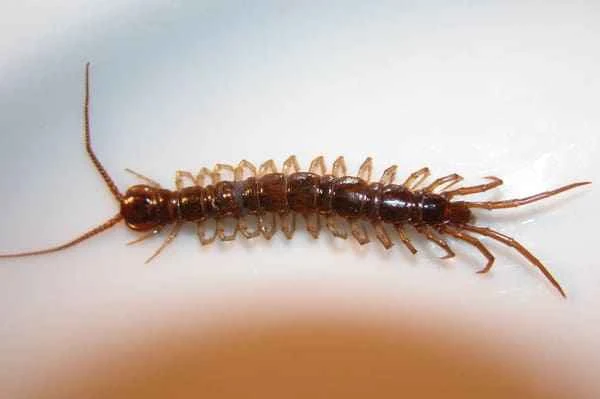
5. Stone centipedes (15 pairs)
Stone centipedes belong to the subphylum Myriapoda and class Chilopoda within the phylum Arthropoda. They resemble centipedes in appearance but are shorter and have 15 pairs of legs. More than 1,100 species of stone centipedes have been described globally, but only 47 species in 10 genera (subgenera) have been recorded in China, representing only 5% of the global total. Their habits are similar to those of common centipedes: they are photophobic, hiding during the day and active at night. They prefer to inhabit dark, warm, and well-ventilated environments, where they typically prey on insects and small mammals.
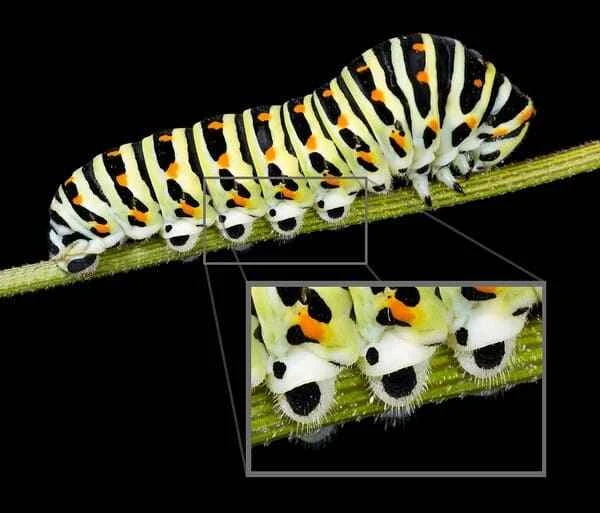
6. Caterpillars (8 pairs)
Caterpillars typically refer to the larval stage of butterflies or moths. They move slowly and usually have three pairs of thoracic legs, while their abdominal and anal legs are mostly five pairs. Some caterpillars have many poisonous bristles on their bodies; if a person accidentally comes into contact with them, it may cause skin redness and discomfort. They are widely distributed and can be found on various types of trees. They usually possess stunning camouflage, but they also carry considerable toxicity. Contact may cause local skin redness and other discomfort, so it is best to keep your distance and avoid touching them.
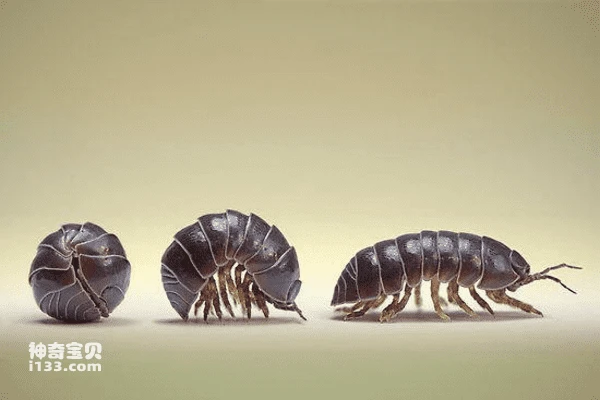
7. Woodlice (7 pairs)
Woodlice, also known as sowbugs or ground beetles, are typically oval or oblong-oval in shape, with a relatively flat body and a slightly raised back, capable of curling into a ball. They possess seven pairs of slender thoracic limbs, adapted for terrestrial movement. There are over 150 species of woodlice worldwide, most of which are widely distributed. Their bodies are mostly oblong-oval, and they are found from the coast to high-altitude areas of approximately 5000 meters. Common species in China include the woodlice and the smooth woodlice.
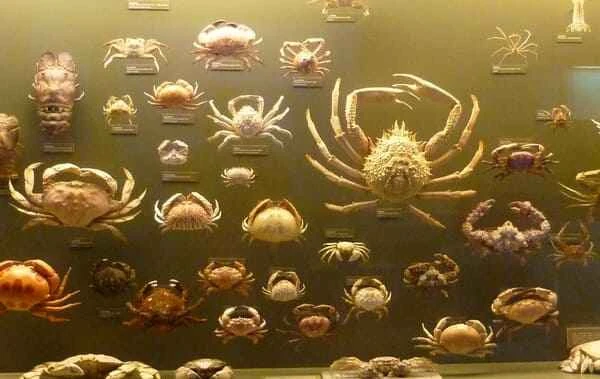
8. Crabs (4 pairs)
Crabs belong to the crustacean class, with their bodies divided into a cephalothorax and an abdomen. The dorsal side of the cephalothorax is covered by a carapace, the shape of which varies depending on the species. The frontal region has the first and second pairs of tentacles in the center, and stalked compound eyes on the outer sides. The mouthparts consist of one pair of mandibles, two pairs of maxillipeds, and three pairs of maxillipeds. There are five pairs of thoracic legs on either side of the carapace. Most crabs are marine animals, especially abundant in tropical shallow seas. A few crabs live in freshwater, and some, such as the mud crab, are adapted to terrestrial life, often inhabiting damp mud burrows.
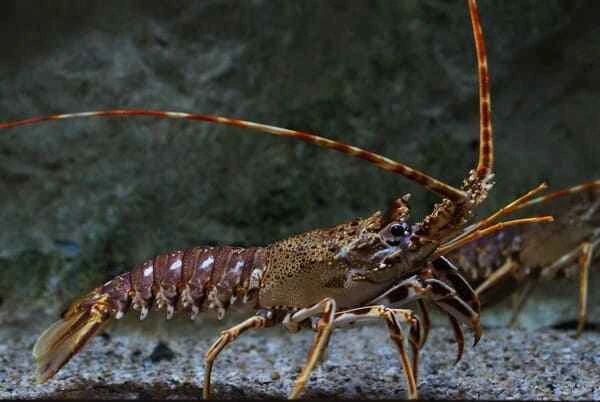
9. Lobsters (4 pairs)
Lobsters, also known as giant lobsters or dragonhead lobsters, are a type of arthropod belonging to the family Palaemonidae in the order Decapoda of the class Malacostraca. They have a relatively large cephalothorax with a hard, brightly colored exoskeleton, and a relatively short abdomen, typically measuring between 20 and 40 centimeters in length. Their thorax has five pairs of legs, one or more of which are often modified into claws, with one claw usually larger than the other. Lobsters are extremely adaptable; surveys have shown that they can survive in lakes, rivers, ponds, canals, and paddy fields, and even in waters unsuitable for fish.
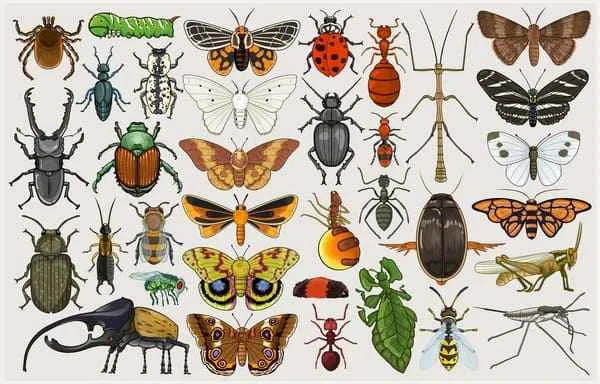
10. Insects (3 pairs)
Insects are arthropods, invertebrates, and constitute the largest animal group on Earth, found in almost every corner of the world. An insect's body is divided into three parts: head, thorax, and abdomen. Adult insects typically have two pairs of wings and six legs, located on the thorax. Their bodies are composed of a series of segments that converge into three segments. They possess a pair of antennae on their heads, while their skeletons are encased in the body. Their ecological forms are diverse, and they are found globally, making them the most diverse group of arthropods.
The list of the ten animals with the most legs was compiled by searching relevant online platforms to find the number of legs on each animal, taking into account their fame and influence. If you have any questions, please feel free to comment and correct us at the end.