In the animal kingdom, teeth serve as powerful tools for hunting, defense, and survival. From massive fangs to sharp incisors, many animals have evolved impressive teeth to thrive in their environments. In this article, we'll delve into the largest animal teeth on Earth, ranking them by size and importance.
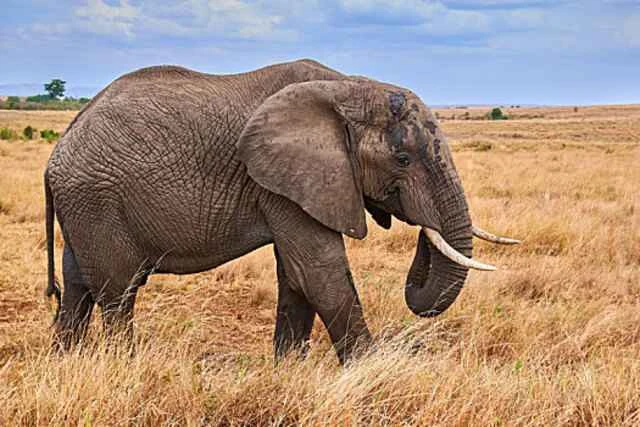
1. African elephant (Loxodonta africana) – Tusks: up to 10 feet (3.05 meters) long
African elephants are the largest land mammals and also possess the largest teeth in the animal kingdom. Their tusks are essentially long, slender incisors that can reach an astonishing 10 feet (3.05 meters) in length. Each tusk weighs between 50 and 100 pounds (23 to 45 kilograms) . Elephants use their tusks for a variety of purposes, such as digging, lifting objects, gathering food, and defending against predators.
Besides their tusks, African elephants also have large molars, about 12 inches (30 cm) long. However, what truly sets these gentle giants apart in terms of tooth size is their enormous tusks.
2. Narwhal (Monodon monoceros) – Tusks: up to 10 feet (3.05 meters) long
Narwhals, often called "unicorns of the sea," possess some of the most unique and longest teeth in the animal kingdom. The tusks of male narwhals are actually enlarged versions of their canines, and can grow up to 10 feet (3.05 meters) long .
These spiral-shaped tusks, often mistaken for horns, grow on the left side of the narwhal's upper jaw. While the exact function of the tusks remains controversial, they are believed to have been used for mating displays, social interaction, or possibly as sensory organs.

3. Walrus (Odobenus rosmarus) – Tusks: Up to 3.3 feet (1 meter) long
Walruses are known for their impressive tusks, which can grow up to 3.3 feet (1 meter) long. These tusks are long, thin canines, present in both males and females, but the males' tusks tend to be longer.
Each walrus tusk weighs up to 12 pounds (5.4 kilograms) and is primarily used to drag its massive body from the water onto ice floes, as well as to display dominance among male walruses. They can also use their tusks to break ice and protect themselves from predators such as polar bears.

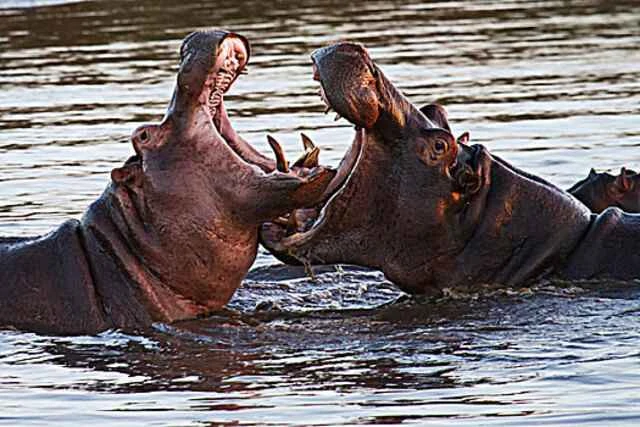
4. Hippos (Hippopotamus amphibius) – Canines: up to 1.6 feet (50 cm) long
Hippos are another mammal with amazing teeth. Their lower canines, commonly known as tusks, can grow up to 1.6 feet (50 centimeters) long. In addition, their incisors can grow up to 1 foot (30 centimeters) long. These huge teeth are not just for show; hippos are highly territorial and use their teeth in aggressive displays and fights with other hippos.
Hippos also have the strongest bite force among land animals, estimated at 1,800 pounds per square inch (psi) , which makes their teeth both deadly and powerful.
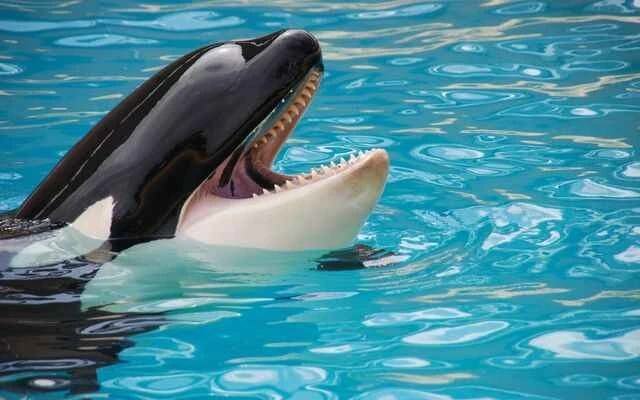
5. Orca (Orcinus orca) – Teeth: Up to 4 inches (10 cm) long
Orcas, also known as killer whales, possess the largest teeth of any carnivorous marine animal. These conical teeth can grow up to 4 inches (10 centimeters) long. Orcas have approximately 40 to 56 teeth, which they use to capture and tear apart prey, which can include fish, seals, sea lions, and even other whales.
Despite their fearsome reputation, orcas possess highly specialized hunting skills and live in close-knit social groups, often referred to as "social animals."
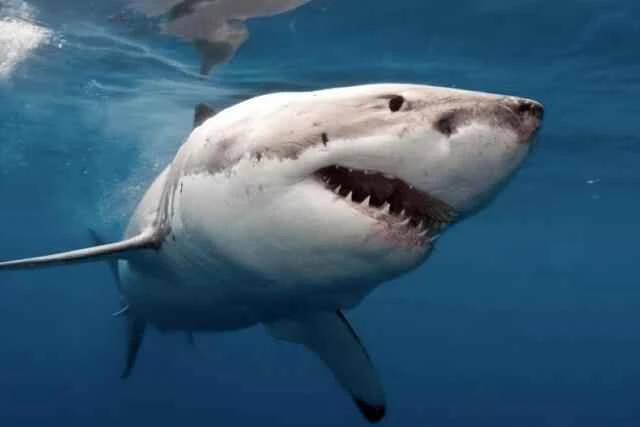
6. Great White Shark (Carcharodon carcharias) – Teeth: Up to 3 inches (7.6 cm) long
Great white sharks are known for their fearsome nature, largely thanks to their enormous, serrated teeth. These teeth can grow up to 3 inches (7.6 cm) long and can tear apart a shark's rows of teeth. When one tooth falls out, another quickly moves forward to take its place. This ensures that the great white shark is always ready for its next meal.
Unlike mammals, sharks' teeth have a continuous regeneration cycle, which is crucial for tooth wear.
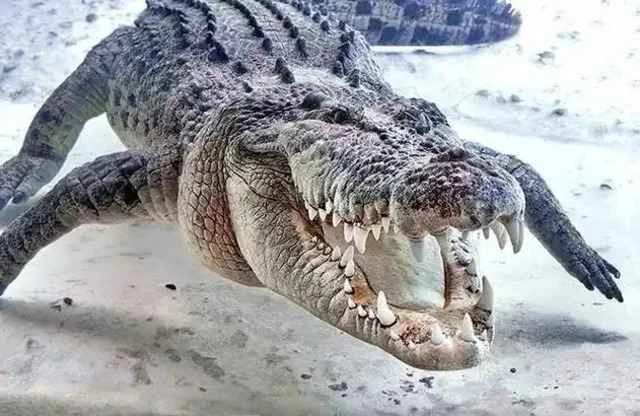
7. Saltwater Crocodile (Crocodylus porosus) – Teeth: Up to 5 inches (12.7 cm) long
Saltwater crocodiles are the largest reptiles in the world, possessing some of the largest teeth in the animal kingdom. Their teeth can grow up to 5 inches (12.7 cm) long. Crocodiles use their powerful jaws and sharp teeth to capture and seize prey, which can be fish, birds, or large mammals.
Crocodiles do not chew their food. Instead, they grab their prey with their teeth, then perform a death roll to tear it into easily manageable pieces before swallowing it.
8. Sperm whale (Physeter macrocephalus) – Teeth: Up to 8 inches (20 cm) long
Sperm whales are the largest of the toothed whales, possessing conical teeth that can grow up to 8 inches (20 cm) long. These teeth are located only in the whale's lower jaw. Although sperm whales primarily feed on squid, their teeth are used more for grasping than for chewing their prey.
Sperm whales are known for their deep-sea diving ability and their enormous heads, which contain the largest brains in animals and unique whale brain oil organs.

The size and shape of an animal's teeth can often reveal its diet, habits, and ecological role. Whether used for defense, hunting, or social interaction, these enormous teeth are among the most fascinating adaptations in nature. From the massive tusks of elephants and narwhals to the sharp teeth of killer whales and sharks, these creatures have evolved specialized teeth that enabled them to survive and reproduce in their respective environments.
Summary of the largest animal teeth:
| animal | Tooth type | size |
|---|---|---|
| African elephant | ivory | Up to 10 feet (3.05 meters) tall |
| narwhal | ivory | Up to 10 feet (3.05 meters) tall |
| walrus | ivory | It is 3.3 feet (1 meter) long. |
| hippo | canines | It is 1.6 feet (50 centimeters) long. |
| Orca | teeth | Up to 4 inches (10 cm) long |
| Great White Shark | teeth | It is up to 3 inches (7.6 cm) long. |
| Saltwater crocodile | teeth | It is up to 5 inches (12.7 cm) long. |
| sperm whale | teeth | Up to 8 inches (20 cm) long |
By understanding these impressive teeth, we can gain a deeper understanding of how animals evolve and adapt to their environments. Whether for display, survival, or dominance, these teeth are among the most striking features in the animal kingdom.