Beef, as one of the most common meats, ranks third in global consumption, after pork and poultry. Beef quality varies greatly, so which types of beef are the most delicious? This article summarizes the ten best-tasting beefs in the world, including Japanese Wagyu, Australian Wagyu, Angus beef, Argentinian beef, New Zealand beef, Canadian beef, Charolais beef, Chianina beef, Oblak beef, and Brazilian beef. Let's learn about these most delicious beef varieties in the world and related information.
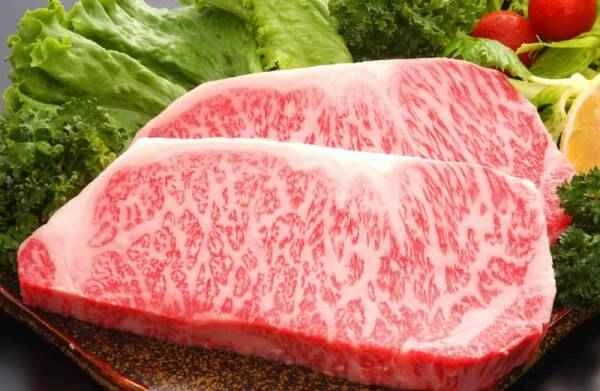
1. Japanese Wagyu beef (marbled texture/perfect balance of fat and lean/melts in your mouth)
Japanese Wagyu beef is considered one of the most delicious beef breeds in the world. It originated from the improvement of the Raiten-no-Simmental bull in Japan in 1956, becoming one of the most successful breeds. Kobe and Matsusaka are the two major Wagyu producing regions in Japan, producing Wagyu beef with a delicate texture, clear marbling, and evenly distributed fat and lean meat. It offers a delicious taste regardless of the cooking method. The meticulous Japanese classify Wagyu beef into 15 grades, based on the degree of marbling, meat color, meat firmness, and fat color, divided into three standards (A, B, and C) and five grades (1-5). A5 grade Wagyu is the highest quality, typically priced at around 30,000 yen per kilogram.
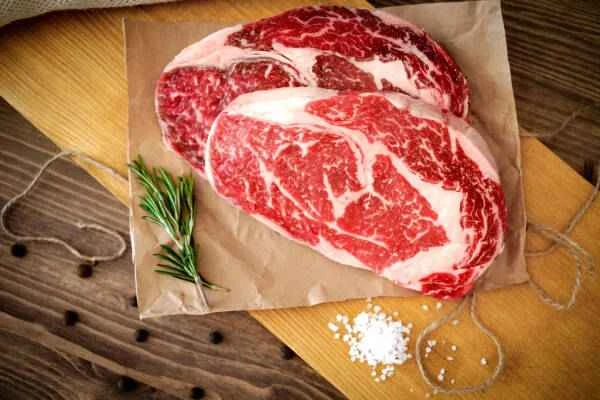
2. Australian Wagyu beef (sweet and buttery flavor/tender texture/juicy)
Australian Wagyu, a breed of beef developed through a cross between Australia and Japan, offers better value for money compared to purebred Wagyu. Australia's pristine environment and grasslands contribute to the tender and unpolluted texture of its beef. Furthermore, Australia has very strict quality grading for beef, typically dividing it into nine grades, from M1 to M9. Higher grades have more marbling, with M9 being the highest. However, Australian beef tends to have a relatively mild flavor; even the M9 grade is only comparable to Japan's A3 grade. The top-grade Black Angus and Wagyu beef supplied to the Hong Kong market largely originate from Australian Wagyu. Australian Wagyu shares a similar taste with Japanese Wagyu, both possessing a delicate and flavorful taste, and different grades of Australian Wagyu are prepared in different ways.
3. New Zealand beef (high elasticity and firmness / low fat and low calories)
New Zealand is renowned as one of the world's most expansive grassland countries, where animals roam freely in pristine environments. New Zealand beef, in particular, is highly praised for its free-range, grass-fed cattle. This has made New Zealand one of the world's top ten beef exporters. Hastings, on New Zealand's North Island, is considered the premier beef-producing region. Here, cattle are raised using natural grazing methods, resulting in meat that is more elastic and resilient than that of cattle raised in barns. Whether stewed or boiled for a long time, New Zealand beef remains tender and juicy, preventing it from becoming tough. Therefore, many chefs prefer to use New Zealand beef for culinary innovation. 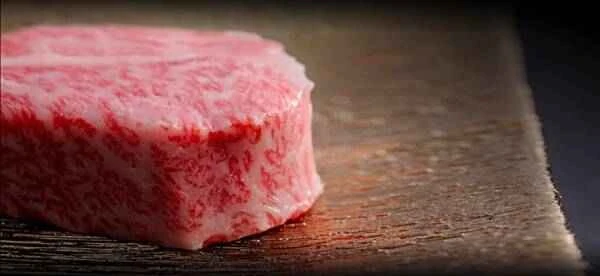
New Zealand beef products are divided into three grades: PS, Young Bull, and Cow. PS grade beef is fatty and tender, with an excellent reputation, and naturally, it is the most expensive. Young Bull grade beef is tender and has a rich texture, maintaining a certain price level. Cow grade beef is lean and flavorful, and is the most affordable.
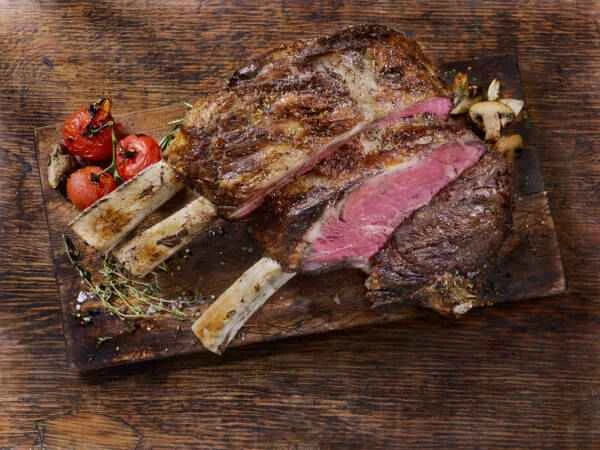
4. Canadian beef (rich aroma/full-bodied texture)
Canadian premium beef originates from Alberta, a region boasting some of the world's finest grasslands and water sources. These are key factors in cultivating top-quality beef. This beef is internationally recognized as a top-tier breed, highly sought after locally and exported to numerous countries. Canada's abundant grain production means the beef is raised on barley, wheat, and corn, resulting in a delicious flavor. Dishes made with Canadian beef, such as tenderloin and short ribs, are exceptionally flavorful. Similar to American beef, Canadian beef is graded into 13 levels, with most falling into the A, AA, AAA, and Prime grades. This indicates rich marbling, tender texture, a vibrant red color, and white fat. In restaurants, this high-quality steak is often considered a top choice.
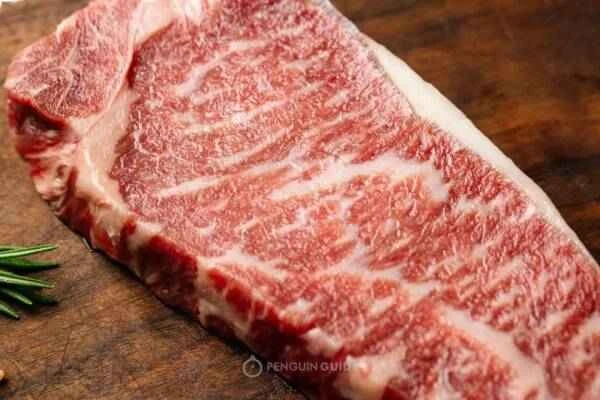
5. Angus beef (tender and flavorful/better tastes after chilling)
Angus beef is a highly sought-after premium beef breed from northern Scotland, prized in the UK. Today, authentic Angus beef is also available in the US, Australia, and New Zealand, boasting exceptional quality and flavor. For optimal taste, Angus beef needs to be chilled below 10 degrees Celsius for 10-14 days. This chilling process naturally breaks down the protein fibers in the beef, making it more tender and flavorful. Unchilled Angus beef is quite firm, while over-chilled beef can become tough. Therefore, Angus beef is considered one of the world's three major beef cattle breeds, requiring meticulous attention to breeding, raising, slaughtering, and storage. Angus beef is not only exceptionally tender but also has a remarkable flavor, making it the only beef brand in the world named after its breed.
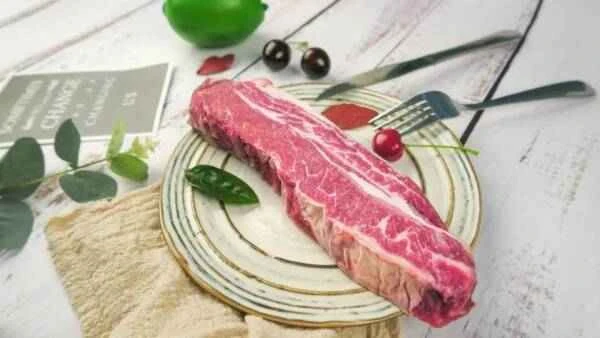
6. Charolais Beef (Tender and fatty/Delicious and juicy)
Charolais beef is one of the finest cuts of beef in France, renowned for its vibrant red color, delicate texture, and exquisite flavor, making it a true gem among beef. Compared to regular beef, Charolais beef is clearly of a higher grade. Its meat is bright red, finely marbled, elastic, and exhibits perfect marbling. The fat is white or slightly yellowish, and the carcass is 100% covered in fat – a standard rarely achieved by ordinary beef. French cuisine is renowned worldwide, and so is French beef. The fertile pastures of the lowlands and Alpine meadows, situated in temperate maritime climates, provide a unique and superior environment for tens of thousands of Charolais cattle. Charolais beef is rich in protein, containing 8-9.5% protein, with a digestibility rate exceeding 90%, providing the body with more than twice the energy of pork, and has long been a favorite among consumers.

7. Chianina Beef (Fresh and not greasy/Suitable for eating raw)
Chiane beef is an ancient breed of cattle originating in the Chiane Valley of Italy. It was recognized as one of the world's largest beef cattle breeds in 1932 and listed as a superior breed. This beef boasts excellent texture and a pronounced marbling pattern. After cooking, it offers a wonderful flavor. Grade 1 meat accounts for 52.2% of the total meat, while fat comprises only 4.1%. Therefore, Chiane beef is highly popular in Europe and America, where meat consumption is high.
Chianna beef, commonly found on dining tables, is mostly from female cows, while bulls are typically used for breeding. Due to the pure white and elegant color of the female cow's skin, Chianna beef is considered to be of higher quality. This beef is often sliced thinly and can be eaten raw; it is tender and not greasy. One of the most popular classic dishes is Italian-style grilled Chianna beef, where its rich flavor and smoky aroma complement each other perfectly. This dish paired with a sauce is simply divine and mouthwatering.
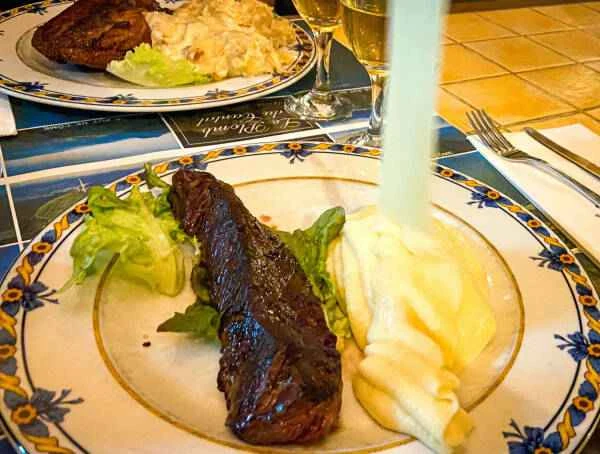
8. Oblak beef (tender, juicy, and springy)
Auberc is a top-quality beef breed originating in France. These cattle live on the grasslands of southern France at altitudes exceeding 1000 meters. Their ideal natural environment contributes to the development of tender, juicy, and naturally flavorful beef. Auberc cattle are medium-sized and adept at foraging in mountainous regions. They have firm muscles, are not picky eaters, and can accept feed from different seasons. However, they prefer the rich, juicy pastures of spring and summer. Auberc beef possesses a unique vegetal aroma that cannot be achieved in other regions.
Aubrac beef from France is renowned for its melt-in-your-mouth texture, tender and juicy flesh. These unique characteristics demand a higher level of culinary skill. Classic Aubrac steak is often served with potatoes, vegetables, and herb sauces to enhance its flavor.
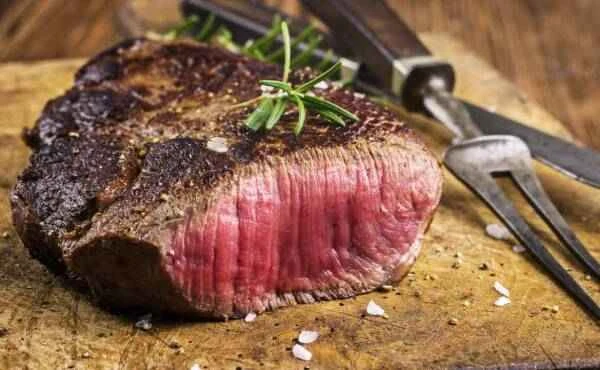
9. Argentine beef (low in fat/rich in flavor/tender texture)
Argentina is renowned for its vast, natural grasslands, where the number of cattle and sheep reportedly exceeds the population. Utilizing this natural environment, Argentina has cultivated high-quality beef, earning it the reputation of being a "world meat bank." In Argentina, beef is raised entirely organically; cattle graze freely on pristine pastures, growing naturally without any artificial additives. Due to the longer growth period, even raw Argentine beef lacks any gamey smell. Furthermore, Argentine beef boasts a rich aroma, healthy texture, and abundant nutrients. It is high in protein but low in cholesterol, making it a popular choice for health. Argentine beef also incorporates European cattle-raising techniques, employing a dual approach of free-range grazing and fixed-grain feeding. This method results in tender, juicy, sweet, and richly flavored Argentine beef.
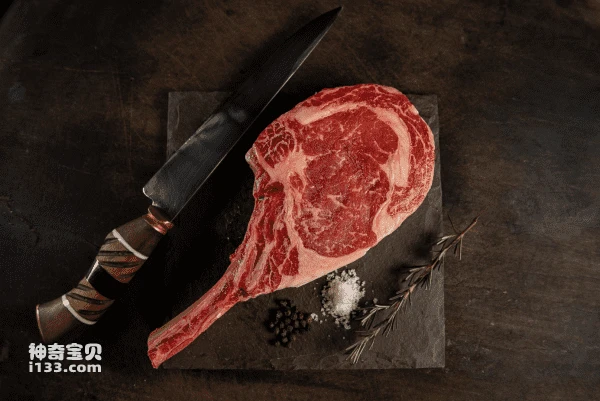
10. Brazilian beef (low fat/firm texture)
Brazilian beef is not only a global leader in production but also renowned for its exceptional breed. This beef is considered one of the most delicious in the world. Brazil's excellent pasture quality and low land prices mean that most Brazilian beef comes from hormone-free, natural pastures. Only during the dry season are small amounts of corn or soybean meal added as supplementary feed. Therefore, Brazilian beef is considered a naturally green meat. Most Brazilian cattle belong to the Zebu breed, with the Nellol cattle being the most outstanding. The beef they provide aligns with the currently popular low-calorie diet. Furthermore, the Cliro cattle are also of exceptional quality. When roasted directly without any seasoning, they possess a particularly delicious and rich flavor.
The list of the 10 best-tasting beefs in the world is compiled based on the quality, taste, and popularity of different types of beef from around the globe, combined with data from relevant online rankings. The ranking is for reference only, and any questions or corrections are welcome in the comments section at the end of the article.