1. Island Tree Frog (Litoria insularis), Papua New Guinea
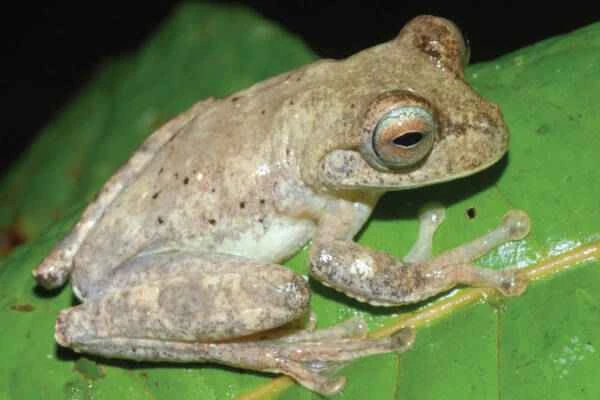
Litoria insularis is a new frog species described by two Australian scientists. It is part of the L. thesaurensis species group, but detailed morphological and genetic analysis has proven it to be an undescribed species. It is found only in the Nacanai Mountains of New Britain, Papua New Guinea. Discovered at a single location, it has been described only from a few male specimens collected in the past. Due to the scarcity of knowledge about this species, scientists have recommended listing it as a data-deficient species in the IUCN Red List.
2. Principe Scops Owl (Otus bikegila), Democratic Republic of São Tomé and Príncipe
Researchers have announced a new species of owl belonging to the genus *Otus bikegila*. One of the key clues leading to the discovery of this species is its distinctive call—a rapid, repeated, short “tuu” note that sounds somewhat like an insect’s call. Pairs of owls often make a duet of calls as night falls. The species’ common name reveals its location—Príncipe Island, part of the Democratic Republic of São Tomé and Príncipe, located off the coast of Central Africa.
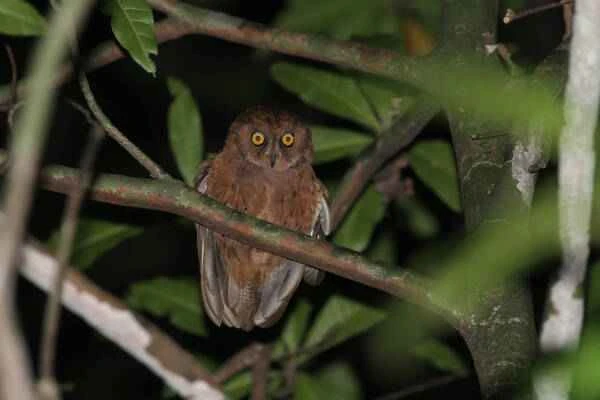
As part of their work, the scientists surveyed the entire island to determine its distribution and population size, discovering that it lives only in the uninhabited southern part of the island, in the remaining primary forests. Due to its extremely limited range, the scientists recommended listing the species as critically endangered.
3. Southern-haired sloth (Bradypus crinitus), Brazil
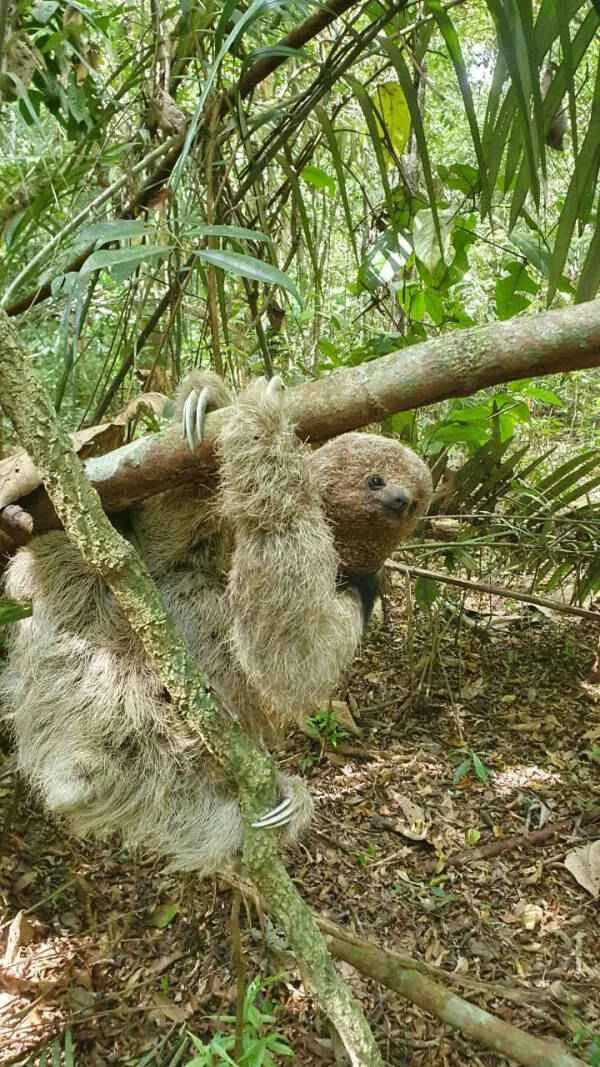
The vast majority of the newly described species are plants, invertebrates, fish, or amphibians, but occasionally mammals are included. Sometimes, the size is astonishing. Scientists previously believed there was only one species of maned sloth. However, taxonomic review, including morphological and DNA analysis, as well as field observations, has revealed that there are actually two species of maned sloths—the northern sloth (B. torquatus) and the southern sloth (B. crinitus). Both species are endemic to the Atlantic Forest of Brazil; the southern maned sloth is found in Rio de Janeiro and Espírito Santo, while the northern maned sloth is found in Bahia and Sergipe.
4. Gecko (Lygodactylus fritzi), Madagascar
One of eight newly discovered species of small geckos in Madagascar, each no larger than an index finger. An international team of scientists described *Lygodactylus fritzi*, belonging to the subgenus *Domerguella*, in a new paper. The individual pictured is believed to be feeding on honeydew secreted by a nearby insect, a known behavior among gecko species. All eight species are considered endangered or critically endangered.
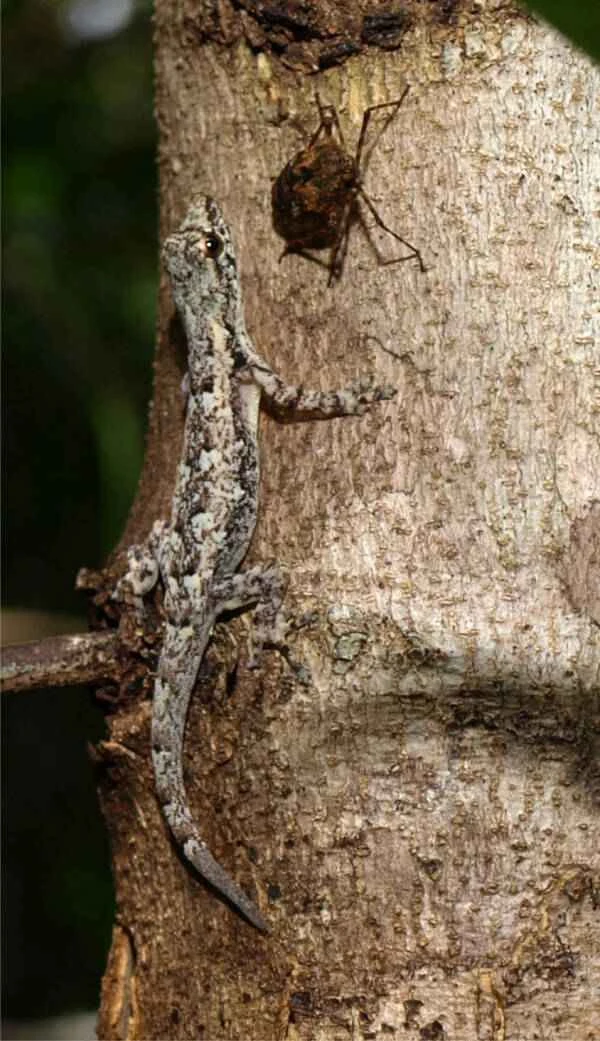
This species was identified from new and historical specimens collected from two coastal lowlands in north-central Madagascar. Madagascar's coastal forest regions are rich in biodiversity, boasting a range of endemic plants, amphibians, reptiles, and insects. Over the past 30 years, this East African island nation has described more than 150 new reptile species.
5. Tapir Tree Frog (Tlalocohyla celeste), Costa Rica
This brightly colored frog is a newly discovered species of frog, commonly known as the "tree frog and its allies," found in a wildlife reserve in Costa Rica. The Tapir Valley Nature Reserve, formerly a cattle ranch, has been restored over 18 years by Donald Valera Soto and is now home to Baird's tapirs, peccaries, and jaguars.
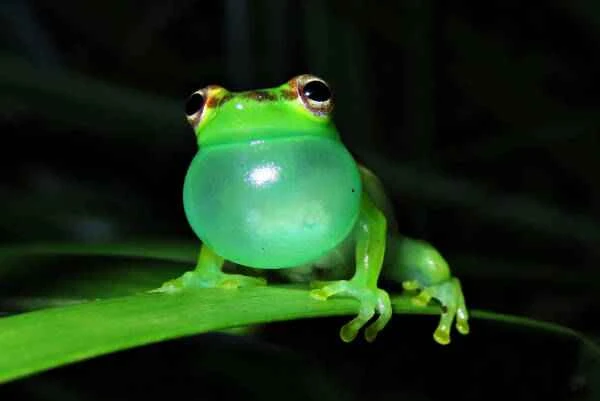
While working in the wetlands of the protected area, he heard an unfamiliar frog call—a sharp cry that was part of a chorus of other frog species. After six months of searching for the frog making the call, he found it—only two centimeters long, hidden in tall grass—and sought help from herpetologists around the world to identify it.
Many people thought it was a canal area tree frog, but the two frogs called differently, so Donald continued his search within the reserve. Eventually, he and a team discovered the male and female in a huddle (the mating embrace of frogs) and were able to identify which eggs belonged to them. After studying the morphology of the adults and tadpoles and analyzing the species' DNA, it was confirmed as a scientifically new species.
6. Prasat scorpion (Paruroctonus soda and P. conclusus), USA
Two high school students at the California Academy of Sciences recently discovered two new species of scorpions. Harper Forbes and Prakrti Jain discovered an unidentified species while reviewing observations on the community science platform iNaturalist. After further research and fieldwork, it was identified, along with co-author Dr. Lauren Esposito, as a new species: *P. conclusus*. Shortly afterward, the trio discovered another new scientific scorpion through iNaturalist, now known as *P. soda*.
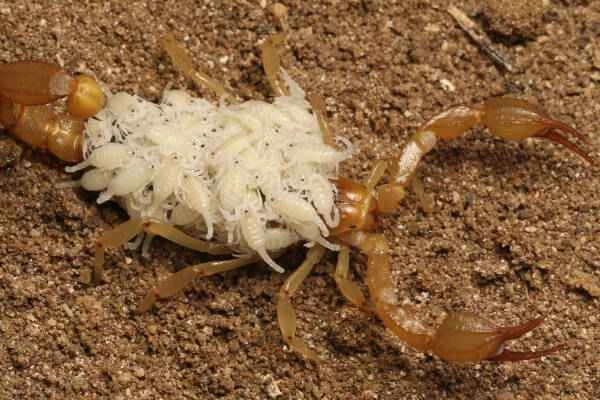
These two new species are Praia scorpions, a group of scorpions found only in the Praias or dry lakebeds of central and southern California. It is believed that each species is limited to the Praias in which they are found.
7. Illyria viridis, Western Australia
The genus *Illyria*, first created by Dr. Max Moulds in 1985, has comprised only four species of cicadas for nearly four decades. However, Moulds' new paper adds this beautiful cicada species to the genus, bringing the total number of new species and genera added to cicada taxonomy in Western Australia to 12!
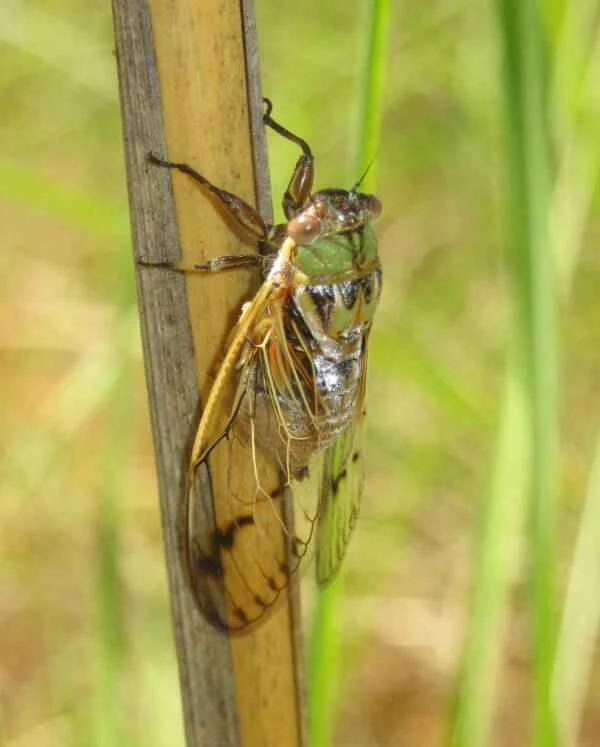
The newly described Yidiyidi cicada is already familiar to the local Wuggubun people, a small Aboriginal community in the Kimberley region of Western Australia. It appears after the first rains of December, during the hot days and at dusk, with males emitting a “continuous, slightly croaking call.” The species’ common name, “Yidiyidi,” comes from the Wuggubun people, while a specific part of its scientific name, “viridis,” means green, referring to the species’ green color.
8. Giant dragon bone slug (Limaxpseudocinereoniger), Montenegro
Introducing Europe's newest slug species—it's about the size of a medium-sized carrot! It's brownish-gray with a ridge along its back and measures 20 centimeters in length. It seems strange that such a large animal hadn't been discovered in Europe for so long, despite extensive research into its flora and fauna. It had been lurking under the guise of a closely related species, *Lactobacillus griseus*.
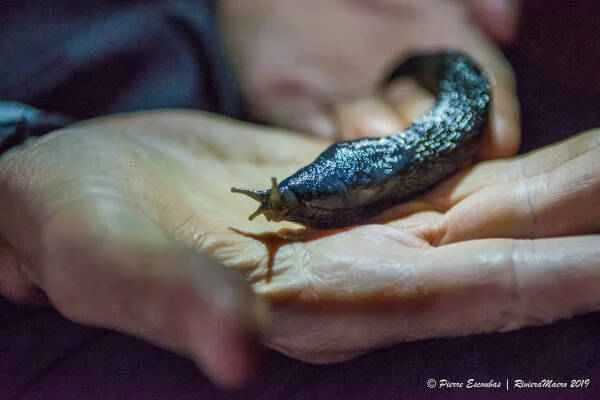
An international team of citizen scientists is participating in a field expedition with Taxon Expeditions, exploring the Tara Canyon in Montenegro. This is Europe's largest and deepest canyon and part of the Tara River rafting route. While exploring the canyon in inflatable rafts, the scientists discovered these slugs hiding beneath rock protrusions in the narrowest part of the canyon, where they also found *Lactobacillus grayi*. Further morphological and genetic analysis revealed that the two slugs are distinct species, including differences in their reproductive organs.
The scientific name of this new species, “pseudocinereoniger”, includes the prefix “pseudo-”, which comes from the Greek word “pseudes”, meaning “false”. Therefore, the name refers to the superficial similarity of this species to L. cinereoniger.
9. Bernio Oldfield mouse (Thomaomys burneoi), Ecuador
Ecuador has discovered a new Andean rat species, thanks to a recent paper describing *Thomasomys burneoi*, found in the remote and inaccessible humid mountain forests of Sangue National Park in the Andes, at altitudes between 3,400 and 3,900 m. Measuring 167–184 mm in length, it is the largest *Thomasomys* species in Ecuador.
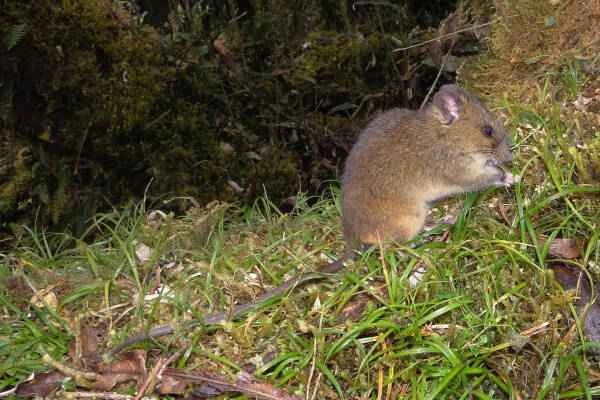
The description of this mouse brings the total number of Thomasomys species to 48, 18 of which can be found in Ecuador. The species name “burneoi” is in honor of Santiago F. Burneo, an Ecuadorian mammalogist at the Catholic University of Ecuador, “in recognition of his teaching and support of mammalogists in Ecuador and the United States.”
10. Jiangxi Giant Salamander (Andrias Jiangxiensis), China
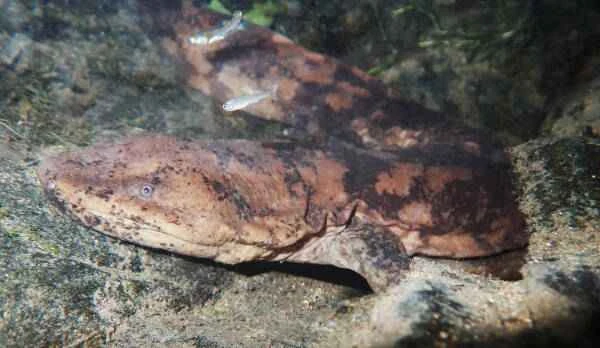
An adult Jiangxi giant salamander (Andrias Jiangxiensis) in a stream in the Jiulingshan National Nature Reserve in Jiangxi, China.
The giant salamander, hailed as a "living fossil," is an impressive amphibian that can reach nearly two meters in length. Most wild giant salamanders in China are released from salamander farms, originating from different lineages or hybrids. However, there is indeed a genetically pure wild population of the Jiangxi giant salamander, found in the Jiulingshan National Nature Reserve. It also exists on two small farms, but these populations consist solely of this species.
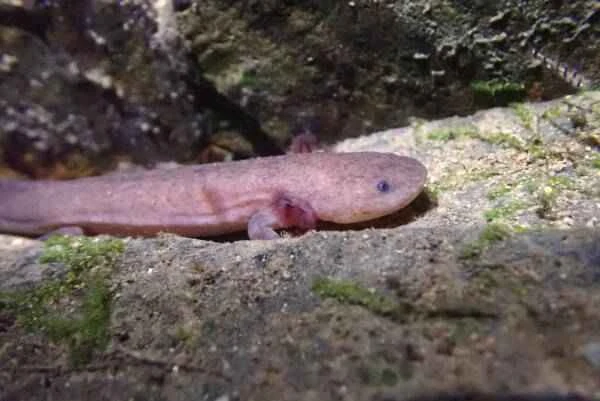
A 10-month-old Jiangxi giant salamander (Andrias Jiangxiensis) larva feeds in a stream in the Jiulingshan National Nature Reserve in Jiangxi, China.
Scientists recommend that the species be listed as critically endangered on the IUCN Red List due to its limited distribution and vulnerability to environmental changes.
11. Scorpions (Euscorpius latinus, E. stefaniae, E. trejaensis and E. niciensis)
A paper studying the genetic, morphological, and geographical differences of scorpions in the Euscorpius complex (a group of very similar species) in Italy and France describes three new scientific scorpion species (Euscorpius latinus, E. stefaniae, and E. trejaensis), while another subspecies (E. niciensis) has been elevated to the species level.
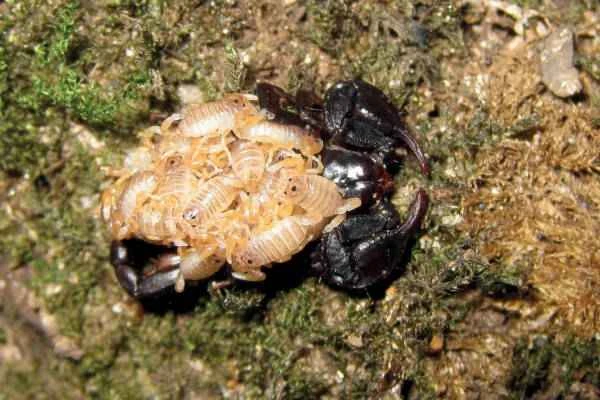
The Latin giant scorpion is carrying a litter of juveniles on its back.
All three newly described species were discovered in Italy. The nickname "latinus" means Latin because the species' distribution range includes Latin tribes and the first regions where the Latin language spread.
"trejaensis" comes from the Treja River, which flows through the valley and was the site of the first E. trejaensis specimen collection, while "stefaniae" is in honor of Stefania Tropea's sister, "who showed kindness, support and enthusiasm during several field trips."
12. Fish (Poecilocharax callipers and P. rhizophilus), Brazil
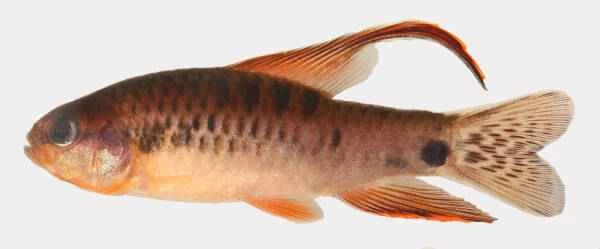
Poechilocharax callipterus was found only in a blackwater stream.
Scientists have described two new species of South American snake bass in the genus *Poecilocharax*, the first time in 57 years that they have been described in the subfamily *Crenuchinae*. Males of *P. callipterus* (see above) have orange-red fins and a distinctive black spot on the front of their tail, while males of *P. rhizophilus* (see below) are amber-yellow and very small, considered a miniature fish—less than an inch long at maturity.
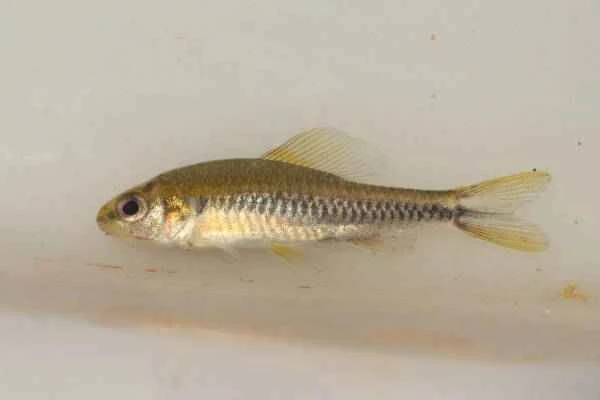
Poecilocharax rhizophilus is very small and is considered a miniature fish.
Both species were discovered during scientific surveys conducted in 2015 and 2016 in the Apui region, a stream about 25 miles north of the city of Apui, Brazil, on the edge of the human-encroached Amazon rainforest. Despite numerous surveys of nearby streams, *P. callipterus* was only found in one stream, a blackwater stream named for the dark coloration caused by tannins in fallen leaves. *P. callipterus* was found in murky streams (but not blackwater streams), particularly in tree roots extending into the water from the riverbank.
The specific nickname "callipterus" is the Latin version of the Greek words "kalli" (meaning beautiful) and "pteron" (meaning feathers or wings), referring to the beautiful dorsal fin of the adult male. For smaller fish, "rhizophilus" is the Latin version of the Greek words "rhiza" (meaning root) and "philos" (meaning friend), referring to the underwater roots collected by this species.
13. Spiny lizard (Sceloporus huichol), Mexico
S. huichol is a newly described species of spiny lizard, part of the Sceloporus torquatus species complex (a group of closely related but distinct species within the same genus). Other common names for lizards in this genus include fence lizard and scaled lizard. Scientists examined specimens from eight museum and university collections and found differences among similar species in morphology, color patterns, genetics, and habitat preferences.
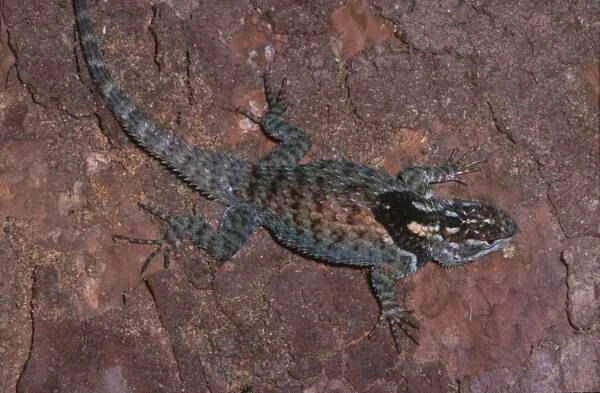
S. huichol lives in the semi-arid pine and oak forests of the mountainous states of Nayarit and Jalisco, a region in central-western Mexico that has been relatively unexplored by scientists. Another reptile (snake) was described in the area in 2007, leading to speculation that more undescribed species might be found there.
The special nickname "huichol" is in honor of the Huichol tribe in Mexico, who lived in the area where the species was discovered. They also called themselves Wixáritari ("people") in their native language.
14. *Burmagomphus chaukulensis*, Indian dragonfly.
When Hemant Ogale photographed a dragonfly in a stream, he found himself unable to identify it and shared it with other naturalists, who were also puzzled. This prompted the collection of several credential samples, analysis of which revealed that it had markings and shapes distinct from male genitalia, including the shape of a hamule (male secondary genitalia).
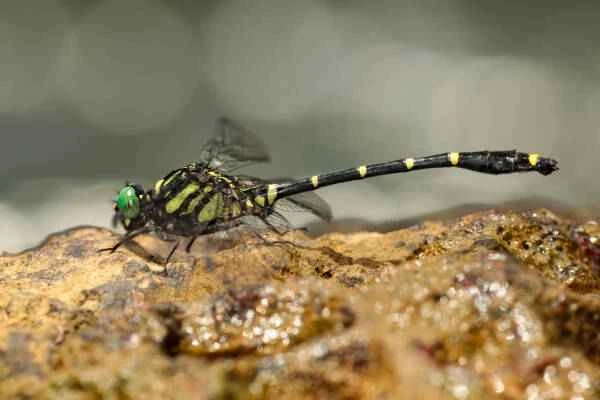
This species was originally photographed and collected in a fast-flowing stream near the village of Chokur in Maharashtra, India. It is part of the Western Ghats Biodiversity Hotspot, a UNESCO World Heritage Site home to at least 5,000 species of flora and fauna. The hotspot is home to over 190 species of dragonflies (dragonflies and damselflies), approximately 40% of which are endemic.
The specific nickname "chaukulensis" comes from the village of Chaukul, while the common English nickname "Spiny" refers to the spines on the male hamuli. Scientists also proposed the genus name "Horntail" based on the shape of the tail appendages, in the absence of an existing name for the genus.
15. Chiriquí (Bolitoglossa cathyledecae), Panama
This brightly colored amphibian is a newly described salamander discovered by Panamanian scientists during an expedition. The species can be distinguished from its close relatives by its coloration, webbed feet, and the number of upper teeth, and its status as a separate species has been confirmed through genetic analysis. Scientists believe it is listed as critically endangered on the IUCN Red List due to its limited range and potential human pressure in the region.
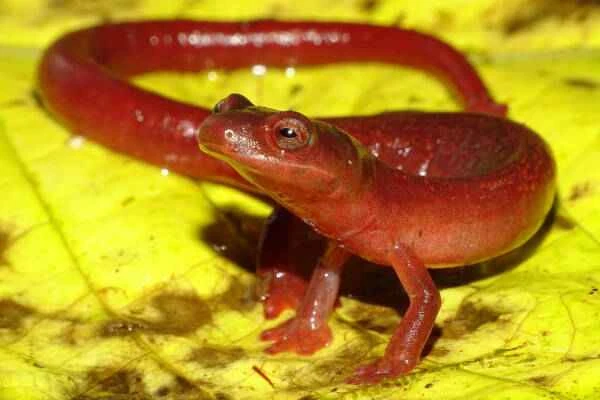
The team has been investigating the Panamanian side of the Talamanca Mountains, a mountain range in southeastern Costa Rica and western Panama, which includes the La Amistad International Park. It is considered one of the least explored areas in Central America and also one of the most biodiverse Neotropical salamander species. This particular species was discovered in the Boquete region of the Chiriquí province.
Scientists have given the special nickname "cathyledecae" to conservationist Cathy Ledec, while the common English name indicates the species' location.
16. Sponge crab (Lamarckdromia beagle), Western Australia
Wearing a sea sponge beret and fluffy fur, this crab must be one of the most stylish crustaceans in the ocean. Recently, after a specimen washed ashore on a beach in Denmark, Western Australia, it was described as a new species. The family that found the crab sent it to the Western Australian Museum for identification, where scientists realized it was a previously undescribed species. Further examination of crab specimens in the museum revealed that some of them were actually *Lamarckdromia* beagle, the earliest dating back to 1925.
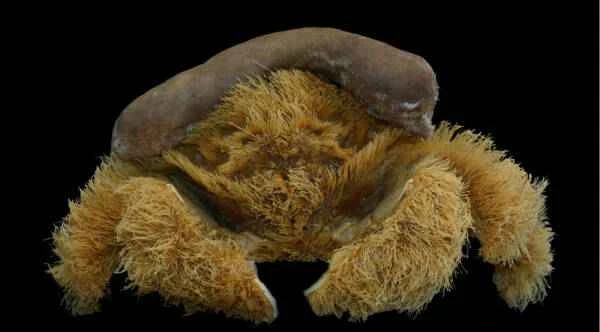
This crab belongs to the family Spongyridae and is known as a sponge crab. It uses sponges and sea squirts (such as tunics) for protection, and the sponges, in particular, produce unpleasant chemicals to deter predators. The sponges and water guns are held in place by small pincers on its hind legs, rather than being directly attached to the crab.
The nickname "Beagle" comes from its tanned color (resembling a beagle) and the HMS Beagle, the ship Charles Darwin sailed on between 1831 and 1836. His discoveries during this voyage included visits to Australia, the Galapagos Islands, and the Tierra del Fuego, where he formulated his theory of evolution.
17. Millipede (Nannaria swiftae), USA
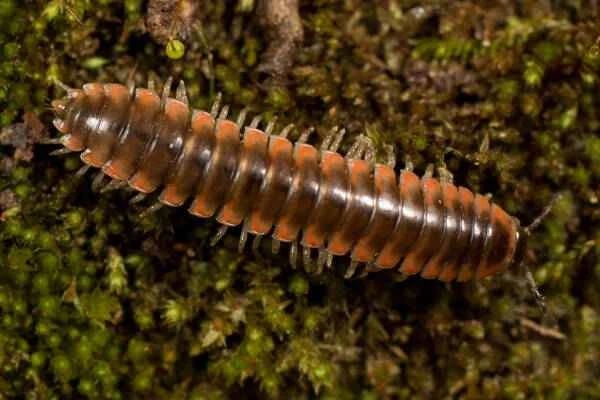
Nannaria swiftae is named after singer-songwriter Taylor Swift.
As one of 17 newly described millipede species, *Nannaria swiftae* appears in a recent paper by three myriapod zoologists (scientists who study myriapods) studying the taxonomy of *Nannaria wilsoni* group millipedes. In addition to examining genetics, the researchers investigated one of the key differences between male millipedes: the morphology of the modified legs used for mating.
These 17 new species bring the total number of species in Nannalia to 78—before these scientists began studying them in 2015, the genus had only 23 (a paper in March 2021 added 2 new species, bringing the total to 25, and a paper in April 2021 added 35). The addition of one subspecies also elevates it to full species status, bringing it to 61.
All 17 news species were found in the valleys of the Appalachian Mountains, which stretch from central Alabama in the United States to Newfoundland in Canada.
The scientific name "swiftae" is in honor of the famous American singer and songwriter Taylor Swift, as the study's lead author, Dr. Derek Hennen, was a fan of Swiftie. He also named a species after his wife, N. marianae, as "a small thank you for her patience during our nature hikes and when I stopped to look for millipedes."
18. Rose Veil Fairy Fish (Cirrilabrus finifenmaa), Maldives
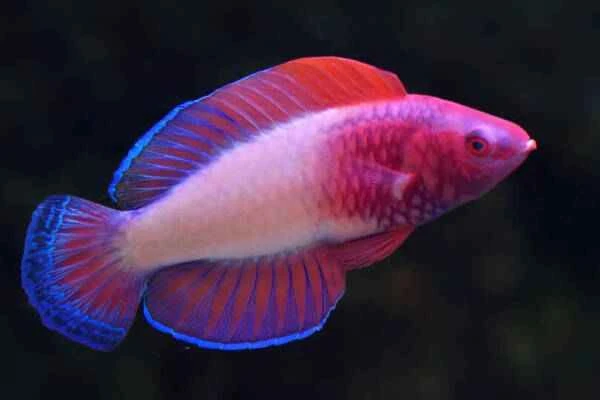
The rose-veiled fairy wrasse (Cirrilabrus finifenmaa) was one of the first species to be named in the local Dhivehi language.
Initially thought to be an adult of another fairy wrasse species (Cirrilabrus rubrisquamis), further analysis of the adults and juveniles of this beautiful fish revealed that it is actually a separate species. It was named the Rose Veil Fairy Wrasse (Cirrilabrus finifenmaa).
This new species, discovered off the coast of the Maldives, is one of the first species to be formally described by Maldivian researchers. Ahmed Najib of the Maldives Marine Research Institute collaborated with scientists from the California Academy of Sciences, the University of Sydney, and the Field Museum on this research as part of the academy's "Reef Hope" program.
The species name "finifenmaa" comes from the local Dhivehi language and means "rose." It's a tribute to the Maldives' national flower and the stunning pink hue of the wrasse. It is one of the first species to be named in Dhivehi.
19. Snake (Phalotris shawnella), Paraguay
This snake, with its striking bright red coloration, dark stripes, and yellow neck pattern, is a newly described species in the genus *Phalotris*. Scientists discovered it accidentally while digging a burrow during a field survey, and only three people knew of its existence. It is believed to be a forest species, and due to its small range, scattered habitat, and ongoing agricultural activities within that area, scientists recommend listing it as endangered on the IUCN Red List.
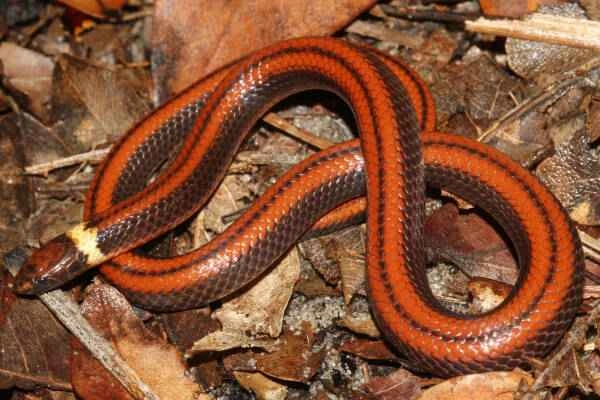
Two of these snakes were first discovered in Rancho Laguna Blanca, a famous tourist destination in Paraguay, and a specimen of another snake was later photographed 90.5 kilometers away in Colonia Volendam. Laguna Blanca was once officially protected and designated as Paraguay's first Important Amphibian and Reptile Reserve, but it currently lacks legal protection.
The specific nickname "Shonella" is a combination of the names of two people: Sean Ariel Smith Fernandez and Ella Bethany Atkinson, who were born around the time Para La Tierra was founded and inspired its founders to protect the Paraguayan fauna.
20. Tapir frog (Synapturanus danta) of Putumayo Basin, Peru
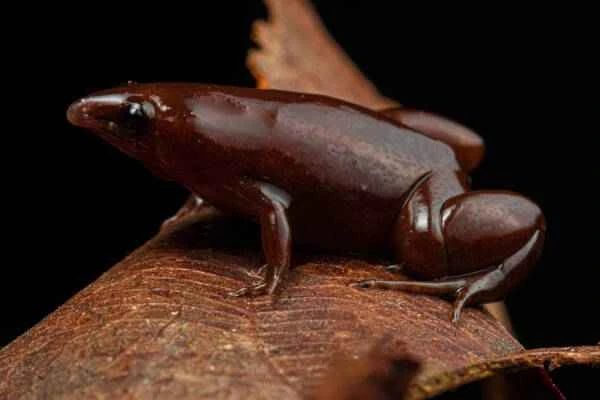
The tapir frog (Synapturanus danta) is also known as the "chocolate frog" by Harry Potter fans on social media.
Like other fossil (burrowing) species, the newly described *Synapturanus danta* is not easy to find. This frog was discovered by researchers at the Field Museum of Chicago during a “rapid inventory” of the biological record in the Putumayo Basin of Peru.
Researchers spent only a few days conducting a rapid survey at each location and discovered a tadpole on the first night of exploring the Amazon peatland, a rare and under-explored habitat.
Further testing is needed to identify the phone call and track down the two adult males. Analysis indicates that the three frogs belong to an undescribed species.
The discovery of this new frog quickly garnered widespread attention after being announced on social media, with many comparing it to the Chocolate Frog from the Harry Potter books and movies. However, its common name, "tapioca frog," comes from the species' tapir-like snout. People in the Tresquinas Autonomous Community are familiar with the frog, calling it *rana danta*, with "danta" being the local name for the tapir.