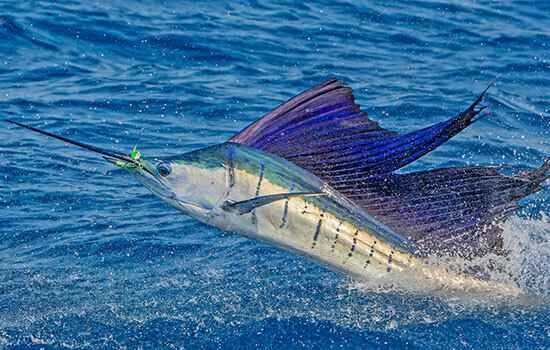
The Australian dragonfly is the fastest flying insect on Earth, the flying champion of the insect world, and also the largest dragonfly in the world, measuring 12 centimeters in length. It is the largest of over 5,000 dragonfly species. Its body is very slender and cylindrical, with thin, transparent wings covered in a clearly defined network of veins. The Australian dragonfly has large, bulging eyes, with three simple eyes and compound eyes composed of approximately 28,000 ommatidia, giving it excellent vision; it can see objects in all directions without turning its head.
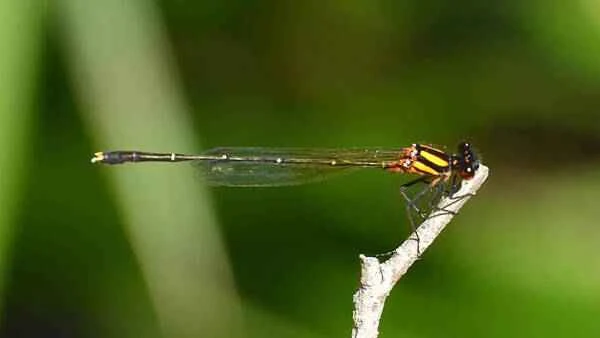
Australian dragonflies are incredibly fast fliers, reaching speeds of up to 58 kilometers per hour during short sprints, making them the fastest flying insects in the world. Furthermore, their flight capabilities are remarkable; they can make sudden turns, soar into the sky, and sometimes even fly backwards.
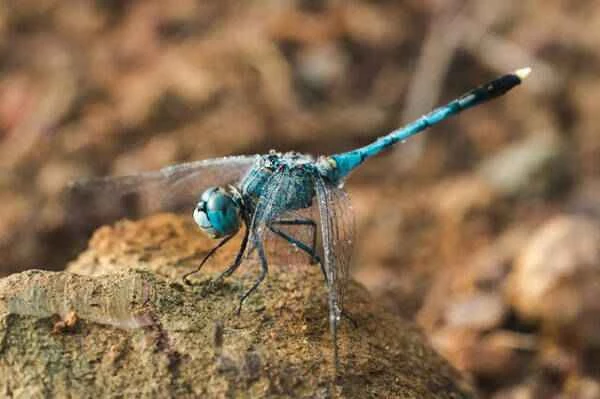
Australian dragonflies are not native to Australia; they are primarily found in South America. They are carnivorous; the larvae prey on mosquito larvae and other small animals in the water, while the adults feed heavily on mosquitoes and flies, and sometimes also on pests such as butterflies, moths, and bees. With their excellent eyesight, Australian dragonflies can accurately capture prey as it moves nearby, making them highly skilled insect hunters.
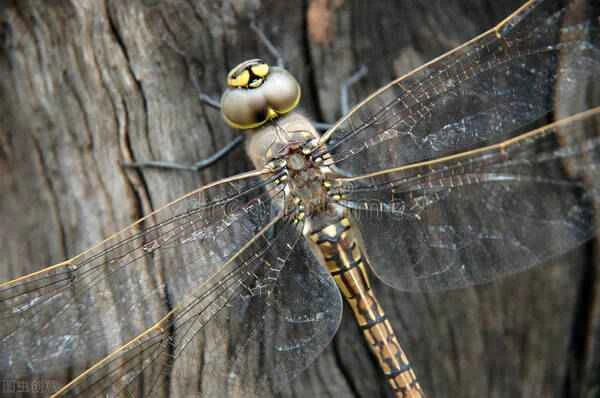
Australian dragonfly larvae develop in water, breathing through rectal tracheal gills. They typically undergo more than 11 molts over a period of 2 years or more before crawling out of the water along aquatic plants. After a final molt, they emerge as adults. In the water, the larvae prey on mosquito larvae or other small animals, and sometimes they cannibalize each other. Adults generally fly and prey on flying insects near ponds or rivers. In addition to consuming large quantities of mosquitoes and flies, some also prey on pests such as butterflies, moths, and bees, making them truly beneficial insects.
There is another species called Austrophlebia costalis, a giant dragonfly from Australia that is said to be able to reach speeds of up to 97 kilometers per hour, but this has not been confirmed by modern times.