Dinosaurs were ancient animals, and we don't know what they looked like. Through scientists' reconstructions, we have a general understanding of what they looked like. So what exactly did dinosaurs look like? Next, let's take a look at ten dinosaurs with strange bodies.
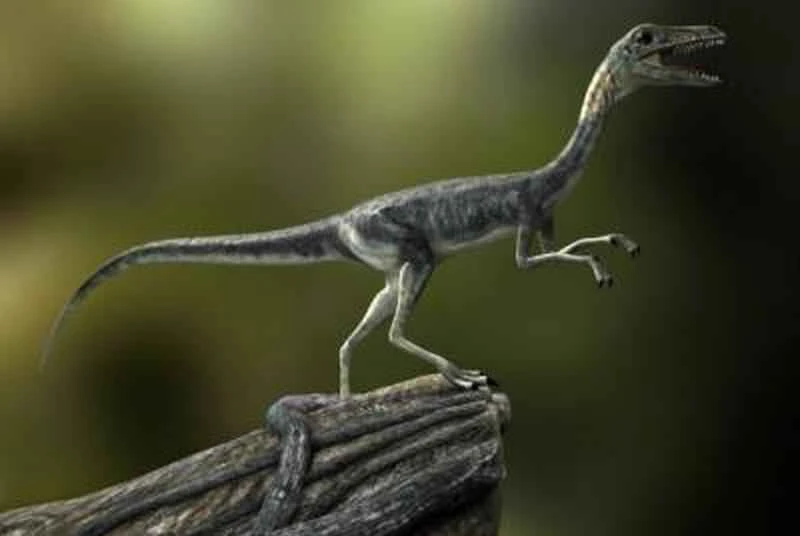
1. Xiujialong
The smallest known dinosaur
Compsognathus was a small and delicate species in the dinosaur family, with features similar to Coelophysis. An adult individual measured only 75 centimeters in length from head to tail, with a torso the size of a hen, making it undoubtedly the smallest member of the dinosaur family. This dinosaur lived during the Jurassic period.
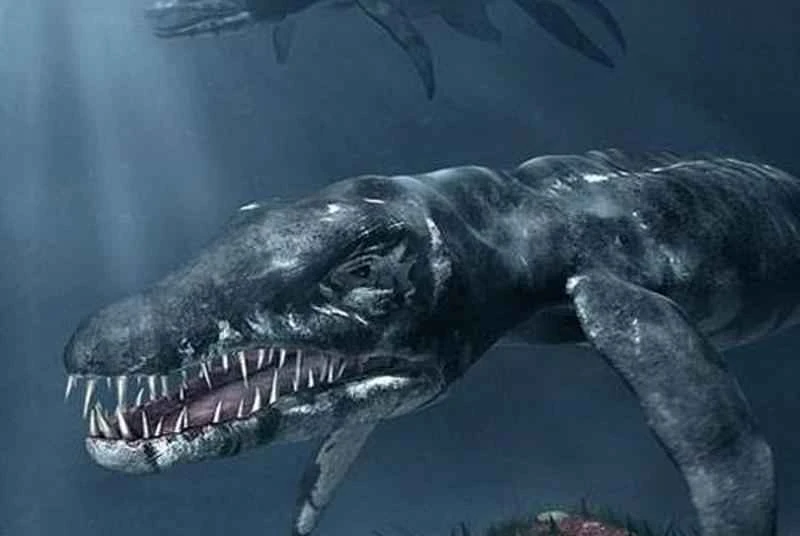
2. Liopleurodon
Marine dinosaurs
Liopleurodon, meaning "smooth-sided teeth," was a carnivorous marine reptile belonging to the short-necked pliosaur suborder of the order Plesiosauria. Liopleurodon lived during the Karlovian stage of the Middle Jurassic, approximately 160 to 155 million years ago. As a marine reptile in the Late Jurassic, its robust body was propelled by four medium-sized paddle flippers as it roamed.
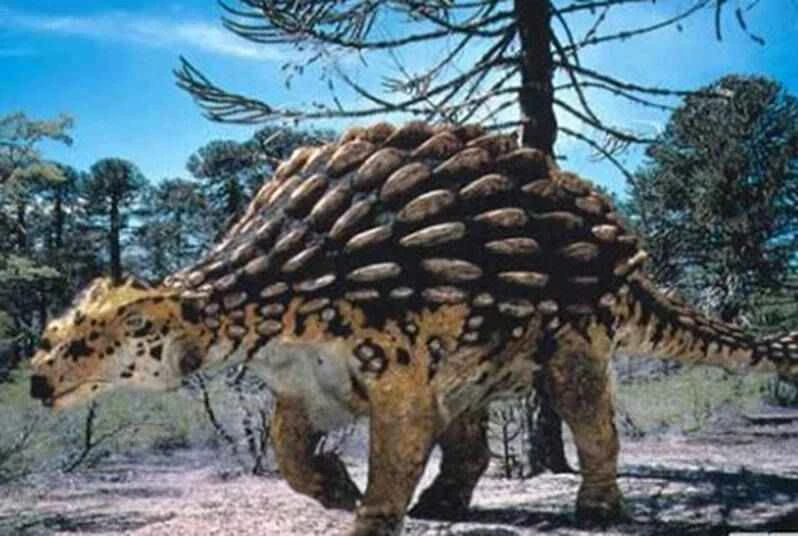
3. Armored Dragon
Armored Dinosaur
Ankylosaurus could reach 10 meters in length, with a wide body and short neck; its limbs were short, thick, and strong; its feet were short and wide, with five toes on its forefeet and four on its hind feet, the tips of which had hoof-like claws, adapted for terrestrial activity. The most distinctive feature of Ankylosaurus was its carapace, composed of thick, protruding rock and bony plates, often referred to as dermal osteoderms or scales, deeply embedded in the skin.
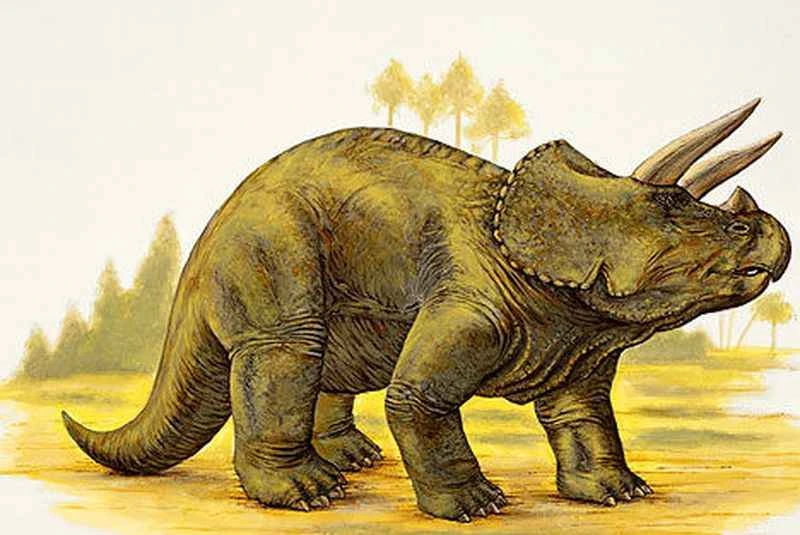
4. Triceratops
The Last Dinosaurs Before the Great Extinction
This was one of the last dinosaur species to appear before the Great Extinction. Triceratops was a tetrapod with a large bony fold and three horns, somewhat resembling a modern rhinoceros. For dinosaur enthusiasts, Triceratops is a very familiar and endearing species. Within the Ceratopsian genus, Triceratops was also a giant, reaching lengths of over 9 meters.
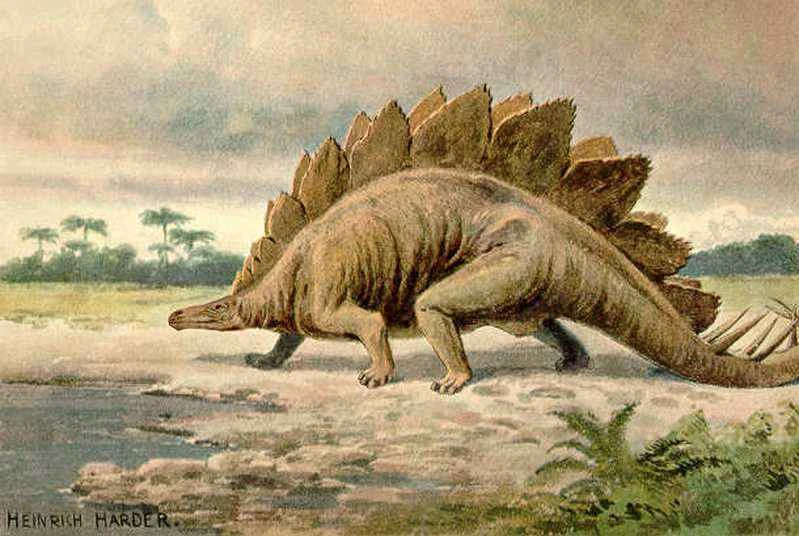
5. Stegosaurus
Spiny Dinosaur
Stegosaurus was a giant dinosaur that lived during the Late Jurassic and Early Cretaceous periods. It had a row of large bony plates on its back and a dangerous tail with four sharp spikes to defend against predators. It was approximately 12 meters long and 7 meters tall, weighing up to 4 tons. Research suggests they lived on plains and in nomadic herds alongside other herbivores, such as Diplodocus.
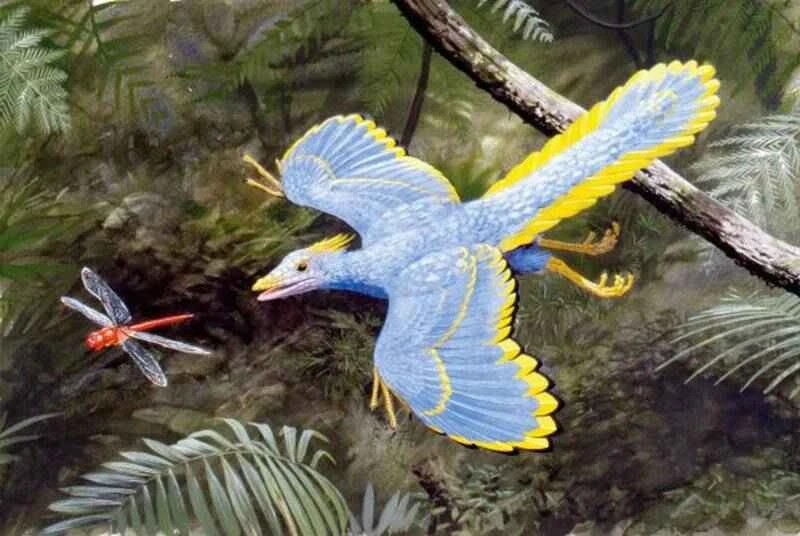
6. Archaeopteryx
The only bird dinosaur
Archaeopteryx was a small dinosaur that lived during the Late Jurassic period. Belonging to the order Deinonychus, it represents a primitive type of Deinonychus. It was originally thought to have existed even earlier than Confuciusornis and Liaoningornis, and its name comes from the ancient Greek word for "ancient feathers" or "ancient wings." Vertebrates, with bird-like heads, claws, and wings, were capable of some flight. They possessed teeth, were similar to reptiles, and had long tails (up to twenty vertebrae) composed of multiple caudal vertebrae.
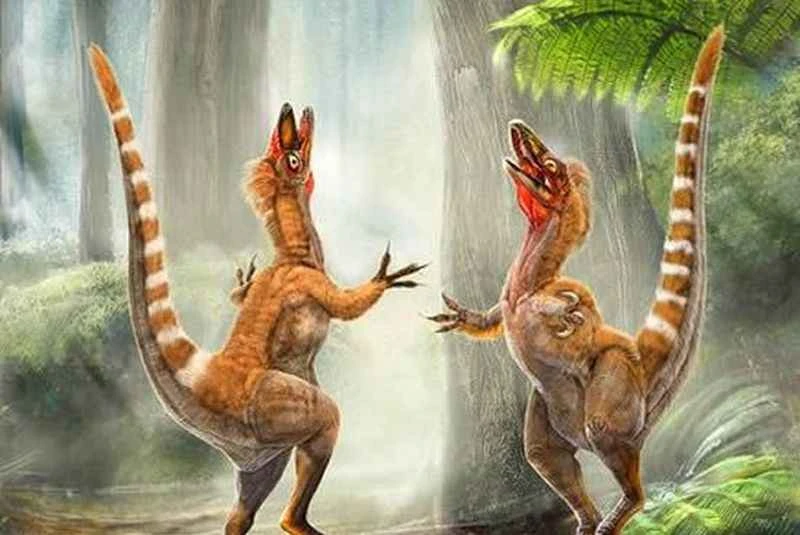
7. Sinosauropteryx
The most colorful dinosaurs
Sinosauropteryx lived during the Early Cretaceous period, approximately 140 million years ago. Its fossils were discovered in 1996 in the Jehol Biota of western Liaoning, China. Initially thought to be a primitive bird and named "Sinosauropteryx," it was later confirmed by scientists to be a small carnivorous dinosaur. Sinosauropteryx is the first non-avian dinosaur to be found with feathers in its fossils, and also the first non-avian dinosaur whose feather color was determined.
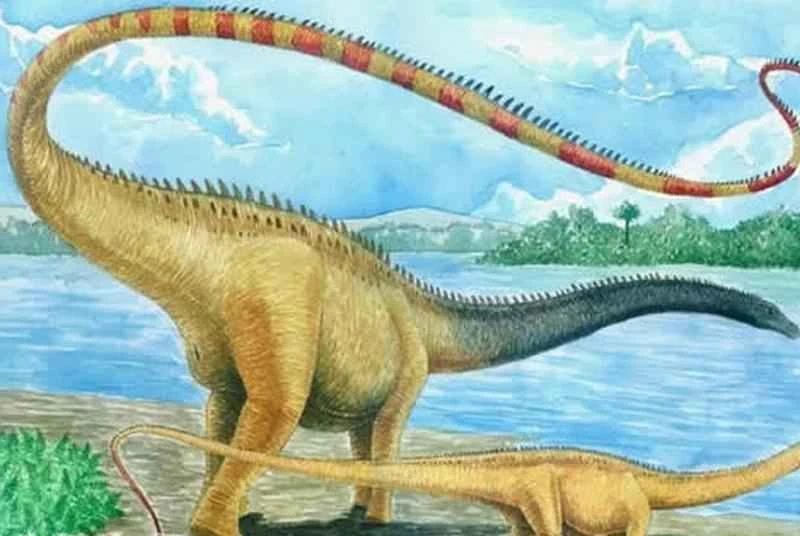
8. Fragile Double-Cavity Dragon
Largest known dinosaur
Amphicoelias fragillimus was excavated in 1877 by Oramel Lucas, a fossil collector hired by paleontologist Edward Drinker Cope. Lucas discovered this partial vertebra (neural arch and neural spines) in Garden Park, north of Canon City, Colorado, near the mine where Amphicoelias fragillimus was found. Undoubtedly, Amphicoelias fragillimus was the longest and heaviest dinosaur in history, even exceeding the weight of a blue whale at its largest.
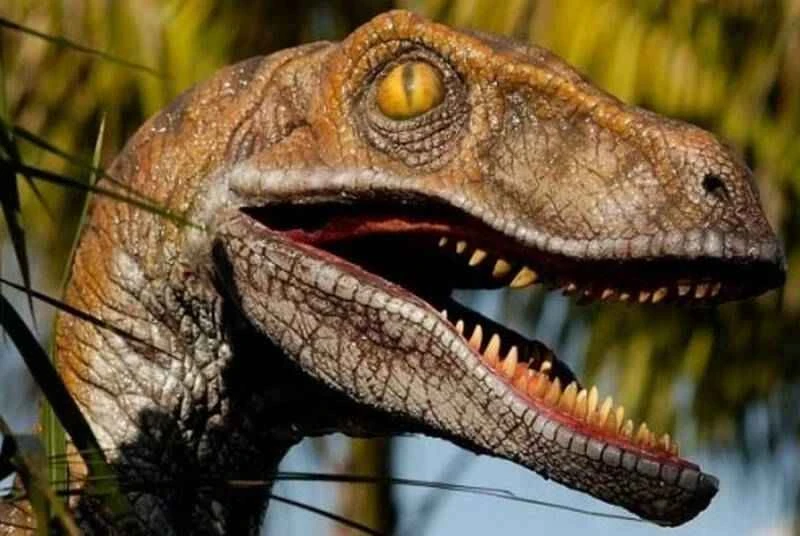
9. Velociraptor
Birds of prey
Velociraptor, meaning "fast lizard," is a ceratopsian dinosaur that lived in Argentina during the Cretaceous period. Velociraptor may have been about 4 feet long. Only hind leg bones have been discovered so far, and the hind legs and feet indicate they were adapted for running, hence the name Velociraptor. The Velociraptor's skull could grow up to 9.8 inches long, with a distinctive inverted arc shape, concave on the upper surface and convex on the lower surface. Both the upper and lower jaws had 26-28 large teeth, with the lateral teeth being sharper than the incisors, perhaps an adaptation to its ability to hunt fast-moving prey.
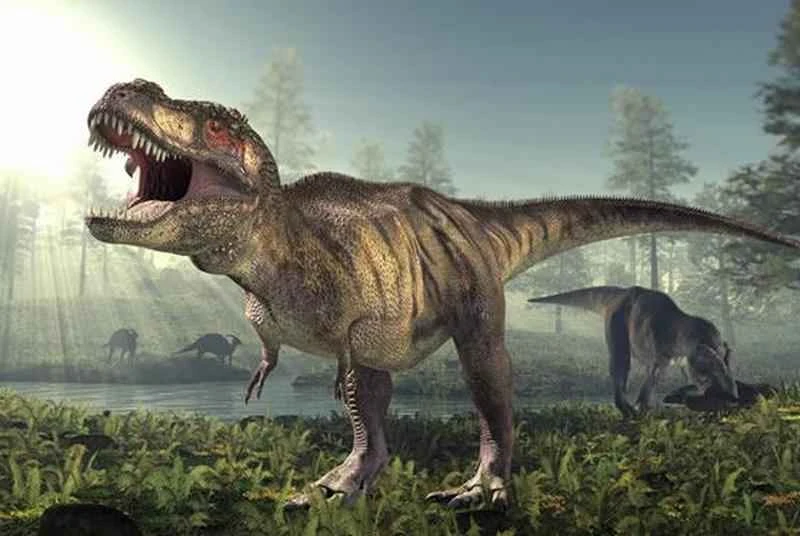
10. Tyrannosaurus Rex
King of Dinosaurs
Tyrannosaurus Rex, also known as the Tyrannosaurus Rex, whose name means "tyrannical lizard king," was one of the largest carnivorous animals in history and the most famous carnivorous dinosaur. It reigned supreme in North America during the Late Cretaceous period. One of the last dinosaur species to be discovered, it averaged 12 meters in length, with a maximum length of 14.6 meters. Its average hip height was 4 meters, with the largest exceeding 5 meters. Its average weight was 8.8 tons, with a maximum weight of 14.85 tons, making it the second heaviest carnivorous dinosaur.