In terms of the number of dinosaurs discovered, China has surpassed the United States, and is now a veritable "treasure trove" of dinosaur fossils, making it the undisputed world leader in dinosaur exploration. Why not embark on a dinosaur journey together?
1. Manchuria, Heilongjiang
The first dinosaur fossil discovered in my country
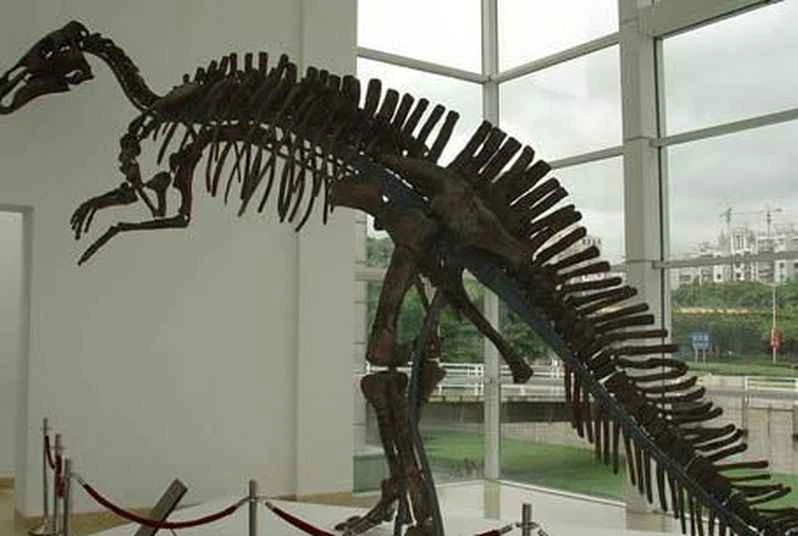
*Heilongjiang Manchusaurus* is a species of dinosaur belonging to the suborder Ornithopoda, family Hadrosauridae, and genus *Manchusaurus*. It was herbivorous, approximately 8 meters in length, and lived during the Late Cretaceous period of the Mesozoic Era. The fossil was discovered in Northeast China and was the first dinosaur fossil found within the country. Discovered in Jiayin, Heilongjiang Province in 1902, it was known as "China's First Dragon." Later, the fossil was transported to Russia, where it was named *Heilongjiang Manchusaurus* in 1930. The holotype fossil of *Heilongjiang Manchusaurus* is now housed in the Geological Museum of St. Petersburg, Russia.
2. Shi's Panzu Dragon
China's first sauropod dinosaur
Swedish explorer Zdansky unearthed two incomplete sauropod dinosaur skeletons at Ningjiagou. These were transported to Uppsala University in Sweden for study by Wiman. *Pantopodus shii* was discovered in Mengyin, Shandong Province, between 1922 and 1923 by Austrian explorer Zdansky and Chinese geologist Tan Xichou. The fossils were transported to Uppsala University in Sweden and named *Pantopodus shii* in 1929.
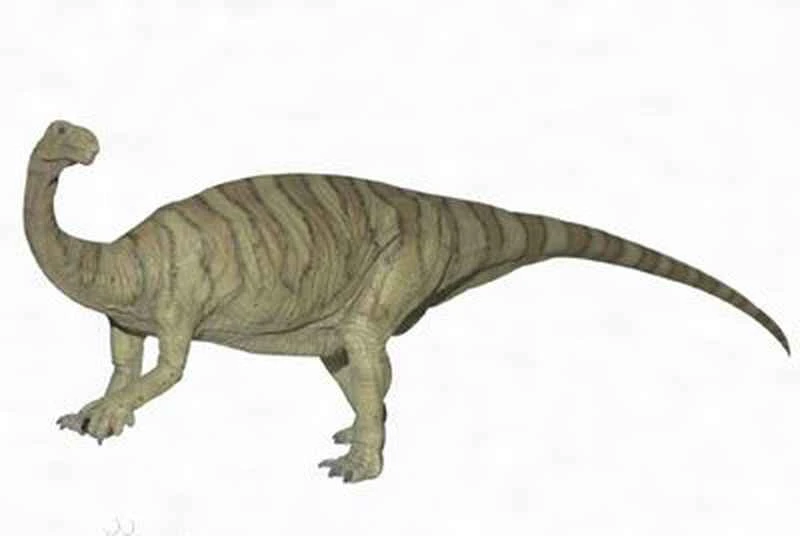
3. Xu's Lufeng Dragon
China's first mounted dinosaur fossil
*Lufengosaurus xuei* is a genus of sauropod dinosaur that lived in southwestern China during the Early to Middle Jurassic period. Fossil specimens were discovered in Lufeng, Yunnan Province, China. *Lufengosaurus xuei* is one of the oldest dinosaurs excavated in China. Discovered in Lufeng, Yunnan in 1938, it was the first dinosaur discovered, excavated, studied, and mounted for exhibition by the Chinese.
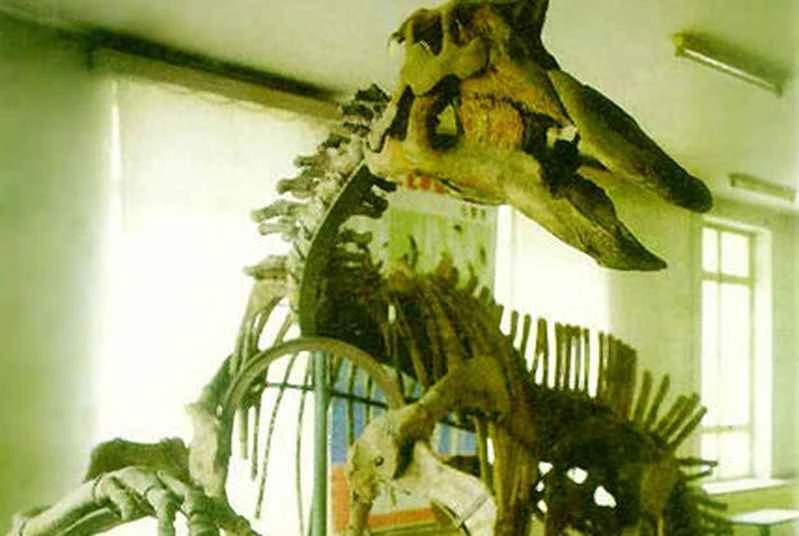
4. Spiny-nosed Qingdao Dragon
The first dinosaur fossil discovered after the founding of the People's Republic of China
The Tsunamiosaurus spinosaurus is the most famous hadrosaur fossil with a crest discovered in my country, and also the first complete dinosaur fossil discovered in the country. The current specimen is preserved at the Paleozoological Museum of China. The Tsunamiosaurus spinosaurus was discovered in Laiyang, Shandong Province in 1950.
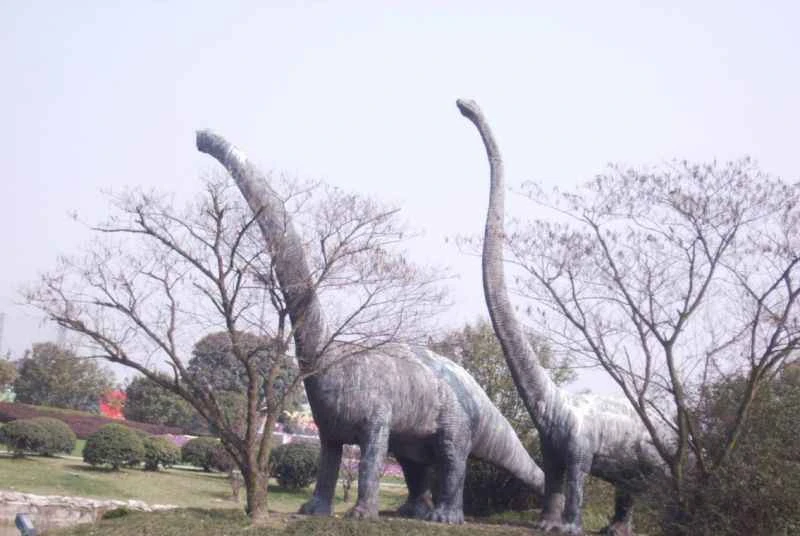
5. Hechuan Mamenchisaurus
One of the largest sauropod dinosaurs discovered in China
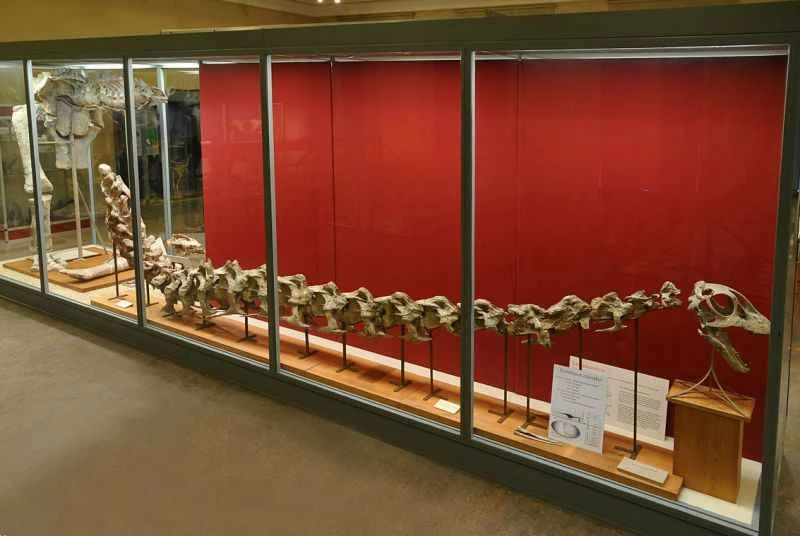
Fossils of this animal were discovered at the Mamingxi ferry crossing in Yibin City. Scientific identification has confirmed it belongs to the order Sauropoda, order Equisetiformes. This genus of animal measured approximately 22 meters in length and nearly 7 meters in height. Its neck was exceptionally long, equivalent to half its body length. Not only were each cervical vertebrae long, but the number of cervical vertebrae was also as high as 19, the most among sauropods. Furthermore, its neck was the longest of all dinosaurs. Compared to the cervical vertebrae, the dorsal, sacral, and caudal vertebrae were relatively fewer.
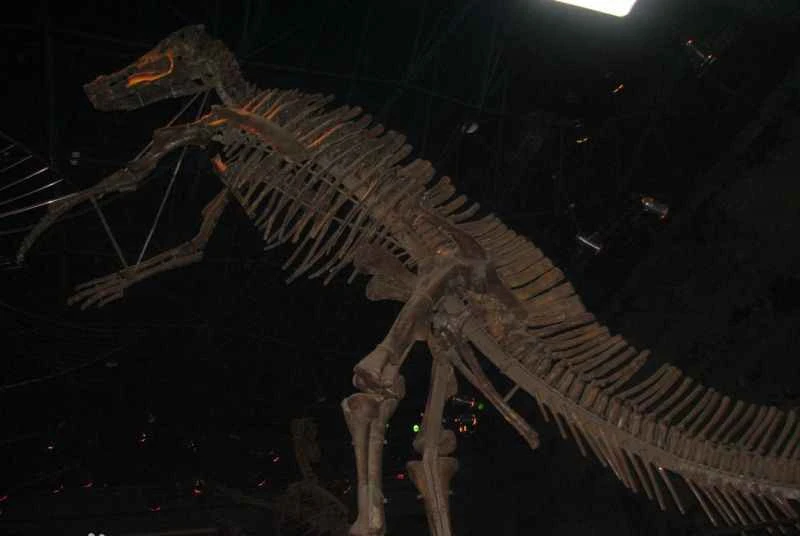
6. Giant Shandong Dragon
The world's largest hadrosaur on display
The giant Shandongosaurus is a species of ornithopod dinosaur belonging to the hadrosaurid family and the genus Shandongosaurus. It was herbivorous, standing 8 meters tall and 15 meters long, with a flat, unadorned head, making it a representative of the flat-headed hadrosaurs. It lived during the Late Cretaceous period of the Mesozoic Era. Fossil specimens were discovered in Shandong Province, China. The giant Shandongosaurus was discovered in Zhucheng, Shandong in 1964, measuring approximately 14.7 meters in length.
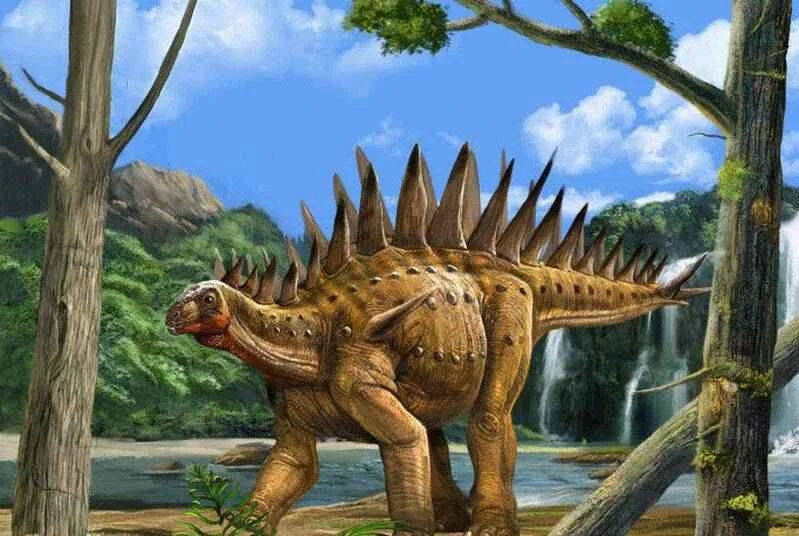
7. Taibai Huayang Dragon
The world's most primitive and best-preserved Stegosaurus has been discovered.
Taibai Huayangosaurus is a medium-sized primitive stegosaur, measuring 4.3 meters in length. Its main characteristics include a large, thick, triangular head, a relatively short neck, and forelimbs significantly shorter than its hind limbs, yet it walks on all fours. The two rows of bony plates on its back are relatively small and vary in shape, and its tail ends in two pairs of plate-like spines. Existing specimens are displayed at the Zigong Dinosaur Museum and the Chongqing Museum. Taibai Huayangosaurus was discovered in Zigong, Sichuan.
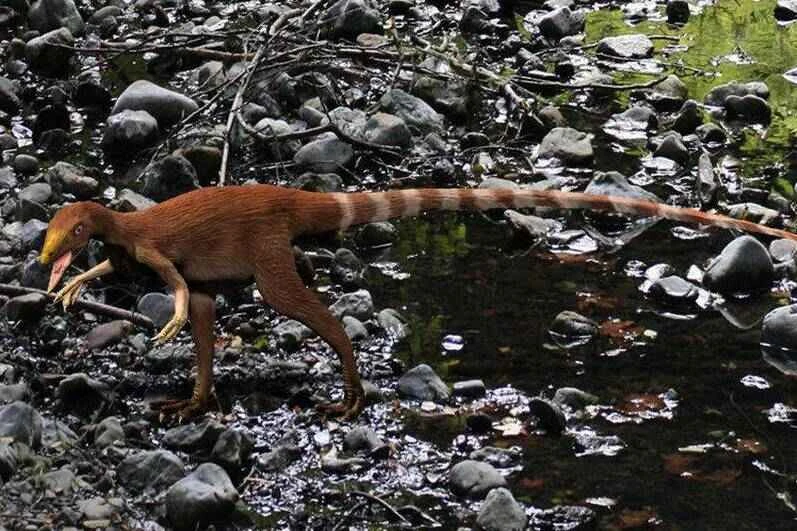
8. Sinornithosaurus
The world's best-preserved feathered dinosaur has been discovered.
Sinosauropteryx lived during the Early Cretaceous period, approximately 140 million years ago. Its fossils were discovered in 1996 in the Jehol Biota of western Liaoning, China. Initially thought to be a primitive bird and named "Sinosauropteryx," it was later confirmed to be a feathered dinosaur. It provided concrete evidence of the kinship between dinosaurs and birds, marking a significant milestone in the history of dinosaur research.
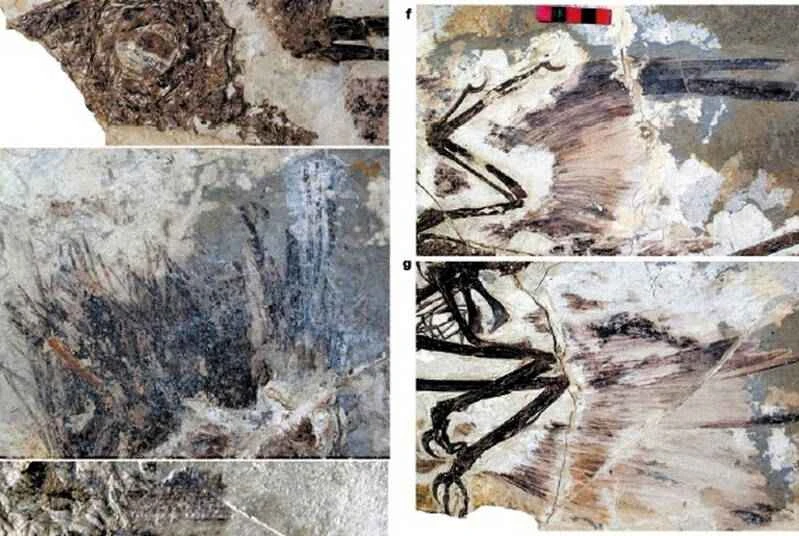
9. Gu's Microraptor
It is the world's most complete, smallest, four-winged dinosaur discovered.
Microraptor gu'i is among the first flying dinosaurs discovered to date. For over a century, the academic community has debated the origins of bird flight, with two main theories: the "arboreal origin theory" and the "terrestrial origin theory." This question remains controversial. The discovery of Microraptor gu'i in Beipiao, Liaoning Province, suggests it may have been arboreal, providing empirical evidence for the evolution of small dinosaurs into birds.