To humans, "walking on water" seems like magic or a superpower, but in nature, some animals truly possess this incredible ability. They achieve the spectacle of "walking" on water by virtue of their extremely light weight, special body structure, high-speed movements, and physical principles.
This article will unveil the secrets of these animals' ability to walk on water, detailing seven species of animals capable of walking on water and their unique mechanisms.
Why can some animals walk on water?
Water is essentially a liquid and seems incapable of supporting any weight. However, some animals can levitate on the surface of water without sinking , thanks to the following two main principles:
1. Surface Tension
Water molecules are tightly connected by hydrogen bonds, forming a surface tension similar to a "film". Lightweight, small insects or arthropods with waterproof structures can use surface tension to float on the water surface.
2. Water impact force
Some medium-sized vertebrates (such as lizards or geckos) generate enough reaction force to support their weight for a short time by quickly treading and slapping the water surface, thus enabling them to run on the water.
This ability is often used for hunting, escaping predators, or providing a safe environment for laying eggs.
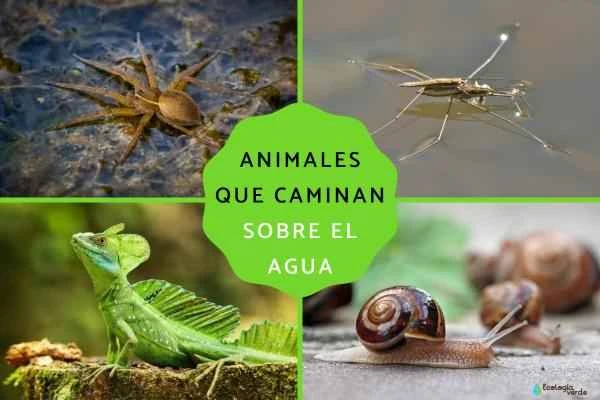
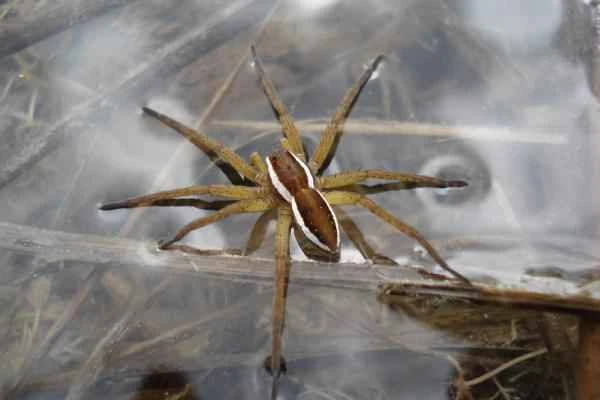
1. Raft Spider (Dolomedes fimbriatus) – A spider-like master of hydraulic systems.
Raft spiders are large aquatic spiders that do not have muscles to control their bodies. Instead, they rely on a hydraulic system to propel hemolymph and maintain the tension and balance of their limbs.
Eight slender legs distribute the weight, reducing pressure on the water surface;
The leg ends will not break the surface tension of the water;
It can glide quickly on the water's surface and catch insects and small fish.
Further Reading: Analysis of Spider Body Structure
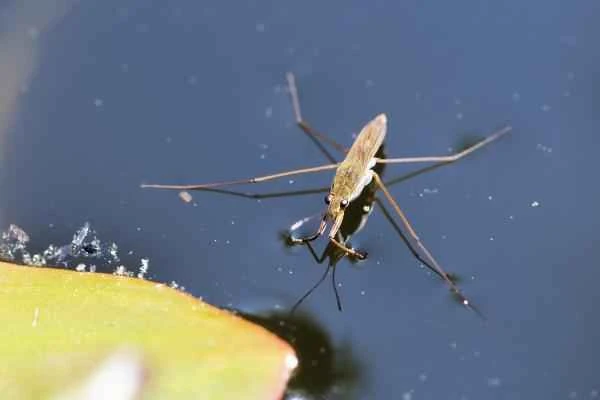
2. Leopard mosquito (water strider) Gerris lacustris – the natural water strider
Water striders are typical "water surface insects," often referred to as "water walkers." They use their long mid- and hind legs, covered with hydrophobic hairs , to move on the water surface.
Leg hair is used to form small air bubbles, increasing buoyancy;
The middle leg is used for gliding, while the rear leg controls direction;
Its forelegs are relatively short, used for hunting or dealing with obstacles.
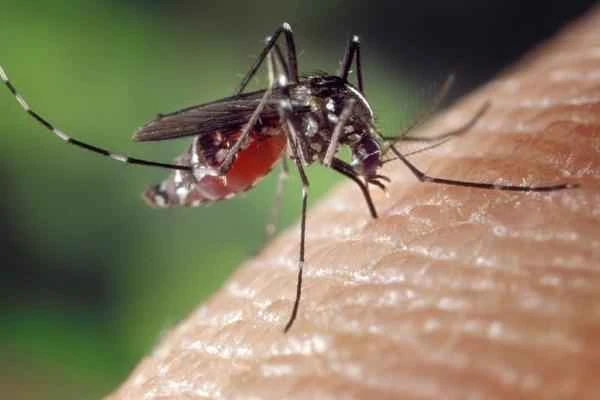
3. Mosquito (Aedes aegypti) – A flying insect that lives on water.
Mosquitoes complete their life cycle in water bodies:
They lay hydrophobic eggs on the water surface;
The larvae and pupae spend both their life in water;
Adult mosquitoes stand gracefully on the water's surface, using their hydrophobic legs to avoid sinking.
Fun fact: Aedes mosquitoes (such as dengue mosquitoes) are important disease vectors. To prevent mosquito breeding, stagnant water should be cleaned up regularly.
Further reading: What role do mosquitoes play in the ecosystem?
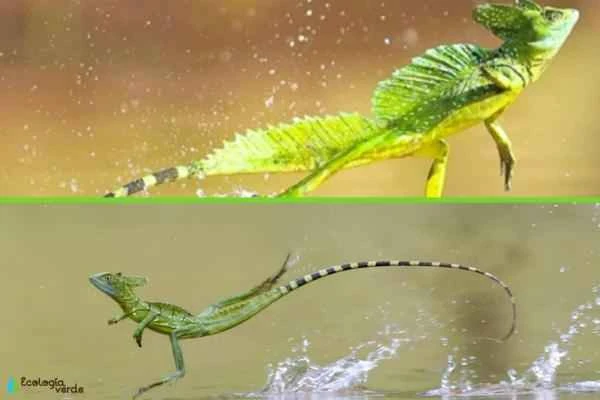
4. Jesus Lizard (Basiliscus spp.) – A true “water runner”
The Jesus lizard (also known as the basilica eel) is one of the few known vertebrates that can run on the surface of water.
The hind limbs have a membranous structure that allows them to strike the water surface;
Running speeds up to 1.5 meters per second prevent sinking;
It has a long, thin tail to help with balance;
Often used to escape predators, it can jump directly from a tree into the water and run.
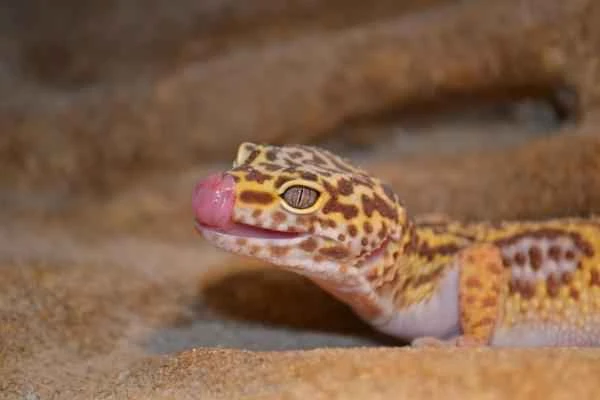
5. Gecko (Geckoidae) – Agile creatures that traverse walls and water surfaces.
Geckos are not only adept at climbing walls, but some species can also run on the water's surface. The secret lies in:
Hydrophobic skin reduces water resistance;
Use your limbs to slap the water surface to generate propulsion;
Air bubbles form underfoot to enhance buoyancy;
It uses the undulations of its body and tail to maintain its direction of travel.
6. Garden snail (Helix aspersa) – the "upside-down" water walker
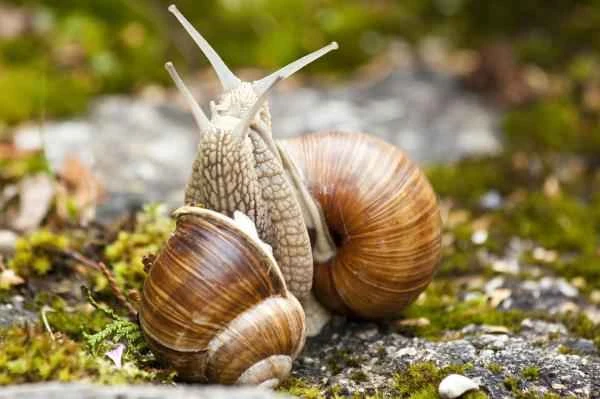
Although snails seem slow, garden snails can actually "walk on the surface" underwater:
They walk upside down at the interface between water and air;
It relies on mucus, surface tension, and minute fluctuations to maintain stability;
The air inside the shell increases buoyancy, allowing it to suspend below the water surface.
7. Jacana jacana – the "Jesus bird" floating on the water.
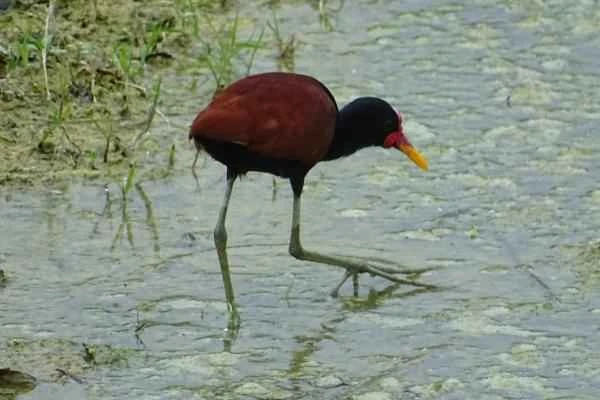
The pheasant-tailed jacana, also known as the "Jesus bird" or "water lily walker," spends almost its entire life on the leaves of aquatic plants.
It has extremely long claws , which are distributed on the floating leaves of water lilies and other plants.
It is not good at swimming, but can fly short distances;
They even build nests and incubate their eggs on floating leaves.
Summary: Nature's "Aquatic Wonders"
These aquatic animals demonstrate a remarkable combination of physical and physiological structures in nature. From tiny insects to agile lizards, they have developed astonishing survival strategies in their respective ecological niches.
If you enjoy learning about animals and natural wonders, please continue browsing our website to discover more amazing animal behaviors !
References
Nirody, JA, Jinn, J., Libby, T., Lee, TJ, Jusufi, A., Hu, DL and Full, RJ (2018). Geckos use multiple mechanisms to glide across the water. Current Biology, 28(24), 4046-4051.
Ball, P. (2008). How to walk on water. Nature. ISSN 1476-4687.
Beatty, R., Beer, A., and Deeming, C. (2010). Nature. UK: Doreen Kindersley Publishers.