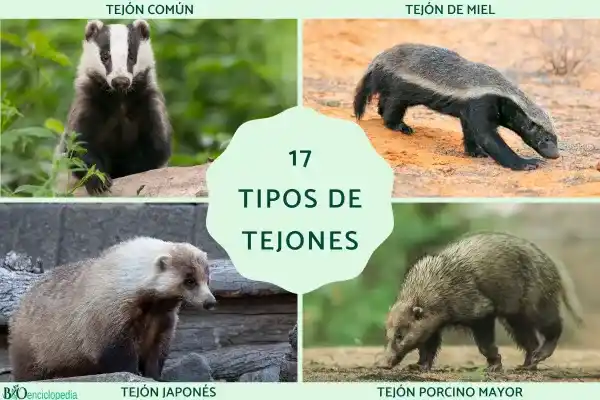
Badgers are small to medium-sized mammals with a low-slung build, short, stocky limbs, and a knack for digging. In popular perception, badgers often have a broad, short body , short, powerful legs , short, dense fur , and a very distinctive black and white stripe on their face . Many "true badgers" belong to the Mustelidae family , but in some regions, other groups such as the "stinky badger" or even the "long-nosed raccoon" are mistakenly called badgers. To better suit search and browsing habits, this article will introduce 17 common animals commonly referred to as "badgers" by name, supplementing their distribution, physical characteristics, and behavioral differences.
What kind of animal is a badger? What are its common characteristics?
Most badgers (especially true badgers) belong to the Mustelidae family within the order Carnivora. They are typically low-slung and sturdy , with well-developed shoulders and backs, strong claws, and are adept at digging burrows. They use burrows to hide from predators, raise their young, or rest during inclement weather. Their diets vary significantly among species: some are omnivorous, some are insectivorous, and some are known for their ferocity and will eat almost anything. When identifying badgers, one can usually start by looking at facial stripes , the shape of their snout (whether it protrudes like a pig's snout), and their distribution area .
1) Eurasian Badger/Common Badger ( Meles meles )
Distribution and Habitat
Also known as the "European badger," it is one of the most common and well-known badgers, native to Europe and extending to parts of Asia . It is commonly found in forest edges, mixed forests, and landscapes blending farmland and woodland, and is capable of digging complex burrowing systems.
Body type and identification points
Body length: Approximately 60–80 cm (excluding tail)
Weight: Approximately 11–13 kg
The head is relatively small and triangular, the limbs are short and wide, and the hind limbs are more muscular. It has a relatively high reproductive rate, producing 2-6 offspring per litter.
2) Northern hog badger ( Arctonyx albogularis )
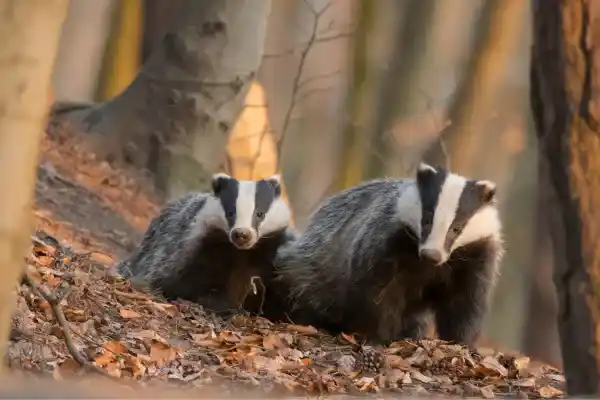
Also known as the "hog badger," its fur is mostly dark gray with typical white stripes on its face. It is mainly distributed in regions such as China and India . Overall, it is usually smaller than the Eurasian badger, and its fur is relatively soft, but may become coarser in winter.
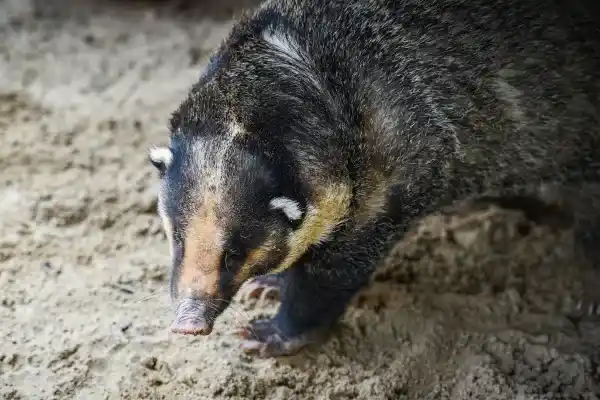
3) Borneo ferret badger ( Melogale everetti )
As their name suggests, they mainly inhabit Borneo . Their fur is mostly dark gray or brown. Although they spend most of their time on the ground, they are strong climbers and will climb trees to find prey or food. They also often use abandoned burrows of other animals as shelters.
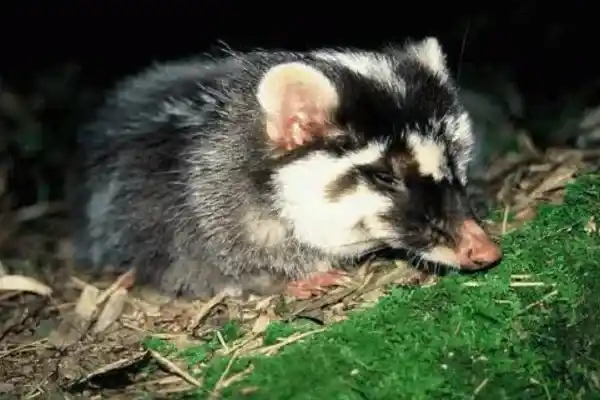
4) Sumatran hog badger ( Arctonyx hoevenii )
This is the hog badger, unique to Sumatra . It's relatively small, often described as being about the size of a domestic cat. Its most distinctive feature is its long, slender, pig-like snout , used for rooting in the soil to find insects, roots, and other food. Its dark fur helps it camouflage itself in the dense tropical rainforest environment.
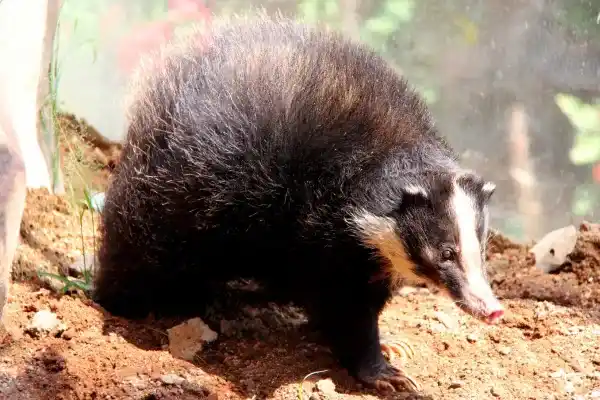
5) Burmese Weasel Badger ( Melogale personata )
Burmese ferret badgers are mostly nocturnal , spending their days resting in caves or natural hiding places to avoid predators. They have a varied diet, being opportunistic predators : they eat frogs, earthworms, insects, small rodents, fruits, and bird eggs, among other things. This "anything goes" strategy has allowed them to adapt to the tropical forests and mountainous environments of Southeast Asia.
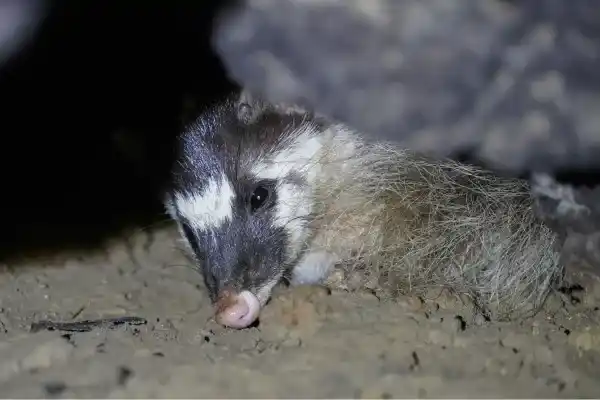
6) Honey Badger ( Mellivora capensis )
The honey badger (also known as the ferret badger or ratel) is known for its boldness and ferocity. One of its favorite foods is honey : upon discovering a beehive, it will directly destroy the hive to extract the honey, and sometimes it will also eat the bees in the hive. However, its diet is very broad, and it will even eat carrion. Because it invades beehives and crop areas, it often causes headaches for beekeepers and farmers.
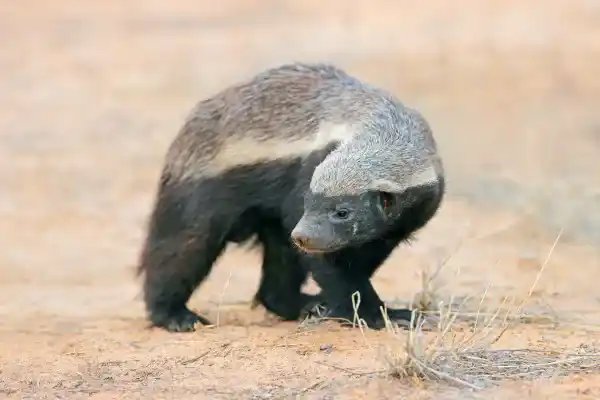
7) Formosan ferret badger/Formosa ferret badger ( Melogale subaurantiaca )
This is the ferret badger, endemic to Taiwan . The article describes its breeding season as roughly from March to October , with a typical litter size of 1-2 cubs per year. It also mentions that the species faces significant ecological challenges related to rabies at certain times, highlighting the need to monitor wildlife health and the risk of rabies transmission.
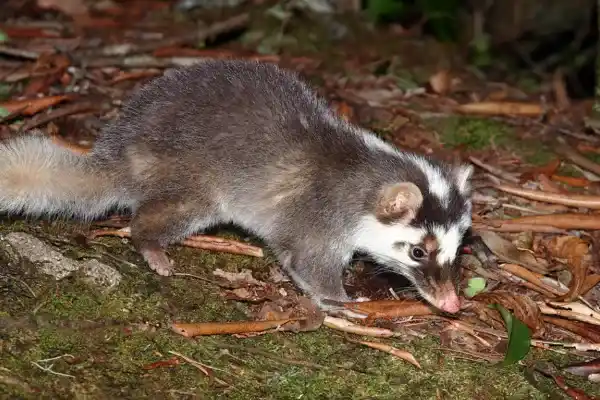
8) Japanese Badger ( Meles anakuma )
The Japanese badger's fur is more brownish than that of many badgers, which are grayish. It is relatively solitary and does not form lifelong mates, typically only meeting briefly during the breeding season. The text mentions that it may breed twice a year and describes reproductive strategies such as "delayed fertilization/sperm storage" (to explain the timing of breeding and conception rhythms).
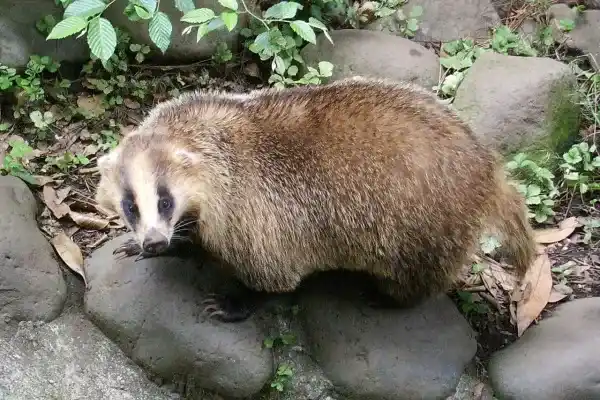
9) Vietnamese Weasel Badger ( Melogale cucphuongensis )
The Vietnamese ferret badger is considered one of the least understood species by humans, with very few publicly available live records and a lack of systematic research data. The article also mentions the view that it is even more difficult to observe due to potentially high hunting pressure .
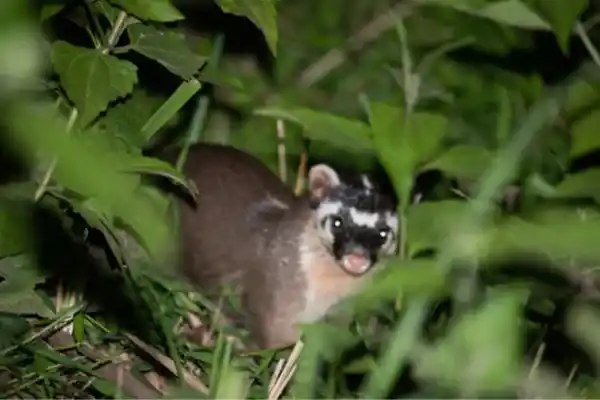
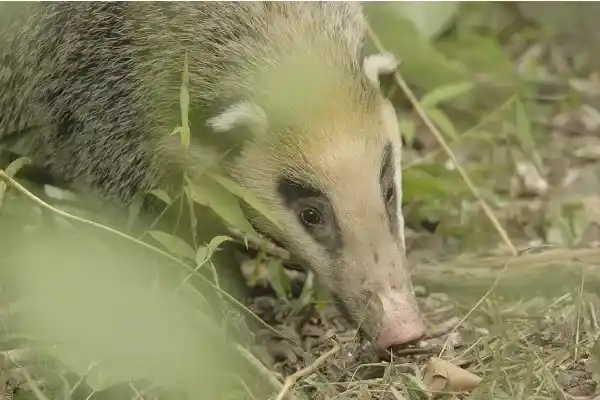
10) Giant hog badger ( Arctonyx collaris )
The hog badger is found in Thailand, China, Vietnam, Indonesia, Cambodia, and other regions, and can live in forests and grasslands. It may also resort to scavenging when food is scarce.
Weight: Approximately 7–14 kg
Body length: up to approximately 60 centimeters
Lifespan in the wild: The text mentions approximately 14 years.
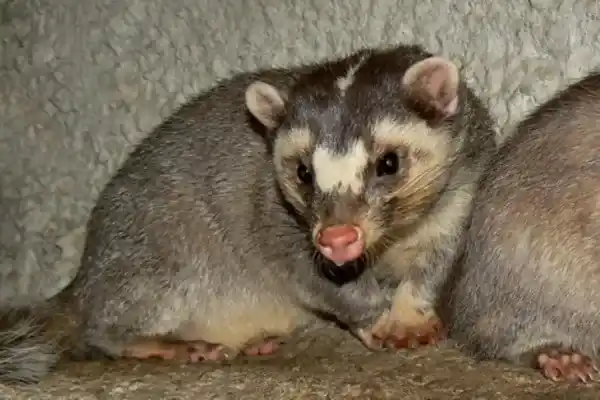
11) Chinese Weasel Badger ( Melogale moschata )
It is mainly distributed in China and parts of East Asia, with some sources mentioning its expansion to Borneo and Java. Its coat is commonly light beige, sometimes even close to golden, though brown individuals may also exist. Like many mustelids, it has a low-lying body and short limbs. Historically, its fur has been used for fur-related purposes.
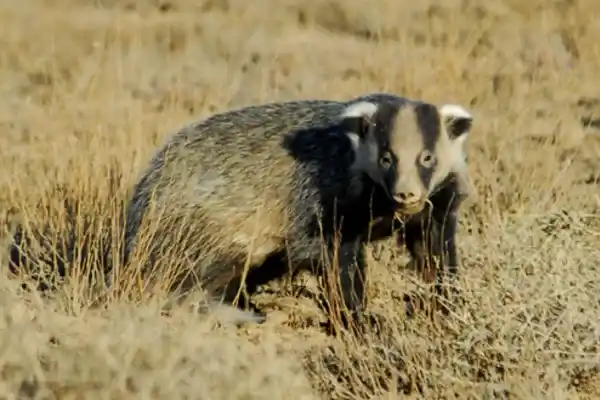
12) Asian Badger ( Meles leucurus )
The Asian badger is found in South Korea, Russia, China, Kazakhstan, and other regions. Its coat color is often lighter than that of the Eurasian badger, sometimes appearing as a pale gold or whitish hue. The text mentions that although it may be smaller in size, its molars are relatively larger , a detail that helps in identifying and understanding its dietary adaptations.
13) Javan Weasel Badger ( Melogale orientalis )
This is the ferret badger , unique to Java, Indonesia . It is mostly nocturnal, but may also be active at dusk. The article mentions that in some ecological parks, they may be less afraid of humans due to their familiarity with their presence, and may even come out to "beg for food" when tourists arrive.
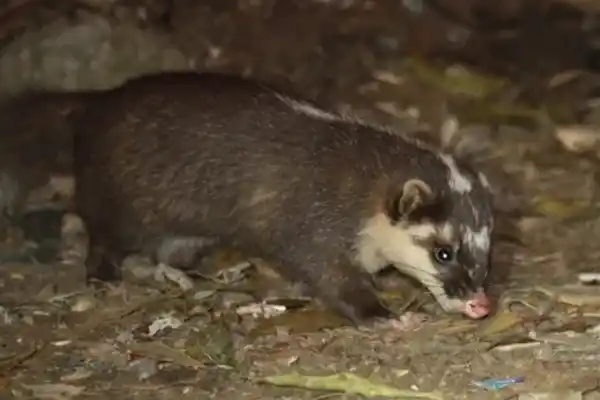
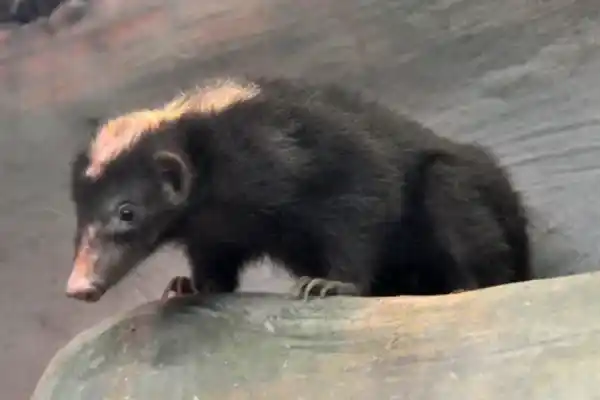
14) Palawan Badger ( Mydaus marchei )
The Palawan smoky badger is mostly resting during the day and foraging at night. It is relatively rare and solitary . It can forage for fruits and vegetables in farmland, and can also be found in grasslands, thickets, and other environments. Unlike traditional mustelid badgers, smoky badgers use strong odors for defense.
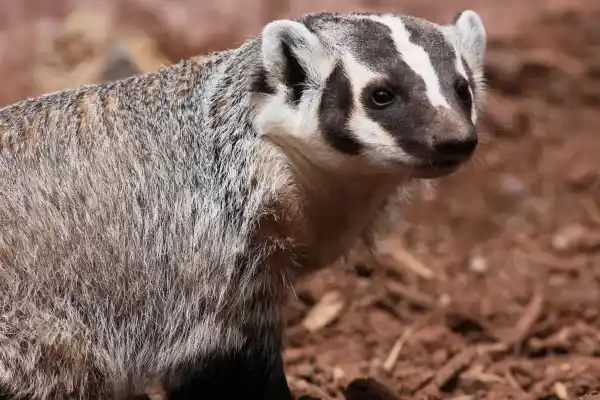
15) American Badger ( Taxidea taxus )
Other names: Tlalcoyote (as it is called in some regions)
The American badger has very distinct facial stripes, and often has a white longitudinal stripe running along its back. It is a large animal with a short neck, short and very wide legs, strong forelimbs, and excellent digging ability; its ears are small and round.
Weight: up to approximately 15 kg
Key identifying features: strong burrowing forelimbs, facial stripes, and white markings on the back.
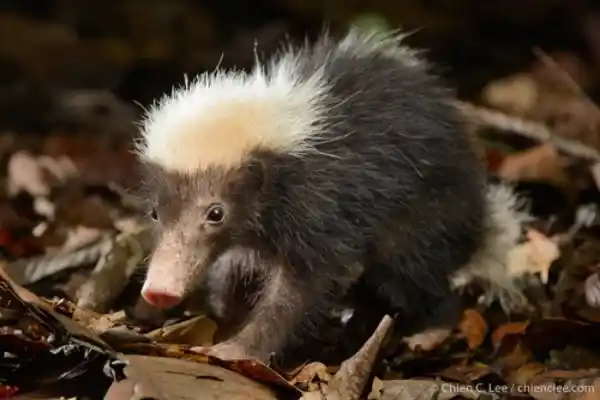
16) Malayan stinking badger ( Mydaus javanensis )
The Malayan skunk badger is endemic to parts of Malaysia and Indonesia . Its most distinctive feature is the tuft of white fur extending from between its eyes to the back of its head. It is primarily carnivorous, feeding mainly on insects, small vertebrates, and carrion, and occasionally on fruit. When threatened, it releases a strong skunk-like odor to repel predators.
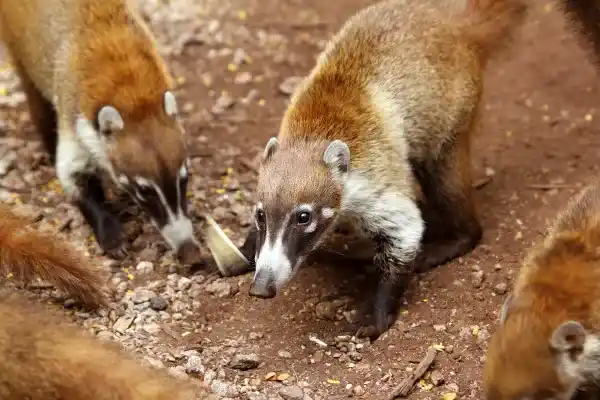
17) "Mexican Badger" ( Nasua narica , white-nosed raccoon)
It's important to clarify that the term " Mexican badger " in many places actually refers to the white-nosed raccoon (coati) , not a true badger . The misnomer stems from the early colonial period when people used familiar European animal names to refer to newly discovered species. It is omnivorous , feeding on bird eggs, fruits, tender stems, insects, small rodents, snakes, acorns, and nuts, and is found in parts of North and Central America, particularly in Mexico .
How can you quickly distinguish these "badgers"?
Examine the mouth, nose, and body structure
Arctonyx: Its snout and mouth resemble a pig's, and it is adept at rooting around in the ground to find food.
True badger (Meles, Taxidea): More stocky and ground-hugging, with strong digging ability and typical facial stripes.
Melogale: Usually smaller and more agile, some with outstanding climbing abilities.
Stink Badger (Mydaus): More famous for its scent defense, it differs from the traditional mustelid badger.
Use geographic distribution for "quick filtering"
Europe: Eurasian Badger (Eurasian/Common Badger)
North America: American Badger
Taiwan, Java, Sumatra, Borneo: Various species of weasel badgers and hog badgers
Palawan: Palawan Stink Badger