China is a country with a very rich variety of venomous snakes. It is estimated that there are nearly 400 species of venomous snakes worldwide, of which about 70 are found in China. Snake venom can be classified into three main categories based on its properties: neurotoxins, hemotoxins, and mixed venoms. So, which are the most venomous snakes? Below is a list of the top ten most venomous snakes in China, including: Banded krait, Indian krait, Zhoushan cobra, Bengal cobra, Spotted viper, King cobra, Short-tailed pit viper, Alashan pit viper, Golden krait, and Red-tailed bamboo pit viper. Let's take a look. The ranking is mainly based on the snakes' popularity and toxicity, and also takes into account relevant online rankings/lists. If you have any questions, please feel free to comment and correct us.
The following is a list of the top ten venomous snakes in China:
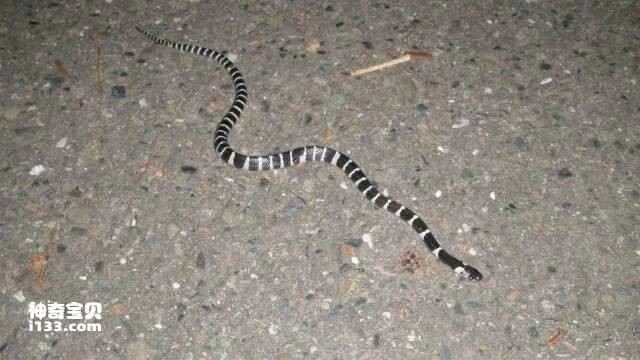
1. Banded krait
The banded krait is a common Asian venomous snake with a wide distribution, mainly found in China, India, Southeast Asia, and Japan. Their body length typically ranges from 50 centimeters to 1 meter, with the longest recorded at 1.5 meters. The banded krait has a relatively small, triangular head and distinctive silvery-white rings on its body, hence its name. It is nocturnal and primarily feeds on rodents, reptiles, and amphibians. The banded krait's venom contains various components, with neurotoxins being the main component, posing a threat to both humans and animals.
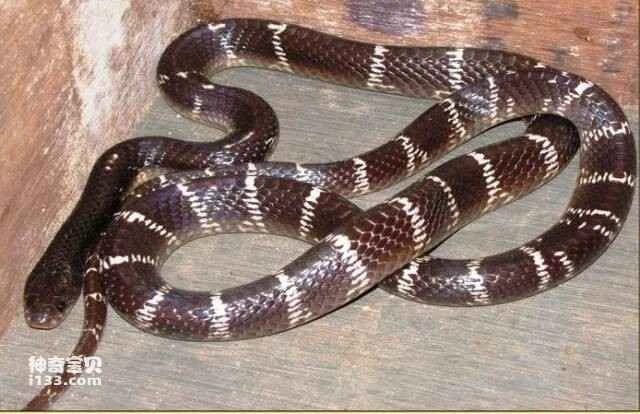
2. Indian Ringed Snake
The Indian ringed snake, also known as the Himalayan ringed snake or the Speck's ringed snake, is a highly venomous Asian snake mainly distributed in the Indian subcontinent and surrounding areas. It is a medium-sized snake, typically about 1 meter in length, but can reach up to 1.5 meters. It has a relatively small head, a cylindrical body, and black or brown rings, hence its name. The venom of the Indian ringed snake contains various components, with neurotoxins being particularly potent, capable of causing respiratory failure and death. The Indian ringed snake is nocturnal, usually hiding in burrows or tall grass during the day and becoming active at night to hunt. It feeds on small animals such as rodents, reptiles, and amphibians, but also preys on other snakes.

3. Zhoushan cobra
The Zhoushan cobra, also known as the Chinese cobra, South China cobra, and water-eyed snake, is one of the most common venomous snakes in China, mainly distributed along the southern coast and islands. They typically reach a length of about 1.5 meters, but can grow to over 2 meters. The Zhoushan cobra has a flat, triangular head with distinct black rings around its eyes, hence its name. Its venom contains various components, with neurotoxins being particularly potent, capable of causing respiratory failure and death. The Zhoushan cobra is nocturnal and primarily feeds on rodents, reptiles, and amphibians. They prefer to live in damp environments such as rivers, lakes, swamps, and rice paddies.

4. Bengal cobra
The Bengal cobra, also known as the Indian cobra or Pakistani cobra, is a common Asian venomous snake, mainly distributed in South and Southeast Asia. They typically range in length from 1 to 1.5 meters, but can reach over 2 meters. The Bengal cobra has a flat, triangular head with prominent black rings around its eyes, hence its name. Its venom contains various components, with neurotoxins being particularly potent, capable of causing respiratory failure and death. Bengal cobras are nocturnal and primarily feed on rodents, reptiles, and amphibians. They prefer to live in damp environments such as rivers, lakes, swamps, and rice paddies.
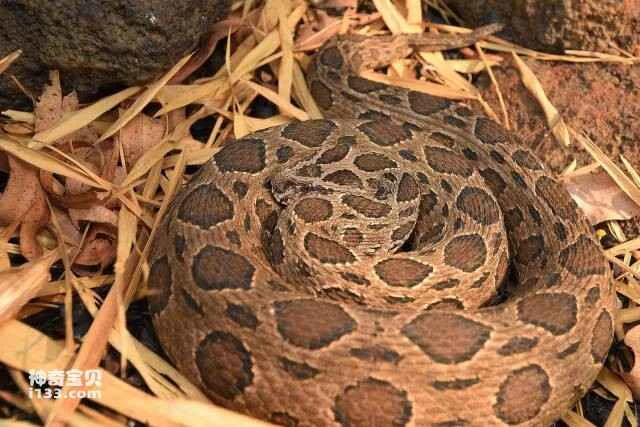
5. Spotted viper
The ringed viper, also known as the Chinese viper, is a common venomous snake in China, widely distributed, mainly in southern China. They typically range in length from 80 cm to 1.2 meters, with some reaching up to 1.5 meters. The ringed viper has a broad, triangular head, and its body is primarily light gray or pale brown, with black rings and small dots, hence its name. The venom of the ringed viper contains various components, with neurotoxins being particularly potent. Ringed vipers are nocturnal and primarily feed on rodents, reptiles, and amphibians. They prefer to live in damp environments such as grasslands, bushes, rivers, wetlands, and rice paddies.
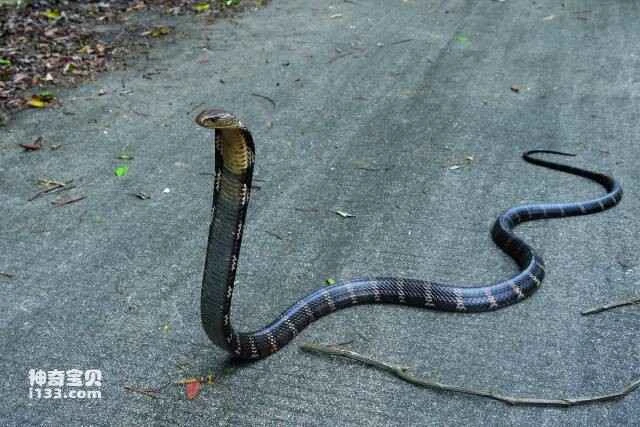
6. King Cobra
The king cobra, also known as the Taiwan cobra, is a very beautiful snake mainly distributed in East Asia, including China, Japan, and Taiwan. They typically range in length from 1 to 2 meters, with some reaching over 3 meters. The king cobra's head is flat and triangular, with distinct black or brown rings around its eyes, hence its name. Their body color and rings vary considerably, with common colors including yellow, brown, and gray. While not belonging to the true cobra family, the king cobra's venom is similar in composition, containing neurotoxins and other components, making it highly toxic to both humans and animals. However, king cobras are not aggressive and typically only react defensively when disturbed or threatened. They feed on small animals such as birds, rodents, and reptiles, and are typically nocturnal. In nature, the king cobra is considered a useful rodent catcher.
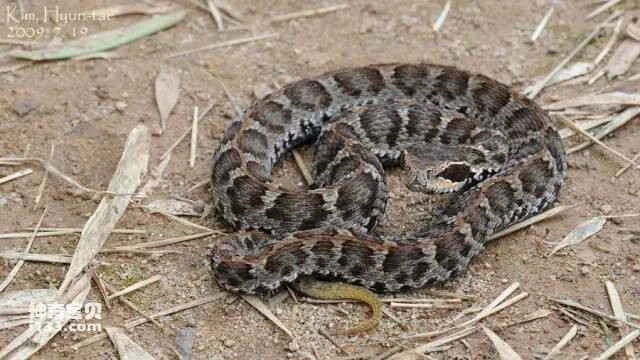
7. Short-tailed adder
The short-tailed viper, also known as the bamboo snake, bald-nosed viper, or Taiwan bald-headed snake, is a common Asian venomous snake, mainly distributed in southern China, Taiwan, Vietnam, and the Philippines. They are relatively short-bodied, typically between 40-70 cm in length, with the longest not exceeding 1 meter. The short-tailed viper has a triangular head with distinct black or brown spots, and its body is mainly pale yellow or gray, with black rings and small dots on its surface. The venom of the short-tailed viper contains various components, especially neurotoxins, posing a threat to both humans and animals. Although short-tailed vipers are generally docile, they will still react defensively and bite humans if disturbed or attacked. They are nocturnal and primarily feed on small animals such as amphibians, reptiles, rodents, and insects. They prefer to live in damp environments such as grasslands, bushes, rivers, wetlands, and rice paddies.
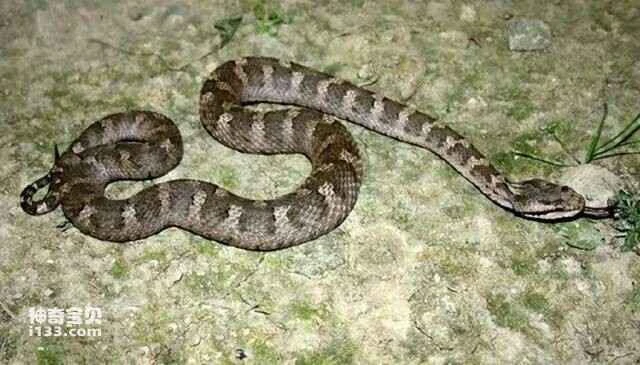
8. Alashan viper
The Alashan viper, also known as the desert viper, sand viper, or red-ringed viper, is a venomous snake endemic to China, primarily distributed in the arid deserts and Gobi regions of Inner Mongolia, Ningxia, and Xinjiang. They typically range in length from 50 to 80 centimeters, with some reaching up to 1.5 meters. The Alashan viper has a flattened, triangular head and a cylindrical body with distinct black or brown rings and small dots. Its venom contains various components and is highly toxic to humans, causing symptoms such as bleeding, hemolysis, and shock. Due to its remote habitat, bites are relatively rare. The Alashan viper is nocturnal, feeding on small animals such as rodents, reptiles, and amphibians, and is highly adapted to arid environments, capable of going for extended periods without food or water.
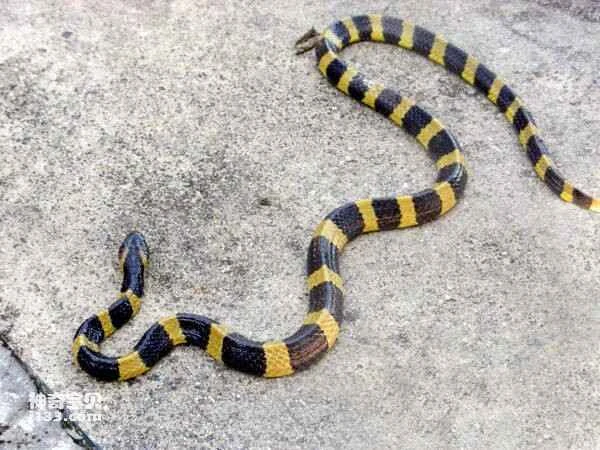
9. Golden-ringed snake
The banded krait, also known as the golden-ringed snake, yellow-necked snake, etc., is one of the most common venomous snakes in southeastern and southern China. They have slender bodies, typically ranging from 80-150 cm in length, but can reach over 2 meters in length. The banded krait has a flattened, triangular head and a cylindrical body, distinguished by prominent black or brown rings and small dots, hence its name. The venom of the banded krait contains various components and is highly toxic to humans. It is nocturnal and primarily feeds on rodents, reptiles, and amphibians. In nature, the banded krait is considered a useful rodent catcher.
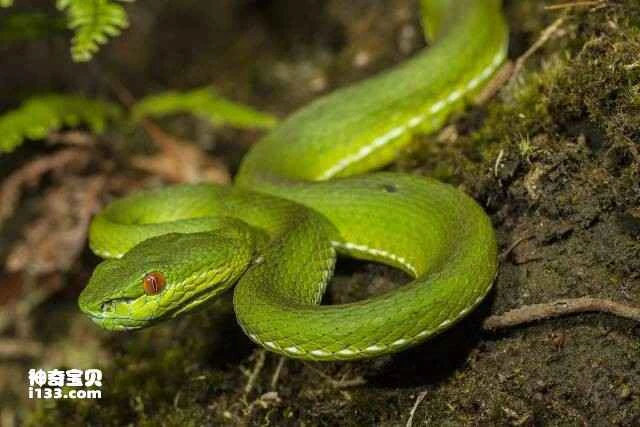
10. Red Tail Bamboo Leaves Green
The red-tailed bamboo pit viper is a venomous snake endemic to China, distributed in southern China, primarily in the provinces of Yunnan, Guizhou, Guangxi, and Fujian. They have slender bodies, typically between 70-100 cm in length, but can reach up to 1.5 meters in length. The red-tailed bamboo pit viper has a flattened, triangular head, a cylindrical body with distinct black rings and small dots, and a bright red tail, hence its name. Its venom contains multiple components and is highly toxic to humans. Although they do not attack humans, they may still react defensively if disturbed or threatened. The red-tailed bamboo pit viper is nocturnal and primarily feeds on rodents, reptiles, and amphibians. In nature, it is considered a useful rodent trap.
These venomous snakes are all poisonous, and if bitten, immediate medical attention is necessary. At the same time, contact and encounters with venomous snakes should be avoided as much as possible to prevent accidents.