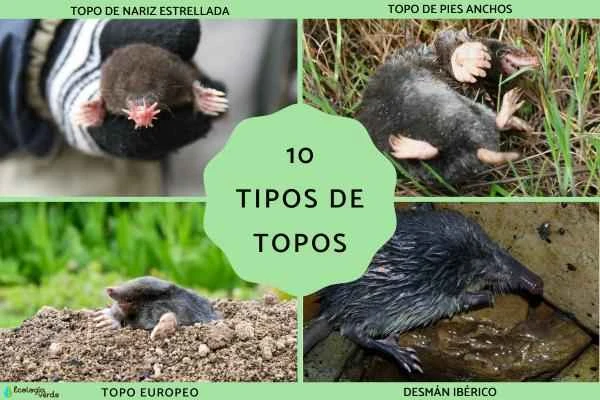
Moles are a group of subterranean mammals belonging to the family Talpidae in the order Soricomorpha. They are known for their powerful digging abilities with their forelimbs, their keen sense of smell, and their body structures adapted to underground living. Several species of moles exist globally, widely distributed in North America, Europe, and Asia. This article introduces 10 representative mole species, including the North American star-nosed mole, the Japanese mole, and the Iberian mole, providing insights into their characteristics, ecology, and habitats.
1. Star-nosed Mole (Condylura cristata)
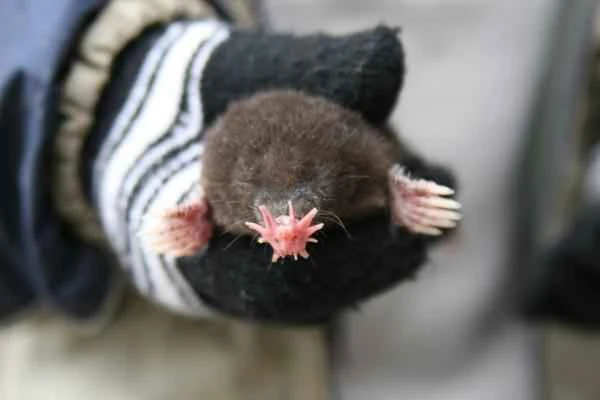
It lives in northeastern North America, measuring 15–20 cm in length and weighing approximately 56 grams. Its most distinctive feature is the 22 extremely sensitive, fleshy, tentacle-like protrusions on its nose. It is grayish-black in color, with robust forelimbs, and is adept at digging.
2. Hairy-tailed mole (Parascalops breweri)
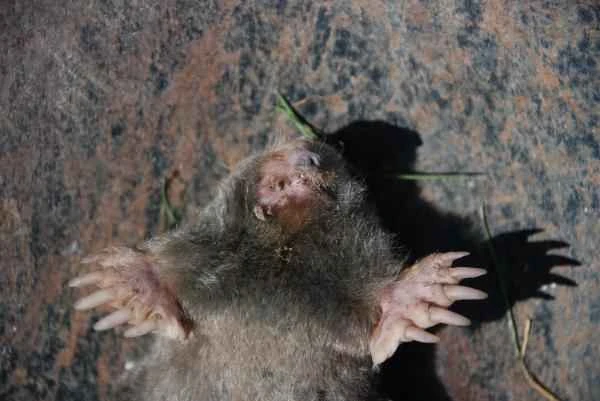
Distributed in the northeastern United States and southeastern Canada, it is about 15 cm long with a 3 cm tail. Its fur is grayish-black, its snout is prominent, and its forepaws are large and shovel-like, making it a typical "digging machine" mole species.
3. American mole (Scalopus aquaticus)
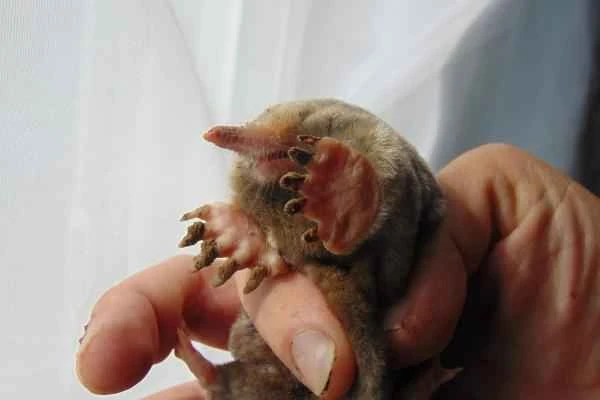
Widely distributed in parts of Mexico, the United States, and Canada. Body length 16 cm, tail length 3 cm, body color grayish-brown. Eyes almost completely covered by fur, no external ears visible, 36 teeth in total.
4. Broad-footed mole (Scapanus latimanus)
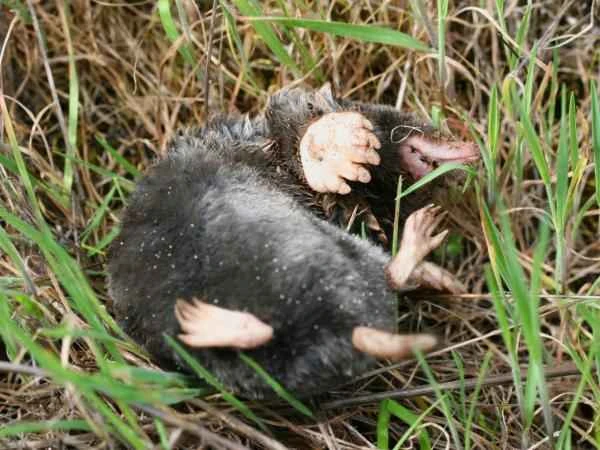
Found only in California, Nevada, and Oregon in the United States. They excel at digging deep tunnels, have smooth fur ranging in color from dark brown to silver-gray, with a uniform structure and a velvety texture.
5. Long-tailed mole (Scaptonyx fusicaudus)

They are distributed in the humid forests at altitudes of 2000–4100 meters in the mountainous regions of China, Myanmar, and Vietnam. They are small in size, completely terrestrial, and dig shallow tunnels with burrow entrances much smaller than those of other mole species.
6. European mole (Talpa europaea)

It has a wide distribution, extending from Western Europe to Western Siberia. It measures 10–15 cm in body length, with a tail about 3 cm long. It has a prominent snout, very small eyes, and no obvious ear flaps. It is highly adaptable, inhabiting forests, grasslands, and cultivated land.
7. Iberian mole (Talpa occidentalis)

Endemic to central and western Spain. Small in size, with eyes completely covered by fur and a long, slender skull. Primarily inhabits moist grasslands, irrigated farmland, and woodlands of poplar, elm, and other trees.
8. Shrew (Dymecodon pilirostris)
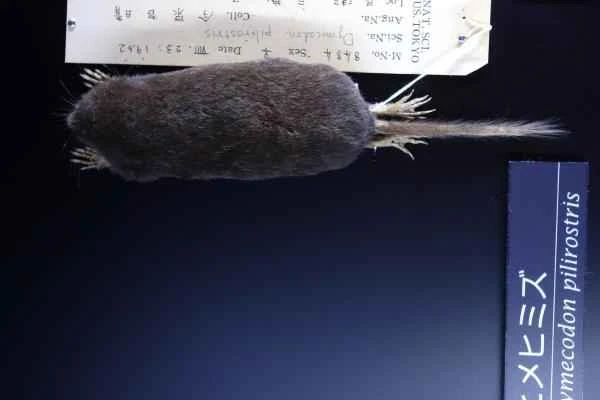
This species is endemic to Japan and measures only 6.5 centimeters in length. Its body is covered with dense, dark brown, metallic-looking hair. It resembles a shrew in appearance and inhabits forests, thickets, and meadows.
9. Micromole (Neurotrichus gibbsii)
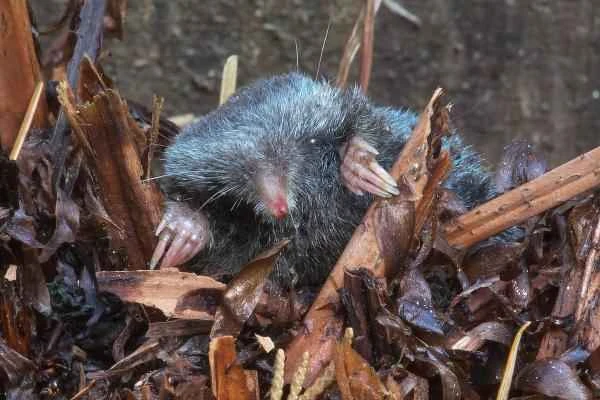
It is distributed in the western United States and British Columbia, Canada. It lives in moist soil environments and is commonly found in streams, grasslands, and forest edges. It is one of the smallest moles.
10. Pyrenean mole (Galemys pyrenaicus)
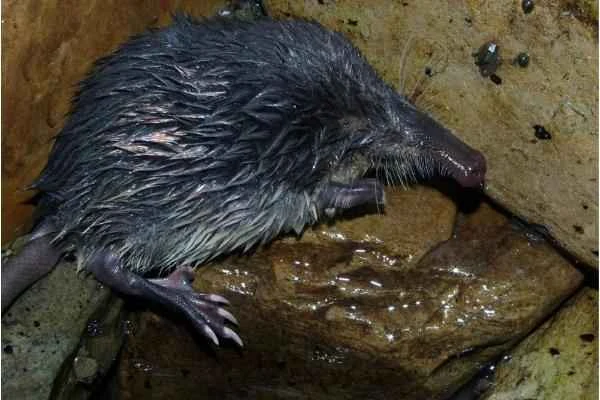
They are mainly distributed in the mountainous regions of northern Spain and southern France. Their forelimbs are adapted for digging, while their hind limbs are strong and flexible, allowing them to swim in water. They are moles that are capable of both terrestrial and aquatic living.
Interested in learning about mammal species? Follow us to explore more about animal classification and ecology!