Shorebirds (Aves limícolas) are a group of birds that live in wetland environments such as coastlines, riverbanks, and mudflats, characterized by their slender beaks and long legs. They are distributed worldwide and are an important group of waterbirds. This article will provide you with a detailed introduction to the definition and ecological characteristics of shorebirds, as well as 12 common shorebird species, especially representative species observed in Spain.
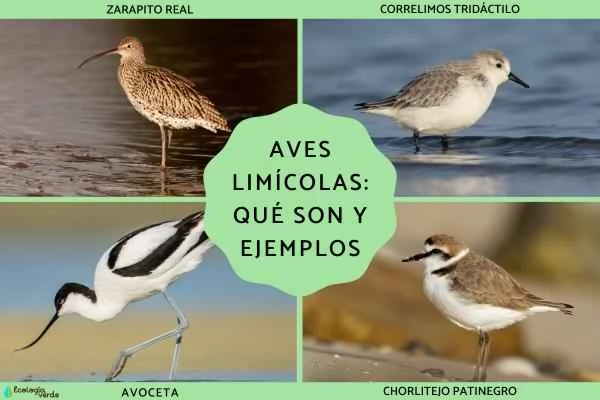
What are shorebirds?
Shorebirds are waterbirds that typically live in mudflats, wetlands, saline-alkali lands, and estuaries , and have the following characteristics:
Morphological characteristics : The slender beak is suitable for foraging deep in the mud, and the long legs are good for wading.
Classification changes : Traditionally classified as Charadriiformes, but some recent classifications place it in Ciconiiformes.
Migratory ability : Approximately 60% of species are long-distance migratory birds, while only 3% are resident birds.
Food sources : They mainly feed on annelids (such as earthworms), arthropods (such as insects and crustaceans), and mollusks.
Reproduction methods : diverse, including monogamy, polygamy, and group mating.
1. Eurasian Curlew (Numenius arquata)
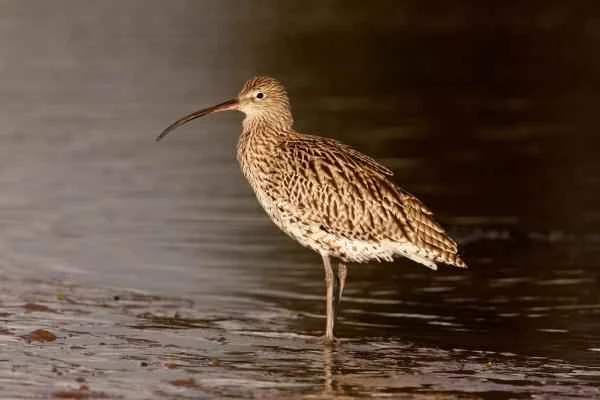
Distributed in temperate and subarctic regions from Western Europe to Siberia, it is known for its long, curved beak. Its call is loud and melodious, making it one of the most representative shorebirds.
2. Little Sandpiper (Calidris minuta)
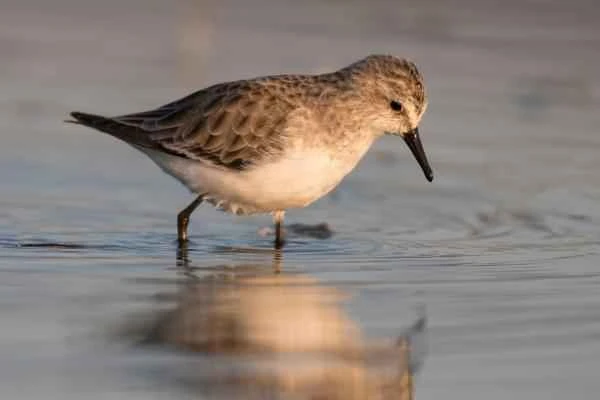
Breeding in Northern Europe and Russia, they migrate to the Mediterranean and Africa for the winter. They are only 12–14 cm long, with slender beaks, black legs, and quick, agile movements.
3. Three-toed Stint (Calidris alba)
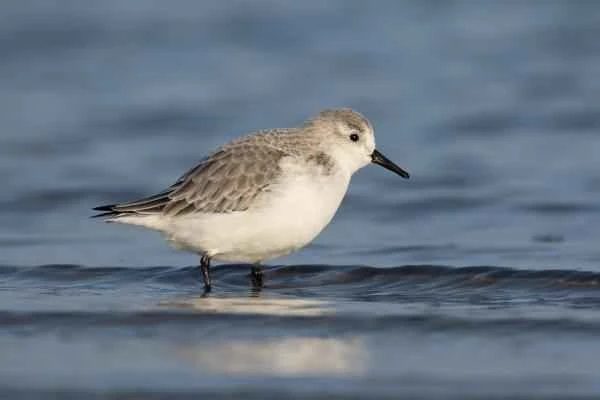
Commonly found along the coast of the Gulf of Cádiz, they are adept at chasing small prey such as bivalves and crustaceans behind the waves. They are nimble and a frequent subject of beach photography.
4. Rattle Curlew (Numenius phaeopus)
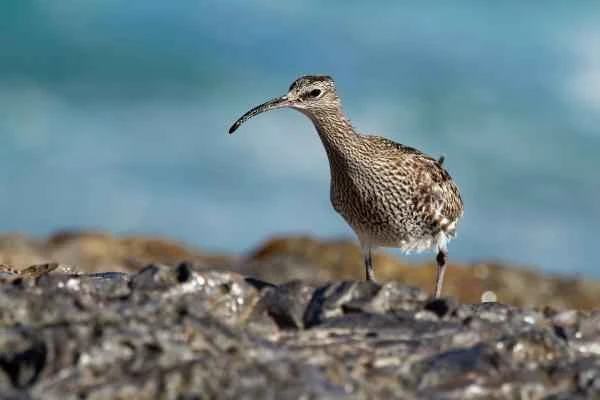
Most commonly seen during the autumn migration in the Ebro Delta. It measures 41 cm in length, has a wingspan of 82 cm, and weighs up to 430 grams.
5. Fighting Sandpiper (Philomachus pugnax)
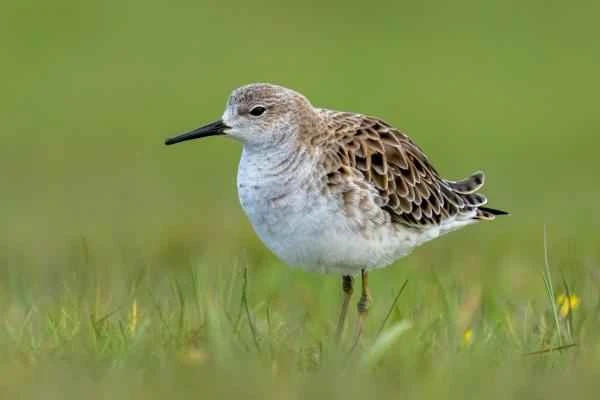
They breed in Eurasia, with a small number wintering along the Mediterranean coast. Males engage in "battle displays" during the breeding season to win the attention of mates.
6. Black-winged Stilt (Himantopus himantopus)
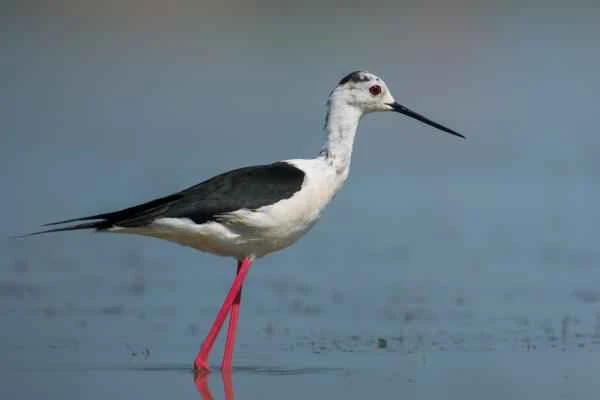
Its most distinctive feature is its slender, long, pinkish legs. It has a long, straight, black beak, and adults can reach 33–36 cm in length. It is commonly found in the wetlands of southern Spain.
7. Avosetta (Recurvirostra avosetta)
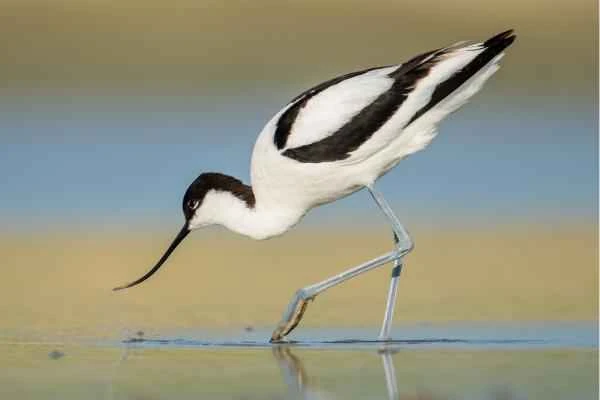
With its distinct black and white plumage and upward-curving beak, it is found in coastal wetlands across Eurasia and Africa, making it a popular target for birdwatching enthusiasts.
8. Ring-necked Plover (Charadrius hiaticula)
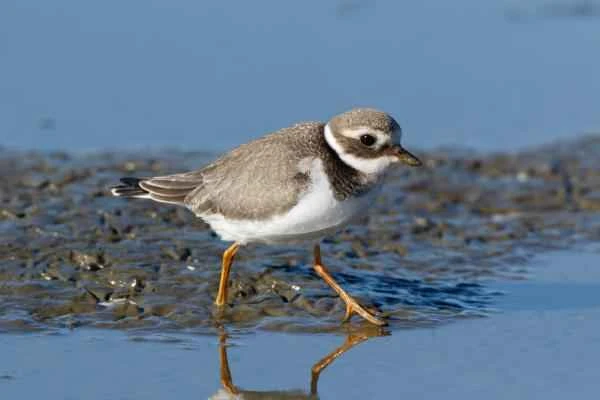
Distributed across Eurasia and North Africa. Two distinct migration peaks occur annually in May and October in the Gulf of Cádiz. Characterized by its orange beak and legs, with a black tip on the beak.
9. Black-footed Sandpiper (Charadrius alexandrinus)
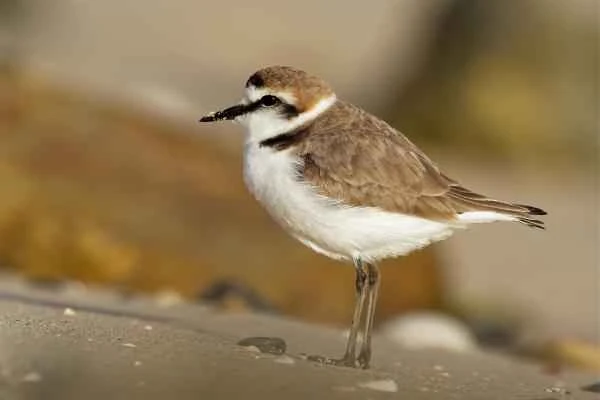
They prefer habitats such as sandy beaches and salt lakes. The Gulf of Cádiz in Spain is an important wintering ground for them. They are 15–17 cm long and have a wingspan of 42–45 cm.
10. Common Sandpiper (Calidris alpina)
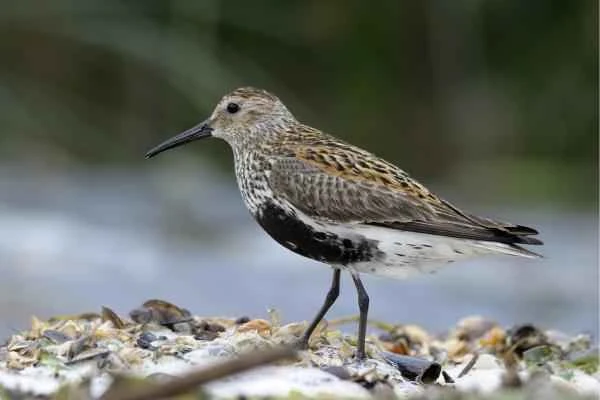
Common wetland bird in Europe, migrating along the Mediterranean Sea in spring and autumn. It measures 17–21 cm in length, and the adult bird is highly recognizable with a black belly during the breeding season.
If you are passionate about birds and ecological observation, please bookmark our website to learn more about bird ecology!