The tree lobster, also known as the Lord Howe Island stick insect ( Dryococelus australis ), is a miraculous species whose tenacious survival ability is astonishing. Once thought to be extinct, it escaped extinction through extremely slim chances, demonstrating not only the resilience of nature but also the perseverance of humankind in conservation efforts. Below is a detailed explanation of how the tree lobster narrowly escaped extinction and ultimately found a path to survival.
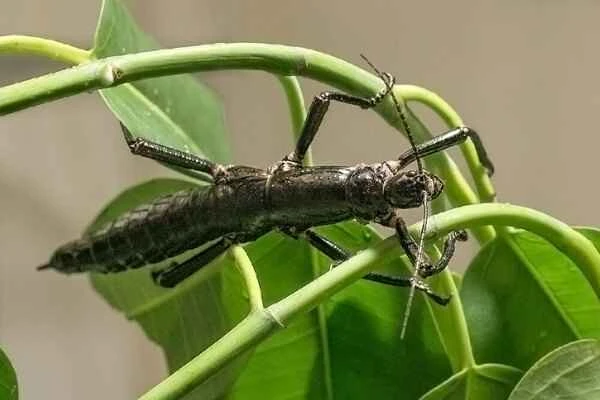
The Lord Howe Island stick insect was once very common on Lord Howe Island, off the coast of Australia. However, in 1918, a shipwreck near the island introduced an invasive species—the black rat. With virtually no natural predators, the black rats multiplied rapidly, wreaking havoc on the island's native wildlife. Tree lobsters, large and vulnerable, were almost defenseless against the black rats. Within a few years, they disappeared, and were declared extinct by 1920.
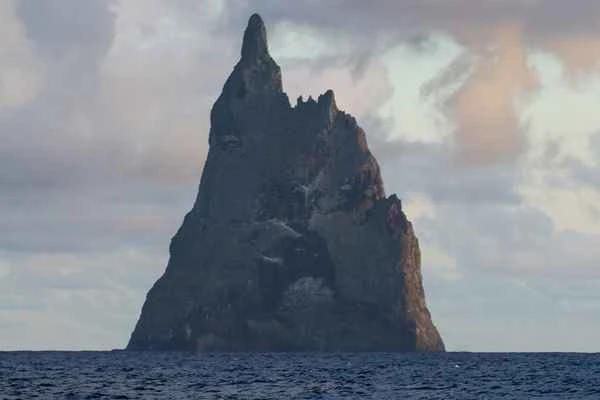
In 1964, climbers ascending the Pyramid of Bowers (a towering rock formation about 23 kilometers from Lord Howe Island) reported finding traces of large insect droppings. However, it wasn't until 2001 that scientists conducted a more in-depth investigation and discovered something incredible: a tiny colony of Lord Howe Island stick insects was still alive. Only about 24 insects were tenaciously surviving in a small area of vegetation, clinging to rock crevices. This discovery was astonishing, as it had been over 80 years since the last recorded instance.
Tree lobsters were able to escape extinction thanks to several key factors:
The isolation of the Pyramid of Bowers : The Pyramid of Bowers is a nearly insurmountable volcanic rock that blocked the invasion of black rats, allowing a small number of stick insects to survive undisturbed.
Adaptability and resilience : Stick insects have adapted to the sparse vegetation and harsh environment of the Bowers pyramid, demonstrating tenacious vitality and surviving on limited food and habitat.
Very few predators : Unlike Lord Howe Island, which is ravaged by black rats, the remote environment and steep terrain of Powers Pyramids limit the presence of predators, providing a relatively peaceful living environment for stick insects.
After their re-emergence, a small number of tree lobsters were carefully brought back to Melbourne Zoo in Australia, where a controlled breeding program began. Initially, this breeding process faced significant challenges because tree lobsters are highly sensitive to environmental conditions and easily stressed. However, with the help of entomologists, the zoo team gradually refined their methods, and the tree lobster population slowly increased.
The breeding program has now successfully produced hundreds of tree lobsters, and researchers are working to figure out how to reintroduce them to Lord Howe Island. The black rat eradication efforts on the island are ongoing, and conservationists hope that one day the stick insects can safely return to their homeland, no longer threatened by invasive predators.
The survival story of the stick insect on Lord Howe Island shows that even species thought to be extinct can find a place to survive in unexpected locations. This story teaches us that:
The importance of protecting isolated ecosystems : Isolated habitats can provide refuge for species that have lost their native habitats.
Targeted protection : Once a small population is identified, appropriate protection measures can stabilize and expand its numbers.
Science and community collaboration : The survival of tree lobsters depends on the collaborative efforts of scientists, local governments, and communities to protect and restore their habitat.
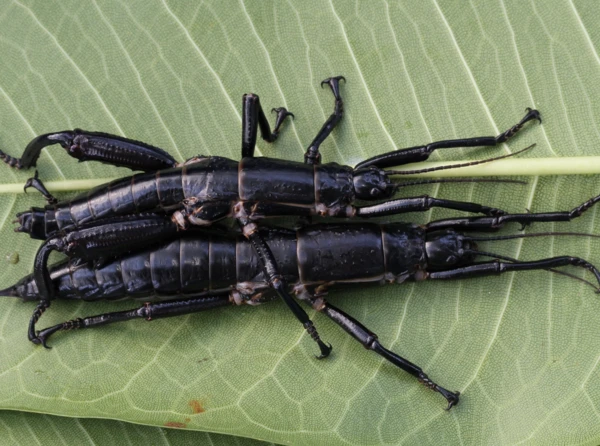
Are tree lobsters edible? A detailed account of this unique insect.
Tree lobsters , also known as Lord Howe Island stick worms ( Dryococelus australis ), despite their name suggesting they are edible seafood, are actually not suitable for consumption. The name of this unique insect is more of a humorous metaphor, vividly depicting its enormous size and "lobster-like" appearance, rather than its food source. Below is a detailed analysis of why tree lobsters are unsuitable for food, and why they are better suited as a wonder of nature than a meal.
1. What is a tree lobster?
Tree lobsters are rare, giant, flightless stick insects native to Lord Howe Island off the coast of Australia. They are nicknamed "lobsters" due to their large size (up to 6 inches in length) and hard legs, which resemble their appearance. However, tree lobsters are entirely insects, have no edible value, and have never appeared in food history.
2. Endangered Status and Conservation Efforts
The main reason tree lobsters are not considered for food is their endangered status . In the early 20th century, these insects were thought to be extinct due to the invasion of black rats on Lord Howe Island. Later, after the discovery of a small remaining population in a small area of Bowers Pyramid, conservationists gradually increased their numbers through breeding programs. Using them for food or for capture would undoubtedly undermine conservation efforts, as they remain critically endangered and strictly protected.
3. The actual reasons why it is inedible
Tree lobsters are not only protected, but also possess several characteristics that make them unsuitable as a food source:
Unpalatable taste and texture : Unlike real lobsters, this insect has a hard exoskeleton, almost no palatable meat, and there is no record of it being eaten.
Low nutritional value : Tree lobsters do not have abundant protein and nutrients, and are far less nutritious than more common edible insects such as crickets and mealworms.
Protected habitat : Tree lobsters live only in remote protected areas and currently mainly live in controlled protected environments or strictly managed ecosystems, which are not suitable for collection as food.
4. Ecological Importance
As a species, the tree lobster plays a vital role in the ecosystem of Lord Howe Island, maintaining the island's natural ecological balance. Harvesting or consuming tree lobsters could disrupt this balance, especially in the event of plans to reintroduce them to Lord Howe Island. Conservationists aim to restore their ecological role, not to utilize them for human consumption.
5. Protecting the symbol of success
The tree lobster is also an inspiring example of conservation success. Its reappearance and gradual recovery have made it a symbol of resilience. The world sees it not as a potential food source, but as a valuable case study in biodiversity conservation.
In conclusion, tree lobsters are neither edible nor suitable for human consumption. Their rarity, ecological importance, and endangered status dictate that they should be preserved in their natural environment. Today, tree lobsters are not a delicacy, but rather a symbol of nature's resilience and successful conservation.
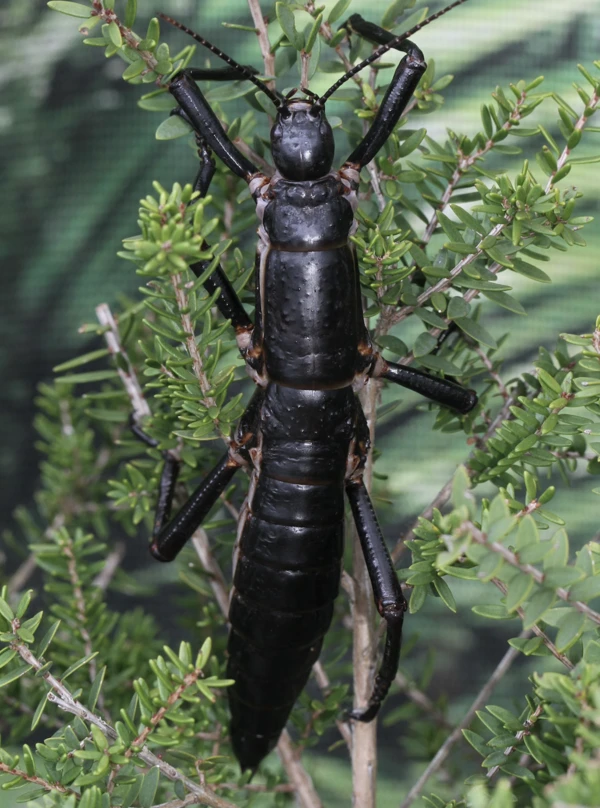
The story of the tree lobster's journey from extinction to recovery not only highlights the resilience of nature but also demonstrates the importance of proactive conservation. The encouraging path to recovery for this once-disappeared insect, as conservation efforts continue, proves that even the most endangered species can be reborn with the right support. The tree lobster's story serves as a powerful reminder that proactive conservation, habitat protection, and respect for isolated ecosystems can pave the way for endangered species to escape extinction.