Pink dolphins, also known as Amazonian dolphins (boto), are among the most unique and fascinating marine mammals in the world. With their distinctive pink skin and playful behavior, these dolphins have captivated the imaginations of countless people. Below is a comprehensive introduction to these amazing creatures.
Physical characteristics
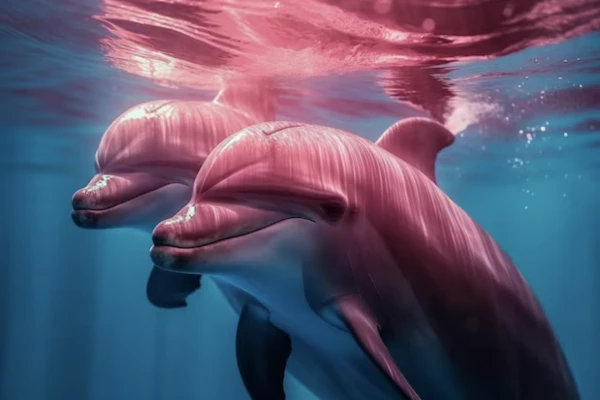
Pink dolphins are known for their striking pink skin, which ranges in color from light to dark pink. The coloration is usually more pronounced in mature males, while younger dolphins and females may appear grayer. They can reach 2.5 to 3 meters (about 8 to 10 feet ) in length and weigh between 100 and 200 kilograms (about 220 to 440 pounds ).
Why are pink dolphins pink?
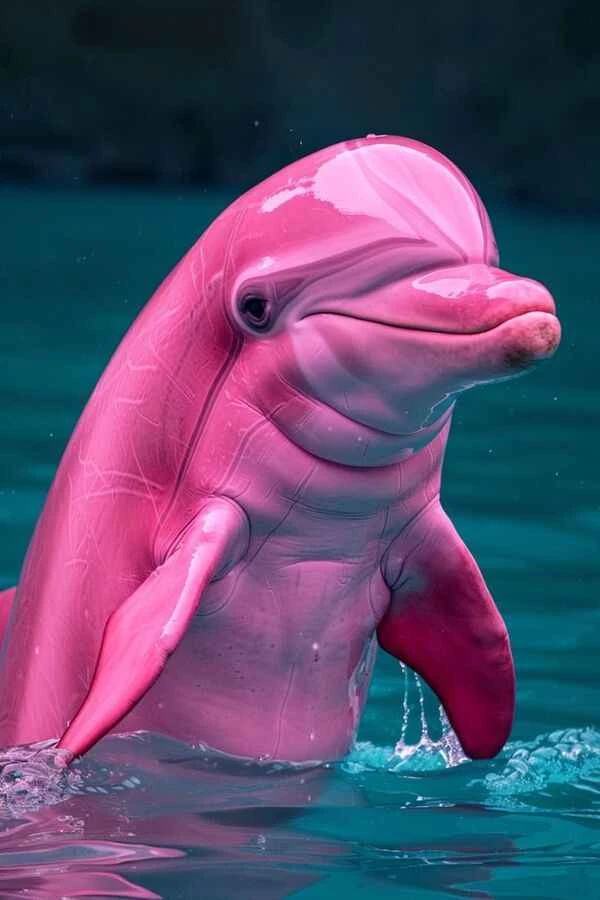
Pink dolphins, especially Amazonian dolphins (boto), possess distinctive pink skin, ranging in color from light pink to vibrant pink. Here are a few reasons why they appear pink:
1. Genetic factors
The pink color is primarily due to genetic factors. As these dolphins mature, their skin color changes, with males typically becoming more pink. This change is related to the distribution of blood vessels near the skin's surface.
2. Temperature regulation
Pink skin helps regulate temperature. In warmer waters, increased blood flow to the skin can cause dolphins to appear pinker as their bodies work to maintain a stable internal temperature.
3. Social significance
Their vibrant colors may play a role in social interactions. Brighter-colored males may be more attractive to females, conveying a signal of health and genetic superiority.
4. Environmental factors
The environment in which these dolphins live also affects their color. For example, sunlight exposure and water clarity can influence how pink they appear.
The pink color of pink dolphins is a captivating adaptation influenced by genetic, health, and environmental factors. This unique characteristic not only makes them visually striking but also plays a vital role in social interaction and survival in the wild.
Habitat and Distribution
Pink dolphins are primarily found in freshwater rivers and lakes within the Amazon basin of South America. Their habitats are distributed across the following countries:
Brazil
Peru
Colombia
Venezuela
Ecuador
They inhabit the Amazon River, its tributaries, and flooded forests during the rainy season, and typically prefer slow-moving waters.
Population size
Estimating the exact number of pink dolphins is challenging due to their mystique and the vastness of their habitat. However, it is believed that the number of pink dolphins in the wild ranges from 10,000 to 100,000 . Despite their relatively large numbers, local populations can vary significantly due to environmental conditions and human impact.
Are pink dolphins dangerous?
Pink dolphins, especially Amazonian dolphins (boto), are generally not considered a danger to humans. Here are some key points about their nature:
1. Behavior
Pink dolphins are known for their playful and curious behavior. They are social animals, often swimming in groups and displaying friendly interactions.
2. Attacks on humans
There are virtually no documented instances of pink dolphins attacking humans. They tend to avoid contact with humans and usually swim away when approached.
3. Defensive behavior
While pink dolphins are not aggressive, they may exhibit defensive behavior when threatened, especially when protecting their young. Like many wild animals, they may react when they perceive a threat.
4. Human Interaction
Local legends depict pink dolphins as mythical creatures, which have sparked both fascination and fear in some cultures. However, these stories often exaggerate their nature.
Overall, pink dolphins pose no danger to humans. They are gentle creatures that play an important role in the ecosystem. Respecting their natural habitat and maintaining a safe distance when observing them is the best way to ensure peaceful interaction.
How do dolphins communicate
Dolphins communicate using a variety of sounds, including clicking sounds, whistles, and body language. Here is a brief overview of their communication methods:
Clicking sounds : Dolphins primarily use clicking sounds for echolocation, which helps them navigate and hunt. Clicking sounds can also serve as a form of communication, conveying information about their surroundings.
Whistling : Each dolphin has a unique signature whistle, much like its name. Dolphins use these whistles to identify themselves and communicate with their companions.
Body language : Dolphins also communicate through physical movements, such as jumping, spinning, or rubbing against each other. This nonverbal communication can express emotions and social interactions.
Posture and facial expressions : Dolphins convey emotions, such as aggression or playfulness, through body posture and facial features.
In general, dolphins communicate in a very complex way, playing a vital role in their social interactions and survival.
Protection status
The International Union for Conservation of Nature (IUCN) lists the pink dolphin as " Data Deficient," meaning there is a lack of sufficient data to determine its overall extinction risk. However, they face several threats, including:
Habitat loss : Deforestation and dam construction along the Amazon River have destroyed their natural habitats.
Pollution : Industrial wastewater and agricultural chemicals may pollute its waters, affecting its health and food sources.
Fishing nets : Pink dolphins may get entangled in fishing gear, resulting in injury or death.
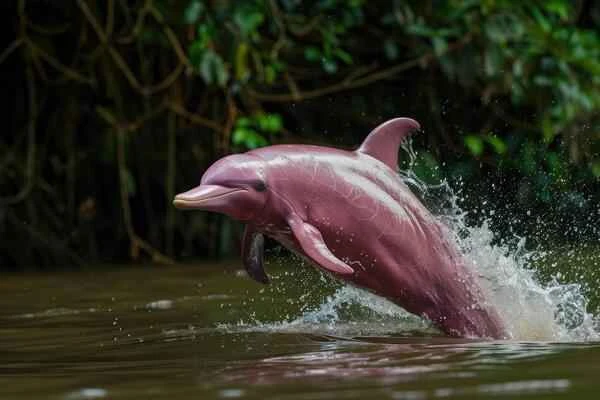
Natural predators of pink dolphins and their current numbers and distribution in various countries.
Pink dolphins, especially Amazonian dolphins (boto), face a limited number of natural predators, and their numbers vary across different countries. Below is a table showing their predators, current populations, and distribution by country:
| nation | Quantity estimation | area | Natural enemies |
|---|---|---|---|
| Brazil | 10,000 - 50,000 | Amazon River and its tributaries | Jaguar, Caiman |
| Peru | 5,000 - 15,000 | Amazon basin | Jaguar, large fish |
| Colombia | 2,000 - 10,000 | Amazon River and surrounding areas | Caiman, large predatory fish |
| Venezuela | 1,000 - 5,000 | Orinoco River and its tributaries | Caiman, Jaguar |
| Ecuador | 500 - 3,000 | Amazon region | Caiman, large predatory fish |
Key points
Natural enemies : The main natural enemies of pink dolphins include jaguars and caimans, which are natural predators in their habitat. Large predatory fish may also pose a threat to young dolphins.
Population estimates : Due to environmental factors, human activities, and the challenges of monitoring these mysterious creatures, population numbers may vary considerably. The estimates provided are rough approximations.
Distribution : Pink dolphins are mainly distributed in freshwater rivers and lakes in the Amazon basin, with significant populations in Brazil, Peru, Colombia, Venezuela and Ecuador.
This table provides a snapshot of the current population of pink dolphins and highlights some of their natural predators in the wild.
The importance of protection
Protecting the pink dolphins is not only crucial for their survival, but also essential for maintaining the health of the Amazon ecosystem. They play a vital role in controlling fish populations and maintaining the overall balance of their habitat.
Cultural significance
In many Amazonian cultures, pink dolphins are considered mystical creatures. Local legends often depict them as shapeshifters or protectors of the rivers. This cultural significance can aid conservation efforts, as communities that value these dolphins are more likely to prioritize their protection.
The pink dolphins are stunning creatures that highlight the biodiversity of the Amazon River and its importance to the global ecosystem. Despite facing numerous threats, understanding and protecting their habitats helps ensure their future survival. Through continued awareness and conservation efforts, we can hope to protect these fascinating animals and their rich habitats.
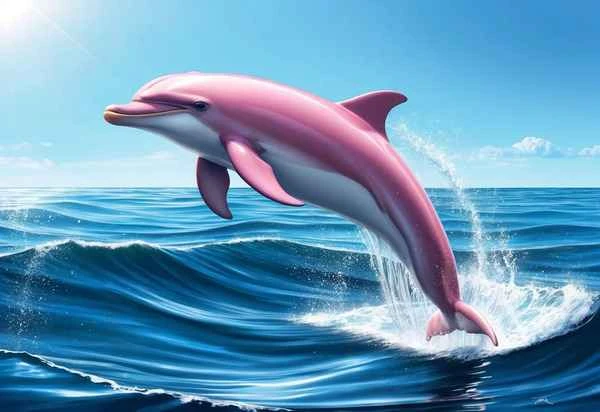
Comparison of pink dolphins and pink porpoises
Although pink dolphins and pink porpoises sound similar, they are different species with distinct characteristics. Here is a comparison of the two:
| feature | Pink dolphin (Amazon River dolphin) | Pink porpoise (usually referring to Vakita) |
|---|---|---|
| scientific name | Inia geoffrensis | Phocoena sinus (Vajita) |
| Habitat | Freshwater rivers in the Amazon basin | Coastal waters of the Gulf of Northern California |
| color | It is usually pink, especially in males; it can vary from gray to pink. | It is usually gray, a darker color; Vakita may sometimes appear lighter. |
| body shape | It can be 2.5 to 3 meters (8 to 10 feet) long. | The maximum length of the Vaki Tower is approximately 1.5 meters (5 feet). |
| Social behavior | Highly social, they usually appear in groups. | They are generally quite solitary and have limited social interaction. |
| diet | Fish, crustaceans and aquatic invertebrates | Primarily preys on small, schooling fish |
| Protection status | Data Shortage (IUCN) | Critically Endangered (IUCN) |
| Quantity estimation | 10,000 - 50,000 | Fewer than 30 individuals remaining |
Key differences
Species and classification :
Pink dolphins belong to the pufferfish family, while pink porpoises (Vakita) belong to the porpoise family.
Habitat :
Pink dolphins live in freshwater environments and are mainly distributed in the Amazon River and its tributaries. Pink porpoises, on the other hand, inhabit coastal marine environments.
Appearance :
Pink dolphins exhibit a striking pink color, especially the males; while pink porpoises (Vakita) are typically gray and may not have a noticeable pink hue.
Protection status :
The pink dolphin is listed as data-deficient, while the pink porpoise (Vakita) is listed as critically endangered and urgently requires conservation measures to save its dwindling population.
Pink dolphins and pink porpoises (Vakita) are both fascinating marine mammals, but they differ significantly in habitat, appearance, behavior, and conservation status. Understanding these differences is crucial for their conservation and the protection of their ecosystems.
Are there pink dolphins in Hong Kong?
There is indeed a species of dolphin called the Indo-Pacific humpback dolphin (or pink dolphin) in Hong Kong waters. These dolphins are known for their distinctive pink and white skin, which may become even more pink as they age, especially in adulthood. Here is some information about the Indo-Pacific humpback dolphin in Hong Kong:
1. Habitat
The Indo-Pacific humpback dolphin is mainly distributed in Hong Kong and its surrounding waters, including Victoria Harbour, the East Kowloon waters, and the waters near Lantau Island.
2. Quantity
In recent years, the population of Indo-Pacific humpback dolphins in Hong Kong has declined due to factors such as habitat destruction, pollution, and boat traffic. Conservation efforts are crucial to ensuring their survival.
3. Protection Status
The Indo-Pacific humpback dolphin is listed as a Class II protected animal in China. Hong Kong has also taken some measures to protect their habitat, such as establishing an ocean park and carrying out conservation projects.
4. Cultural significance
The Indo-Pacific humpback dolphin holds an important place in Hong Kong culture, and many people regard it as a local symbol, which has promoted awareness of marine ecological protection.
Therefore, Hong Kong does indeed have pink dolphins, and they play an important role in the ecosystem.