Many animals around us appear docile and harmless, yet their presence can pose a significant threat to humans. Whether through the spread of disease or direct attacks, some animals are far more deadly than we imagine. This article will detail some of the world's most dangerous animals and analyze their threats to humans, including the causes of their deaths, their attack methods, mortality statistics, and related safety precautions. Let's delve into the lives of these "deadly creatures."
1. Mosquitoes: The deadliest animals in the world
Fatal cause:
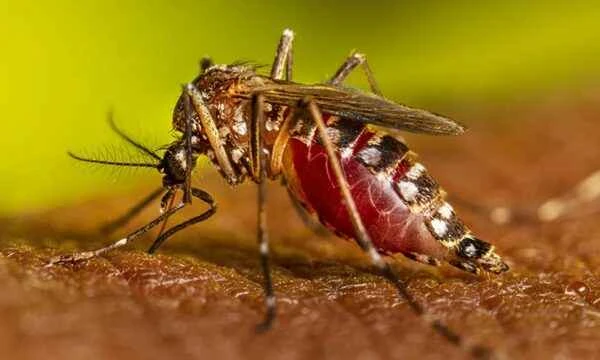
Mosquitoes are among the most common insects in our lives, but they are also some of the deadliest animals in the world. Every year, mosquitoes transmit a variety of deadly diseases through their bites, such as malaria , dengue fever , yellow fever , and Zika virus . Malaria, in particular, causes approximately 725,000 deaths globally each year. Mosquitoes transmit pathogens to humans through their bites, spreading diseases very rapidly.
threaten:
Mosquitoes are deadly because they are carriers of many deadly diseases. They carry pathogens, particularly malaria in tropical and subtropical regions, causing numerous deaths each year. Although mosquitoes themselves are very small, their bites can be fatal, transmitting pathogens to healthy humans after infecting them with their bites. Especially in areas lacking medical care, they are among the deadliest creatures globally, despite their small size . Preventing mosquito bites is key to preventing these diseases.
2. Humans: The Greatest Threat to Their Own Species

Fatal cause:
The threats humans pose to each other are obvious. War, violence, murder, and various social crimes cause a large number of deaths every year. Statistics show that approximately 437,000 people die from violence each year, making humans one of the deadliest mammals in the world. Humans are not only a threat to other species, but also their own greatest enemy.
threaten:
Besides our own acts of violence, human activities—including the destruction of the ecological environment and the plundering of other species—are also invisibly exacerbating the threat to the world's natural environment. Although we are one of the most intelligent and capable species, we have also caused enormous harm to ourselves and the planet through actions such as war, environmental pollution, and resource abuse.
3. Venomous snakes: Deadly bites
Fatal cause:
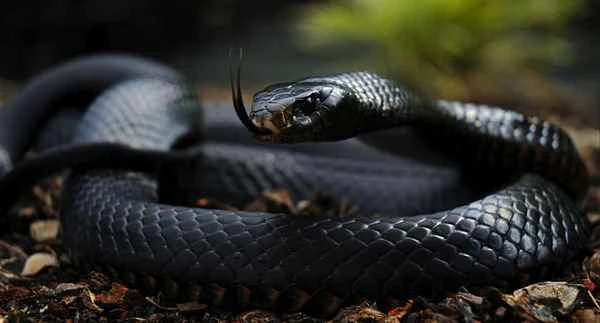
Venomous snakes are considered among the deadliest animals on Earth, especially species such as the black mamba , cobra , and rattlesnake . Approximately 50,000 to 100,000 people die each year from snakebites. Snake venom contains neurotoxins, hemotoxins, and cardiotoxins, which can rapidly trigger a fatal reaction in humans. Death after a snakebite is usually associated with the rapid damage the venom causes to the nervous, cardiac, or circulatory systems.
threaten:
The lethality of snakebites lies in their venom. Snake venom contains potent neurotoxins, hemotoxins, or cardiotoxins, which can rapidly lead to organ failure. While snakes may not appear particularly violent when attacking, once they bite their prey, the injection of venom can be swiftly fatal. Especially in areas far from medical facilities, snakebites often go untreated, resulting in a very high mortality rate. Snake venom is extremely potent; even the venom of smaller snakes can cause serious harm to humans. The mortality rate from snakebites is particularly high in remote areas lacking modern medical facilities. Snake venom can sometimes cause severe local damage, leading to amputation.
4. Dogs: Carriers of rabies

Fatal cause:
While dogs are many people's closest companions, they are also major carriers of rabies . Rabies is a deadly viral disease transmitted to humans through dog bites, causing approximately 25,000 deaths annually. The risk of virus transmission is extremely high, especially when stray dogs are unvaccinated.
threaten:
Rabies is a deadly viral disease that can cause neurological disorders, mental confusion, and ultimately death. Once infected, rabies is almost incurable. Without timely vaccination, the mortality rate is nearly 100%. Rabies is transmitted through dog bites, and in some impoverished areas, uncontrolled dog populations cause numerous deaths. Rabies not only threatens human lives but also places immense pressure on public health. Particularly in some developing countries and remote areas, the lack of rabies vaccines leads to extremely high mortality rates among those infected.
5. Freshwater snails: transmitters of schistosomiasis.
Fatal cause:
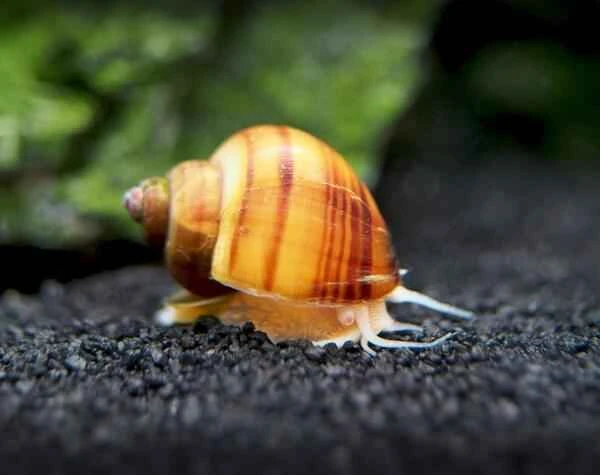
Freshwater snails are the primary vectors for schistosomiasis . This disease causes more than 20,000 deaths annually, particularly in tropical and subtropical regions of developing countries. The parasites inside the snails are transmitted to humans through contact with water, ultimately causing damage to vital organs such as the liver and kidneys, and in severe cases, death.
threaten:
Symptoms of schistosomiasis include fatigue, enlarged liver and spleen, and abdominal pain. Long-term infection can lead to severe organ damage and ultimately death. Although the disease is treatable, mortality rates remain high in areas lacking adequate medical care. Schistosomiasis is extremely prevalent in tropical and subtropical regions, particularly in parts of Africa and Asia. Snails, as vectors of the disease, pose a significant threat to the health of local residents. The disease not only affects individual health but also imposes a long-term socioeconomic burden.
6. Sandflies: The Demons Spreading Sleeping Dead
Fatal cause:
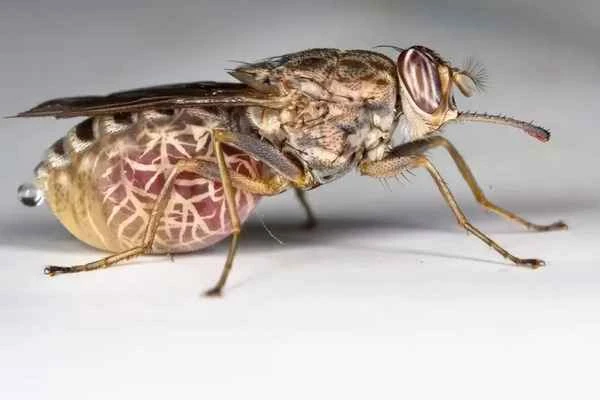
Sand flies are the vectors of African sleeping sickness (also known as trypanosomiasis ), infecting tens of thousands of people annually and causing death. Sleeping sickness affects the nervous system, causing symptoms such as drowsiness, confusion, and coma, and can ultimately lead to death.
threaten:
Sleeping sickness is transmitted by sandfly bites. If left untreated, it can lead to a coma and ultimately death. Sandflies, primarily found in sub-Saharan Africa, are the vectors for sleeping sickness. Although it is treatable with medication, its spread and mortality rates are very high in resource-scarce regions, particularly in areas with limited resources.
7. Hippopotamus: A seemingly docile killer
Fatal cause:
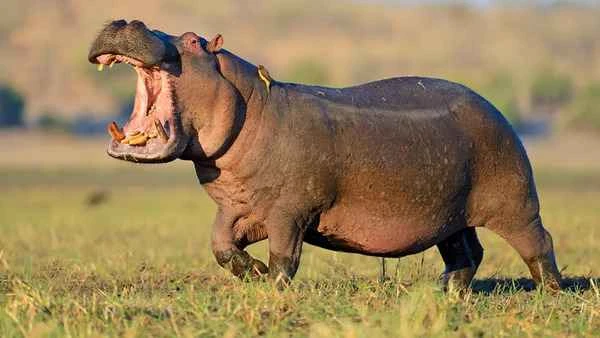
Despite their bulky appearance, hippos are actually extremely dangerous animals. Each year, hippos cause approximately 500 to 3,000 deaths. Hippos can weigh several tons, and their jaws are incredibly powerful, easily crushing prey.
threaten:
Hippos typically live in rivers and lakes in Africa. They are territorial protectors and will retaliate fiercely when their territory is threatened, especially those in the water. Their powerful bite makes any approaching creature a potential target. While hippos are not fast runners, their attack power is immense. Their enormous jaws can easily crush prey.
8. Crocodiles: Top predators in nature
Fatal cause:
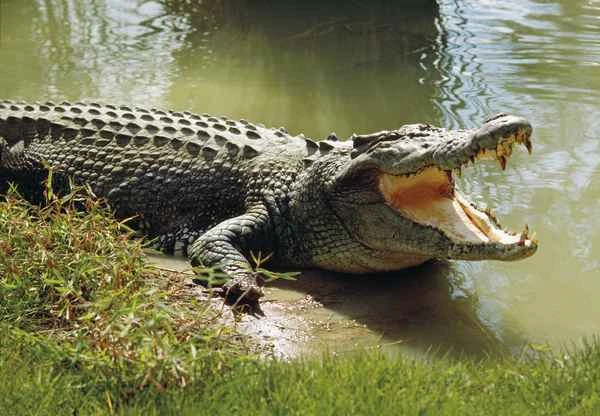
Nile crocodiles and saltwater crocodiles are among the most powerful predators on Earth, causing approximately 1,000 deaths each year. Crocodiles ambush their prey, dragging them swiftly into the water to suffocate them.
threaten:
Crocodiles are enormous and incredibly strong. They hunt by ambush, dragging their prey swiftly through the water and inflicting fatal injuries. Crocodiles are extremely powerful predators; once prey enters their attack range, they will attack without hesitation. Their prey have virtually no chance of escape. They typically inhabit rivers, lakes, or wetlands, and are particularly a significant threat to humans, especially in coastal areas of Africa, Southeast Asia, and Australia.
9. Scorpion: Deadly venom
Fatal cause:
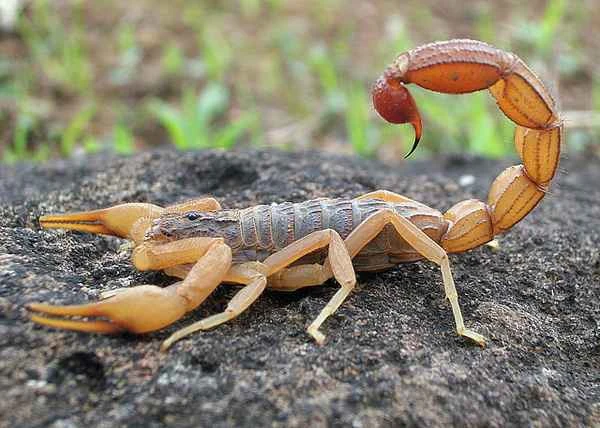
Scorpions , especially highly venomous species like the Indian red scorpion , cause thousands of deaths each year. Their venom can cause neurological problems, allergic reactions, and in severe cases, death.
threaten:
The lethality of scorpion bites lies in their venom. The neurotoxins in the venom can rapidly damage the human nervous system, leading to excruciating pain and death. Scorpions primarily inhabit tropical regions, deserts, and some warm areas. They are nocturnal and highly aggressive. Symptoms of a scorpion bite include difficulty breathing, convulsions, and coma; if not treated promptly, it can lead to death.
10. Box Jellyfish: Deadly Venom
Fatal cause:
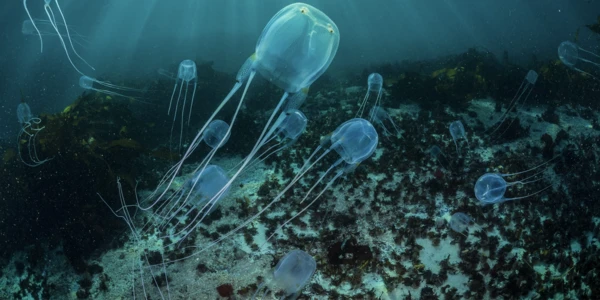
The box jellyfish (Tabernae jellyfish) is considered one of the world's deadliest jellyfish. Its venom is extremely potent and destructive, particularly to the heart and nervous system. Each year, box jellyfish venom causes dozens of deaths, especially along the Australian coast.
threaten:
The tentacles of the dome-shaped jellyfish contain potent and deadly venom, capable of causing death within minutes. A sting from these jellyfish causes the wound to fester rapidly, and the heart to stop beating. While this jellyfish primarily inhabits the waters of Australia and Southeast Asia, it can also be found in other tropical regions.
Summarize
Although we live on a planet teeming with life, many animals pose significant threats to humanity. From mosquito-borne diseases to attacks from venomous snakes and dogs, and the venom of scorpions and jellyfish, these seemingly insignificant or ordinary animals can become deadly killers in an instant. Understanding the dangers posed by these animals and learning how to prevent and respond to them is a crucial part of protecting yourself and your family.
Many animals around the world pose a significant threat to human life due to their deadly venom, aggressiveness, or disease-carrying abilities. Animals such as mosquitoes, venomous snakes, and dogs cause millions of deaths by transmitting deadly diseases like malaria and rabies, while large predators like hippos and crocodiles cause injury or death through direct attacks. Understanding the dangers these animals pose and their roles in nature can help us reduce conflicts with them and take effective preventative measures to avoid harm.
When faced with these deadly creatures, we should remain vigilant, respect their habitats, and take appropriate protective measures when necessary to ensure the safety of ourselves and others.