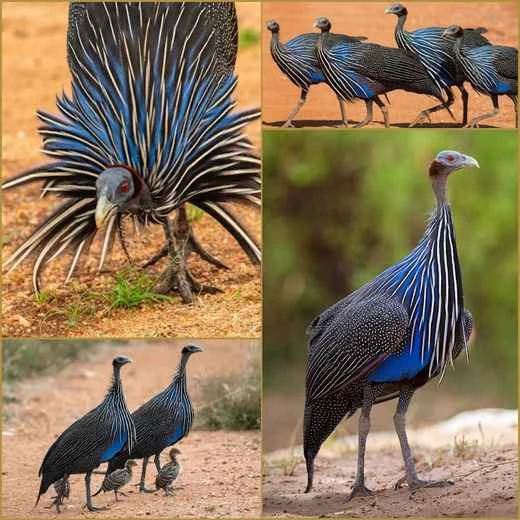
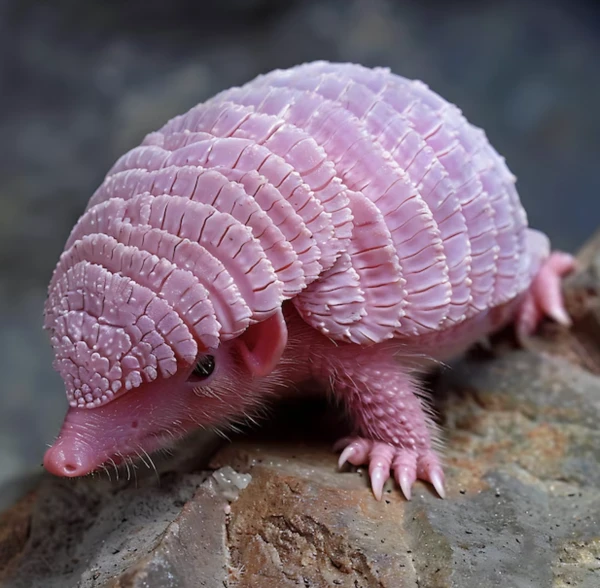
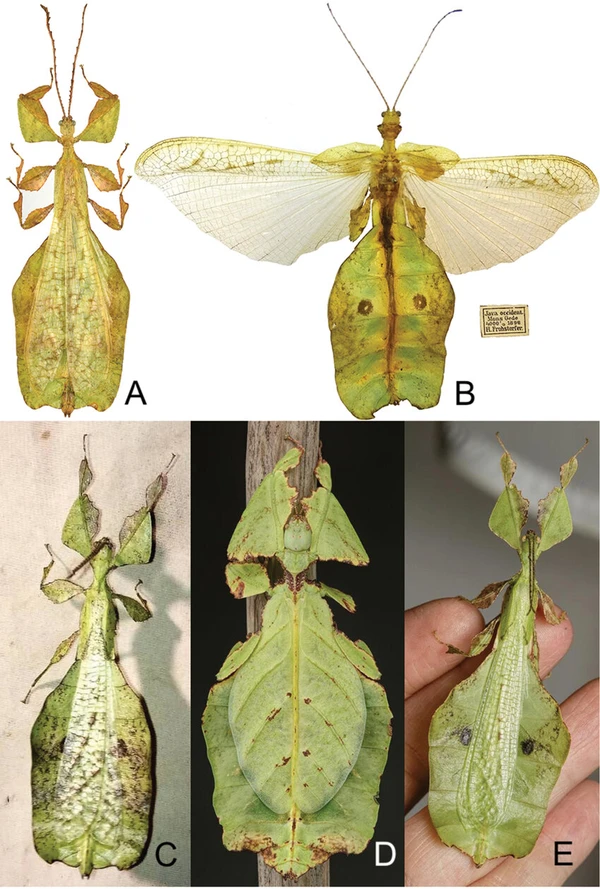
Wildlife conservation is crucial for maintaining the Earth's ecological balance. Protecting and maintaining animal populations in their natural habitats not only contributes to biodiversity conservation but also relates to human well-being. If you love animals, care about the environment, and wish to contribute to the survival of species, this article will provide a detailed introduction to wildlife conservation, its importance, related courses, and future career paths .
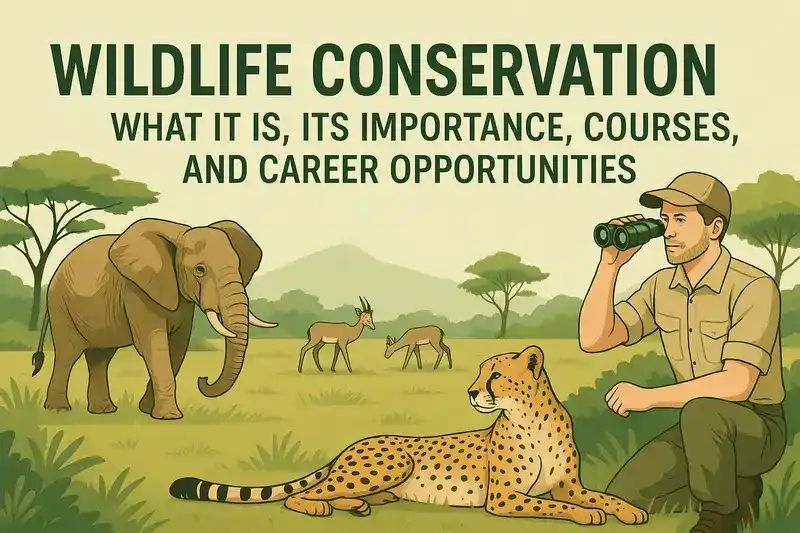
What is wildlife conservation?
Wildlife conservation is a broad concept that refers to a range of strategies and actions aimed at protecting, preserving, and maintaining animal species and their natural habitats . Its objectives include preventing species extinction, promoting reproduction, and achieving sustainable coexistence between humans and animals.
To effectively carry out conservation work, we must rely on people with professional knowledge and awareness to promote scientific research, environmental education, and formulate relevant laws and regulations to regulate human behavior that affects wildlife and their ecosystems.
The Importance of Wildlife Conservation
Wildlife conservation has profound significance for global ecosystems and human society, specifically in the following aspects:
Maintaining biodiversity : Every species plays a crucial role in the ecosystem, and its disappearance can trigger a chain reaction;
Regulating climate and ecosystem functions : Many species directly participate in important ecological processes, such as pollination, seed dispersal, and water cycle;
Economic and cultural value : Many communities rely on ecotourism, cultural heritage preservation, and scientific research to gain economic and intellectual benefits;
Protecting human health : preventing the occurrence of zoonotic diseases (such as emerging viral diseases) and maintaining environmental health.
Wildlife Conservation Course
If you wish to gain a deeper understanding of and become involved in animal conservation, you can participate in wildlife conservation courses offered by institutions like MasterD. These courses cover the following core topics:
Basic knowledge of ecology and biodiversity
Animal protection and management strategies
Major threats to wildlife
Laws, regulations and environmental policies
In addition, the course includes hands-on opportunities at professional organizations such as animal rescue centers and nature conservation projects , helping participants to translate theoretical knowledge into practical action.
Employment opportunities in wildlife conservation
Upon completion of the training, you will be equipped with the skills to work in the following fields:
Environmental education and public awareness campaigns : to raise public awareness and understanding of animal protection;
Environmental organizations and non-governmental organizations (NGOs) : participate in projects such as species conservation and ecological restoration;
Animal rescue centers and zoos : assisting in the rehabilitation and captive breeding programs for wild animals;
Public Administration and Nature Park System : Engaged in the management, policy formulation, and implementation of nature reserves;
Scientific research and ecological surveys : conducting ecological research on endangered species or habitats.
If you love animals and aspire to be a force for environmental sustainability, then dedicating yourself to wildlife conservation would be the ideal choice for you.