The pig-nosed turtle (scientific name: *Carettochelys insculpta *), also known as the flying river turtle, New Guinea turtle, Oceanian pig-nosed turtle, softshell turtle, and two-clawed softshell turtle, is a unique freshwater turtle named for its distinctive "pig-nosed" snout. This remarkable turtle is not only unique in appearance but also has a relatively long lifespan, making it a popular species among turtle enthusiasts and pet breeders. So, how long do pig-nosed turtles live ? What factors influence their lifespan? This article will comprehensively answer these questions and provide practical advice on caring for pig-nosed turtles.
Pig-nosed turtle lifespan: differences between wild and captive species
First, we need to understand the natural lifespan of the pig-nosed turtle. Generally, pig-nosed turtles can live up to 50 years or more in the wild. These turtles live in rivers in Australia and New Guinea, where they spend long periods in clean water, obtaining ample food and a suitable environment, thus extending their lifespan.
Lifespan in the wild : In the wild, the lifespan of pig-nosed turtles is affected by factors such as the natural environment, predators, and food resources. However, due to habitat destruction and environmental pollution, their survival in the wild faces certain threats.
Lifespan in captivity : Under suitable environmental conditions and scientific husbandry management, pig-nosed turtles can live up to 60 years in captivity, slightly longer than their lifespan in the wild. This is mainly due to the control of factors such as water quality, temperature, and feed.
Factors affecting the lifespan of pig-nosed turtles: the key roles of environment and diet.
The lifespan of pig-nosed turtles is not fixed; their quality of life and lifespan are influenced by a variety of factors. The following are the main factors affecting the lifespan of pig-nosed turtles:
Water quality and temperature : Pig-nosed turtles have high requirements for water quality. Living in clean water for a long time is beneficial to extending their lifespan. The suitable water temperature is generally between 24°C and 29°C . Water temperatures that are too high or too low will affect their health and lifespan.
Diet and Nutrition : Pig-nosed turtles are omnivorous with a diverse diet. Their main food sources include aquatic plants, insects, small crustaceans , and fruits . A balanced diet rich in protein, vitamins, and minerals can extend their lifespan.
Habitat : The habitat of the pig-nosed turtle has a crucial impact on its lifespan. Clean, quiet waters and ample habitat help reduce stress and extend its lifespan. Conversely, pollution, shrinking waterways, or environmental degradation can lead to health problems, thus shortening its lifespan.
The Importance of Pig-nosed Turtle Lifespan in Pet Keeping
As a pet, the lifespan of a pig-nosed turtle is a crucial consideration. Pig-nosed turtles can live a very long time, meaning that if you choose to keep this type of turtle, you will be undertaking the responsibility of caring for it for decades.
Long-term care responsibility : Pig-nosed turtles have long lifespans, meaning they require meticulous care over the long term. In captivity, ensuring water quality , feed , and health management are ongoing concerns for breeders.
Living habits of pet pig-nosed turtles : Pig-nosed turtles are aquatic turtles, requiring ample swimming space and suitable water temperatures. Furthermore, their enclosure should mimic their natural environment as closely as possible, including providing aquatic plants and rocks for them to bask in, thus maintaining their physical and mental well-being.
The conservation status of pig-nosed turtles: the relationship between lifespan and species survival.
The pig-nosed turtle is currently listed as a "vulnerable" species, and its lifespan in the wild is threatened by habitat destruction, illegal fishing, and environmental pollution. With the decline in wild pig-nosed turtle numbers, their lifespan and species survival face enormous challenges.
Habitat loss : The gradual reduction of pig-nosed turtle habitats, especially the destruction of freshwater ecosystems in Australia and New Guinea, has led to limited food sources and habitat space, thus affecting their lifespan .
Conservation measures : Many organizations and governments have taken proactive steps to protect pig-nosed turtles, including establishing nature reserves, intensifying efforts to combat illegal trade, and restoring natural habitats. These measures are expected to help pig-nosed turtles extend their lifespan in the wild.
How to extend the lifespan of pig-nosed turtles: care and environmental optimization
If you're planning to keep pig-nosed turtles, understanding how to extend their lifespan is crucial. Here are some care tips to prolong their lifespan:
Regularly clean the water : Maintaining clean water is crucial for pig-nosed turtles. Regularly change the water and clean the filter to ensure stable water quality and prevent water pollution from affecting the turtles' health.
Provide suitable temperature and humidity : Pig-nosed turtles need a warm environment, with the water temperature ideally maintained between 24°C and 29°C . In winter, the water temperature can be regulated using a heater to avoid the negative effects of low temperatures on the turtles.
Proper feeding : Ensure pig-nosed turtles receive a balanced diet, including aquatic plants, small animals, and fruits. Overfeeding or an unbalanced diet can negatively impact their health and shorten their lifespan.
Ample space : Pig-nosed turtles are active swimmers, and ensuring they have enough space to move around is crucial for their health and lifespan.
Lifespan comparison of pig-nosed turtles with other turtle species
Compared to other turtles, the pig-nosed turtle has a longer lifespan. For example:
Tortoises : Tortoises (such as giant tortoises and box tortoises ) usually have a long lifespan, typically between 50 and 100 years.
Red-eared sliders : The common lifespan of red-eared sliders in captivity is generally 20 to 30 years.
In contrast, the pig-nosed turtle, as a freshwater turtle, has a relatively long lifespan, living 50 to 60 years , making it a species worth keeping long-term.
Summary: The Relationship Between Pig-nosed Turtle Lifespan and Species Conservation
The lifespan of the pig-nosed turtle is not only affected by its habitat and daily care, but also closely related to the species' overall survival status. By understanding the pig-nosed turtle's habits and lifespan patterns, we can better care for these rare turtles and contribute to their conservation and longevity.
If you intend to keep pig-nosed turtles as pets, remember to provide a suitable living environment, a balanced diet, and ample space for activity. At the same time, support conservation efforts to help ensure the long-term survival of this species in the wild.
Frequently Asked Questions:
Are pig-nosed turtles rare?
Yes, the pig-nosed turtle (scientific name: *Carettochelys insculpta *) is a rare freshwater turtle. They are mainly found in freshwater rivers in northern Australia and New Guinea . Due to habitat destruction, illegal fishing, and pollution, their numbers are declining, and they are therefore listed as a vulnerable species . Their distribution in the wild is limited, making them relatively rare.
How do pig-nosed turtles breathe?
Pig-nosed turtles are air-breathing animals and need to surface periodically to breathe . Although they live in water, they cannot absorb oxygen through their skin. They breathe oxygen through their lungs and can usually remain submerged for 10 to 20 minutes , sometimes up to 30 minutes depending on the environment and activity, but they will eventually need to surface to breathe.
Diving time : When swimming actively, pig-nosed turtles need to surface to breathe every now and then.
Surfacing : Pig-nosed turtles also bask in the sun on the surface of the water, which not only helps regulate their body temperature but also allows them to breathe more easily.
How much does a pig-nosed turtle cost?
The price of pig-nosed turtles varies depending on their source, size, age, and breeding status. In the pet market, pig-nosed turtles typically range from $500 to $1500 , with some even costing more. It's important to note that because pig-nosed turtles are protected animals, it's crucial to ensure your purchase is legal and from a reputable breeder or vendor. Illegal fishing and trading of pig-nosed turtles is not only illegal but also negatively impacts species conservation and the ecosystem.
Interesting facts about pig-nosed turtles
The pig-nosed turtle is not only a fascinating species, but also has some very interesting characteristics:
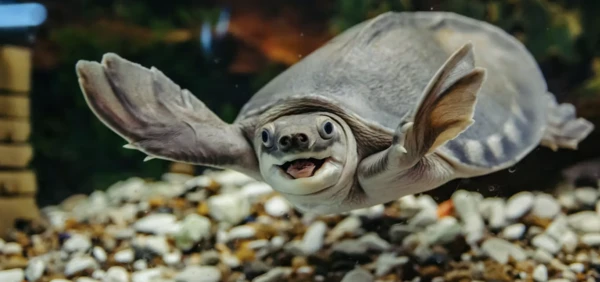
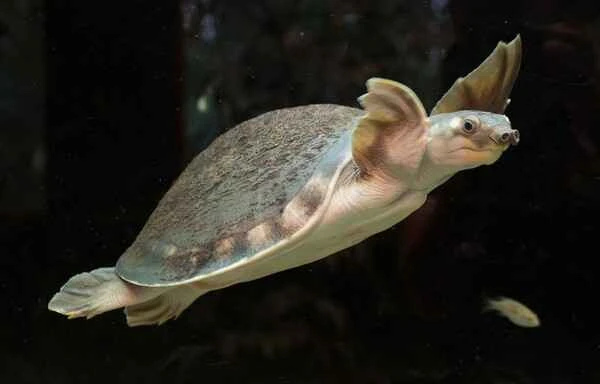
Unique "Pig Nose" : The pig-nosed turtle gets its name from its protruding nose, which resembles a pig's snout. This nose not only makes them stand out but also helps them find food and breathe in the water.
Powerful swimming ability : Pig-nosed turtles are excellent swimmers. They have flipper-like forelimbs that help them move freely in the water and dive. They love swimming and can even dive to considerable depths.
They enjoy sunbathing : Pig-nosed turtles often bask in the sun on the water's surface. This behavior not only helps regulate their body temperature but also provides them with essential vitamin D, which helps them better digest and absorb calcium.
Omnivorous diet : Pig-nosed turtles are omnivorous, eating aquatic plants, insects, small crustaceans , and fruits . Their diet is very diverse, demonstrating their strong adaptability.
Longevity : Pig-nosed turtles can live for 50 years or more , and sometimes even over 60 years in captivity. This makes them a good long-term pet option.
Habitat selection : Pig-nosed turtles primarily inhabit clear, slow-flowing freshwater rivers and lakes . They are highly dependent on water quality, therefore habitat protection is crucial for their survival.
Pig-nosed turtles are a very unique and fascinating species. They are not only very different in appearance from other turtles, but they are also excellent aquatic animals.