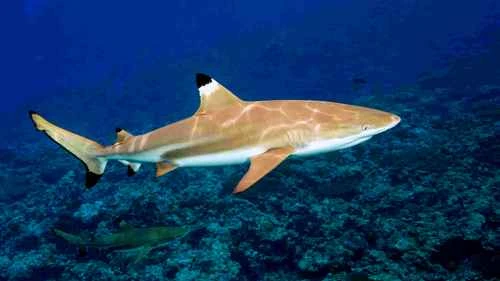
Sharks, these awe-inspiring apex predators of the ocean, are renowned not only for their keen senses and powerful attacks but also for their seemingly ceaseless swimming. Many have heard the saying, "A shark dies once it stops swimming." Is this true? Why can't sharks remain still in the water like other fish? As an expert in animal behavior and physiology, this article will comprehensively analyze why sharks cannot stop swimming from anatomical, physiological, ecological adaptation, and evolutionary perspectives.
I. Respiratory System: How do sharks obtain oxygen?
1.1 Basic Structure of Gills
Like most fish, sharks rely on gills to extract oxygen from the water. As water flows over the gill filaments, the blood absorbs oxygen from the water.
1.2 Two main respiratory mechanisms
Ram Ventilation : This requires continuous swimming to propel water into the gills and is a common method used by high-speed swimming sharks such as mako sharks and grey sharks.
Buccal pumping : This method involves actively pumping water through the gills using the muscles of the mouth and pharynx. This method is used by bottom-dwelling sharks such as nurse sharks and bamboo sharks, allowing them to breathe even when at rest.
1.3 Why can't some sharks stop?
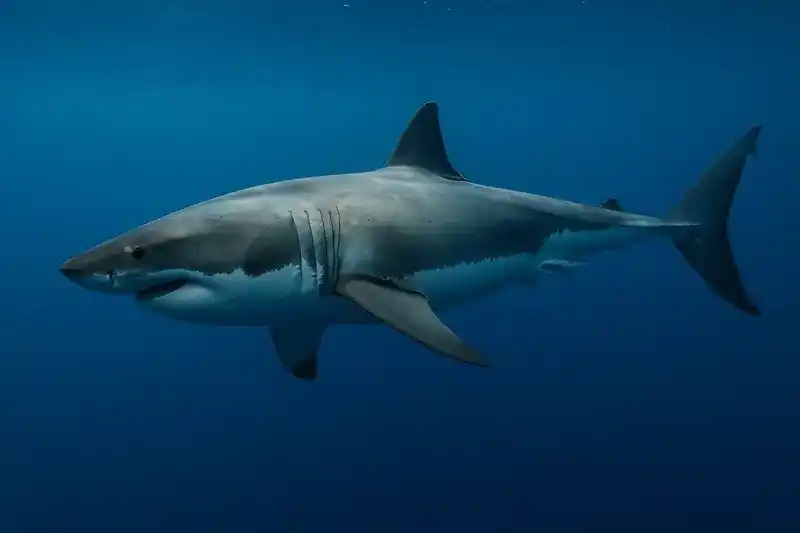
Many pelagic sharks (such as great white sharks and mako sharks) lack or have degenerated their mouth pump system, and can only rely on forced water flow to breathe. Once they stop swimming, the water flow stops, the oxygen supply is interrupted, and they will die from suffocation.
II. Buoyancy Mechanism: How do sharks suspend themselves in water?
2.1 They lack a swim bladder and rely on the buoyancy of their liver for buoyancy.
Most bony fish possess a swim bladder, which allows them to adjust buoyancy and remain still in the water. Sharks, however, are cartilaginous fish and lack a swim bladder; their buoyancy primarily relies on:
A large, fatty liver (accounting for approximately 25% of body weight).
The lift generated during continuous swimming (like the pectoral fin structure of an airplane wing).
2.2 Stopping swimming will cause it to "sink".
If a shark stops swimming, it cannot maintain lift, and its weight causes it to sink naturally, increasing its metabolic burden and even leading to injury.
III. Characteristics of the Nervous and Circulatory Systems
3.1 Brain oxygen supply depends on continuous circulation
Some sharks have brains that are highly dependent on oxygen, requiring a continuous flow of blood to maintain cognitive function and survival.
3.2 Relationship between swimming and circulation efficiency
Exercise can increase a shark's cardiac output and circulatory efficiency, which helps in the delivery of oxygen and nutrients.
IV. Ecological Adaptation and Predation Strategies
4.1 The need for high-speed, long-distance migration
For example, ocean sharks need to travel long distances in the ocean to forage and reproduce, and continuous swimming is one of their survival strategies.
4.2 The visual and electro-sensing systems need to be coordinated with motion.
Sharks' lateral line system and electrosensory organs (Ampulla of Lorenz) allow them to detect prey more accurately while swimming.
4.3 Active hunting and maneuverability
Continuous swimming enhances agility and reaction speed, making it easier to spot and quickly pounce on prey.
V. Not all sharks "can't stop".
5.1 Species of Sharks That Can Remain Still
Bottom-dwelling sharks such as nurse sharks, dogfish, and bamboo sharks can remain still on the seabed or even "lie down" to sleep, as they possess a powerful mouth-pump breathing ability.
5.2 What does it look like when a shark "sleeps"?
Some sharks that cannot stop swimming hibernate by "resting one side of their brain," keeping their bodies moving while their consciousness remains active.
VI. Conclusion: Never stopping is the necessity for survival.
Sharks cannot stop swimming not because they are "impatient," but because it is an adaptation determined by their evolutionary structure, physiological mechanisms, and living environment. They maintain breathing, buoyancy, neural activity, and ecological functions through continuous movement.
Understanding this not only fills us with awe for sharks but also allows humans to draw much "shark wisdom" when designing submersibles and underwater robots. In the deep sea, continuous swimming is not just a posture, but a perseverance for life.