When you think of waterfowl, ducks and geese are two of the most common. Although they both belong to the same family—Anatidae—they differ significantly in behavior, physical characteristics, and even diet. This article will explore these differences in detail, including their domestication practices, global popularity, and the number hunted each year.
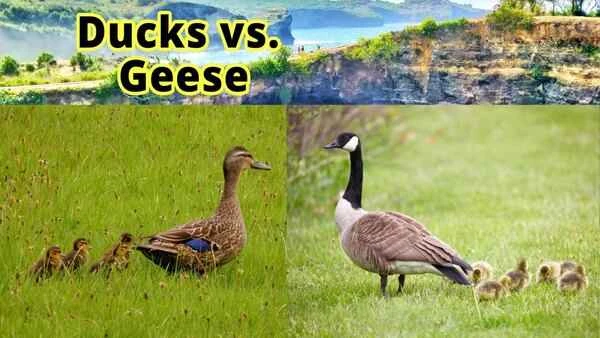
The main differences between ducks and geese
While ducks and geese share many similarities—such as living in similar habitats, having webbed feet for swimming, and often undertaking long migrations—closer observation reveals some significant differences. Below is a detailed comparison of ducks and geese:
| feature | Duck | Goose |
|---|---|---|
| body shape | Smaller, typically 12–30 inches long | Larger, typically 24–45 inches long |
| weight | Typically 1–4 pounds | Heavier, typically 5–14 pounds |
| Neck length | Shorter necks are usually more compact | Long necks, especially in species like the Canada goose. |
| Head shape | The head is relatively round or slightly pointed | The head is larger and more prominent. |
| Habitat | I prefer freshwater lakes, ponds and rivers | Prefers large bodies of water, including lakes and wetlands |
| diet | Omnivorous, usually eating plants and small animals | Primarily herbivorous, they eat grass and other plants. |
| Behavior | They usually act alone or in small groups. | They typically move within larger groups, especially during migration. |
| Migration | Migration distance is relatively short to medium. | Long-distance migrations often involve flying thousands of miles. |
| Cry | Makes a clattering sound | It emits a trumpet-like screech, louder and more resonant. |
| Egg | Typically smaller, with a softer outer shell | Larger, with a harder outer shell |
| life | Lifespan in the wild is 5–10 years. | Lifespan in the wild is 10–25 years. |
Differences in appearance: What are the real differences?
Ducks : Ducks come in a wide variety of colors. For example, the male mallard has a distinctive green head. They typically have short necks, compact bodies, and appear small and light.
Geese : Geese are larger, with long, elegant necks and more prominent bodies. Their plumage is usually darker, and many species, such as the Canada goose, have white markings on their heads or necks.
Global culling figures: How many ducks and geese are killed each year?
Both ducks and geese are heavily hunted for food, sport, and other uses such as feathers and down. Hunting numbers vary from year to year depending on regulations, migration patterns, and other factors. Below is a summary of global annual duck and goose culling:
| Species | Global annual poaching volume (estimated) | Major producing countries | Common uses |
|---|---|---|---|
| Duck | More than 100 million ducks are culled globally every year. | United States, China, France, Argentina | Meat (such as Peking duck), feathers, down |
| Goose | Approximately 30 to 40 million geese are culled globally each year. | Canada, the United States, Russia, and parts of Europe | Meat (often used in foie gras pâté and foie gras), feathers, down |
The global popularity of ducks and geese
Ducks and geese hold unique places in various cultures, each occupying a place in global cuisine, folklore, and even symbolic meaning.
Ducks : Ducks are more common than geese worldwide, especially in China, where Peking duck is a very famous dish. Ducks are also widely used for producing eggs and feathers. In the United States, duck hunting is a very popular recreational activity, particularly in the Southern states.
Goose : Although geese are consumed less frequently than ducks, they are considered a delicacy in many countries. Foie gras (from the liver of fattened geese) is particularly famous in France. Geese also hold symbolic meaning in many cultures, often representing loyalty and endurance.
Hunting Laws and Ethics
In many regions, duck and goose hunting is subject to strict regulations to ensure these species are not overhunted. In the United States, for example, the Migratory Birds Treaty Act regulates migratory birds, including ducks and geese, by specifying hunting seasons and quotas. However, ethical issues concerning animal welfare, such as those related to foie gras production, continue to be debated.
protection efforts
Conservation organizations have been actively protecting waterbird populations. Some duck and goose species are currently protected, especially those that are endangered or threatened by habitat destruction.
Ducks : Some duck species, such as the Northern Browtail , have seen their numbers decline due to habitat loss and climate change. Organizations like **Ducks Unlimited** are actively protecting wetlands and restoring habitats to ensure the sustainability of duck populations.
Geese : Similarly, goose species like the Snow Goose have also been affected by habitat loss and overhunting. However, species like the Canada Goose have made significant progress through conservation efforts and the establishment of hunting regulations.
Duck or goose: Which is more suitable for you?
Ducks and geese each possess unique characteristics that make them fascinating creatures. While ducks are more common in global cuisine, geese are highly prized for their meat, feathers, and symbolism. Their differences in size, behavior, and migration patterns make them each worthy of study.
As for hunting and raising, ducks and geese remain an important part of the global food industry, with millions hunted each year. However, with increasing conservation efforts and discussions about hunting ethics, the future of waterbird populations will largely depend on sustainable practices and responsible consumption.
Whether you are a birdwatcher, a food enthusiast, or someone interested in waterfowl, understanding the differences between ducks and geese will greatly enrich our appreciation of these extraordinary creatures.