Throughout Earth's long history, many species have faced countless extinction events and survival challenges. However, some species have tenaciously survived millions of years of evolution, becoming so-called "living fossils." The existence of these creatures demonstrates the powerful adaptability and evolutionary force of nature. Below are 10 incredible living animals that survived the age of dinosaurs.
1. Crocodilians
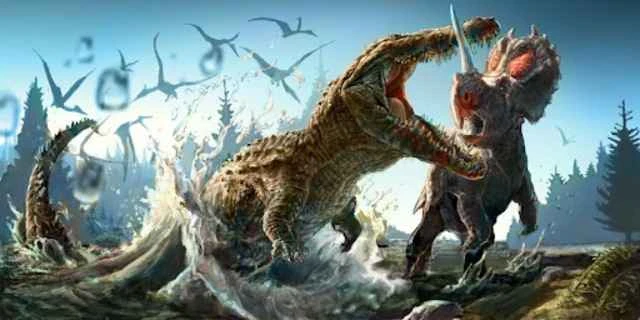
Deinosuchus is one of the closest living species to the dinosaur era. Extant crocodiles, alligators, caimans, and gharials all belong to the Deinosuchidae family, whose ancestors can be traced back to the Late Cretaceous period, approximately 80 million years ago. Although extant crocodiles are very distant from dinosaurs, their size and lifestyle are remarkably similar to prehistoric species.
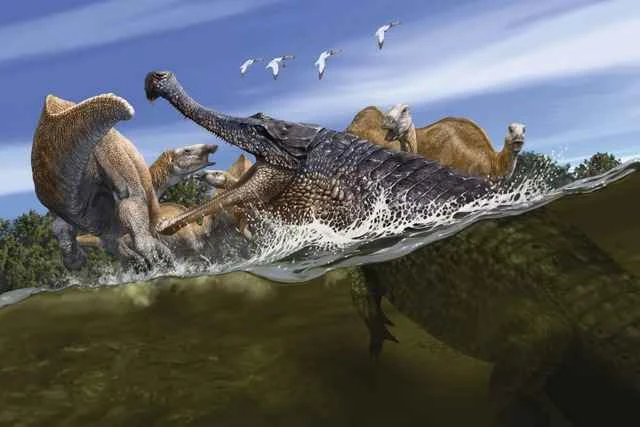
Ancient deinosuchians were diverse, with species like Sarcosuchus reaching up to 12 meters in length and capable of preying on dinosaurs as large as elephants. Modern crocodiles, though smaller, still maintain a similar hunting method, spending long periods near the water's edge waiting for prey.
2. Horseshoe Crabs
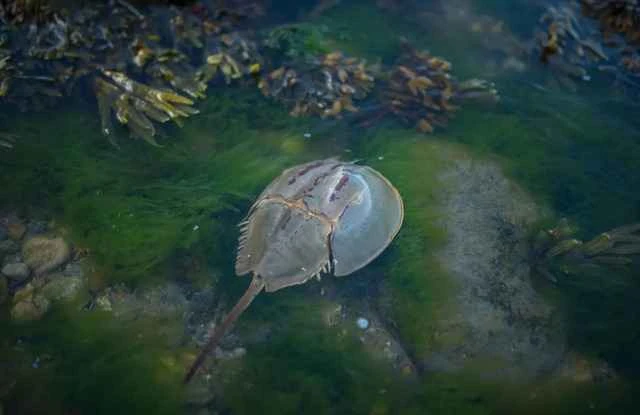
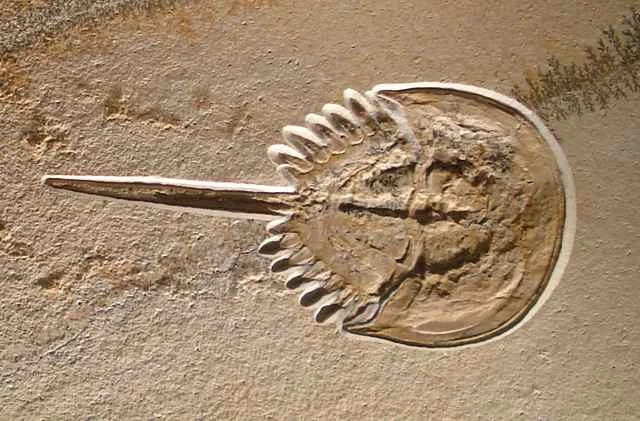
Horseshoe crabs are not crabs; they resemble spiders, ticks, and scorpions more. Their ancestors appeared in the Late Ordovician period, 445 million years ago, while modern horseshoe crabs (Limulidae) originated in the Triassic period, approximately 250 million years ago. Despite experiencing several mass extinctions, horseshoe crabs have maintained their ancient form and survived thanks to their stable biological characteristics.
They are highly adaptable and can survive in low-oxygen environments, which has enabled them to successfully escape most extinction events.
3. Cedar Wood Wasps
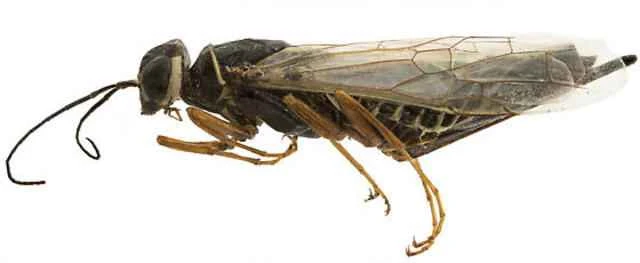
The cedarwood bee is a tiny insect measuring only 1 centimeter in length, belonging to the family Symphonyta. Its ancestors can be traced back to the Middle Jurassic period, approximately 165 million years ago. Although modern cedarwood bee species are rare, confined to California in the United States and British Columbia in Canada, their lifestyle and ecological adaptations have remained largely unchanged.
These carpenter bees inhabit charred cedar wood and lay their eggs there. Their larvae bore into the wood and can survive for several years; this life cycle is closely linked to wildfires.
4. Tuatara (Sphenodon punctatus)
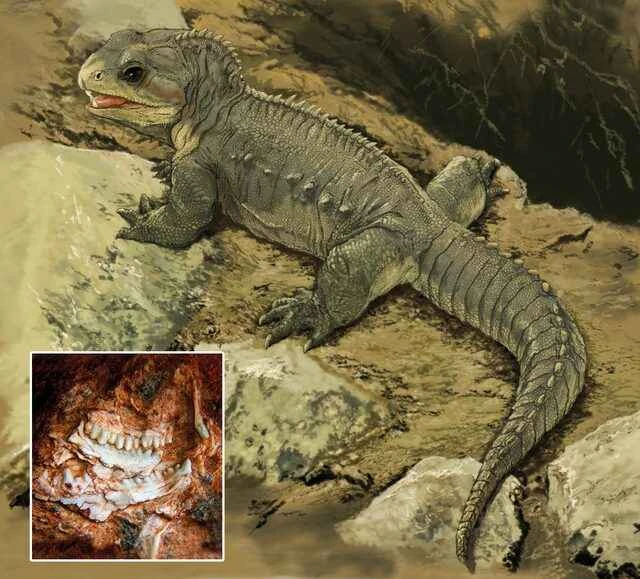
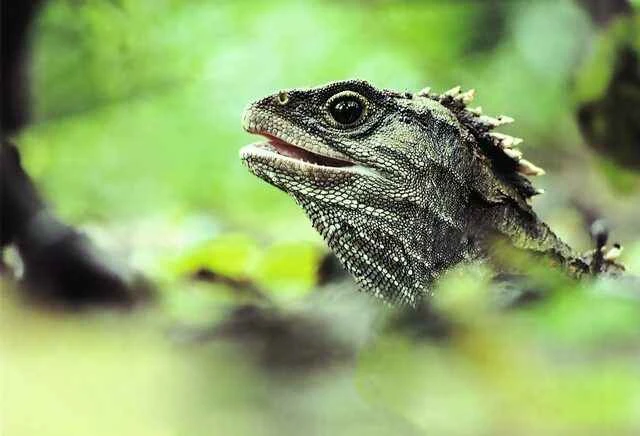
Tuatala, also known as the big-headed lizard, is a unique reptile found on the island of New Zealand. They are the only extant species of the **Sphenodontidae**, whose ancestors appeared approximately 250 million years ago at the end of the Permian period. While tuatalas resemble lizards in appearance, they are not related to lizards and belong to an ancient group of reptiles.
Big-headed lizards have a "third eye," a small eye on the top of their heads, which helps them regulate their diurnal rhythms. They are highly adaptable, able to survive in environments without external predators and relying on bird nests as habitats.
5. Platypus
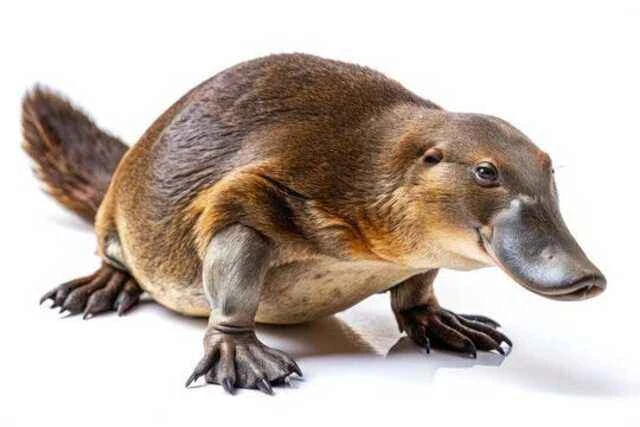
The platypus is a semi-aquatic, egg-laying mammal endemic to Australia. Darwin mentioned this peculiar creature in his book *On the Origin of Species*, calling it a "living fossil." The platypus has a duck-like bill, a kangaroo-like body, and males possess venomous spines that secrete venom.
As a member of the order Monotremes, the platypus, along with its closest relatives, the echidnas, are among the oldest mammals. Their ancestors appeared approximately 170 million years ago in the Middle Jurassic period and have remained virtually unchanged to this day.
6. Lungfish
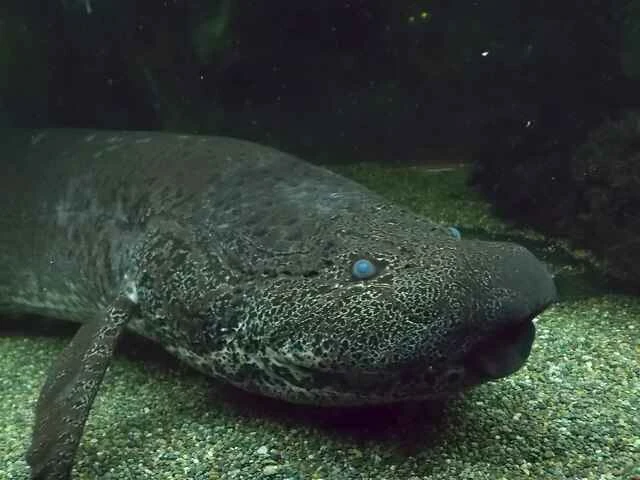
Lungfish are an ancient species that has existed for 410 million years. Although their body shape appears primitive, they have undergone several adaptive changes during evolution. Lungfish belong to the class of lobed-finned fish. Their pectoral and anal fins resemble limbs, and they possess lungs for breathing air, enabling them to survive during droughts.
Extant lungfish are mainly distributed in Africa, South America and Australia. They can survive long periods of drought and are able to effectively breathe air.
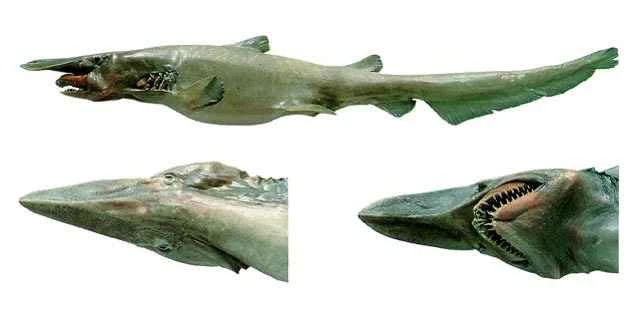
7. Goblin Shark (Mitsukurina owstoni)
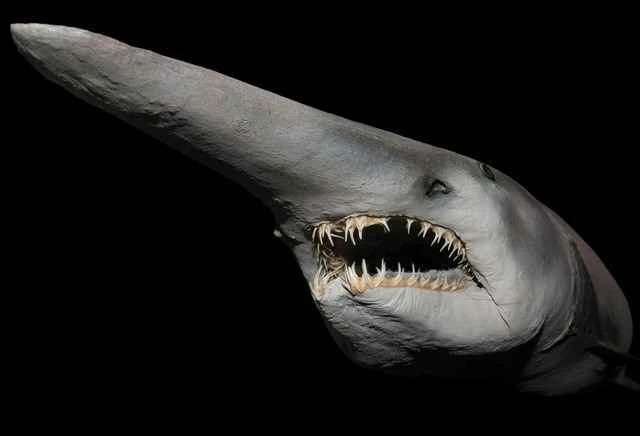
Goblin sharks are among the "living fossils," typically inhabiting the deep sea. Their bizarre appearance, with long snouts and protruding jaws, makes them resemble monsters from science fiction movies. The ancestors of goblin sharks can be traced back to the Early Cretaceous period, approximately 100 million years ago, and their body structure has remained remarkably unchanged since then.
Although goblin sharks live in deep-sea areas far from humans, they still maintain primitive hunting methods, using their long noses and flexible jaws to catch prey.
8. Trilobites
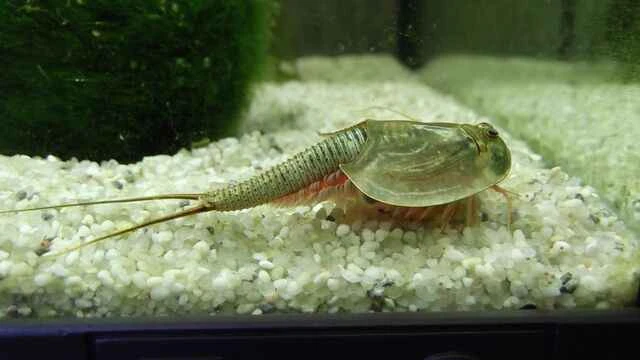
Trilobites, also known as "living fossil shrimp," are an ancient aquatic animal with a history of over 250 million years. They closely resemble ancient trilobites in appearance, are relatively small, live in shallow waters, and can tolerate extreme environmental changes.
These organisms can survive in arid environments and recover in a very short time, demonstrating strong adaptability.
9. Gray whale (Eschrichtius robustus)
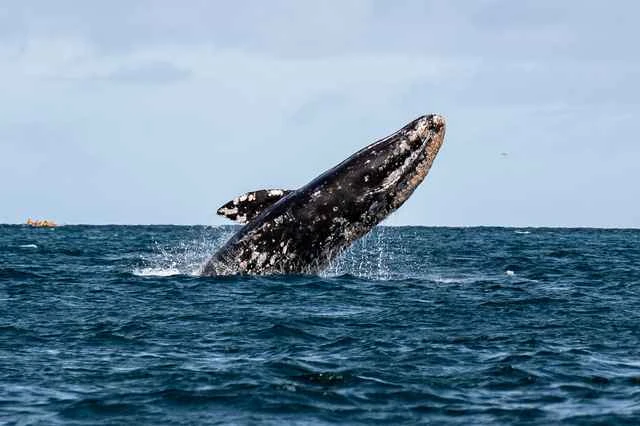
Gray whales are currently the only whale species on Earth to have undertaken long-distance migrations, with an evolutionary history dating back 45 million years. Their migration routes are similar to those of their early whale ancestors, demonstrating how they adapted to survive in their environment. To this day, gray whales maintain this innate migratory pattern, making them an important species for understanding whale evolution.
10. Kentish Jellyfish (Turritopsis dohrnii)
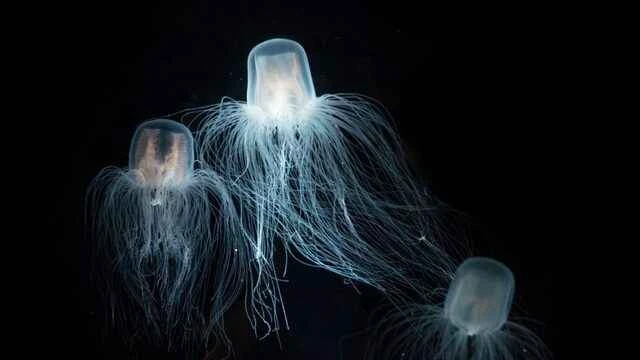
Kemp's jellyfish is a species known as the "immortal jellyfish" because it can reverse its life cycle and return to its juvenile stage, completing a process called "rejuvenation." Although this jellyfish is not a typical "survivor of the dinosaur era," its biological characteristics make it an important subject for studying biological aging and regeneration.
11. Coelacanth
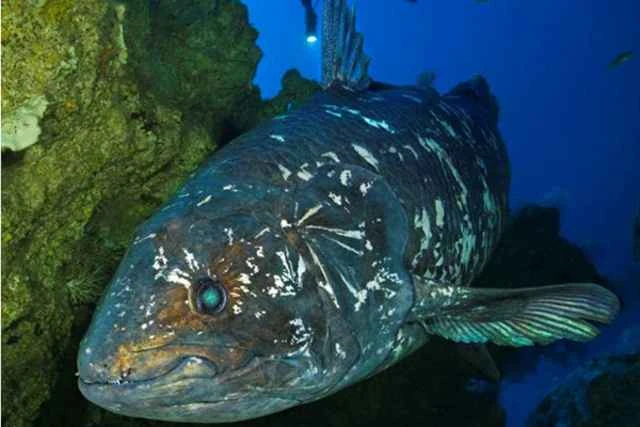
Coelacanths were once thought to be extinct deep-sea fish, until a live specimen was discovered in South Africa in 1938. Their history dates back to the Devonian period, approximately 409 million years ago, making them one of the oldest vertebrates on Earth. They possessed unique fins, a morphology very similar to ancient fish, and were relatives of terrestrial vertebrates.
The rediscovery of the coelacanth not only shattered conventional wisdom about species extinction, but also provided us with valuable clues about the early evolution of vertebrates.
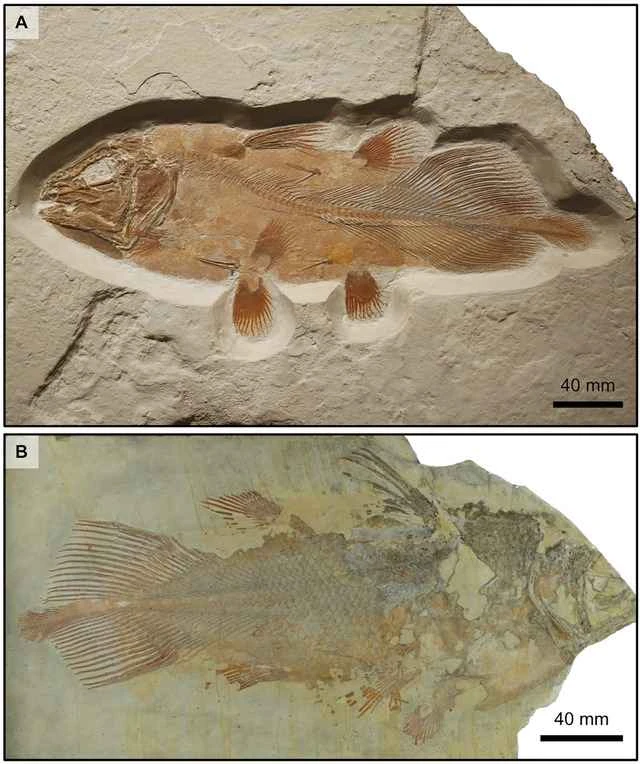
This article details 10 "living fossils" that have survived from the age of dinosaurs to the present day. They play an indispensable role in evolutionary history and provide valuable natural observation data for modern scientific research.
These "living fossils" are not only precious witnesses to the history of biological evolution, but also a testament to the astonishing vitality of nature. Through unique survival strategies evolved during the age of dinosaurs, they successfully adapted to environmental changes and became some of the oldest living organisms on Earth. If these animals continue to survive, they will continue to tell us the story of Earth's evolution.