Cod belongs to the genus *Gadus* of the family Gadiidae in the order Gadiformes. It is a marine fish widely distributed in the cold waters of the Pacific, Atlantic, and Arctic Oceans. They typically inhabit the seabed and are cold-water, aggregation-type fish. Cod has delicate, tender flesh with few but thick bones, making it suitable for people of all ages and a popular culinary choice. Strictly speaking, the genus *Gadus* mainly refers to four types of fish: Atlantic cod, Pacific cod, Greenland cod, and Alaskan cod, collectively known as "cod."
So, what kinds of cod are there? Common types of cod include Atlantic cod, Pacific cod, Greenland cod, Alaska pollock, haddock, Arctic cod, tooth cod, blue cod, sedge, and hake. Below, we've compiled a list of ten well-known cod varieties to help you understand the common cod types available on the market and related information.
1. Atlantic cod ( from both the east and west coasts of the North Atlantic, reaching up to 2 meters in length )
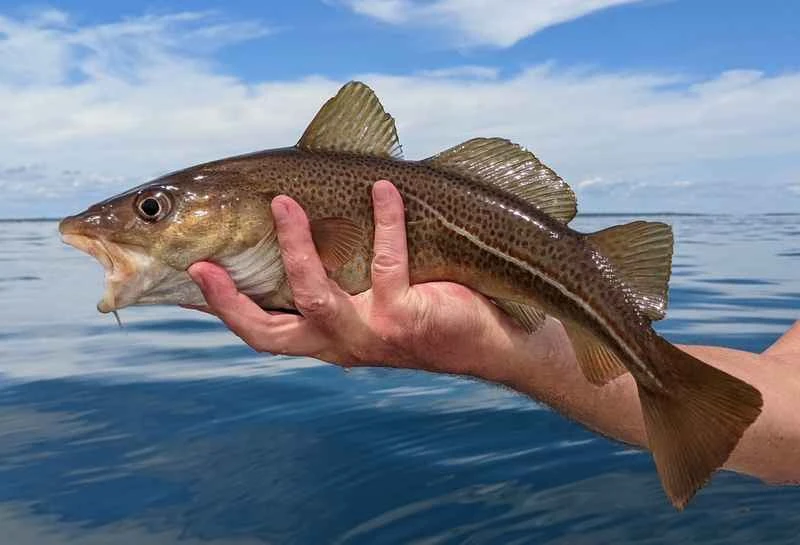
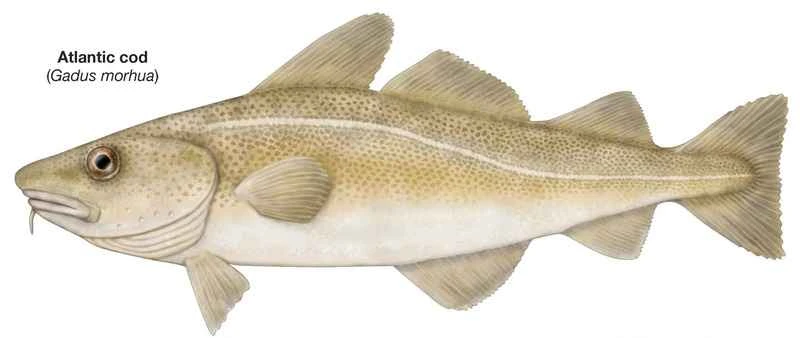
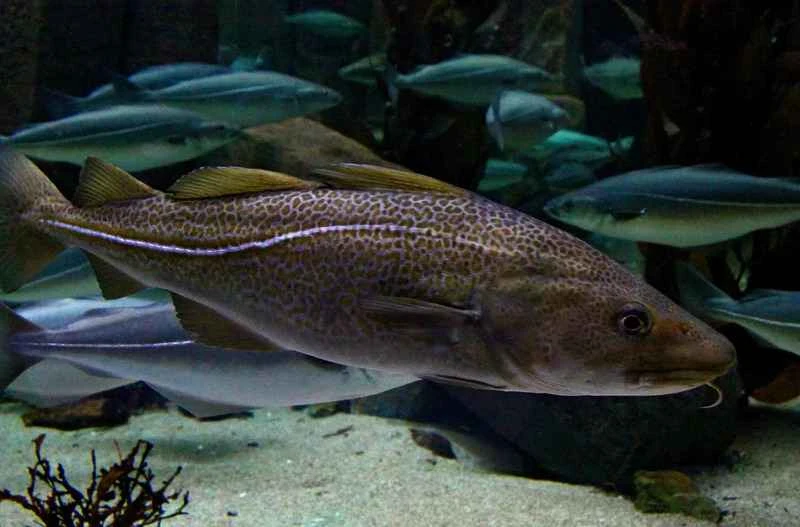
Atlantic cod (scientific name: Gadus morhua), also known as Atlantic cod or Atlantic sardine, is the most heavily fished cod species in the world and is often used to make the classic British dish, fish and chips. It has a large head, a layer of mucus on its body, and can reach a maximum length of 2 meters and a weight of about 96 kilograms. It has a prominent lateral stripe and its body color varies, usually with dark spots.
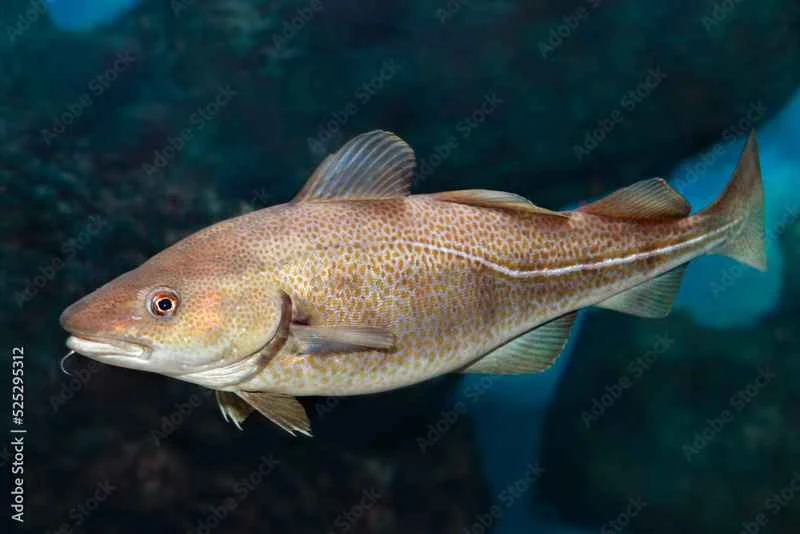
Atlantic cod are mainly distributed in the northeastern and northwestern Atlantic Oceans, and can also be found in the Arctic Ocean, Indian Ocean, and Antarctic waters. Its flesh is white and smooth like solidified fat, with clear marbling. After cooking, it resembles garlic cloves, has a soft and delicate texture, a natural fresh flavor, very little fishy taste, and a hint of creaminess, making it an unforgettable experience.
2. Pacific cod ( North Pacific Ocean, up to 1m in length )
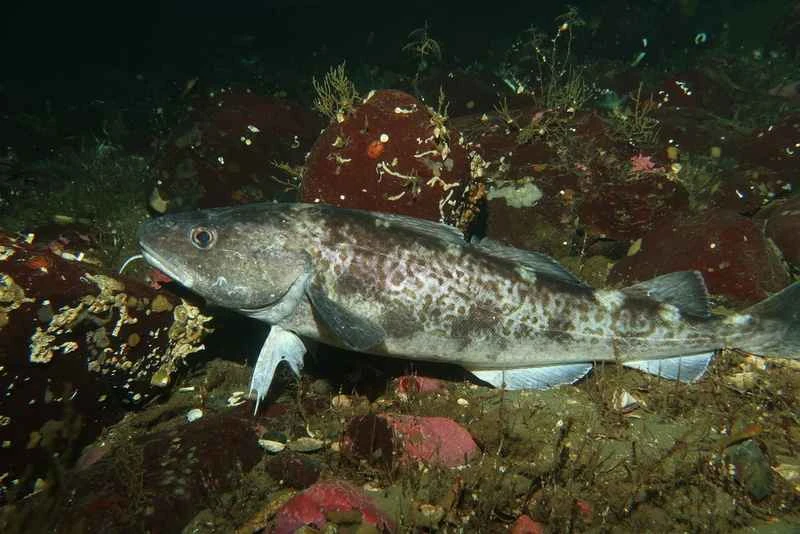
Pacific cod (scientific name: Gadus macrocephalus), also known as bighead cod, is one of the top ten well-known cod species. It is mainly distributed in the North Pacific Ocean. In my country, its catch includes the Yellow Sea and the northern East China Sea, with major fishing grounds located in the northern Yellow Sea, southeast of Gaojiao (Shandong), south of Haiyang Island, and the southeastern waters. The Pacific cod fishing season has two periods: winter and summer. The winter season generally lasts from December to February of the following year, while the summer season lasts from April to July, with the highest yields in winter.
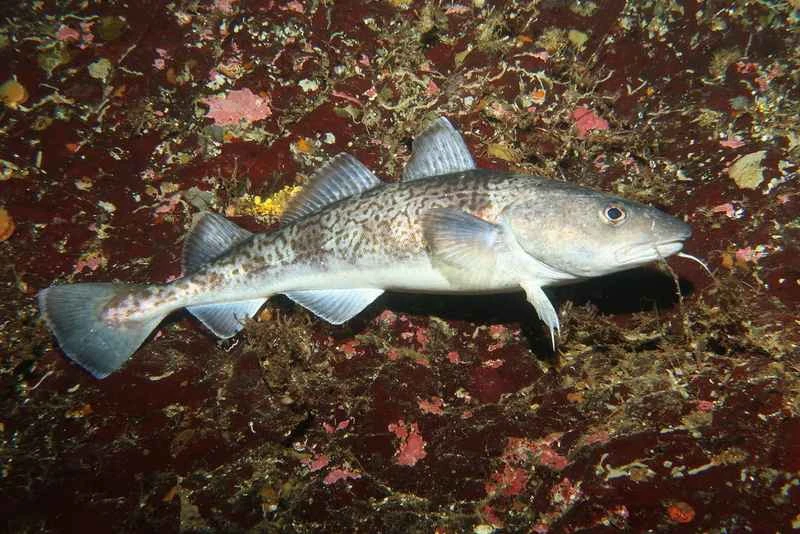
Pacific cod can grow to about 1 meter in length. Its flesh is delicate, white, and tender, with a refreshing and non-greasy taste. Besides being eaten fresh, it is often processed into various seafood products. Furthermore, the liver of Pacific cod is large and rich in oil, containing abundant vitamins A and D, making it an important raw material for extracting cod liver oil.
3. Greenland cod ( Greenland, maximum length 70cm )
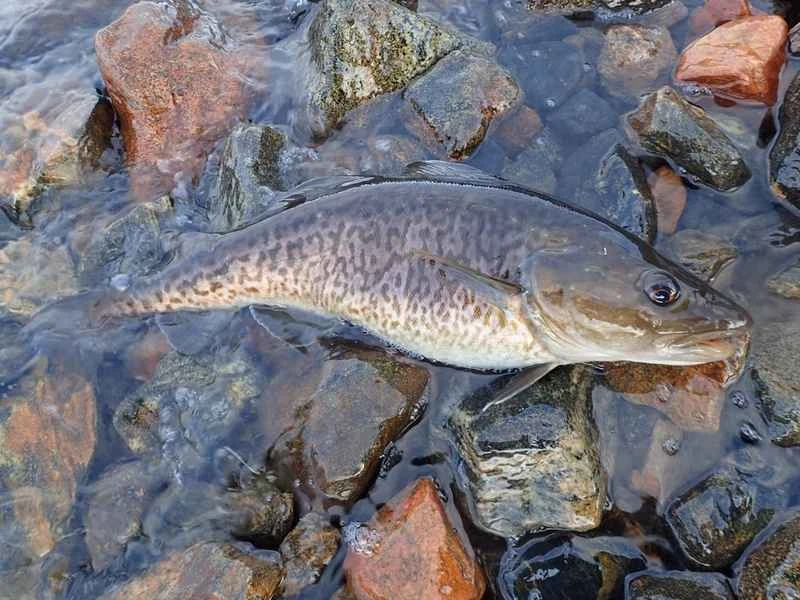
Greenland cod (scientific name: *Gadus ogac*) is a true cod species, named for its habitat in the waters surrounding the coastline of Greenland, and also found in the White Sea region of Russia. It resembles a small Pacific cod in appearance, but is smaller, with a maximum length of about 70 cm. Due to its extremely limited production and the fact that fishermen rarely fish specifically for Greenland cod, it is very rare in the market and has almost no commercial value.
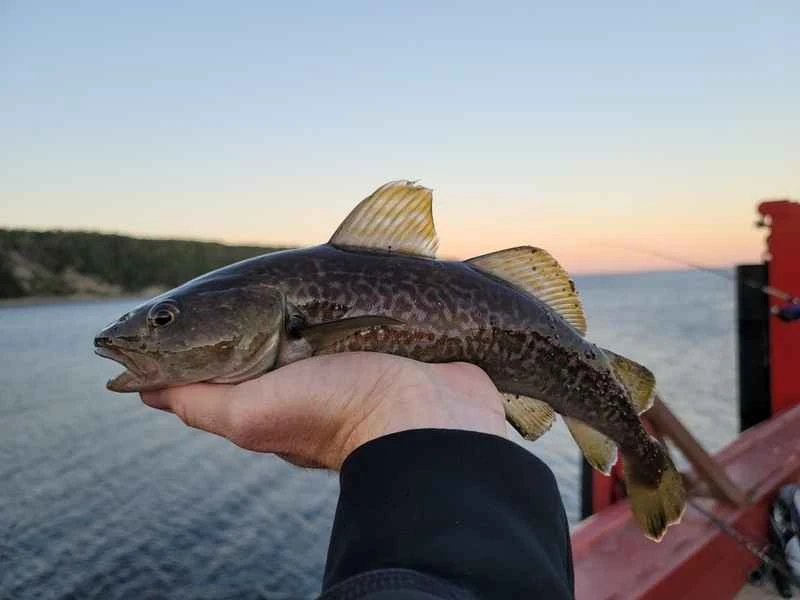
However, in recent years, Greenland cod has gradually gained more attention and become one of the high-end cod varieties. Its unique charm lies in the fact that it grows in the deep, cold waters surrounding Greenland, resulting in flesh that is more tender than most cod, with a delicious flavor and rich nutrition.
4. Yellow-striped pollock ( Northern Pacific, high commercial value/suitable for processing )
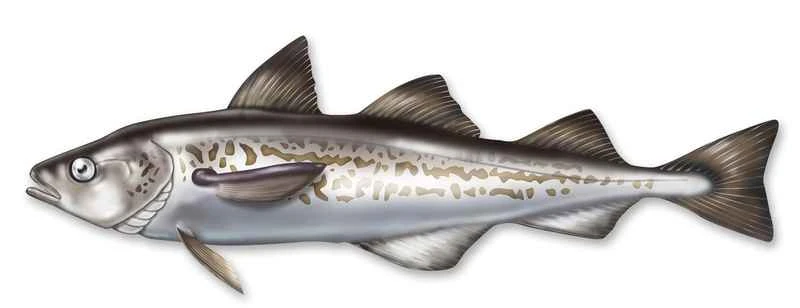
Alaskan pollock (scientific name: *Gadus chalcogrammus*), also known as pollock or Alaskan cod, is one of the most common cod species in the market. It has an elongated body, slightly flattened laterally, and can grow up to 90 cm in length. The pollock's back is olive-colored, its belly silver, its dorsal and pectoral fins dark olive, and its anal and pelvic fins gray. It is widely distributed in the North Pacific region, from the southern tip of Japan to the Chukchi Sea north of the Bering Strait and the Canadian coast.
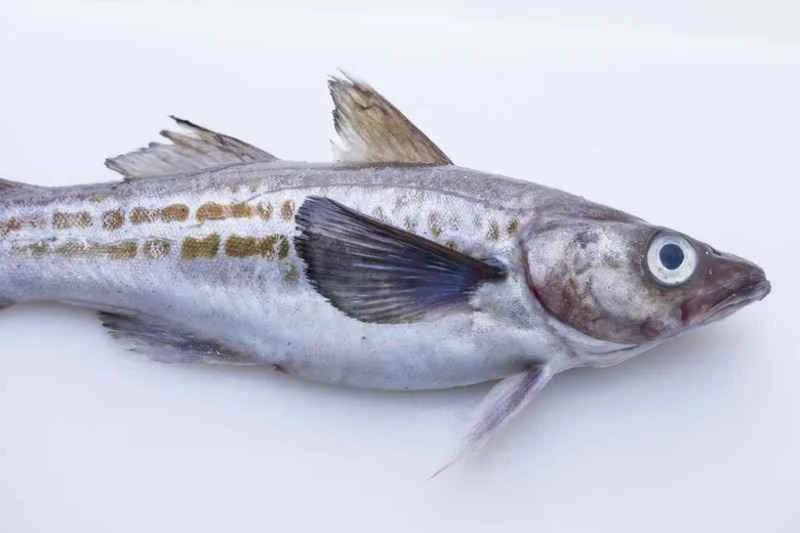
Pollock has high economic value. Its surimi is white and delicate, rich in protein, and extremely nutritious, with excellent elasticity. Pollock can be used to make a variety of seafood products such as fish sausage, fish rolls, fish cakes, fish balls, and crab sticks, making it a representative of "blue foods."
5. Haddock ( Canada/USA, with fingerprint-shaped dark spots on the pectoral fins )
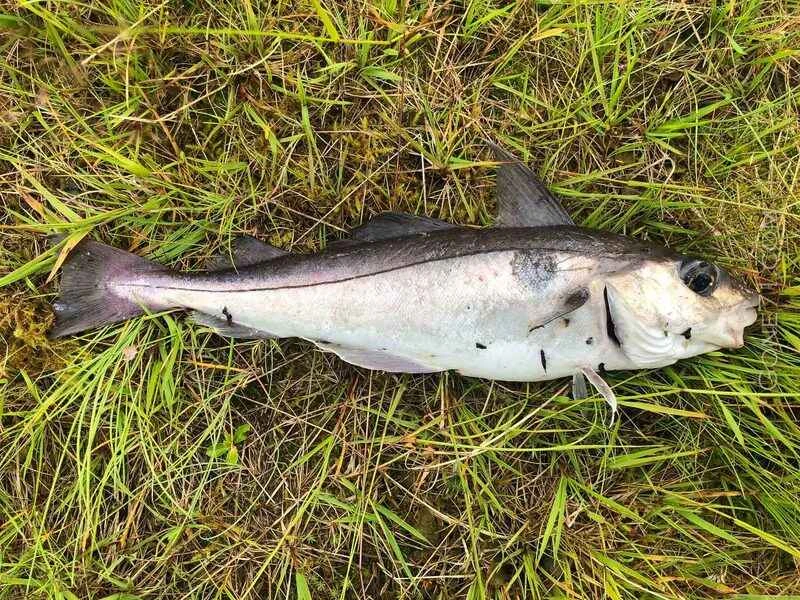
Haddock (scientific name: *Melanogrammus aeglefinus*) is an important commercially important fish species in the North Atlantic and has long been a primary target of commercial fishing. Its back is dark purplish-grey, its belly grayish-white, and its lateral line black. Distinctive fingerprint-like dark spots, often referred to as "devil's fingerprints" or "devil's marks," are commonly found above the pectoral fins and below the lateral line. Haddock typically reaches a length of about 35 cm, making it a relatively small cod species.
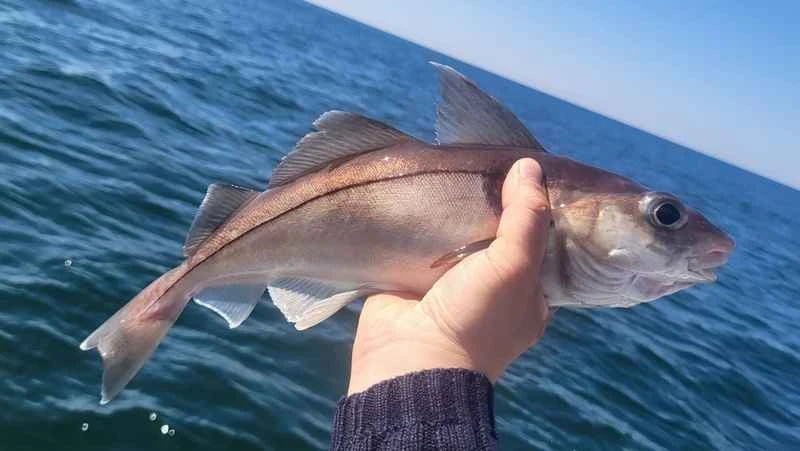
Haddock has a delicious flavor and can be eaten fresh, or smoked, cured, or canned. Furthermore, it is very high in protein, extremely low in fat, contains no carbohydrates, and is relatively low in calories, making it a very healthy edible fish that is popular with consumers in North America and Europe.
6. Arctic cod ( disappears in the Arctic region above 5°C )
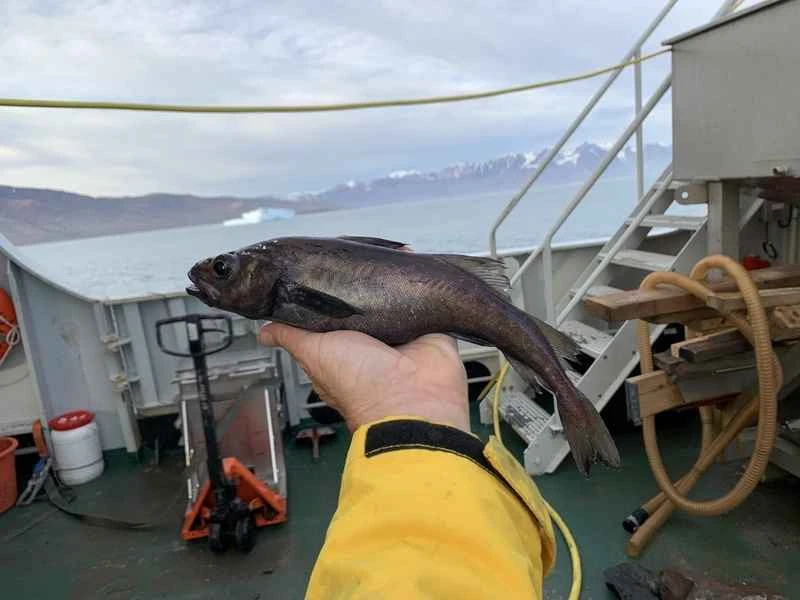
Arctic cod (scientific name: *Arctogadus glacialis*) is a unique cod species and one of the important economic fish species in the Arctic region. It is mainly distributed in the Arctic Circle, the northeastern Atlantic Ocean, and the waters northeast of Greenland. As a typical cold-water fish, Arctic cod is extremely sensitive to water temperature; once the water temperature exceeds 5°C, it becomes difficult to find.
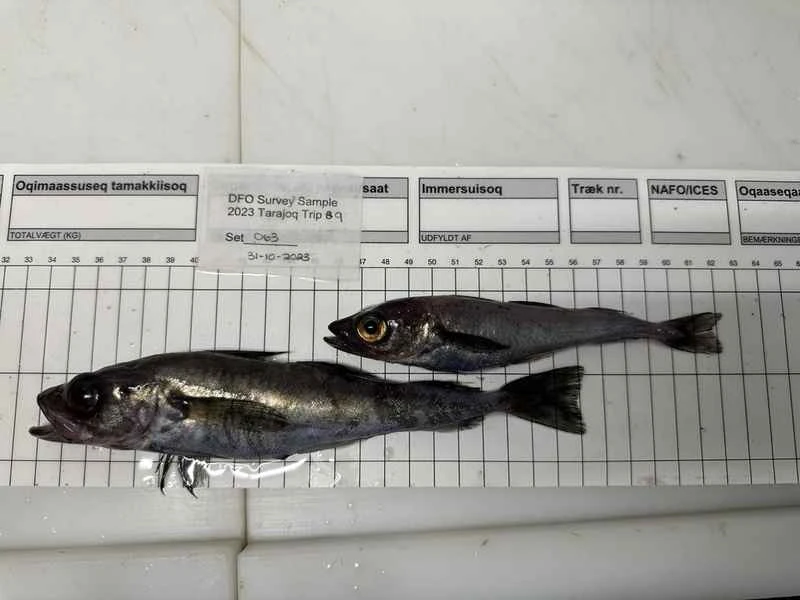
Arctic cod are relatively small, with a maximum length of 36 cm. They have a dark body color, with a blackish-brown back and a slightly lighter belly, and all their fins are black. Living in cold, pristine waters, Arctic cod have delicious and delicate meat. Their diet consists of natural marine life, which gives their meat a slightly sweet taste, hence the nickname "white gold."
7. Toothed Cod ( European waters, silvery-white/with black spots on pectoral fins )
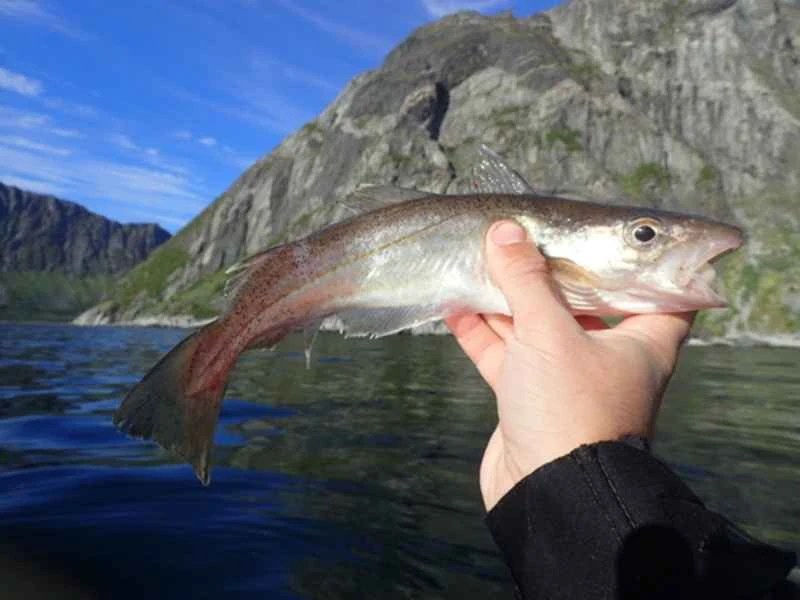
The toothed cod (scientific name: *Merlangius merlangus*) is renowned for its delicious taste and high nutritional value, earning it the title of "nutritionist" on the Nordic table. This fish grows to approximately 70 centimeters in length and possesses distinctive features, including three dorsal fins, two anal fins, and small or absent barbels. Its body is silvery-white, with a prominent black spot near the base of its pectoral fins.
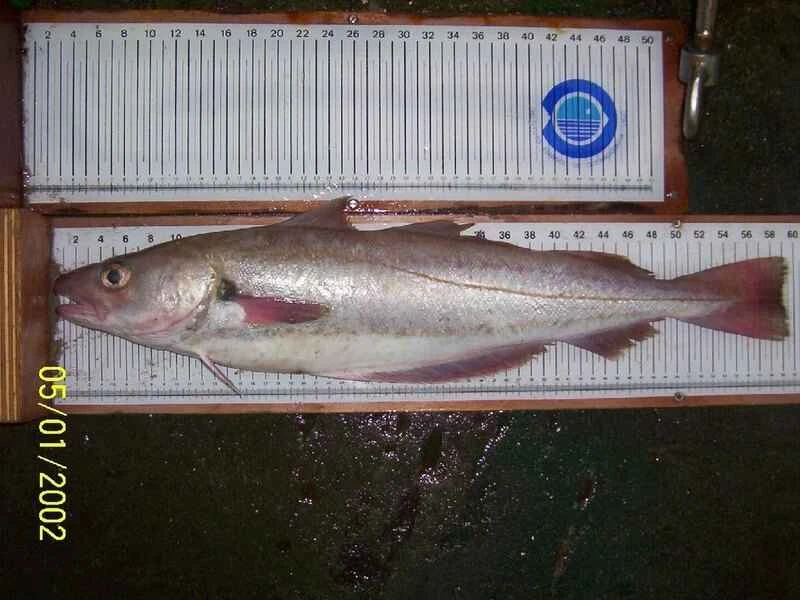
Cod are mainly distributed in European waters, especially the North Sea. Cod meat is sweet and nutritious, and its liver is high in fat. Besides being rich in DHA and DPA found in regular fish oil, it also contains vitamins A, D, and E, among other essential nutrients. The nutritional composition of its liver oil perfectly matches the daily requirements of the human body.
8. Blue cod ( New Zealand, a key ingredient in fast food hamburgers )
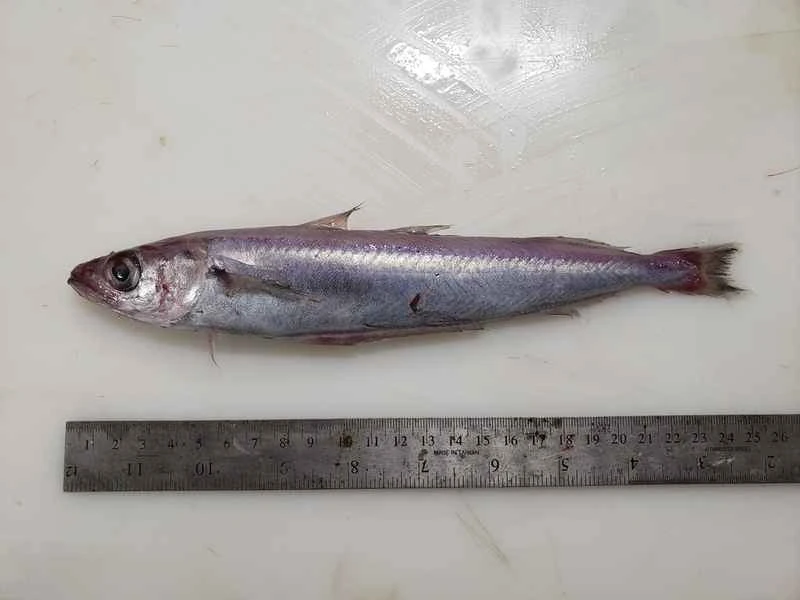
Blue cod (scientific name: *Micromesistius poutassou*), also known as long-tailed blue cod, is a type of fish that inhabits the cold waters off the coast of New Zealand. It has a somewhat rough appearance and its eyes appear rather intimidating. Although blue cod is less expensive than pollock, its flesh is similar in texture and it is often used as a substitute. Blue cod has delicate flesh, a delicious flavor, and is rich in protein and unsaturated fatty acids.
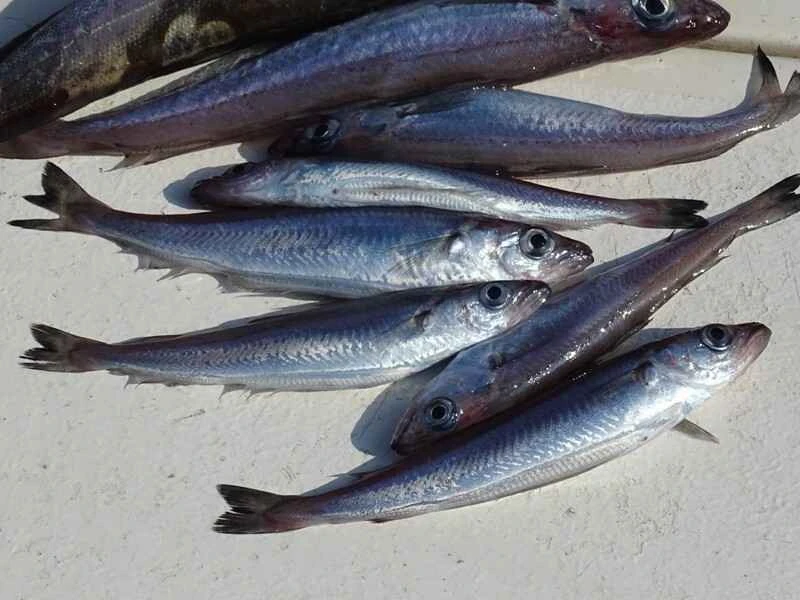
Many fast-food chains use cod as the main ingredient in their fish burgers, making it a globally recognized delicacy. However, due to overfishing, the blue cod population has declined sharply. To prevent this fish from facing extinction, New Zealand has implemented strict catch quotas, mandating a reduction in blue cod catches.
9. Blue cod ( southeast Bering Sea, body length/dark green )
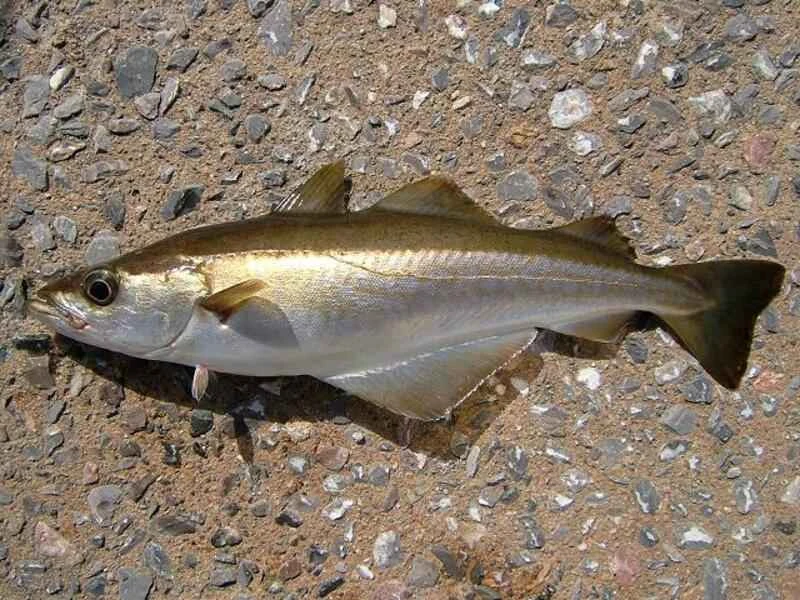
Blue cod (scientific name: *Pollachius pollachius*) is a common cod species, named for its dark green body color. Blue cod can reach about 1.1 meters in length and weigh up to 32 kilograms. They are entirely dark green, possess short barbels, have three dorsal fins and two anal fins, while their sides and belly are pale green. Blue cod are gregarious and typically spawn collectively in the southeastern Bering Sea during early spring or late winter.
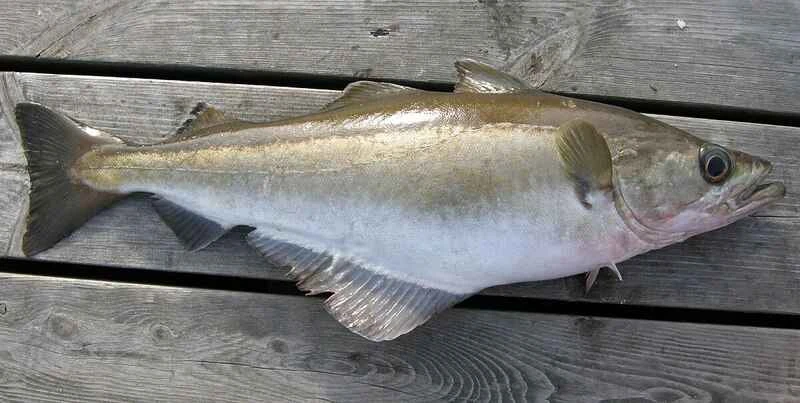
This type of cod is both an edible fish and often used for recreational fishing. Cod can be prepared in many ways, and is especially delicious when dipped in sauce. It can also be processed into canned fish, dried cod, or smoked fish. Furthermore, cod roe can be eaten fresh, or smoked or cured, and the cod's tongue and liver are also edible and delicious parts.
10. Wasid ( Pacific Wasid/Argentine Wasid/South African Wasid )
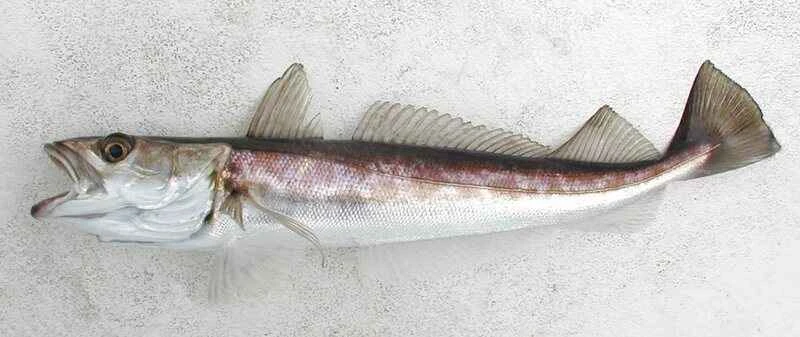
The hake gets its name from its lack of barbels and its unique skull and rib structure makes it a distinctive type of cod. There are about a dozen species of hake worldwide, with the Pacific hake, Argentine hake, and South African hake being the three most numerous.
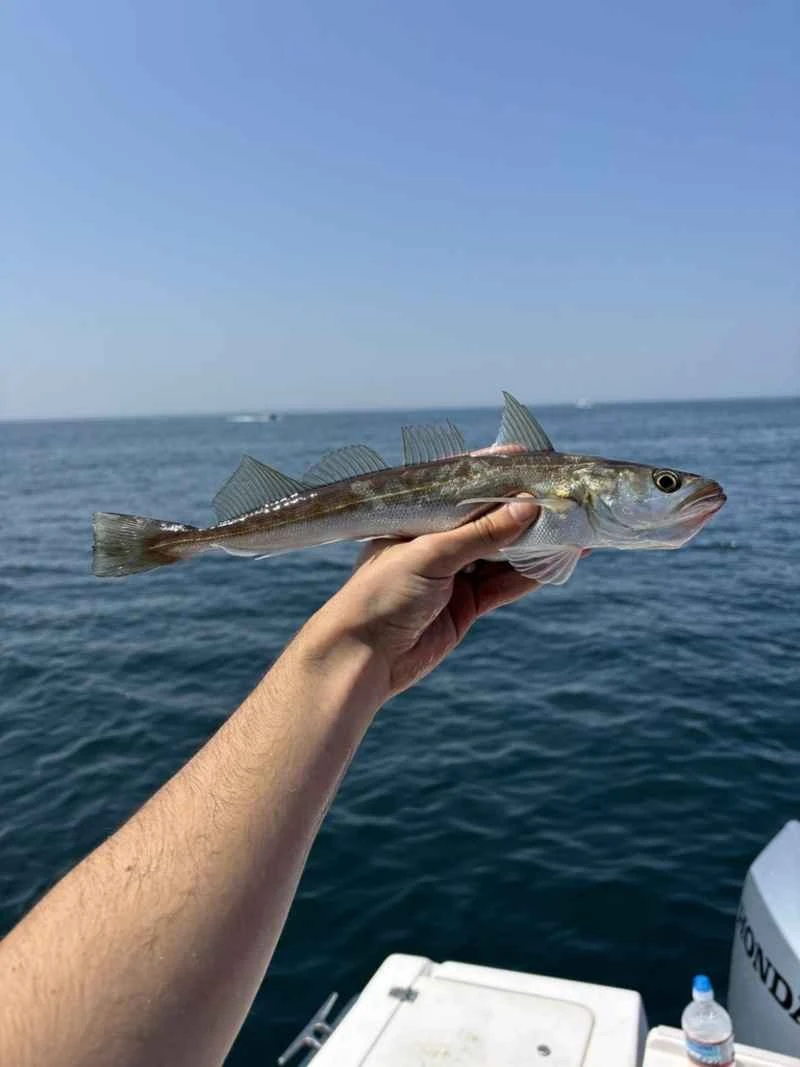
These hake are relatively small, averaging between 500 and 1000 grams, with a dark silver-grey body and a white belly, and a slightly elongated body. They have a two-part dorsal fin, a large mouth, and sharp teeth. The flesh of hake is white and has a higher oil content than other cod species such as pollock and cod, resulting in a richer flavor and making them easy to cook, suitable for various methods including pan-frying and grilling.
The list of the top ten cod varieties is based on the characteristics and quality of common cod, taking into account public awareness and other relevant information, and combining other relevant rankings/lists on the Internet for comprehensive recommendation. It is for reference only. If you have any questions, please feel free to comment/discuss at the end.