The grey squirrel, scientifically known as *Sciurus carolinensis* , is common in eastern North America and has adapted to a variety of environments, including urban areas. Its adaptability has allowed it to thrive not only in North America but also in regions such as the UK, Italy, and South Africa.
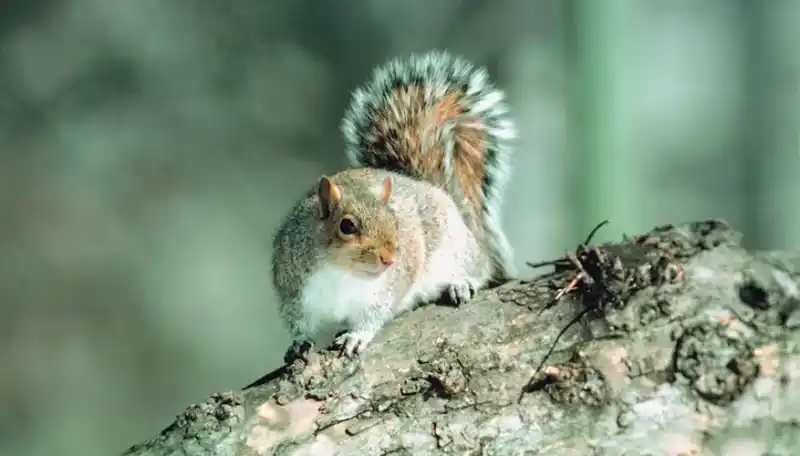
Lifespan and Survival Factors
| Location | Average lifespan | Remark |
|---|---|---|
| field | 11-12 months | Some can live for 10 years |
| captive breeding | For 20 years | A female squirrel from the University of Michigan was documented. |
Despite their remarkable adaptability, gray squirrels have a wide range of life expectancies due to environmental stresses and threats.
The impact of environment on lifespan
Gray squirrels face many challenges that could affect their lifespan:
Food sources : Their diet includes beech nuts, acorns, insects, grapes, bird eggs, and occasionally other squirrels.
Predators : Major threats include coyotes, red foxes, weasels, gray wolves, eagles, and lynxes.
Climate : Harsh winters can be particularly challenging without sufficient food and shelter.
Health : Parasitic infections can cause hair loss and increase the risk of death during colder months.
Protection status
Despite facing pressure, the grey squirrel is listed as "Least Concern" on the IUCN Red List due to its large and increasing population. This status reflects its successful adaptation to both wild and urban habitats.
Conclusion: The resilient gray squirrel
Grey squirrels exhibit remarkable adaptability, thriving in a wide variety of often harsh environments. Understanding their lifespan in the wild and in captivity highlights the impact of environmental factors on their survival. Conservation efforts continue to monitor these highly adaptable creatures to ensure they remain key members of woodland and urban ecosystems.