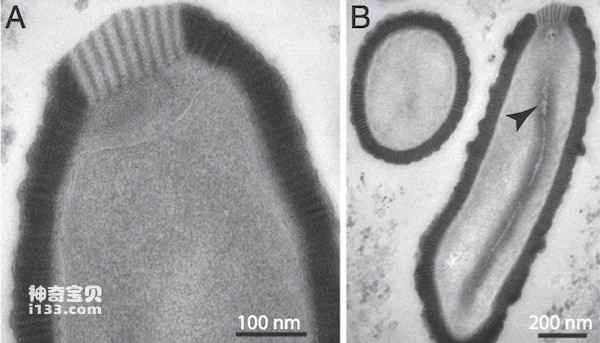
According to EurekAlert!, a study suggests that a previously unknown giant virus discovered and revived in a 30,000-year-old permafrost sample indicates that giant viruses are more diverse and not as rare as previously thought. Several giant viruses belonging to the Macroviridae family have been discovered in the past decade. The morphological and physiological similarities of these viruses once suggested that all giant viruses shared essentially the same characteristics, but the recently discovered Pandoravirus challenges this theory with its distinct shape, size, and physiological features.
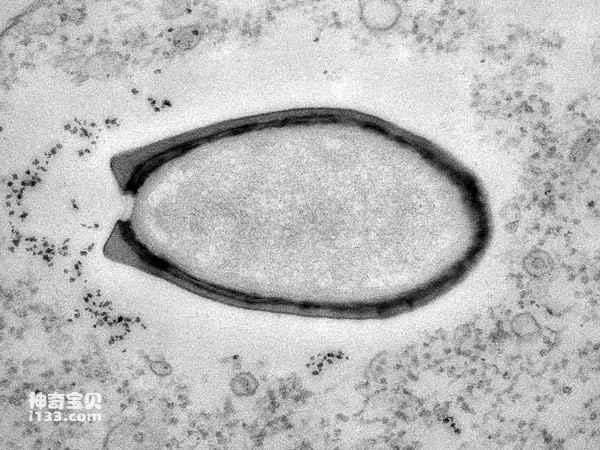
A previously unknown giant virus has been discovered in Siberian permafrost dating back 30,000 years.
Jean-Michel Claverie and colleagues investigated other types of cytomegaloviruses using core samples of Siberian permafrost incubated 30,000 years ago by *Acanthamoeba castellanii*, a common host for cytomegaloviruses. The researchers reported that this host was infected with a previously unknown cytomegalovirus with hybrid characteristics: it was similar in shape to Pandoravirus, its protein expression and replication resembled those of giant viruses, it was larger than both Pandoravirus and giant viruses, and its genome was only a fraction of the size of both.
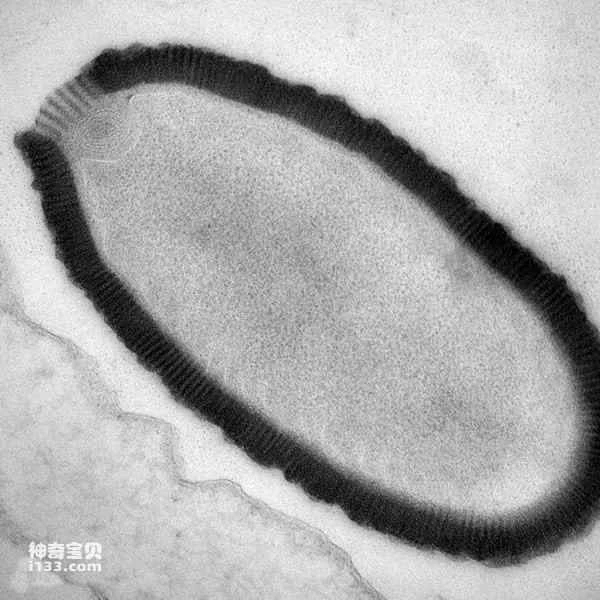
Researchers say the resurrection of a virus named Pithovirus sibericum from ancient permafrost, as it melts with rising Arctic temperatures, suggests the potential for the resurrection of other ancient viruses, some of which could become pathogens in animals or humans.