Costa Rica, located in Central America in the tropics, boasts diverse ecosystems and abundant natural resources. Despite its small land area, it harbors approximately 6% of the world's biodiversity, making it one of the most biodiverse countries globally. However, due to the ongoing impact of human activities on rainforests and Caribbean waters, many of the country's wildlife species face threats to their survival.
If you are interested in the animals that live in Costa Rica, this article will introduce you to some of the most representative species, including some endangered animals.
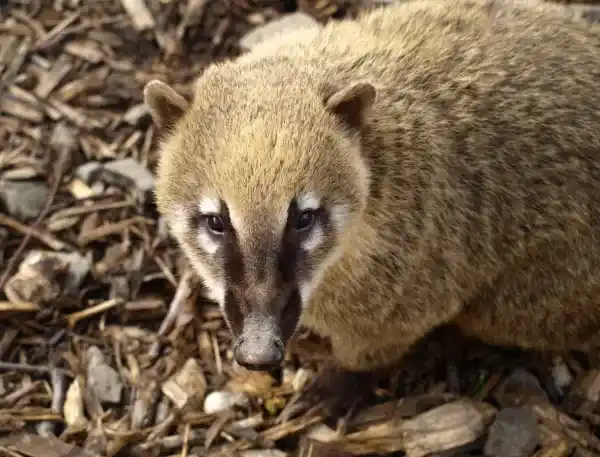
1. Coatí (Rat-nosed Raccoon)
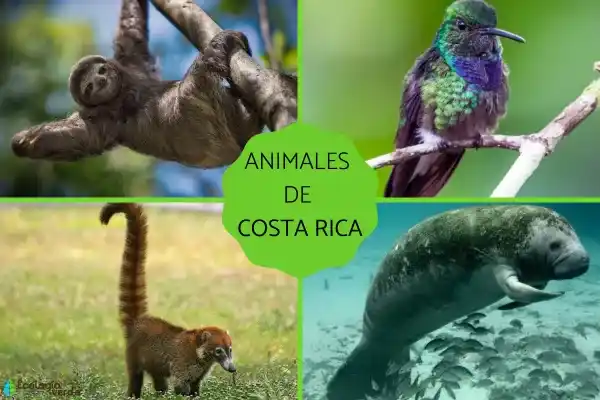
The rat-nosed raccoon (scientific name: Nasua nasua ), known as "pizote" in Costa Rica, is a large mammal that lives in South America and is mainly distributed in coastal areas, tropical rainforests, and foggy forests.
The name "coatí" comes from the Guarani language and means "long nose," vividly describing their prominent noses. Rat-nosed raccoons are omnivorous and highly social, often traveling in groups, unlike other raccoons which resemble them but are solitary in nature.
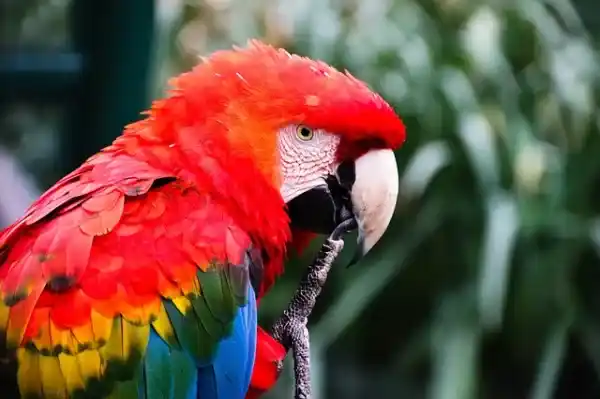
2. Scarlet Macaw (Lapa Roja / Guacamaya Roja)
The scarlet macaw (scientific name: Ara macao ) is one of the most iconic birds of Costa Rica, and is also found in southern Mexico, Peru, and Bolivia.
This large parrot belongs to the order Psittaciformes. It has bright, striking plumage, primarily red, a long, pointed tail, and blue-green wings. They mainly feed on fruits and seeds and have strong, powerful beaks. They typically inhabit tall trees in mangrove forests, dry forests, and humid and rainforest regions.
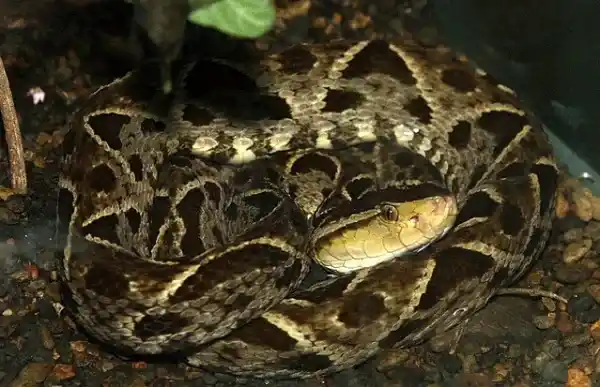
3. Yellow-maned Viper (Serpiente Terciopelo)
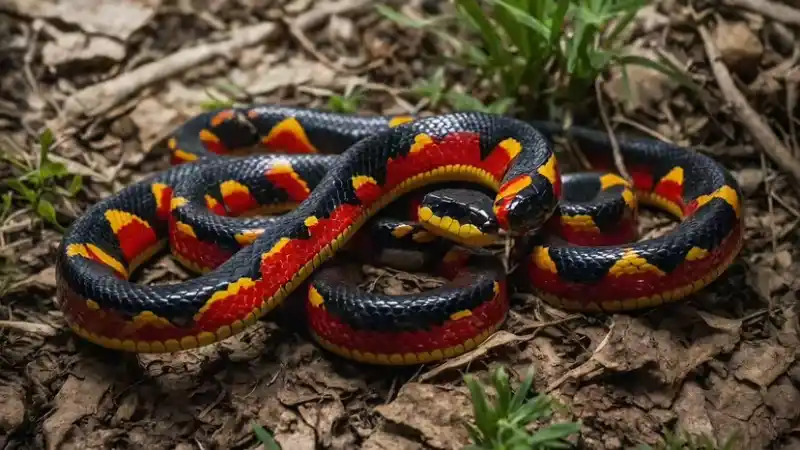
The yellow-bearded viper (scientific name: Bothrops asper ), also known as the "yellow-bearded snake," is one of the most dangerous venomous snakes in Costa Rica. It is distributed in several regions of Central and South America.
This is a nocturnal, terrestrial snake adapted to various environments, such as tropical rainforests, evergreen woodlands, grasslands, and areas near water sources. Adult snakes feed on small mammals and reptiles, while juveniles prey on insects. The yellow-bristled viper can breed year-round and poses a certain threat to humans.
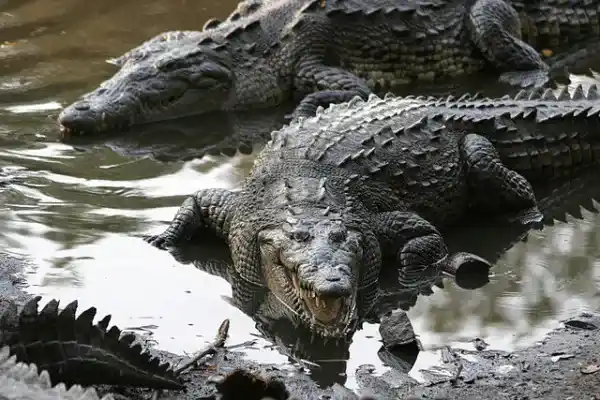
4. American crocodile/Costa Rican crocodile (Cocodrilo Costarricense)
The Costa Rican crocodile (scientific name: Crocodylus acutus ), also known as the American crocodile, lives in freshwater, saltwater, and terrestrial ecosystems, such as coastlines, lagoons, mangroves, rivers, and lakes.
It is a nocturnal apex predator that feeds on fish, amphibians, turtles, waterfowl, and mammals. Although the population is relatively stable, the species is listed as "Vulnerable" (VU) on the IUCN Red List due to human activities such as illegal hunting.
5. Olive Tortoise (Tortuga Olivácea / Golfina)
The olive ridley sea turtle (scientific name: Lepidochelys olivacea ) is one of five species of sea turtles that migrate to the coast of Costa Rica to lay their eggs. They may come ashore alone or in groups (called "arribadas") to lay their eggs, and feed mainly on fish, mollusks, and crustaceans.
Olive-tailed sea turtles are among the smallest and most numerous sea turtles, but they face numerous threats, such as marine pollution, coastal urbanization, illegal fishing, and abnormal ocean temperatures caused by climate change. The IUCN lists them as a "vulnerable" species.

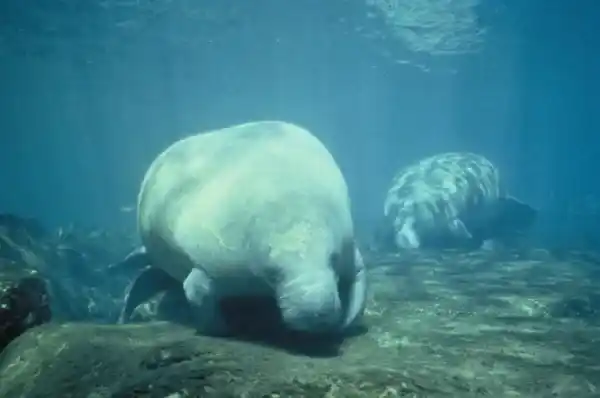
6. Manatee
Manatees (scientific name: Trichechus manatus ), also known as "sea cows," are one of the national symbols of Costa Rica. They can live in both freshwater and seawater, and can reach a length of 4 meters and a weight of nearly 1 ton.
In Costa Rica, manatees are mainly found in Totuguero National Park and Gandoca-Manzanillo Wildlife Reserve. Due to declining aquatic vegetation, illegal hunting (for meat and hides), and marine pollution, their numbers have been continuously decreasing, and they have been listed as a national protected animal since 1953.
7. Other common Costa Rican animals
In addition to the species mentioned above, Costa Rica also boasts abundant wildlife resources, including the following:
Spotted goby ( Eleotris picta )
Coconut Warbler ( Nesotriccus ridgwayi )
Coconut Finches ( Pinaroloxias inornata )
Torosendii (Brown Chameleon)
Howler monkey ( Alouatta palliata )
Leatherback turtle ( Dermochelys coriacea )
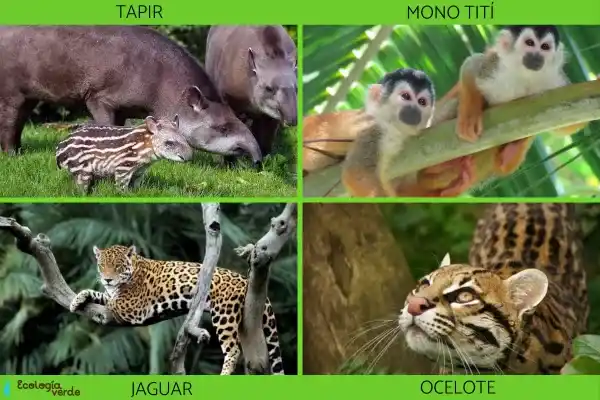
Tiger cat ( Leopardus pardalis )
Blue-winged Macaw ( Ara ambiguus )
Forest Pig ( Tayassu pecari )
Mangrove Hummingbird ( Amazilia boucardi )
Jaguar ( Panthera onca )
Costa Rican cougar ( Puma concolor costaricensis )
White-tailed deer ( Odocoileus virginianus )
Squirrel monkey ( Saimiri oerstedii )
North American opossum ( Dietelphis virginiana )
Central American tapir ( Taperirus bairdii )
Kemp's tortoise ( Lepidochelys kempii )
Two-toed sloth ( Cholopus didactylus )
8. Animals endemic to Costa Rica (endemic species)
Although few in number, Costa Rica is also home to some endemic animal species, such as:
Costa Rican kangaroo gopher ( Orthogeomys heterodus )
Alpine kangaroo ( Heteromys oresterus )
Rodriguez harvesting rat ( Reithrodontomys rodriguezi )
The Exceptional Hummingbird ( Panterpe insignis )
Pacific dwarf gecko ( Sphaerodactylus pacificus )
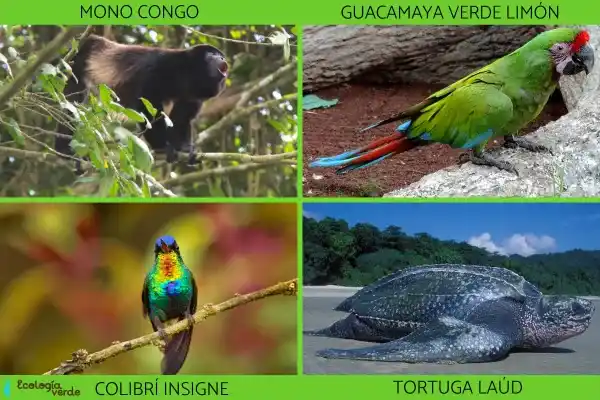
9. Costa Rica's list of endangered animals
Costa Rica boasts a rich ecosystem, yet it faces significant threats. The following are some of its native animals currently endangered:
Howler monkey ( Alouatta palliata )
Leatherback turtle ( Dermochelys coriacea )
Blue-winged Macaw ( Ara ambiguus )
Jaguar ( Panthera onca )
Costa Rican cougar ( Puma concolor costaricensis )
Tiger cat ( Leopardus pardalis )
Central American tapir ( Taperirus bairdii )
Squirrel monkey ( Saimiri oerstedii )
Manatee ( Trichechus manatus )
Scarlet Macaw ( Ara macao )
Costa Rican crocodile ( Crocodylus acutus )
Olive turtle ( Lepidochelys olivacea )
If you are interested in learning more about Costa Rica's ecosystem, please feel free to explore articles related to the flora and fauna of Costa Rica.
bibliography
The updated list of flora and fauna species in the appendices of the Convention on International Trade in Endangered Species of Wild Fauna and Flora (CITES) is published in Central America and the Dominican Republic: http://www.caftadr-environment.org/spanish/outreach/publications/CITES%20Updated%20Fauna%20and%20Flora%20Species%20(Spanish).pdf