Argentina, the world's eighth-largest country, boasts a vast territory stretching from tropical to frigid zones, from the Andes Mountains to the Atlantic coast. Its diverse topography and climate have created 18 ecological zones, fostering a unique and rich diversity of flora and fauna. However, illegal hunting, habitat loss, and climate change are severely threatening the survival of these animals.
This article will take you on an in-depth journey through 30 representative native animals of Argentina, exploring their ecological habits, survival threats, and conservation status.
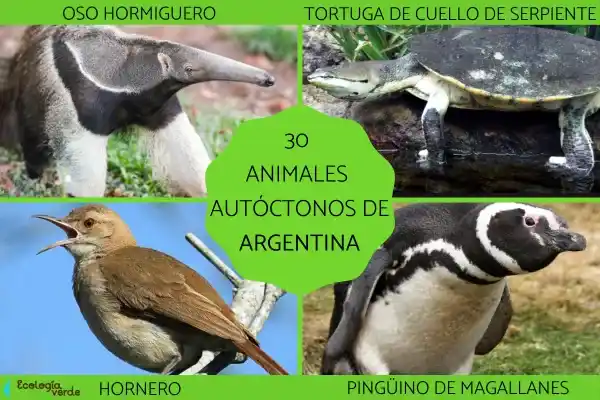
1. Jaguar (Panthera onca)
As the largest cat species in the Americas, the jaguar is the apex predator of the South American tropical rainforest. Originally distributed from the southern United States to northern Argentina, only about 200 individuals remain in Argentina today, primarily inhabiting the northern forests. The main reasons for their drastic decline are illegal hunting and habitat destruction.
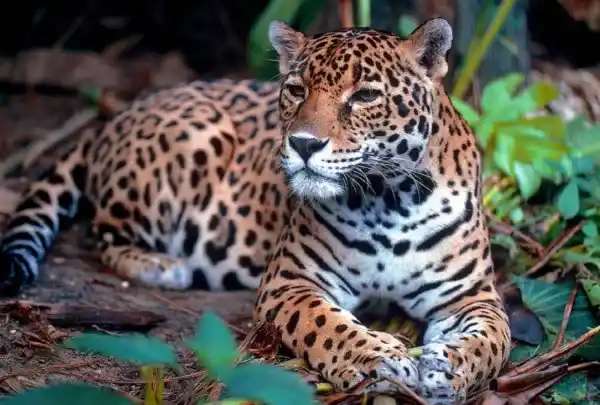
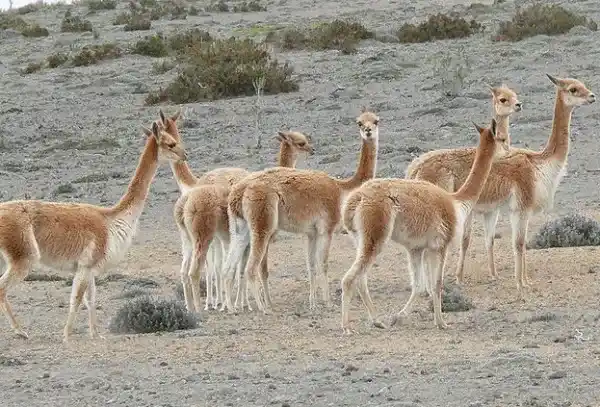
2. Vicuña (Vicugna vicugna)
The llamas live in the high-altitude grasslands of northern Argentina and are adapted to the extreme environment of cold, dryness and large diurnal temperature variations. They were once heavily hunted for their fine coat, but their population has gradually recovered after hunting bans and conservation programs were implemented.
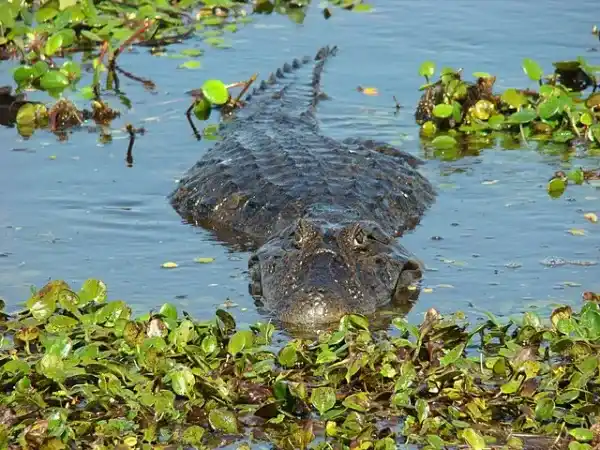
3. White-throated caiman (Yacaré overo, Caiman latirostris)
The white-throated caiman primarily inhabits the wetlands of northeastern Argentina, and is also found in Brazil, Paraguay, and Uruguay. It feeds on waterfowl, fish, small mammals, and snails. Although its population is currently relatively stable, poaching remains a threat.
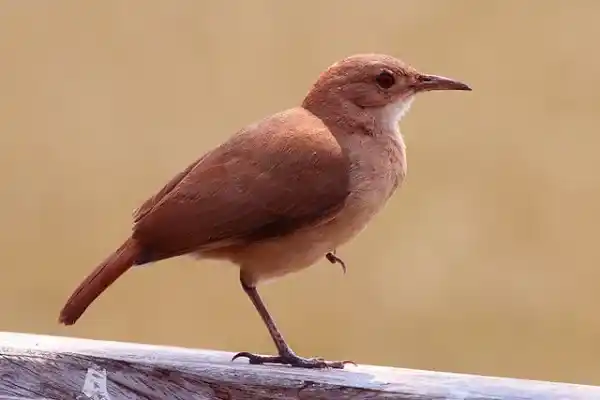
4. Hornero (Furnarius rufus)
This small, reddish-brown bird is the national bird of Argentina, named for its nesting method: it builds a furnace-like nest out of mud. It adapts well to urban environments and is commonly found on streets, utility poles, and in courtyards. Its population is stable and it is not at risk of becoming endangered.
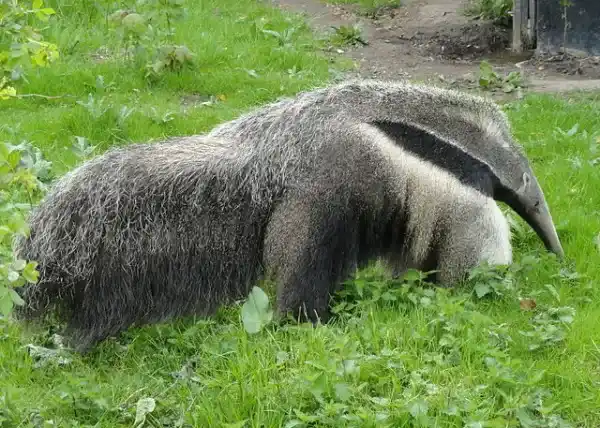
5. Giant anteater (Oso hormiguero, Myrmecophaga tridactyla)
This is a long-snouted, long-tongued mammal that feeds on ants and termites. It once roamed throughout northern and eastern Argentina, but due to habitat destruction and poaching, it has become an endangered species.
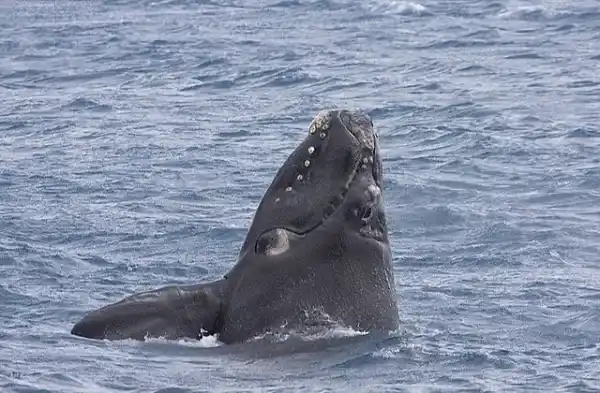
6. Southern right whale (Ballena franca austral, Eubalaena australis)
This whale lives in the oceans of the Southern Hemisphere and can be seen along the coast of Argentina, from Buenos Aires to Tierra del Fuego. It was nearly extinct due to commercial whaling in the past, but is now a national natural monument, and its population is slowly recovering.
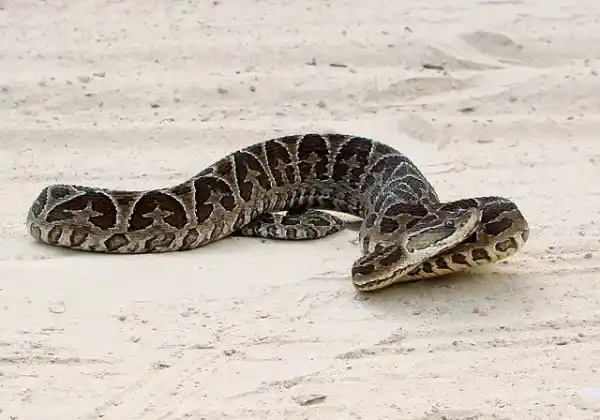
7. Yarará (Bothrops alternatus)
This is a highly venomous snake found in northern and central Argentina. Although it is not aggressive, it is often hunted due to people's fear of it, and its numbers are declining.
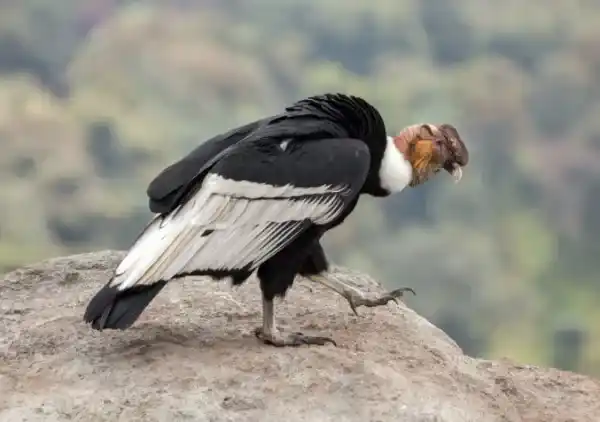
8. Andean condor (Cóndor andino, Vultur gryphus)
The world's largest flying bird, it lives in the Andes Mountains. It acts as a natural scavenger, feeding on animal carcasses and helping to prevent the spread of disease. However, its numbers are steadily declining due to ingesting poisoned animals.
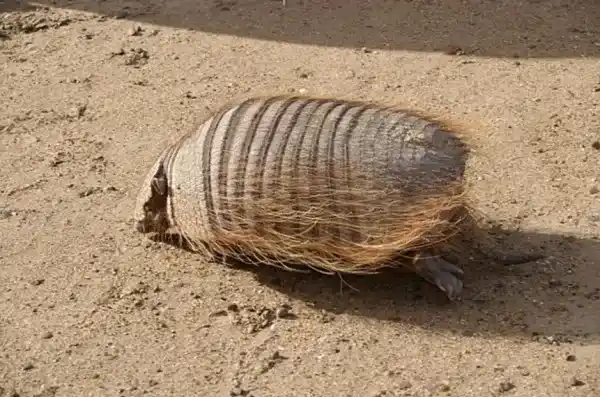
9. Hairy armadillo (Armadillo peludo, Chaetophractus villosus)
This is a shelled mammal found throughout Argentina. Habitat destruction, traffic accidents, and poaching are its main threats, but the population is not currently at risk of extinction.
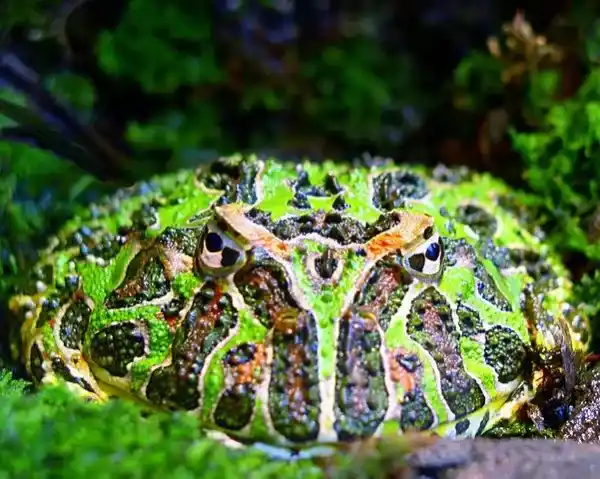
10. Giant Horned Frog (Escuerzo, Ceratophrys ornata)
This is a large frog with a wide mouth, mainly living in the Pampas grasslands and Mesopotamia. Due to its extreme sensitivity to water quality, water pollution is its main threat, classifying it as a vulnerable species.
Other native animal representatives (11-30)
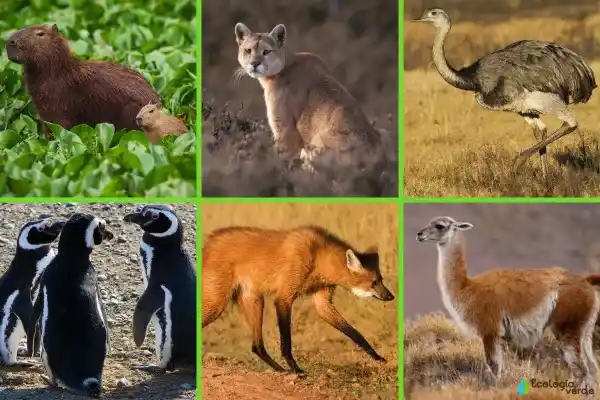
Capybara (Carpincho, Hydrochoerus hydrochaeris)
Cougar (Puma concolor)
Rhea americana (Ñandú)
Magellanic penguin (Spheniscus magellanicus)
Long-legged wolf (Aguará guazú, Chrysocyon brachyurus)
Guanaco, Lama guanicoe
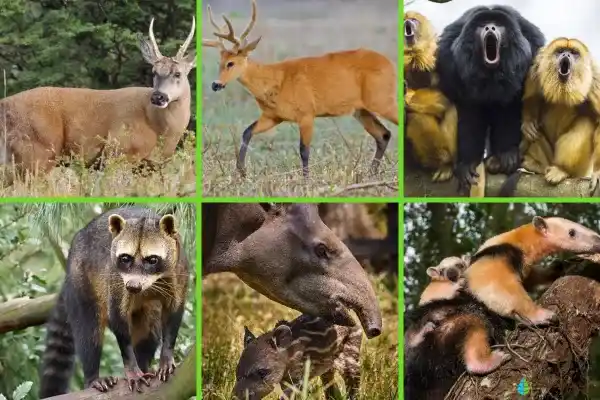
Southern Andean deer (Huemul, Hippocamelus bisulcus)
Wetland deer (Blastocerus dichotomus)
Roaring Monkey (Alouatta caraya)
South American raccoon (Procyon cancrivorus)
South American tapir (Tapirus terrestris)
Small anteater (Tamandua tetradactyla)
Snake-necked turtle (Phrynops hilarii)
Chilean Flamingo (Phoenicopterus chilensis)
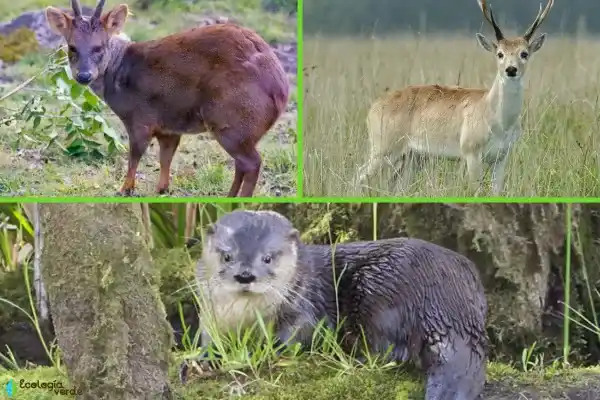
Pudu puda
Mala Rabbit (Dolichotis patagonum)
South American sea lion (Otaria flavescens)
Toucan (Tucán toco, Ramphastos toco)
Pampas deer (Ozotoceros bezoarticus)
Andean otter (Huillín, Lontra provocax)


Endangered native animals of Argentina (under key protection)
The following are Argentine native animals that are endangered or critically endangered:
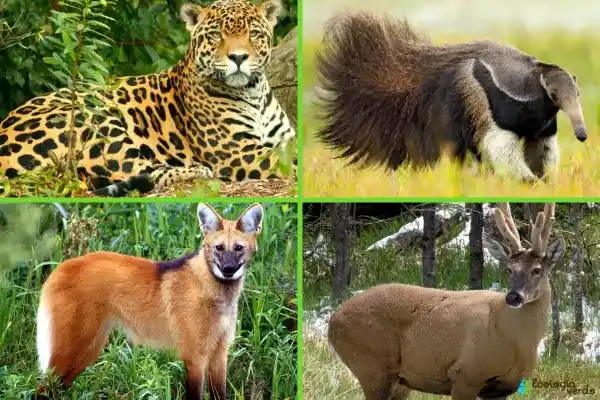
Jaguar (Panthera onca)
Giant anteater (Myrmecophaga tridactyla)
Long-legged wolf (Chrysocyon brachyurus)
Southern Andean deer (Hippocamelus bisulcus)
Pudu puda
Pampas deer (Ozotoceros bezoarticus)
Andean otter (Lontra provocax)
It is worth noting that even if some animals are not currently listed as endangered, they may still be classified as "vulnerable" or "threatened" species and require long-term monitoring and protection.
Further reading recommendations:
Current status of flora and fauna distribution in Argentina
Argentina's invasive species problem
Overview of Endangered Animals in South America
References
International Union for Conservation of Nature (IUCN) Red List. Website: https://www.iucnredlist.org
Argentina's National Park Service Biodiversity Information System. Website: https://sib.gob.ar/portada