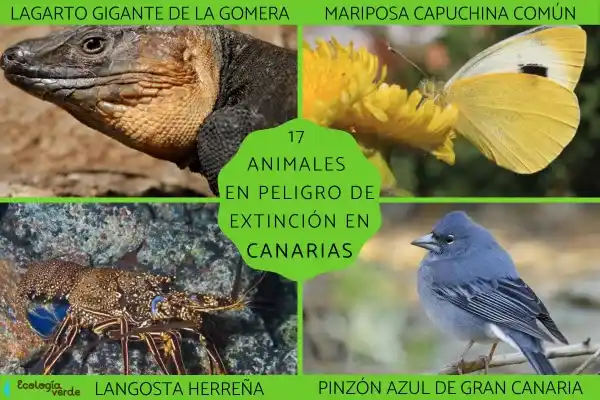
The Canary Islands, a Spanish territory, are renowned for their unique ecosystem and high biodiversity. However, some of the rare species in this biological treasure trove are now facing threats to their survival. According to the National List of Threatened Species (CNEA), 15 animal species in the Canary Islands are currently officially listed as endangered, including 9 invertebrate species, 1 reptile species, and 5 bird species. Furthermore, some species are gradually moving from "vulnerable" to "endangered" or even "critically endangered."
This article will provide you with a detailed introduction to 17 endangered animal species in the Canary Islands, including their survival status, main characteristics, and reasons for their endangerment.
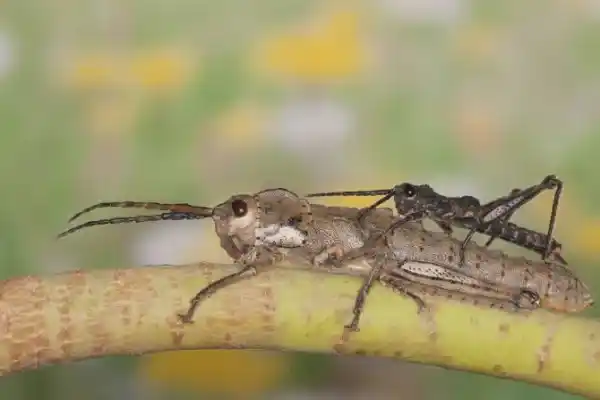
1. Tabaiba locust (Acrostira euphorbiae)
This is an invertebrate insect endemic to the Canary Islands, commonly known as the "club locust" or "Tabaiba locust," primarily found in the El Remo and La Tamanca nature reserves in southwestern La Palma. It typically inhabits the rocky soils of the Tabaiba shrublands, a typical feature of low-altitude, arid regions. A key characteristic of this species is its winglessness.
Due to increased grazing activities in the region in recent years, coupled with urban expansion leading to land hardening, the locust's habitat has been severely threatened, and it has now been listed as a "critically endangered" species by the International Union for Conservation of Nature (IUCN).
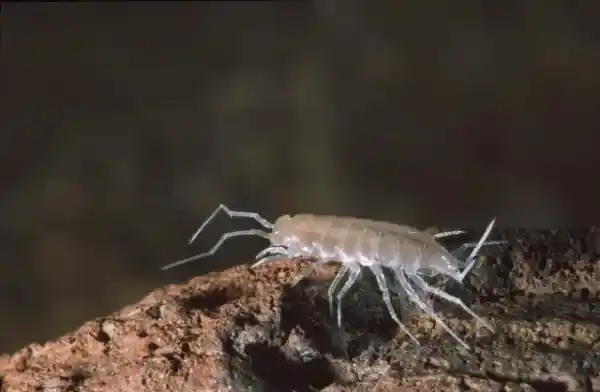
2. Canary Islands woodlice (Halophiloscia canariensis)
This is a very small isochoria, without a specific common Chinese name. It lives on the edges of underground saltwater lakes and in areas near the ocean, such as the beaches of Fuerteventura and Lanzarote. This creature is extremely vulnerable, primarily affected by tourism development, and is now listed as an endangered species.
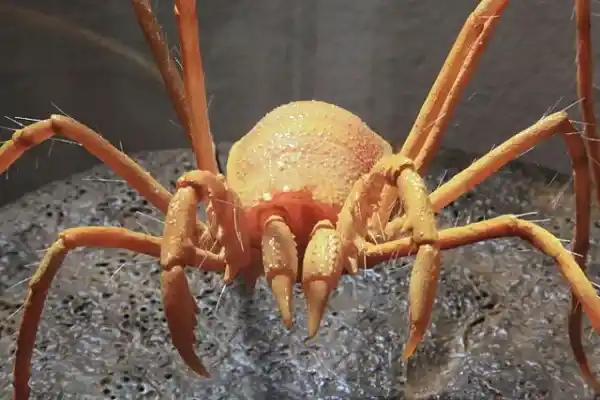
3. Fuedentula cave spider (Maiorerus randoi)
This arthropod, found in the northern part of Fuerteventura, is an eyeless, spider-like species. It is small, lacks pigmentation, has long, thin legs, and underdeveloped limbs, and typically lives in underground burrows.
Due to human disturbances such as garbage accumulation and fires, it is currently only documented in a few places in the Llano Cave in the Villaverde area.
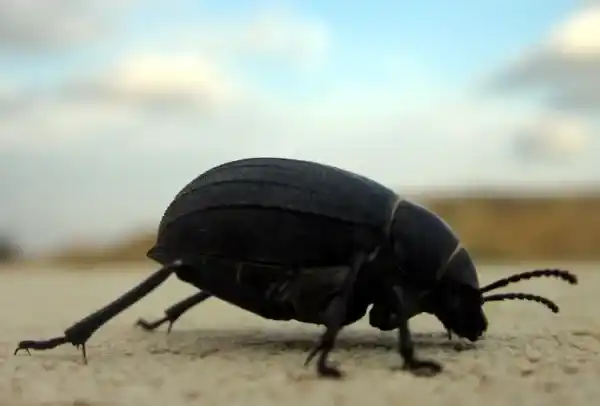
4. Sand beetle (Pimelia granulicollis)
Also known as the "candy beetle," it is a beetle endemic to Gran Canaria. It is easily identifiable by its large size, rough surface, and glossy black exoskeleton. It is diurnal and primarily inhabits sandy areas and sandy riverbeds.
This species has been listed as endangered due to habitat fragmentation and loss caused by urban development, and the IUCN classifies it as "vulnerable".
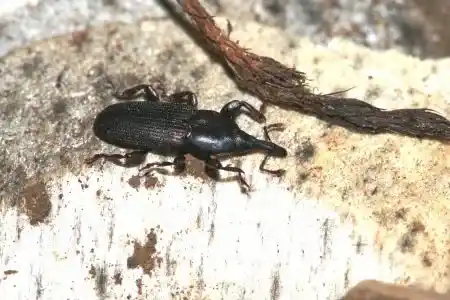
5. Mountain Tabaíba Elephant (Rhopalomesites euphorbiae)
Distributed on the islands of La Palma, La Gomera, and Tenerife, this is a weevil-like beetle that feeds on the Tabaíba shrub. The larvae feed on the xylem of plants. Its body is a mixture of black, brown, and red, and its mouthparts are long and slender, resembling a beak.
This species is facing extinction due to a decline in host plants.
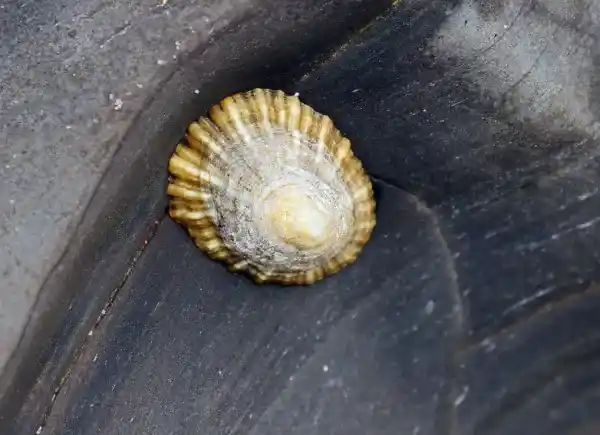
6. Mahola shell (Patella candei candei)
Commonly known as the "sun shell" or "spotted shell," it is a type of shellfish endemic to the Makaronic Islands, mainly living on rocks in the high intertidal zone.
Their survival is severely threatened by shellfish fishing and habitat destruction, and currently only degraded populations exist in a few areas.
7. Colorful lobster (Panulirus echinatus)
Also known as the "Herrera lobster," it lives in underwater caves and rocky areas, and is widely distributed, including La Palma and Herrera Island, as well as along the eastern and western coasts of the Atlantic Ocean. Its shell is densely covered with hard spines, and its body color is reddish-brown or purplish-brown, with yellow spots on its abdomen and legs.
Despite being listed as "Least Concern" globally, the population of this species has plummeted in the Canary Islands due to overfishing and habitat destruction.

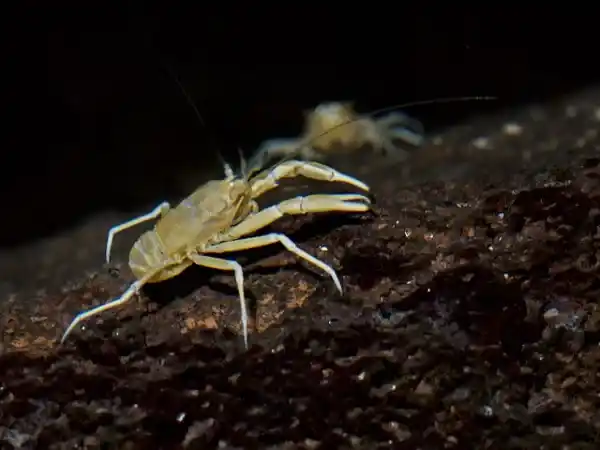
8. Lanzarote blind crab (Munidopsis polymorpha)
Commonly known as "Jameíto" or "Jameo crab," it is a blind crab endemic to Lanzarote. Because it lives in underground seawater pools, it has no pigment and is white in color.
It is being severely affected by pollution from tourism waste and mining activities, and faces the risk of extinction.
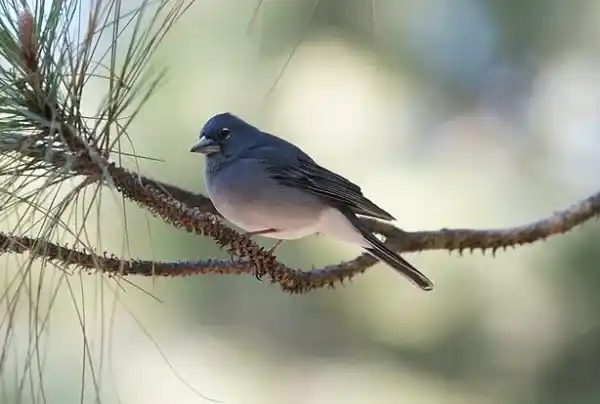
9. Gran Canaria blue tit (Fringilla teydea)
This is a blue songbird with two subspecies, living in Tenerife and Gran Canaria respectively. They are non-migratory and prefer to inhabit pine forests. They often flock together in winter and become more territorial in spring.
Illegal hunting and deforestation are its main threats.
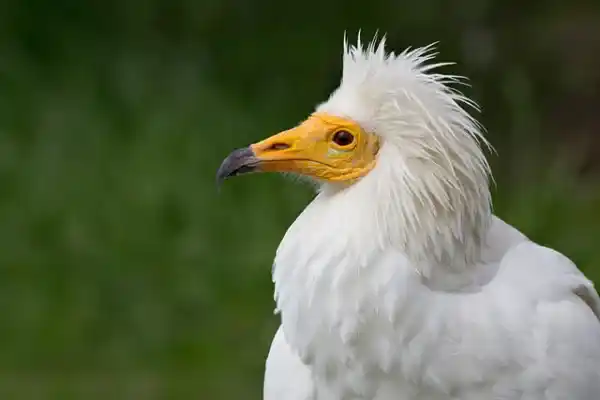
10. Canary Vulture (Neophron percnopterus majorensis)
This scavenging raptor was once widespread throughout the archipelago, but is now confined to Fuerteventura, Lanzarote, and Alegranza. It prefers to perch on power towers, but modern power grids, electric shocks, and lead poisoning have driven it to the brink of extinction.
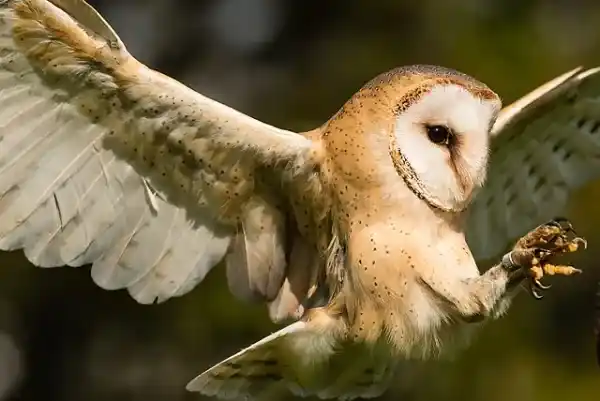
11. Mahola Barn Owl (Tyto alba gracilirostris)
This subspecies, endemic to the Canary Islands, is a nocturnal raptor and is also threatened by power line damage and toxic pollution. Currently assessed as "Vulnerable," its population is declining.
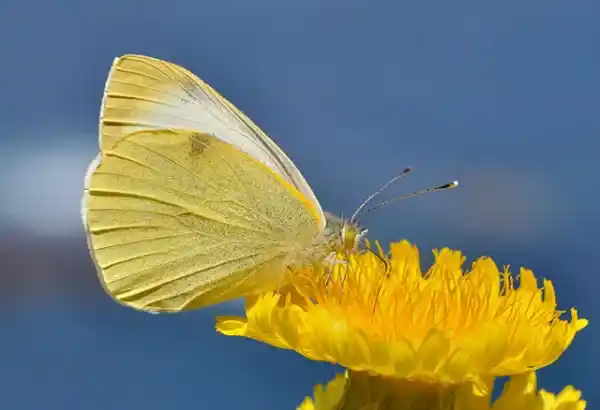
12. Common citrus white butterfly (Pieris cheiranthi)
There are two subspecies, distributed on Tenerife, Gran Canaria, La Palma, and Gomera. Their populations are declining due to human activity and the influence of invasive parasitic wasps.
Other endangered animals:
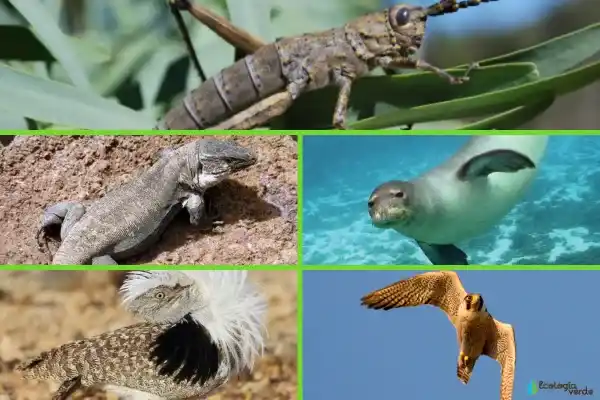
Gran Canaria Locust (Acrostira tamarani) : Found in the Tabaíba plant community, it is classified as "Vulnerable".
Gomera monitor (Gallotia bravoana) : Critically Endangered.
Mediterranean monk seal (Monachus monachus) : Endangered, not limited to the Canary Islands.
Canary Island Plover (Chlamydotis undulata fuertaventurae) : A typical endangered bird species.
Tagarot Falcon (Falco pelegrinoides) : Listed as endangered in the Canary Islands.
Want to learn more? Welcome to read our feature article, "32 Endangered Animal Species in Spain".
References
Biodiversity in the Canary Islands. Sentinel: https://www.biodiversidadcanarias.es/centinela/
Natural Database (NDB). Spanish Government: https://www.miteco.gob.es/es/biodiversidad/servicios/banco-datos-naturaleza/Eidos.aspx
The International Union for Conservation of Nature (IUCN) Red List of Threatened Species: https://www.iucnredlist.org/