As the saying goes, "In martial arts, speed is the ultimate weapon," and this principle applies equally to the animal kingdom. A swift attack is often key to capturing prey. So, do you know which animals rank among the fastest attackers? This article will list five of the fastest-attacking animals: the giant toothed ant, the mantis shrimp, the naiad, the chameleon, and the taipan. How fast are other animals? Let's explore!
1. Large-toothed ant
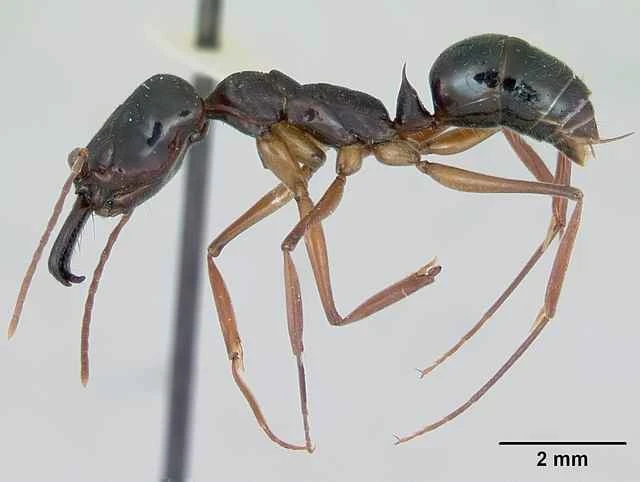
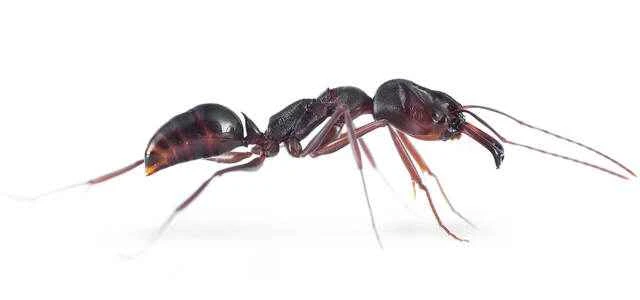
Recent scientific research shows that the giant toothed ant is the fastest-attacking animal on Earth. It can close its mandibles and bite its prey in just 0.13 milliseconds, a speed approximately 2300 times faster than a human blink. Not only is its speed astonishing, but its bite force is also incredibly powerful. Despite weighing only 12.1 to 14.9 milligrams, the force of its jaws closing with each snap can reach 300 times its own body weight. To put this into perspective, the distance and speed of its mandible closure are equivalent to 125 to 233 kilometers per hour.
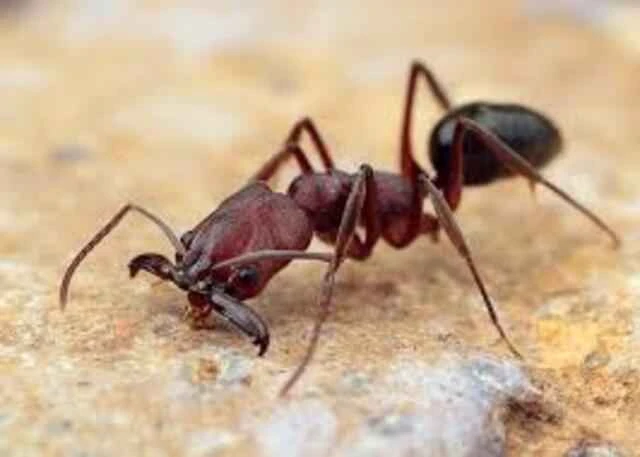
The large-toothed ant (Anthrus spp.) belongs to the genus *Anthrus* in the family Formicidae of the order Hymenoptera, and is also known as the "trapping mandible ant." Their trigger-type mandibles can close at extremely high speeds, used to capture prey or to propel themselves away from enemies using the reaction force. Large-toothed ants are mainly distributed in India, Sri Lanka, the United States, Brazil, and other regions, and are also widely distributed in China, including Shaanxi, Beijing, Zhejiang, Hubei, Hunan, Fujian, Guangdong, and Hainan. They prefer hot climates, typically live in colonies, and build their nests underground, under rocks, or on the surface, using materials such as twigs, sand, or gravel. Large-toothed ants are primarily carnivorous, preying on small insects such as young crickets.
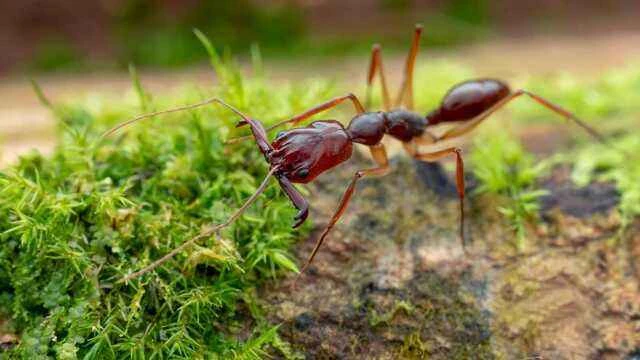
As one of the fastest-attacking animals on Earth, the giant toothed ant, with its predatory organs that close the fastest in nature, has become one of the most lethal species among ants.
2. Mantis Shrimp
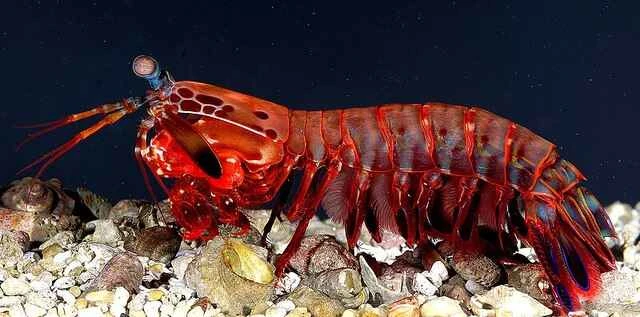
Mantis shrimp, also known as mantis shrimp, are intelligent and powerful marine creatures. They possess a pair of incredibly powerful pincers, capable of shattering glass and even severing a human finger when attacking. Furthermore, some mantis shrimp species also have a pair of "hammers" hidden beneath their bodies, which can launch attacks at speeds of up to 60 kilometers per hour. When hunting, these "hammers" can be launched in a fraction of a second, with an impact force of up to 60 kilograms.
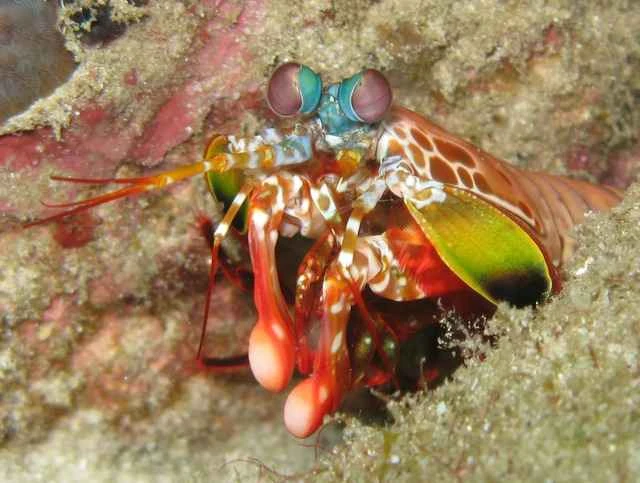
Mantis shrimp are widely distributed in the tropical waters of the Indian and Pacific Oceans, including the South China Sea and coastal areas of Taiwan. They typically inhabit crevices and caves in reefs, or hide behind rocks and corals, waiting to hunt. Peacock mantis shrimp are known for their strong territoriality and ferocious nature, and often feed on slow-moving gastropods, bivalves, and crustaceans on the seabed.
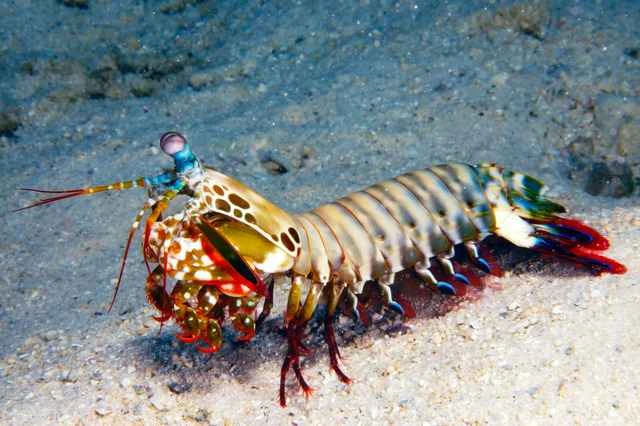
During the breeding season, female peacock mantis shrimp lay tens of thousands of fertilized eggs and hold them tightly to ensure their safety until the larvae successfully hatch.
3. Narcissus nymph
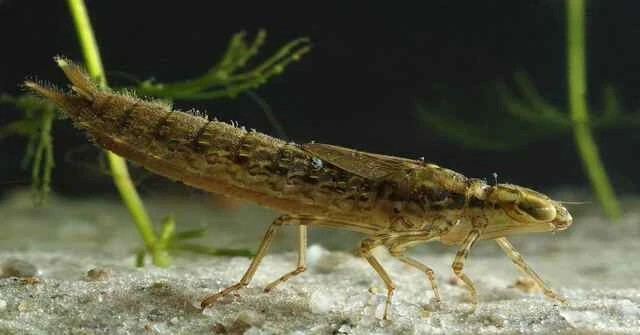
Dragonfly nymphs, also known as dragonfly larvae or nymphs, are aquatic creatures with extremely fast attack speeds. They can typically strike their prey in just one-three-hundredth of a second. The life cycle of dragonfly nymphs varies depending on the species, with the shortest lifespan being only 2-3 months, common species taking about 1-3 years, and the longest species requiring 7-8 years to reach maturity. During this long larval stage, dragonfly nymphs usually undergo 8 to 14 molts before finally emerging from the water to become adult dragonflies.
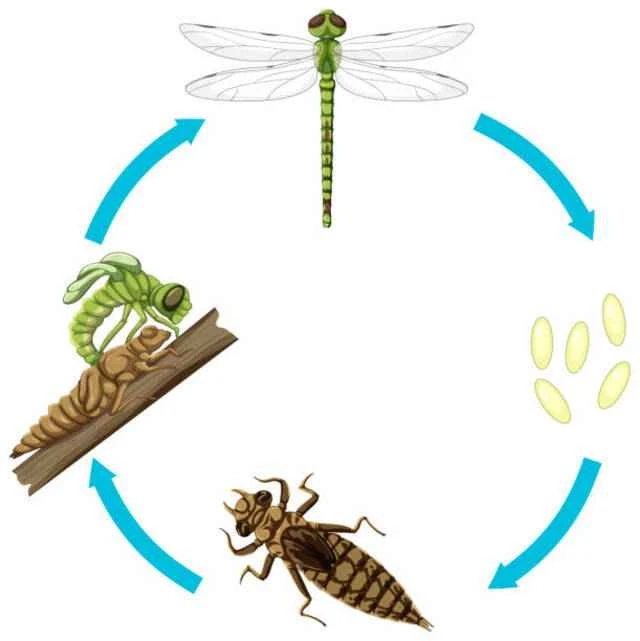
Dragonfly nymphs primarily inhabit aquatic environments in the south, commonly found in streams, ponds, and swamps. Before metamorphosing into adult dragonflies, they live in ponds. As carnivorous animals, dragonfly nymphs are aggressive, preferring to prey on small aquatic insects and larvae, and sometimes even small fish and tadpoles. When keeping dragonfly nymphs in captivity, they can be placed in a glass tank or basin, filled about two-thirds with water, and some aquatic plants can be added to simulate a natural environment.
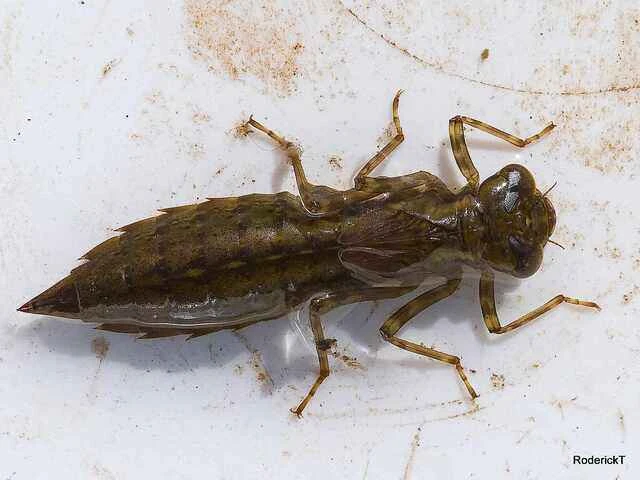
Among some ethnic groups, such as the Buyi people in Yunnan, dragonfly nymphs are even considered a traditional delicacy. They typically catch them during the Qingming Festival, blanch them in boiling water, drain them, coat them in an egg and flour batter, and deep-fry them, creating a unique snack to accompany drinks. Furthermore, dragonfly nymphs are the larval stage of dragonflies and damselflies. When threatened, they use their rectum to suck in water and eject jets of water, using hydrodynamic force to quickly escape danger and protect themselves.
4. Chameleon
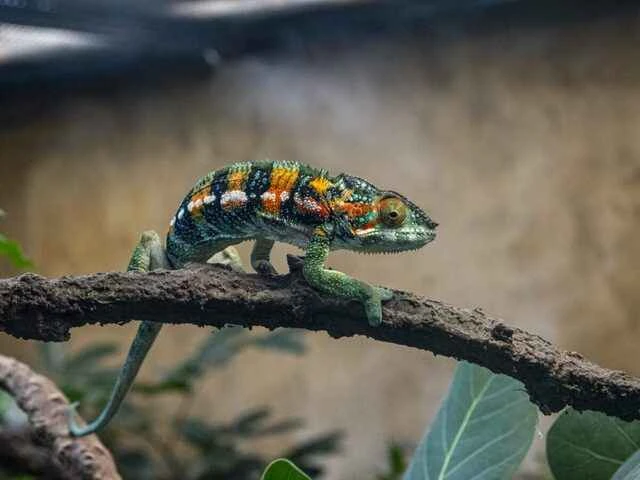
The key to a chameleon's hunting prowess lies in its flexible and powerful tongue. A chameleon's tongue can extend to twice its own length in just 1/125 of a second, allowing it to precisely capture its prey. Previous studies of large chameleons exceeding 220 mm in length have shown that their tongues can accelerate at speeds up to 486 m/s² during hunting, 50 times the acceleration due to gravity. Furthermore, smaller chameleons are often even faster at capturing prey.
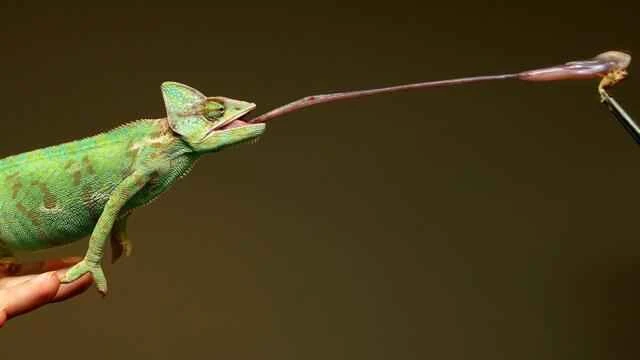
Chameleons are mainly distributed in Africa and Madagascar, with a few species found in Asia and southern Europe. Most are arboreal, with only a few species living on the ground. They primarily feed on insects. Chameleons are predominantly oviparous, although a few species are ovoviviparous.
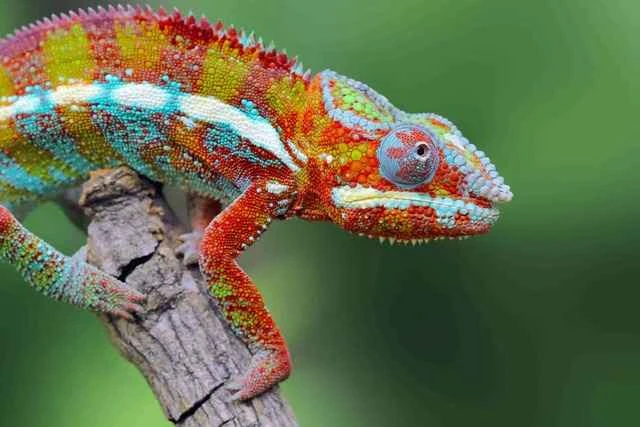
Some chameleon species adjust their body color to change their surroundings, while others use color to express emotions. For example, their bodies become exceptionally bright when threatened or competing for a mate. Furthermore, body color can reflect health: it turns black when the chameleon is unwell or angry, and white when its body temperature is too high. Chameleons have extremely long tongues, almost as long as their bodies, which they use to grip prey with the powerful suction generated at the tip. Studies have also shown that the tip of their tongue contains mucus that allows them to quickly trap and capture insects. Their tails are equally flexible, adept at wrapping around branches for stability.
5. Fine-scaled Taipan
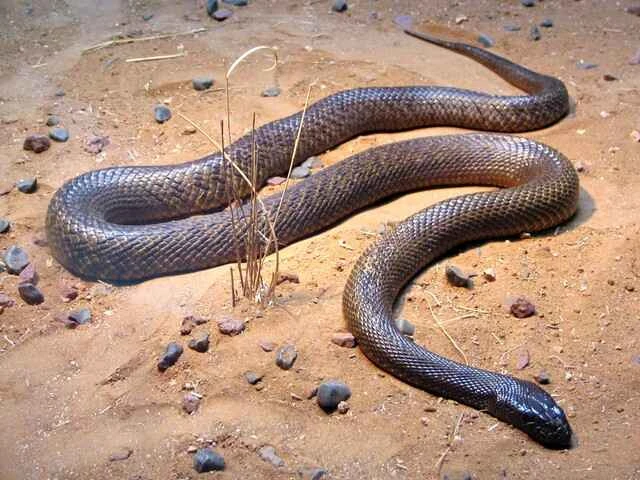
The inland taipan, also known as the scaly taipan, is the most venomous land snake known to date, and also one of the fastest-attacking snakes. When hunting or threatened, this snake raises its forebody in an "S" shape, striking with incredible speed, almost beyond the range of human vision. The scaly taipan can complete an attack in a mere third of a second, and it often attacks multiple times, frequently striking its prey two or three times before the prey can even react.
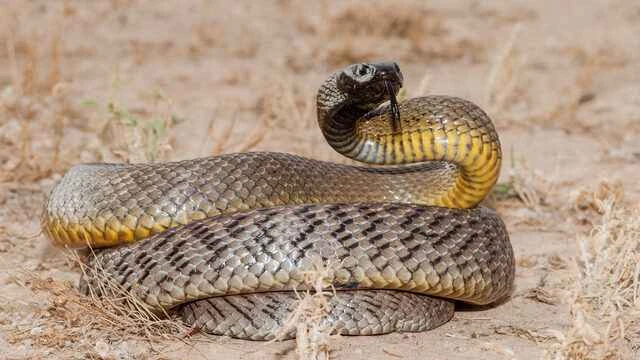
This snake is mainly distributed in the arid plains and grasslands of central Australia, often inhabiting sparsely populated, dry environments, including deserts, grasslands, dry riverbeds, and rodent burrows, surface cracks, or depressions. Sometimes it also hides in rock crevices or wall holes. The taipan feeds on frogs, toads, and small mammals. When hunting or disturbed, it rapidly raises its body, displaying astonishing speed. They are oviparous snakes, laying approximately 12 to 20 eggs at a time.
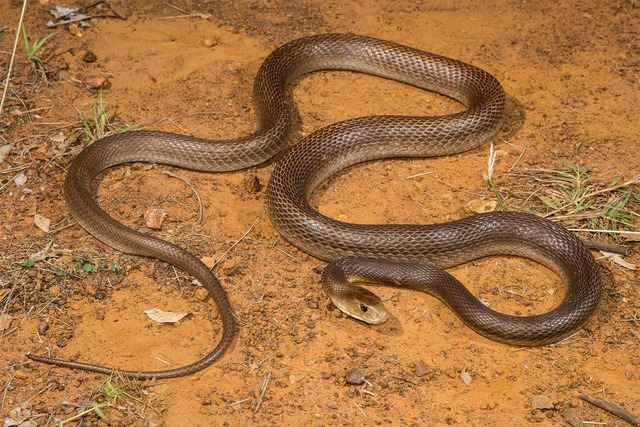
As the most venomous land snake, the taipan's venom is incredibly potent. It can deliver approximately 20 times the venom of a king cobra, and a single bite can release enough venom to kill a 20-ton prey within 24 hours—equivalent to the weight of two adult African elephants—representing the ultimate in both venom and lethality.
This list of the world's fastest-attacking animals is compiled based on information from multiple websites and ranked according to the time it takes for an animal to complete an attack. This article is for entertainment purposes only. If you have any questions, please leave a comment or provide your valuable feedback at the end of the article!