Spiders are truly unique creatures in nature, possessing a terrifying appearance and formidable hunting abilities. While most spiders pose no threat to humans, certain species inspire fear due to their potent venom and potential lethality. This article will detail the world's ten most venomous spiders, the dangers of their venom to humans, and how to prevent and treat spider bites.
10. Mouse spider (Missulena bradleyi)
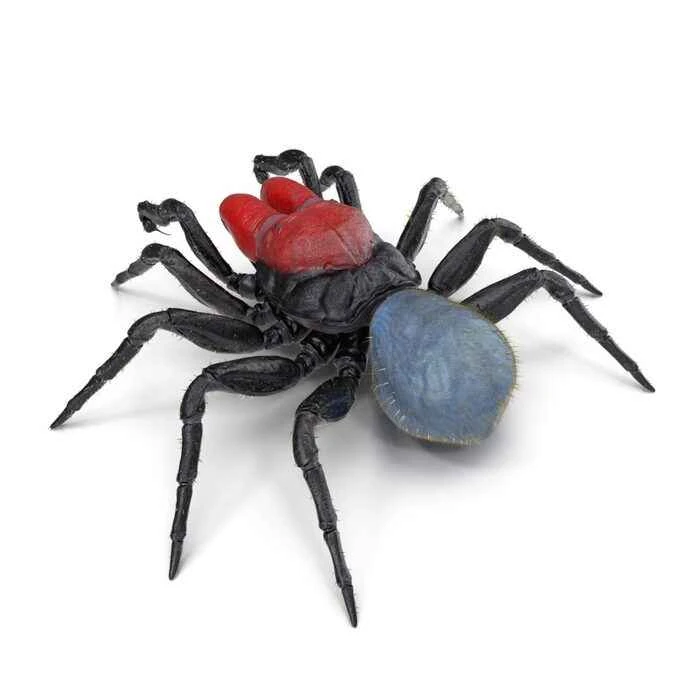
Distribution area: Australia
Toxicity: The venom of mouse spiders can cause symptoms such as headache and numbness, but it usually does not pose a fatal threat to humans. Despite their fierce appearance, they are not aggressive and will not attack humans unless provoked.
Fun fact: Mouse spiders are named for their habit of burrowing underground, not for eating mice. They typically don't weave webs but live in hidden burrows.
9. Tarantula (Lycosa tarantula)
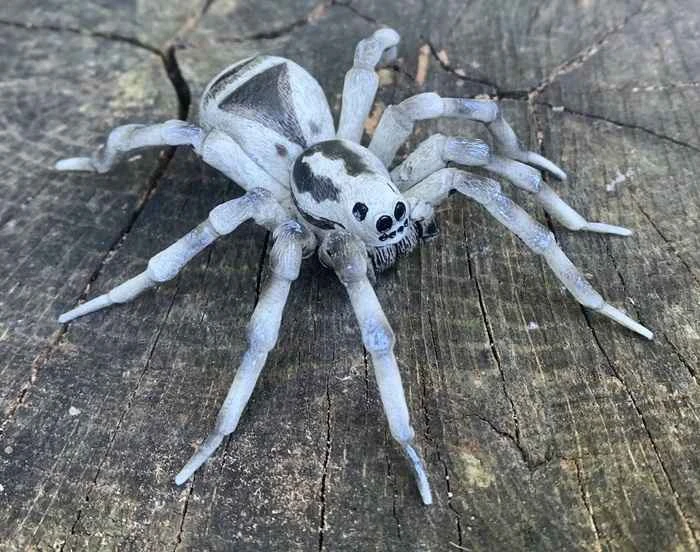
Distribution area: Southern Europe
Toxicity: The venom of the tarantula is relatively harmless to humans, usually causing only mild pain and swelling. This spider is nocturnal and feeds on small insects.
Fun fact: Although tarantulas are large and have very sharp eyes, they rarely come into contact with humans and usually only bite when threatened.
8. Brown widow spider (Latrodectus geometricus)
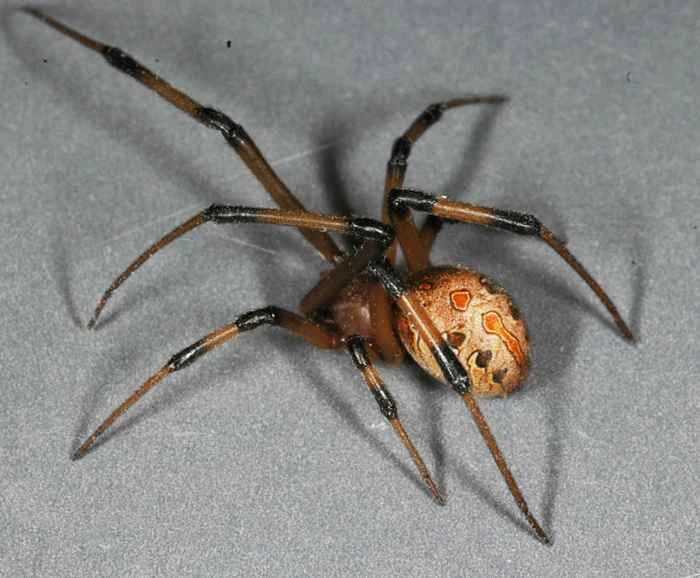
Distribution area: Widely distributed globally, especially in the Americas, Europe and Africa.
Toxicity: While the venom of the brown widow spider is not as potent as that of its relative, the black widow spider, it can still cause localized pain, vomiting, and other discomfort. In rare cases, severe muscle spasms and headaches may occur.
Fun fact: The stripes on the brown widow spider's body and the bright patterns on its abdomen are very noticeable. They are relatively weak in aggression and usually only bite when threatened.
7. White-tailed spider (Lampona cylindrata)
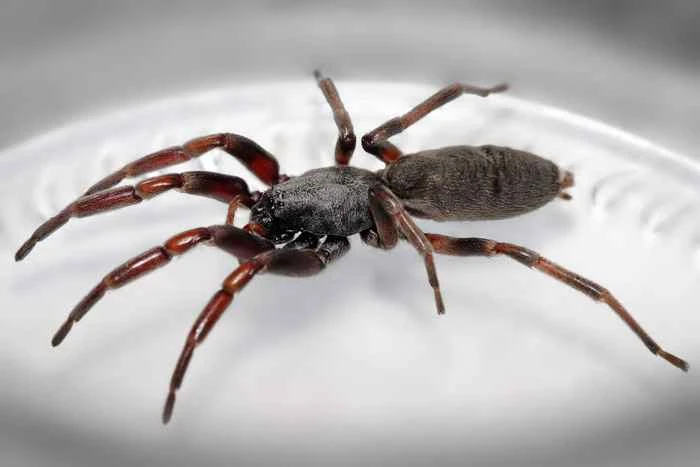
Distribution area: Australia
Toxicity: The venom of the white-tailed spider can cause severe pain, vomiting, and nausea at the bite site. Although the venom is potent, fatal cases are rare.
Fun fact: Unlike many other spiders, white-tailed spiders don't weave webs; they prefer to prey on other spiders. They are quite aggressive and often hide in clothing and shoes. If you accidentally come into contact with them, you may get bitten.
6. Southern Black Widow Spider (Latrodectus mactans)
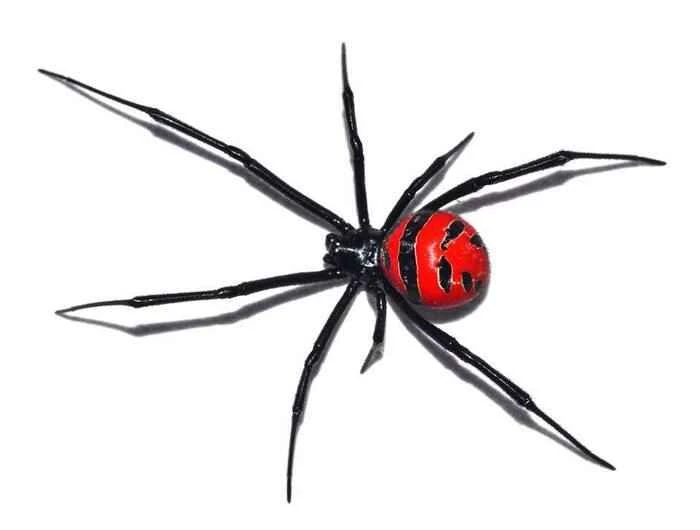
Distribution area: Southern United States
Toxicity: Symptoms caused by the venom of the southern black widow spider include severe abdominal pain, vomiting, fever, and sweating. Nevertheless, the chances of a black widow spider bite being fatal are very low; usually, only the elderly and infants are severely affected.
Fun fact: Black widow spiders have a very distinctive red hourglass-shaped marking, one of the most recognizable features among spiders. Despite their notoriety, black widow spiders generally do not attack humans unless provoked, and will only bite in self-defense.
5. Redback Spider (Latrodectus hasselti)
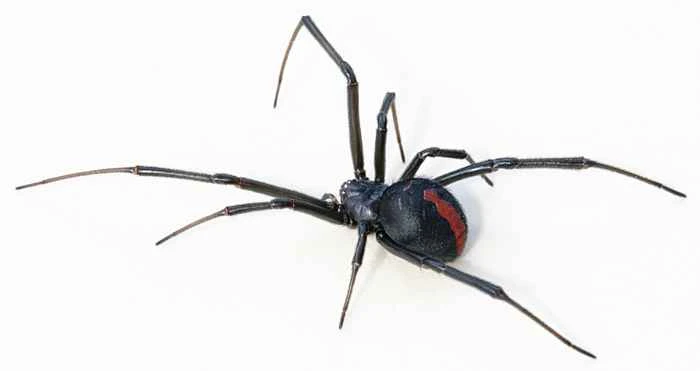
Distribution area: Australia
Toxicity: The venom of the redback spider can cause severe pain, vomiting, and headaches. In some cases, it can even be life-threatening if left untreated.
Fun fact: Redback spiders are known for their "food packaging" method. They wrap their prey in webs and inject venom, liquefying the prey's internal organs before eating them. They typically live in secluded places, especially around buildings.
4. Brown recluse spider (Loxosceles reclusa)
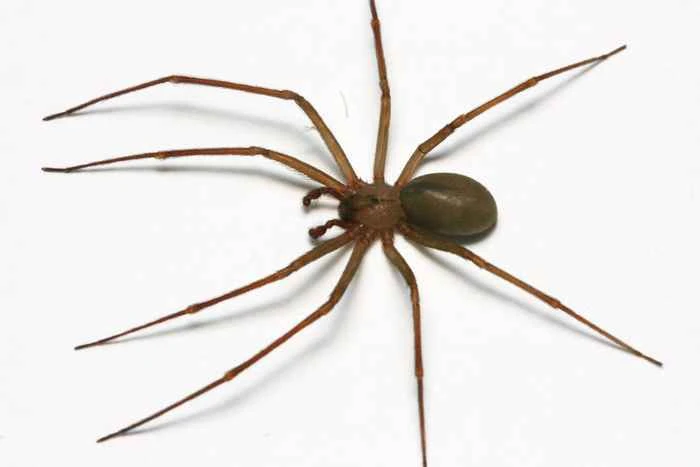
Distribution area: North America
Toxicity: The venom of the brown spider can cause tissue necrosis at the bite site and may trigger severe systemic symptoms such as fever, vomiting, and kidney failure. In rare cases, a bite from the brown spider can even be fatal.
Fun fact: Brown spiders are relatively timid and usually do not attack humans unless threatened. They only bite when threatened, usually after accidental contact.
3. Chilean Hidden Spider (Loxosceles laeta)
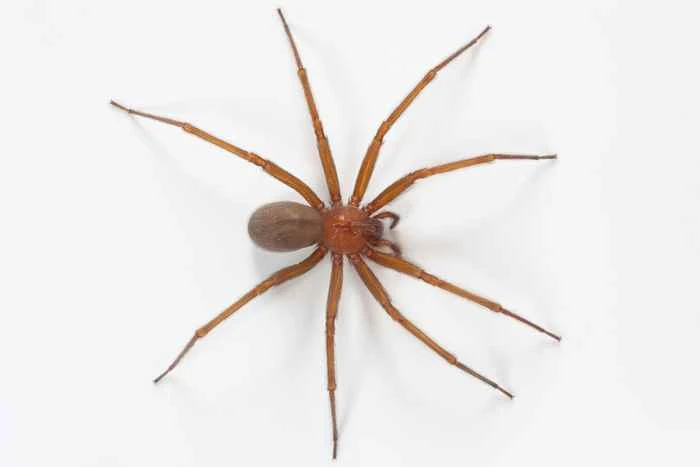
Distribution areas: Chile, Brazil, and parts of the United States
Toxicity: The venom of the Chilean spider is extremely potent and can cause severe tissue damage. Wounds can take months to heal and may leave noticeable scars. In rare cases, its venom can also cause kidney failure or death.
Fun fact: Chilean spiders are not as aggressive as other species of spiders, but their venom is extremely deadly. If bitten, seek medical help immediately.
2. Brazilian wandering spider (Phoneutria spp.)
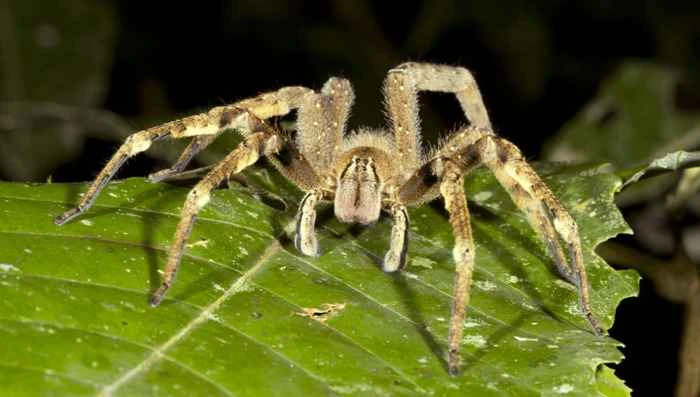
Distribution area: South America, especially Brazil
Toxicity: The venom of the Brazilian wandering spider is extremely potent and can cause symptoms such as high blood pressure, severe vomiting, and shortness of breath. Without timely treatment, it can lead to paralysis and respiratory failure, and in extreme cases, death.
Fun fact: Brazilian wandering spiders are named for their nocturnal activity. They like to hide in banana plants or during banana transport, which sometimes leads to accidental encounters with humans.
1. Australian funnel-web spider (Atrax robustus)
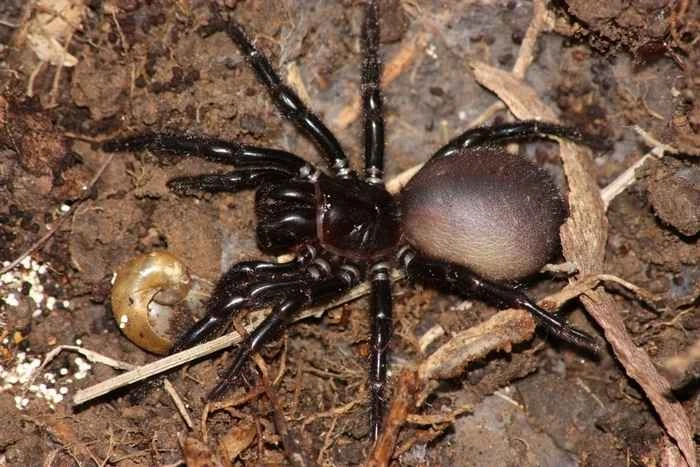
Distribution area: Australia, mainly in the Sydney area.
Toxicity: The Australian funnel-web spider is the most venomous spider in the world. Its venom can rapidly cause severe symptoms, including pain, difficulty breathing, and paralysis. Without prompt treatment, a bite can be fatal. The spider's venom acts quickly, and children are particularly vulnerable.
Fun fact: The Australian funnel-web spider is extremely aggressive, sometimes biting multiple times in a single attack. They actively defend their territory, so they may bite repeatedly if threatened.
Summarize
While spider venom is frightening, most spiders do not attack humans unless provoked. Understanding the characteristics and symptoms of these spiders is crucial to preventing accidental bites. If you are unfortunately bitten by one of these venomous spiders, seek medical attention as soon as possible to prevent the condition from worsening. Staying vigilant and taking preventative measures can significantly reduce the risk of encountering these dangerous spiders.